Nearer my God to Thee
Titanic
classical
4 tracks
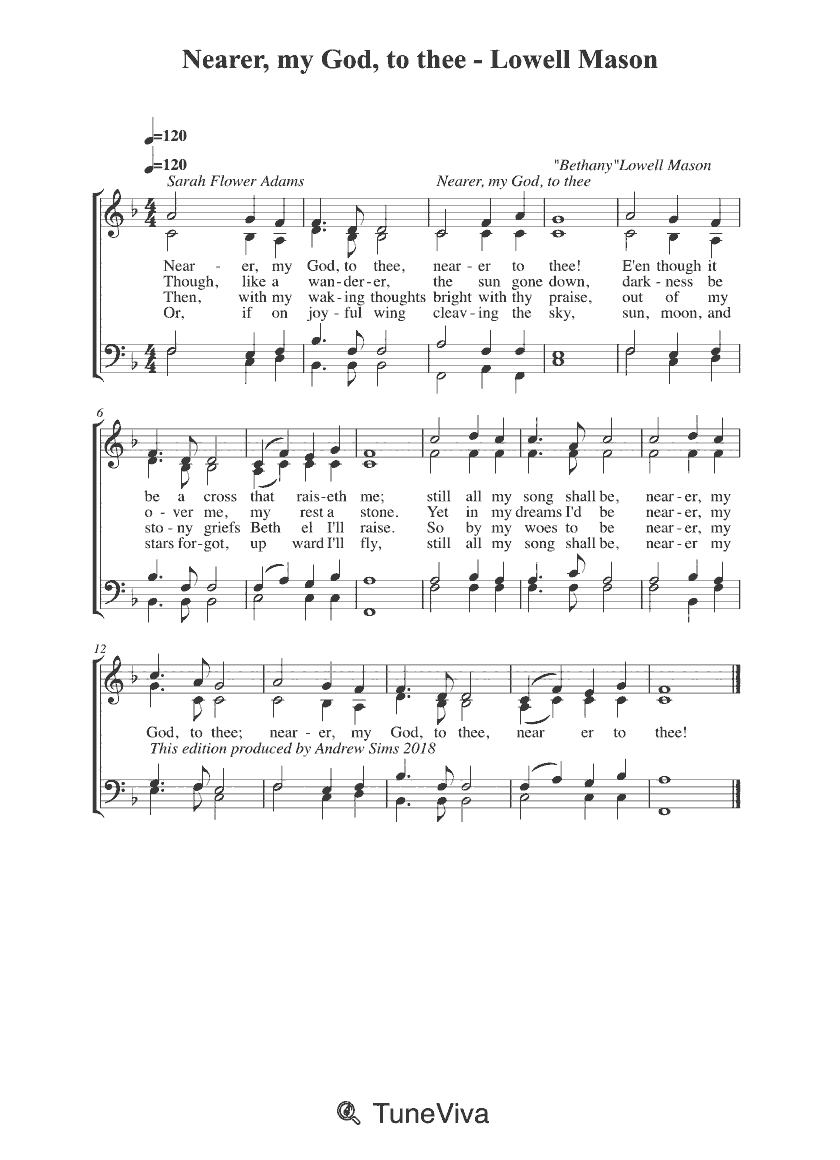
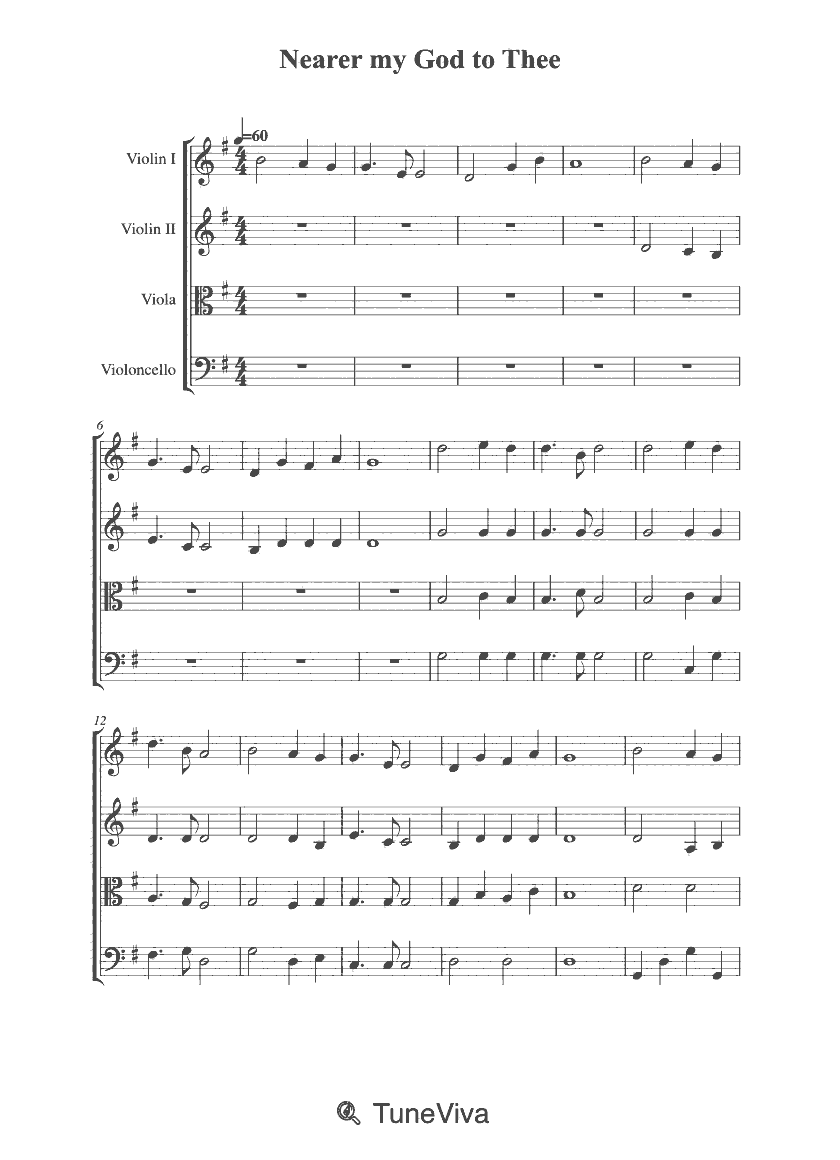
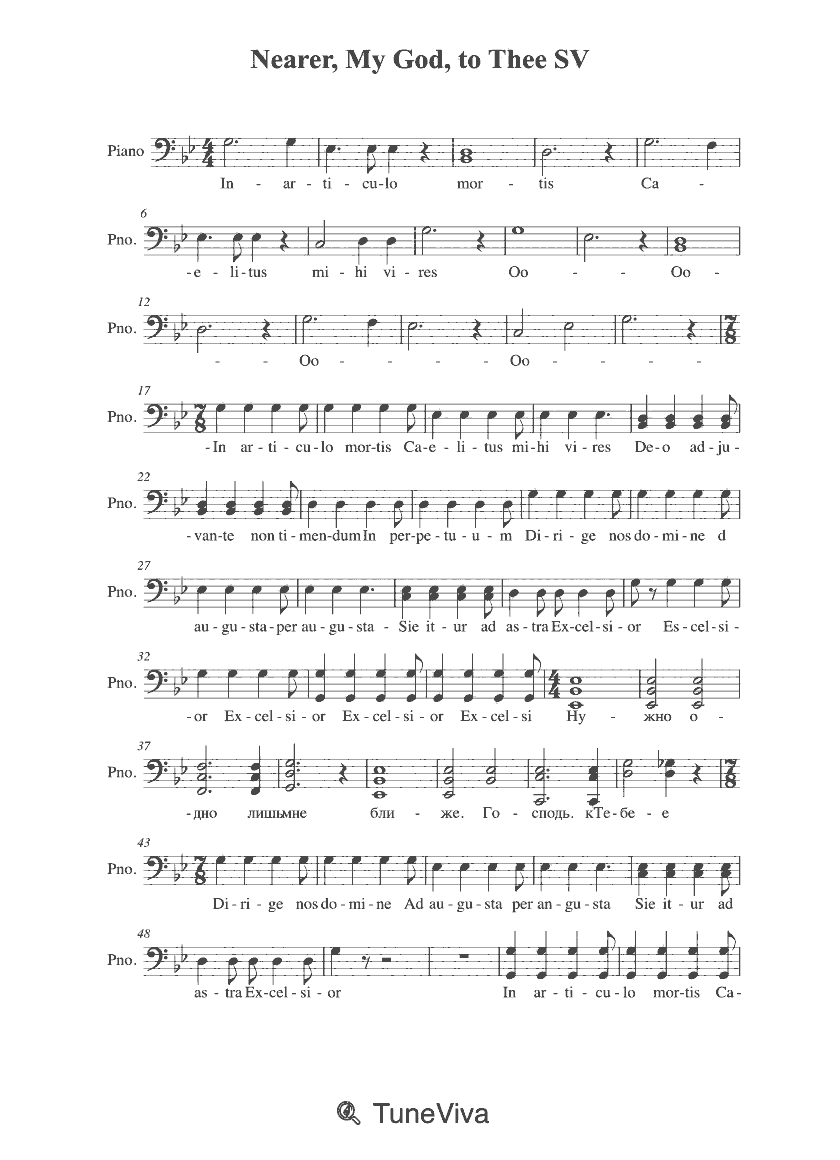
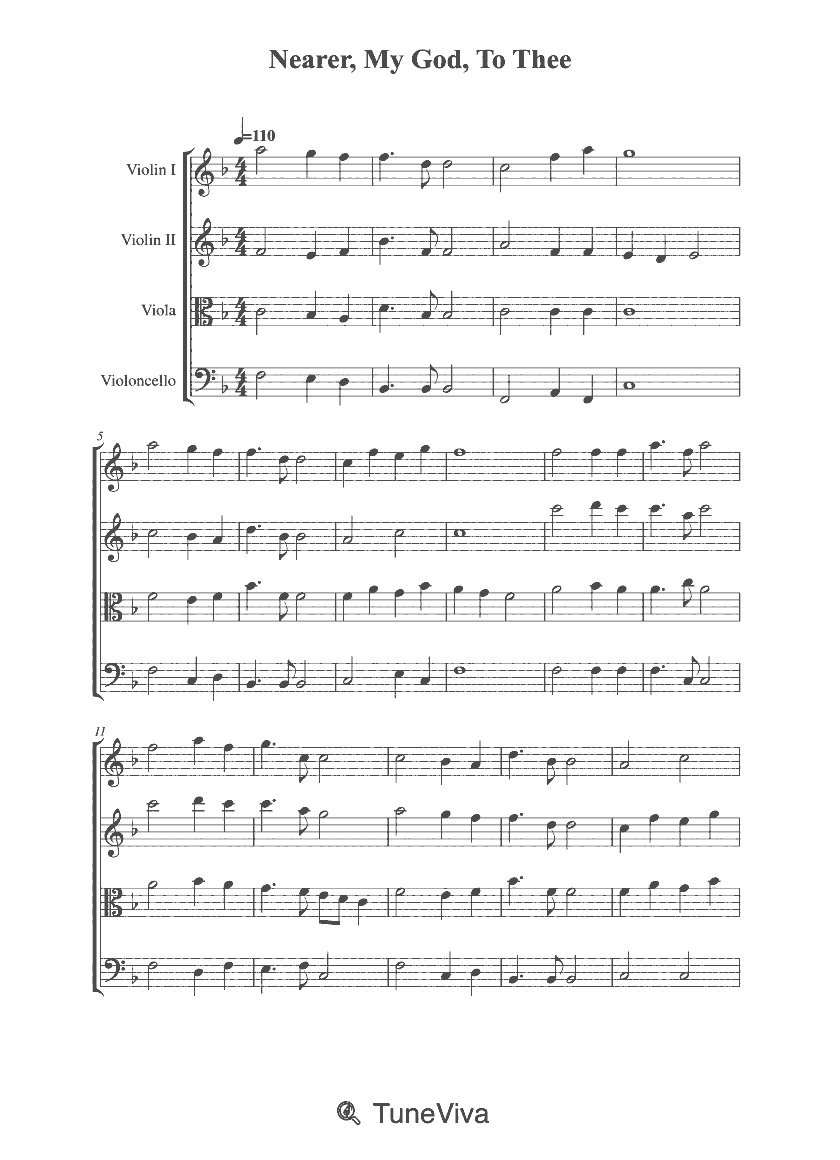
Lowell Mason's tune Bethany, published in 1856, is the setting most of the world sings to Sarah Flower Adams's Nearer, My God, to Thee, though in Britain it is more often sung to Dykes's Horbury. The catalogue holds 242 Mason scores, about 156 minutes of music and 42,641 notated notes.
Only 35 of those entries carry lyrics, and 230 sit at complexity index 0. Nearer, My God, to Thee accounts for several titles and arrangements, the most-viewed drawing 9,979 views, while Mary Had a Little Lamb and a four-part Joy to the World show the rest of the range.
Mason was born in Medfield, Massachusetts, on 8 January 1792 and was directing the music at the First Parish church there at seventeen. He spent his twenties as a bank clerk in Savannah, Georgia, studying with the German teacher Frederick L. Abel and leading the music at the Independent Presbyterian Church. His church music collection, drawing on Haydn, Mozart and Beethoven, was published anonymously in 1822 by the Handel and Haydn Society of Boston. He moved to Boston in 1827, served as organist at Park Street Church, helped found the Boston Academy of Music in 1833 and was superintendent of music for the city's schools from 1838 to 1841. He died in Orange, New Jersey, on 11 August 1872.
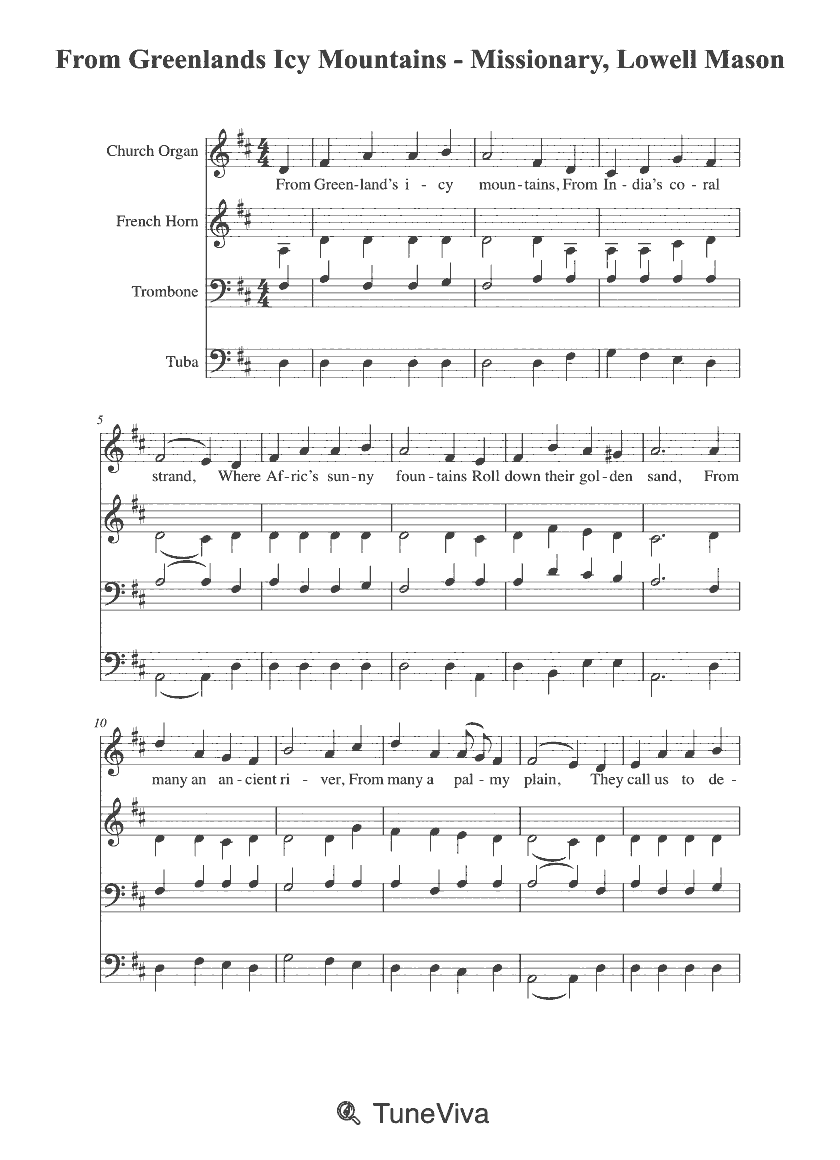
Mason wrote or arranged more than 1,600 hymn tunes. Bethany, used for Nearer, My God, to Thee, and Hamburg, used for When I Survey the Wondrous Cross, are still in print, and Olivet, written in 1832 for Ray Palmer's My Faith Looks Up to Thee, is nearly as common. His arrangement of Antioch, the tune behind Joy to the World, appeared in 1836 and again in 1848 in The National Psalmist, attributed to Handel. He also set Mary Had a Little Lamb in the 1830s, from the same workshop as his church music.
The 242 scores here run to about 156 minutes, with 230 entries at complexity index 0 and only one at index 2. Hymn texts rather than tune names supply many of the titles, and Watchman, Tell Us of the Night carries its whole source in the title: the tenth edition of the Boston Handel and Haydn Society Collection, 1831. Duplicate titles are common where a tune survives in several arrangements.
Mason's tunes are built for unanimous singing: square phrases, a melody that sits comfortably in the soprano, and harmony that moves in block chords. Play them at a steady pace and let the last line of each verse broaden a little rather than rush the cadence. Bethany gains from legato voicing and a quiet pedal, while Antioch wants a brighter registration and clean repeated notes in the inner parts. The part-writing is plain, so expression has to come from the words.
The most-viewed score here: Bethany, the tune most English-speaking congregations know.
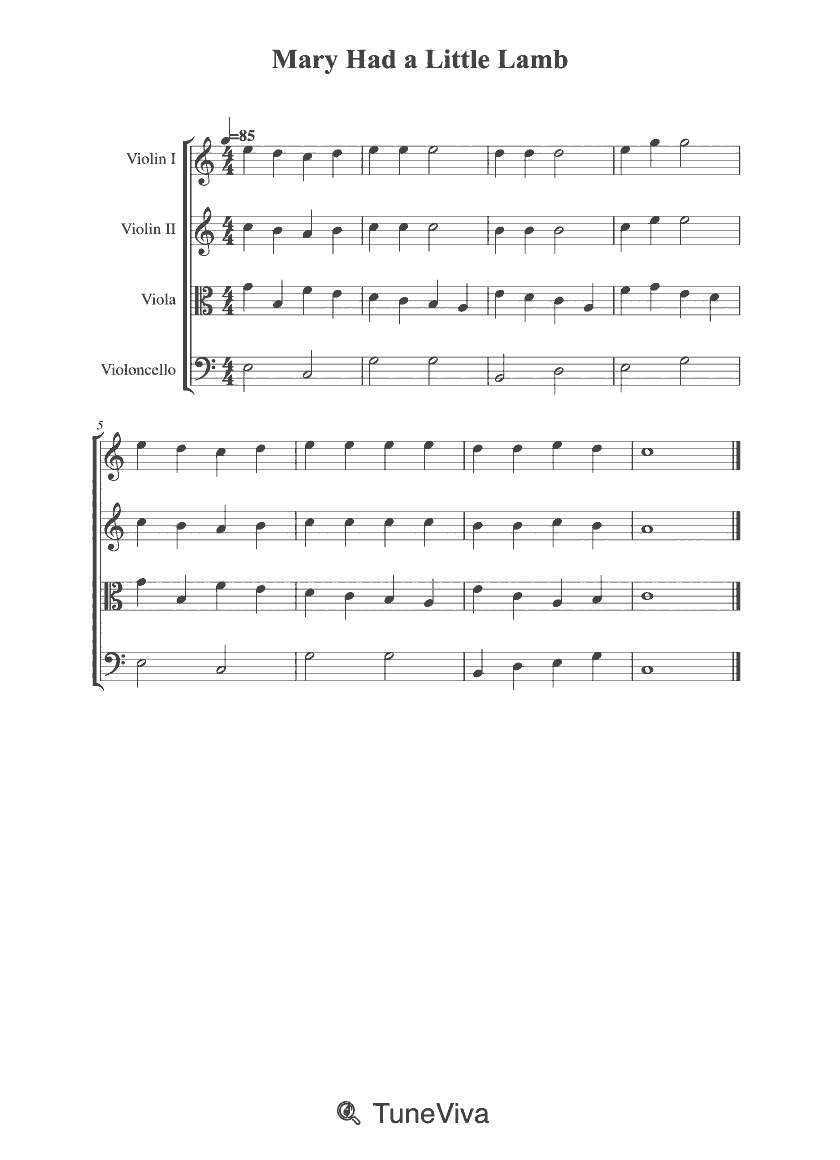
Mason's 1830s setting of the nursery rhyme, written for the singing classes he taught in Boston.
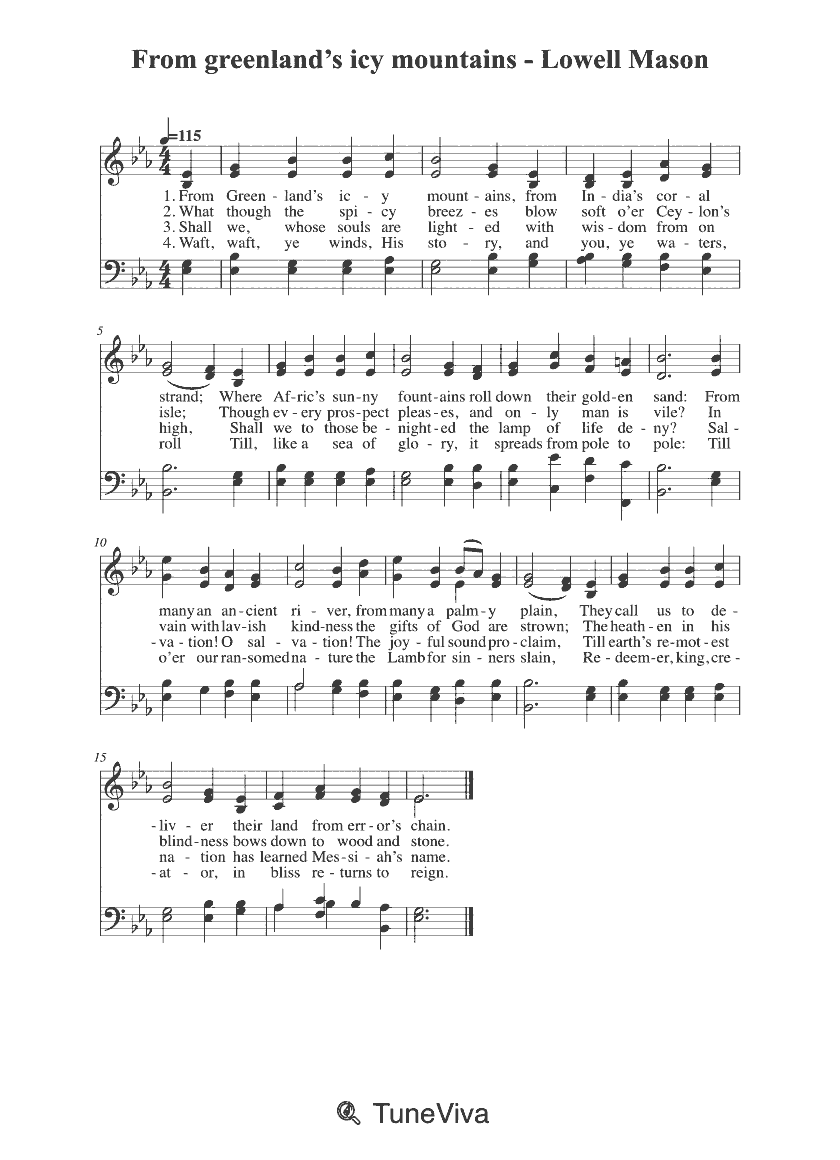
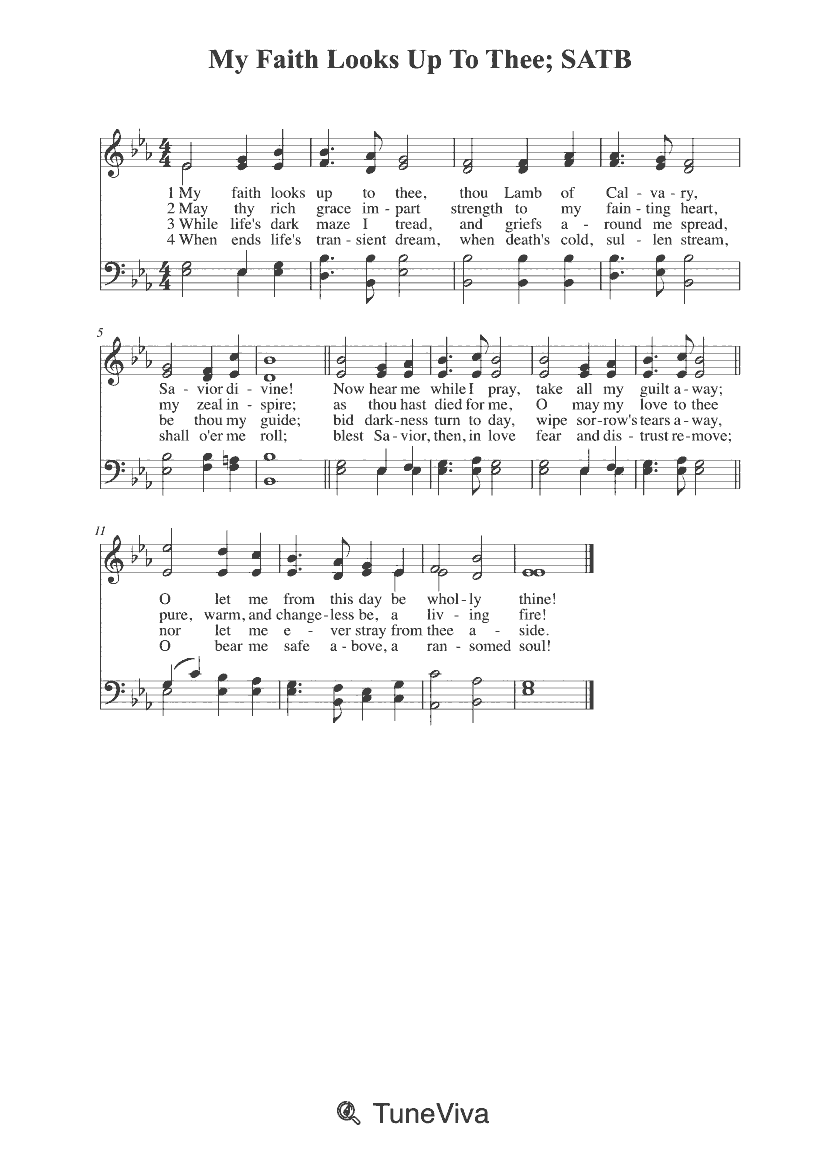
The tune Olivet, composed in 1832 for Ray Palmer's text and issued here in a four-part version.
A consolatory hymn filed under its first line; the catalogue dates the source printing to 1830.
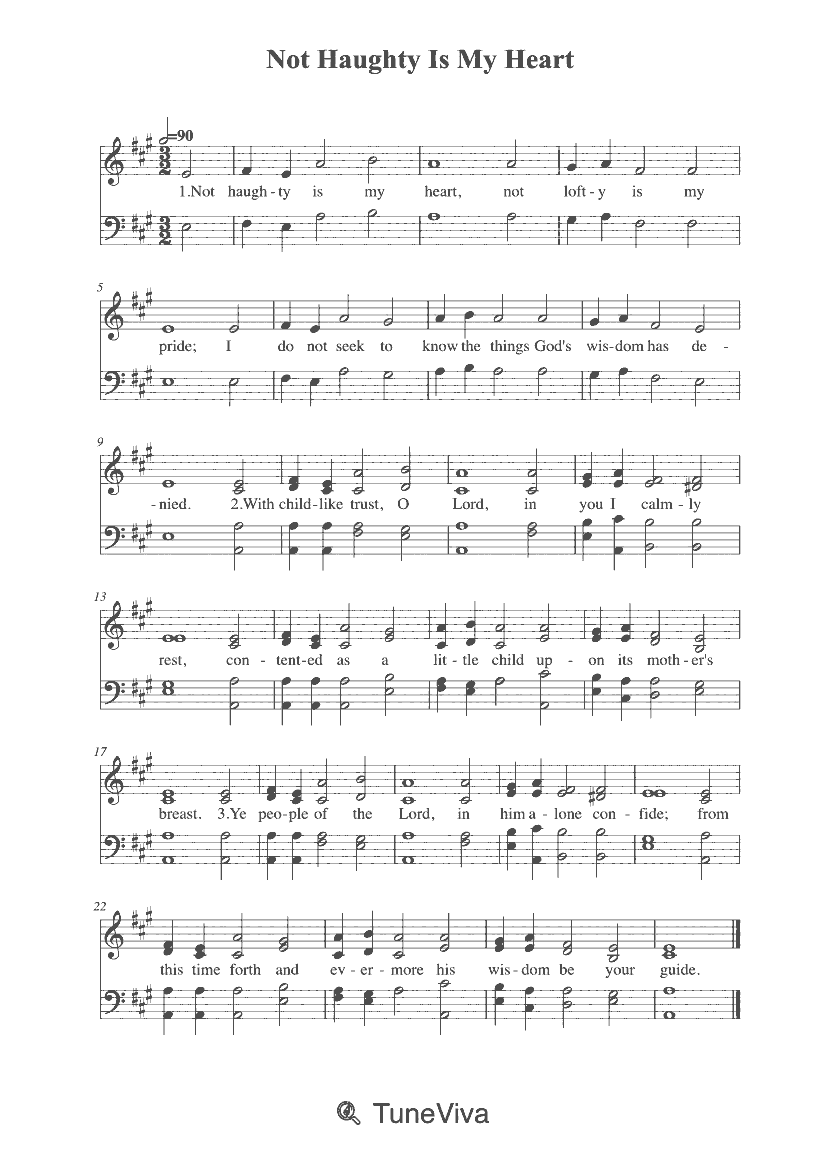
A short devotional hymn filed under its first line rather than a tune name.
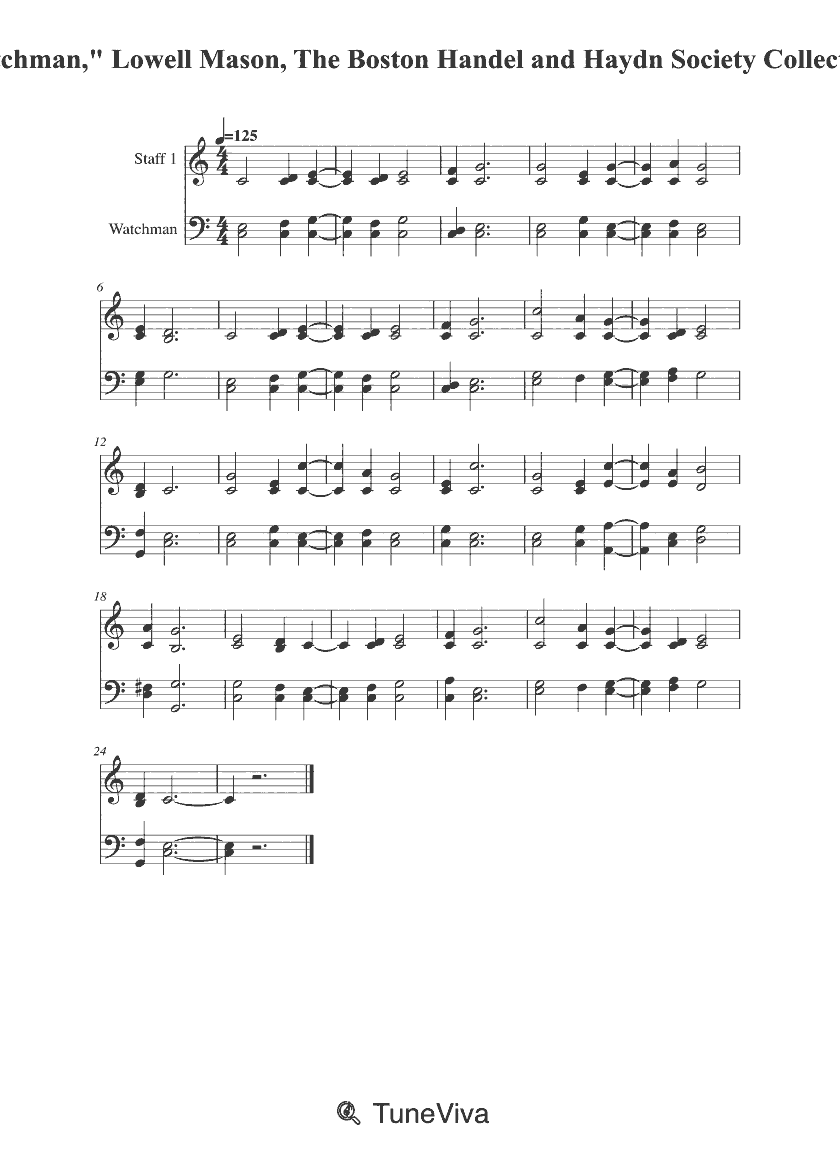
The tune Watchman, dated 1831 in the tenth edition of the Handel and Haydn Society Collection.
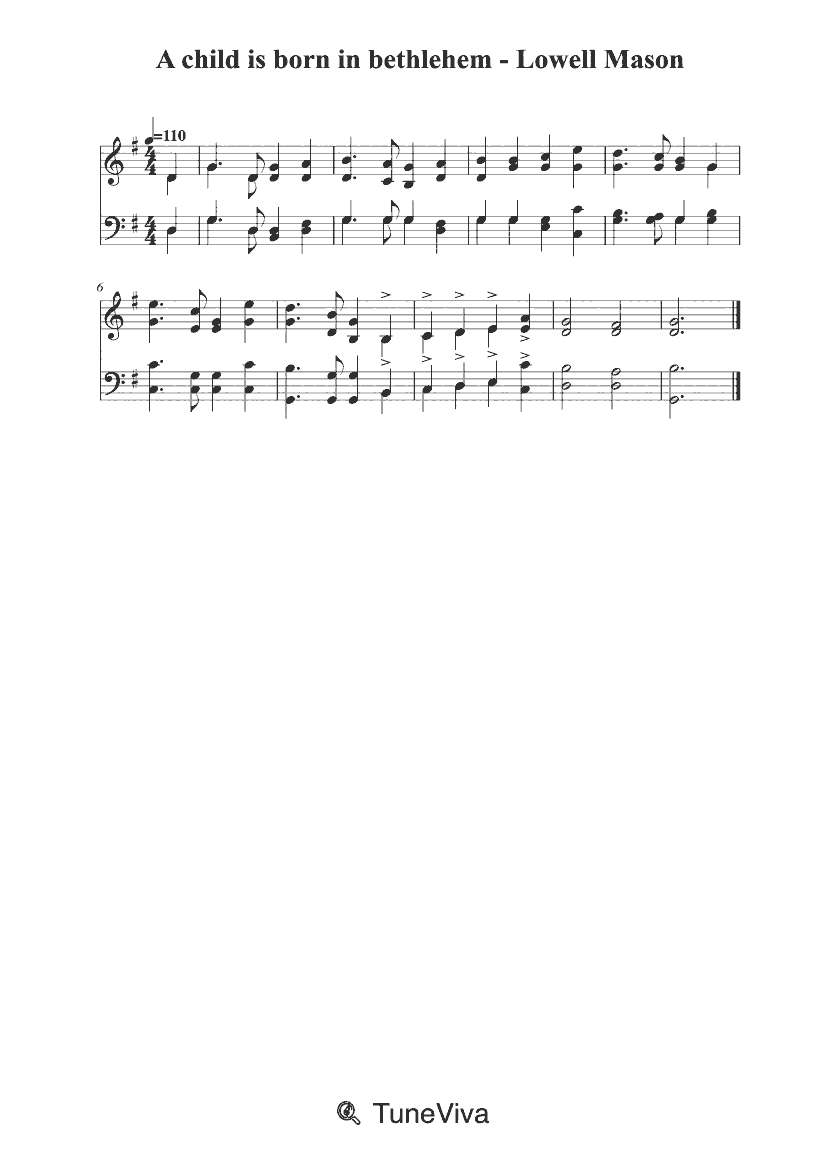
A Christmas hymn from the 1844 group of printings, in the same four-square mould as his other tunes.
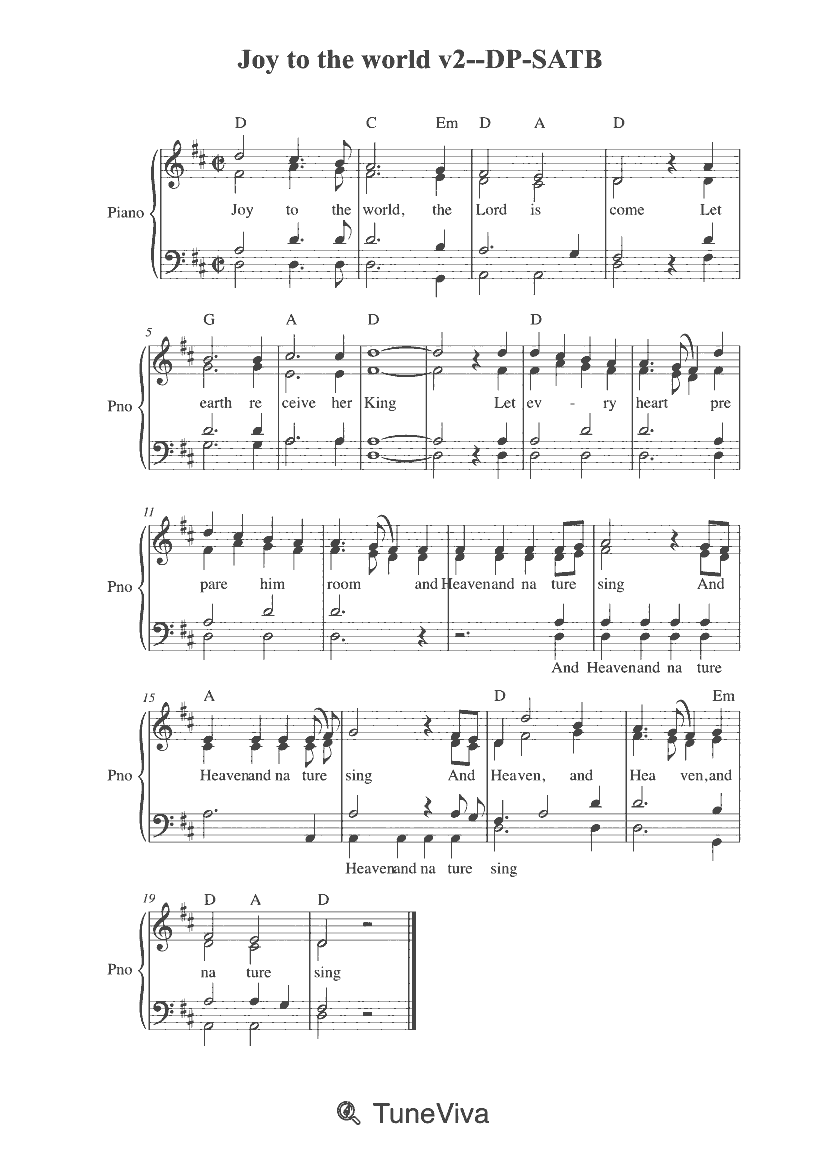
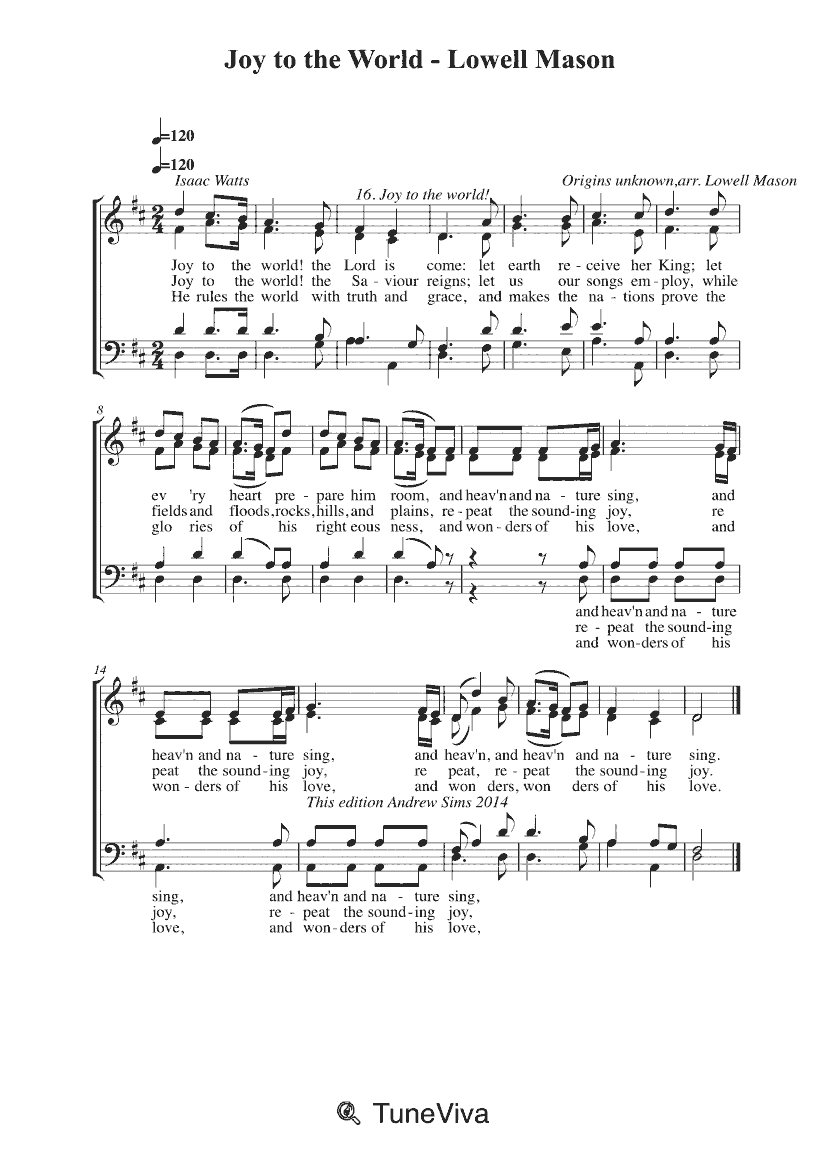
The Antioch arrangement in four parts, the version that made the carol a fixture of American Christmas.
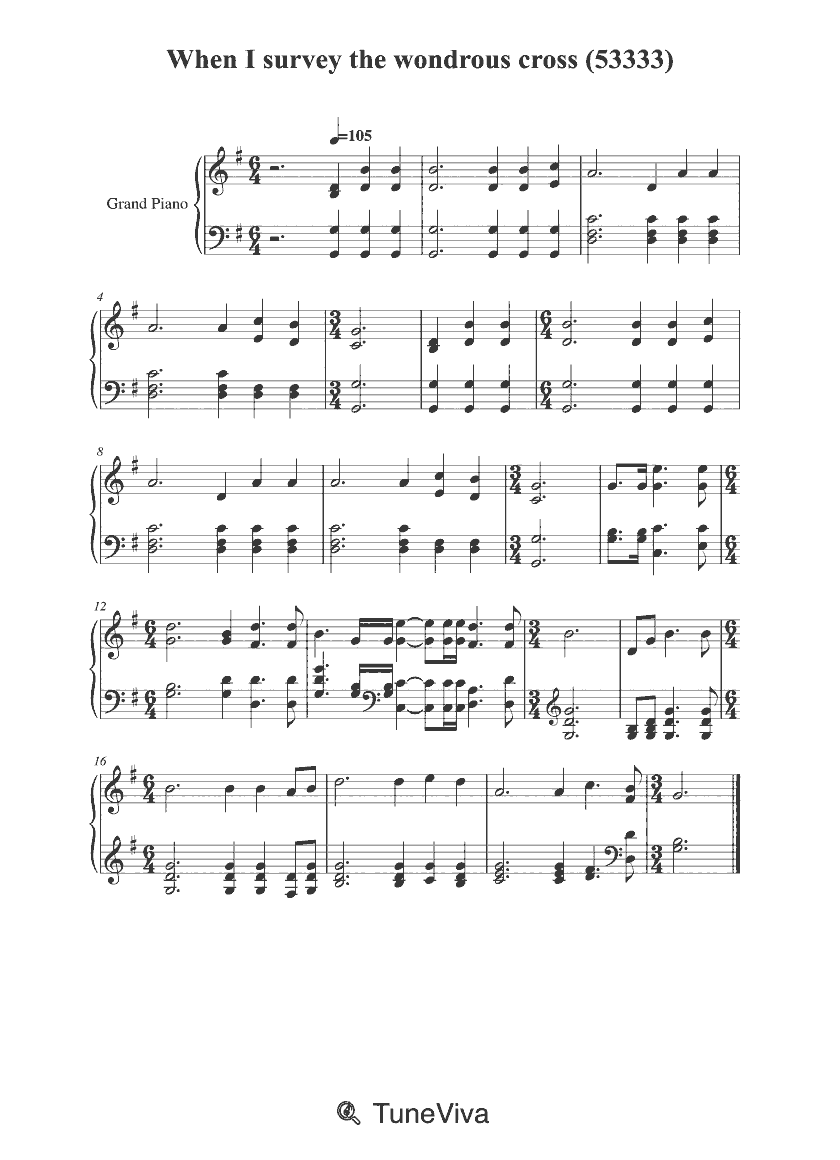
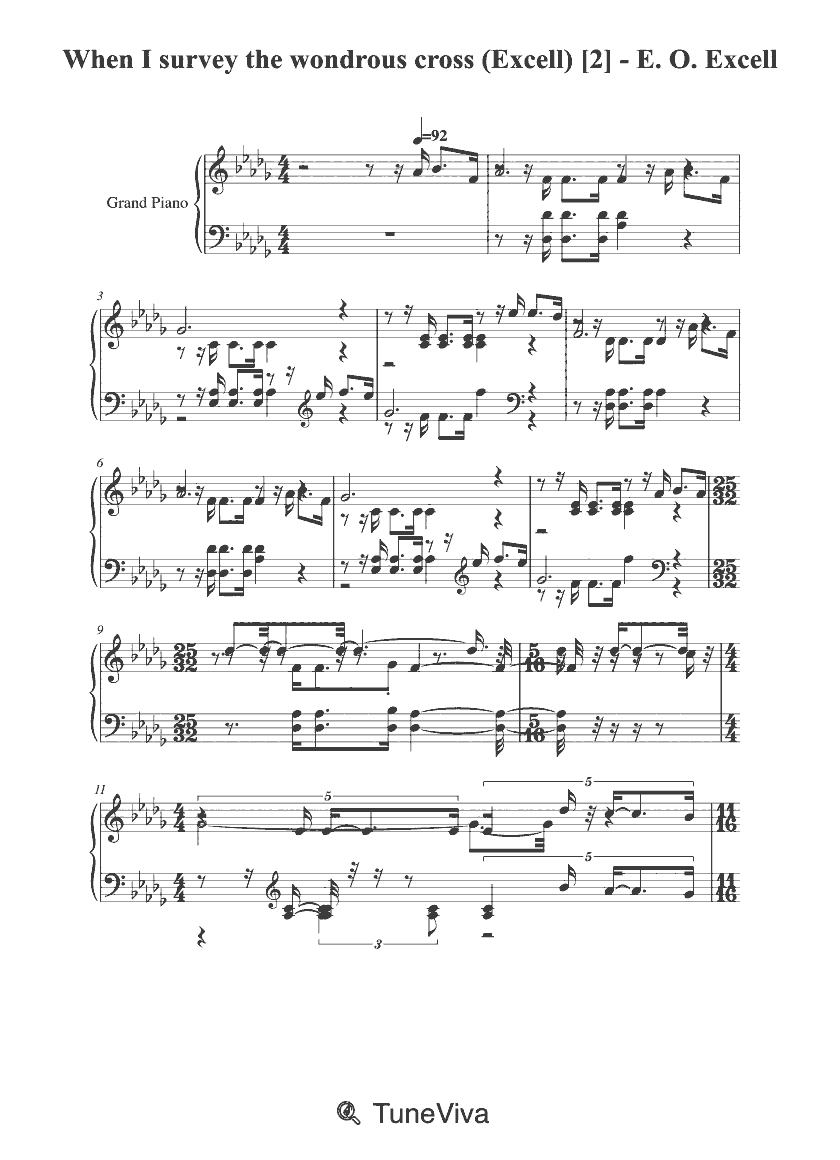
Isaac Watts's hymn sung to Hamburg, the chant-derived tune Mason adapted for congregational use.
A separate catalogue entry for Bethany, a sign of how many duplicate printings of the tune the collection holds.
There are 242 public-domain Mason scores, about 156 minutes of music and 42,641 notated notes.
He wrote the tune Bethany in 1856. The words are Sarah Flower Adams's, written in 1841 and first set by her sister Eliza Flower.
The words are Isaac Watts's. Mason arranged the tune Antioch, printed in 1836 and again in 1848, with an attribution to Handel that scholars now doubt.
Both. He taught in the Boston public schools and was their music superintendent from 1838 to 1841, and he wrote or arranged more than 1,600 hymn tunes.
Catalog editions and arrangements attributed to Lowell Mason.
Titanic
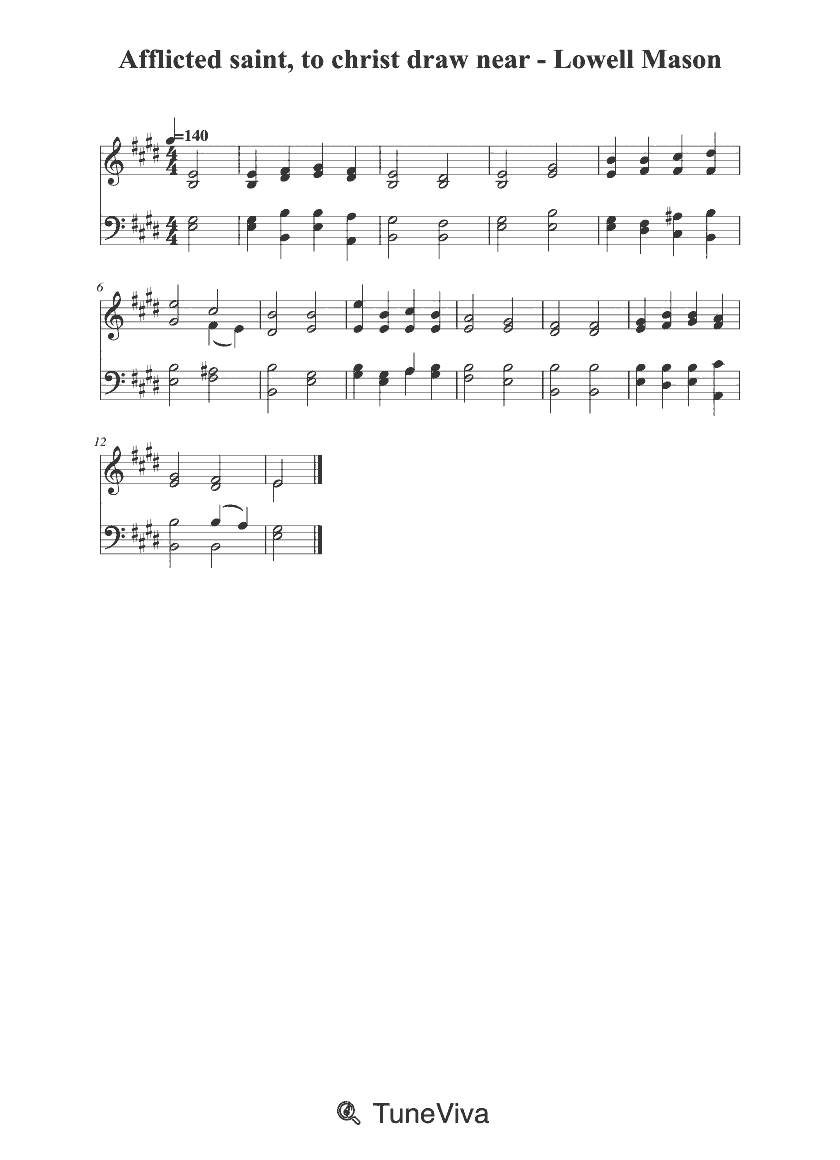
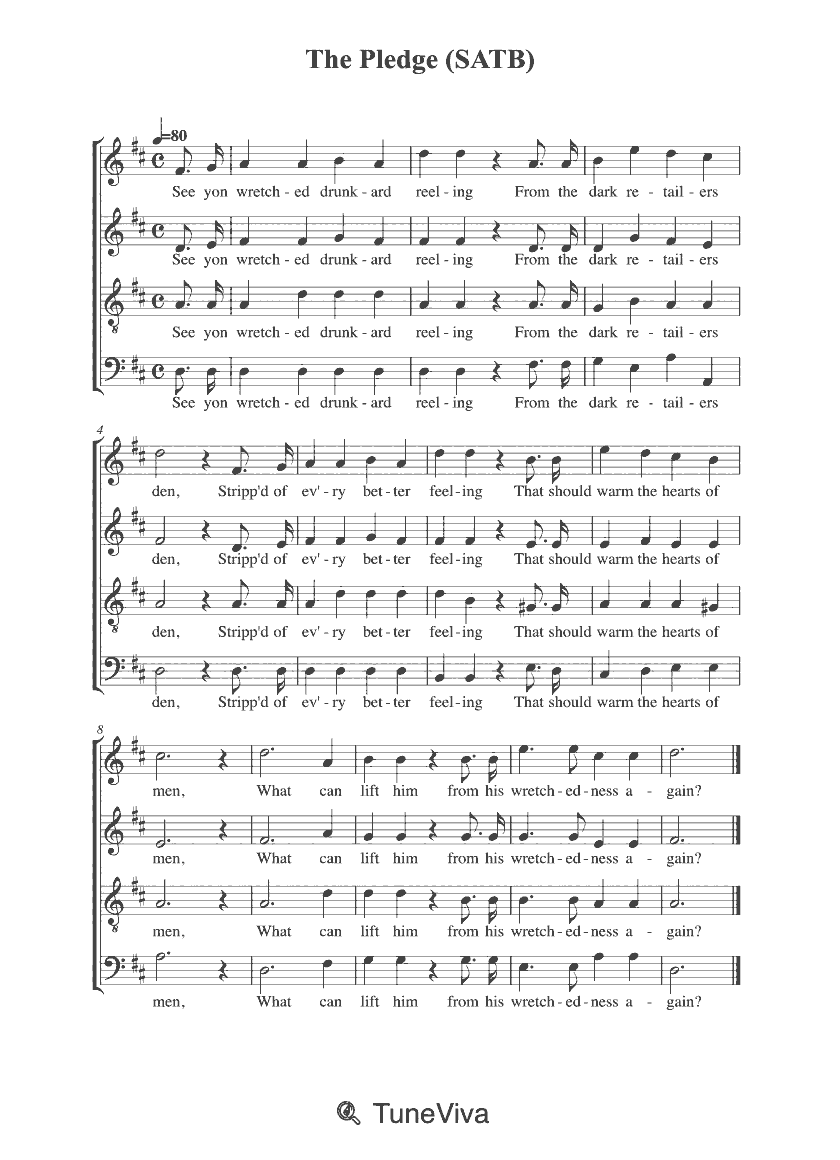
fra Union Temperance Song Book Boston 1859
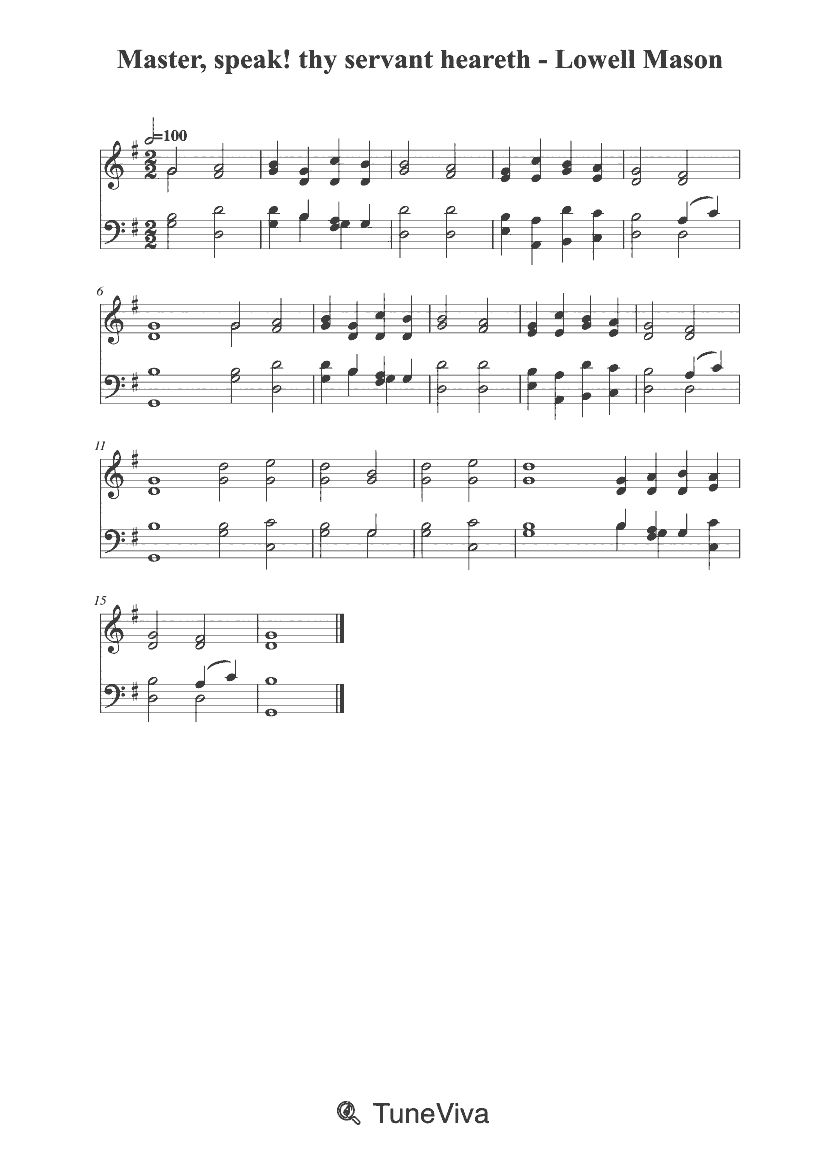
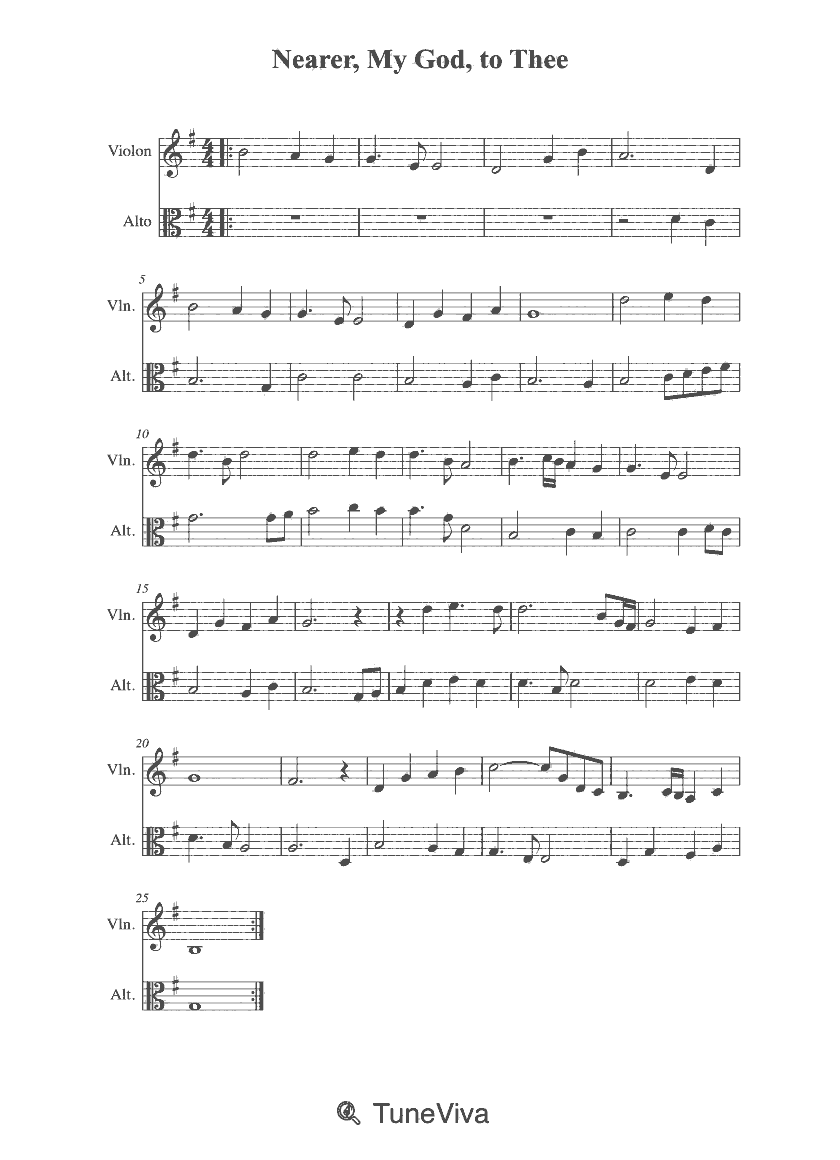
Arranged by Heidi-Jeanne Thibault