classical
2 tracks
Michael Dabney is known by one London publication: Twelve Minuets and Twelve Dances for a Violin, Hautboy and Harpsichord, printed for C. and S. Thompson at St Paul's Church Yard. The catalogue holds 52 scores from it — about 50 minutes of music and 11,904 notated notes, with no lyrics and every entry at complexity index 0.
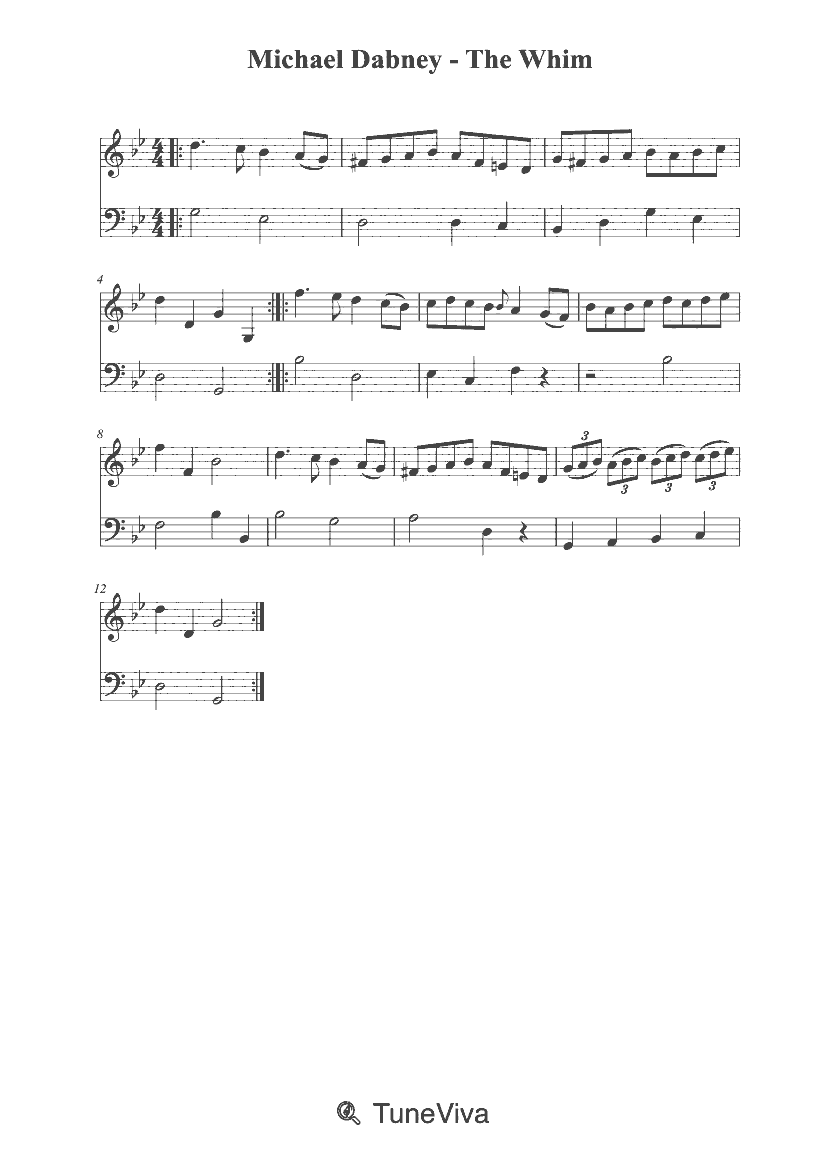
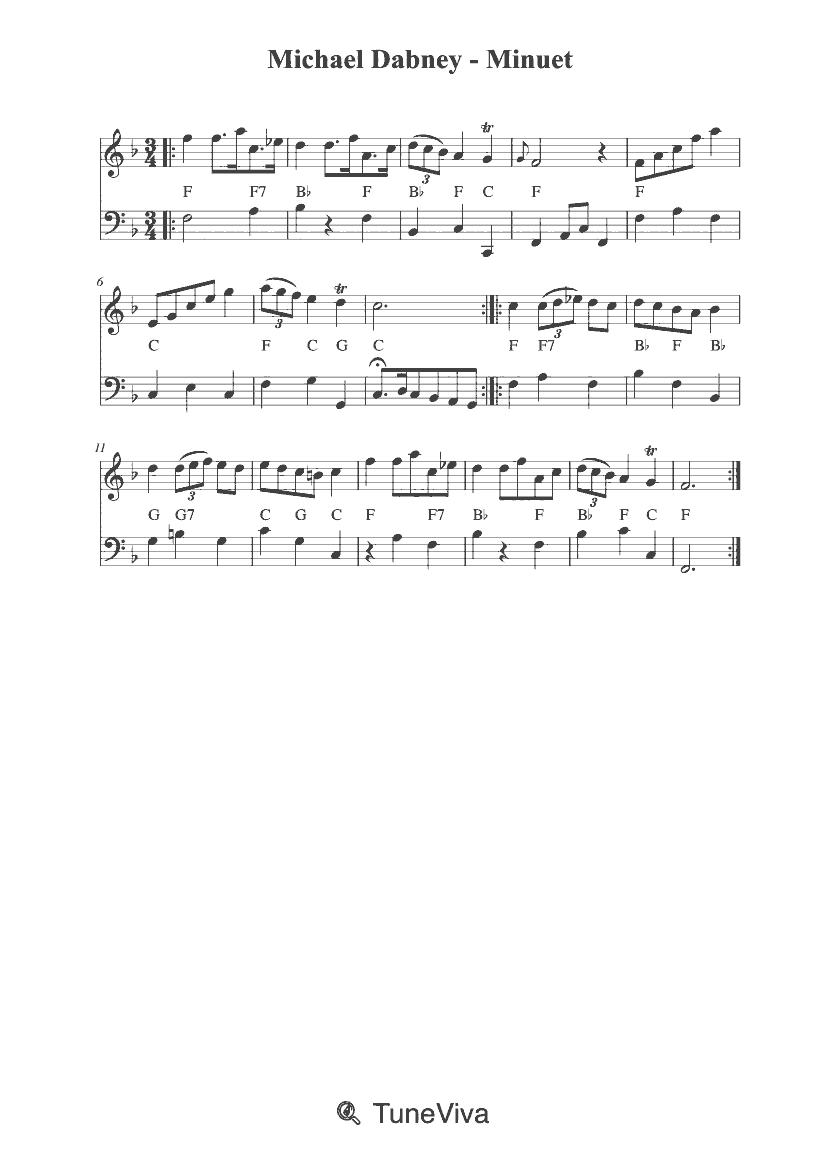
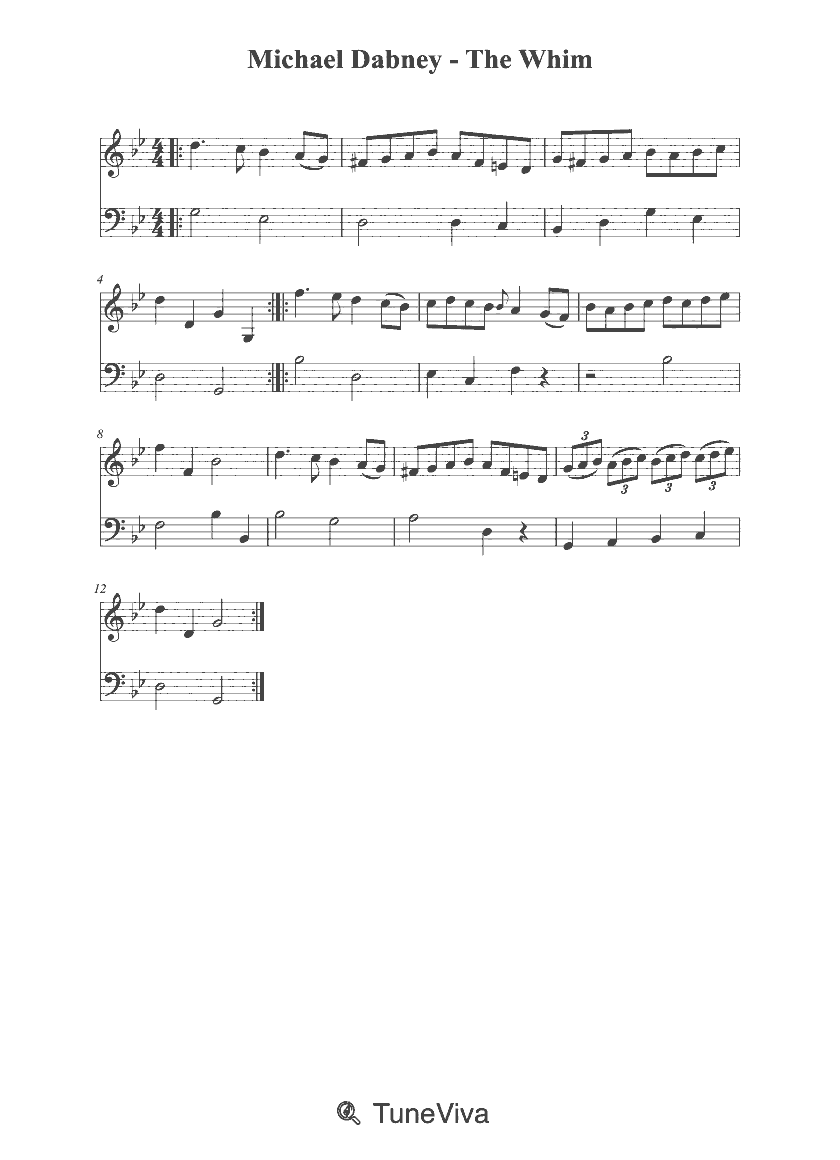
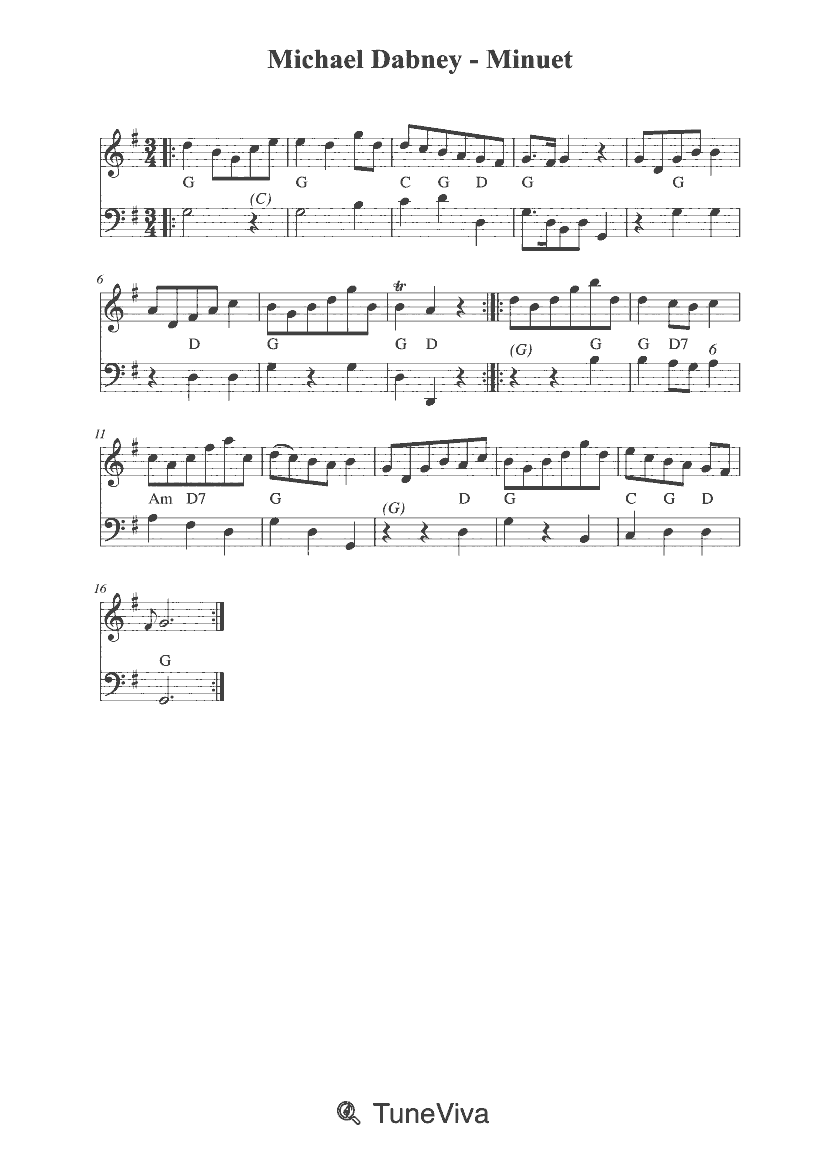
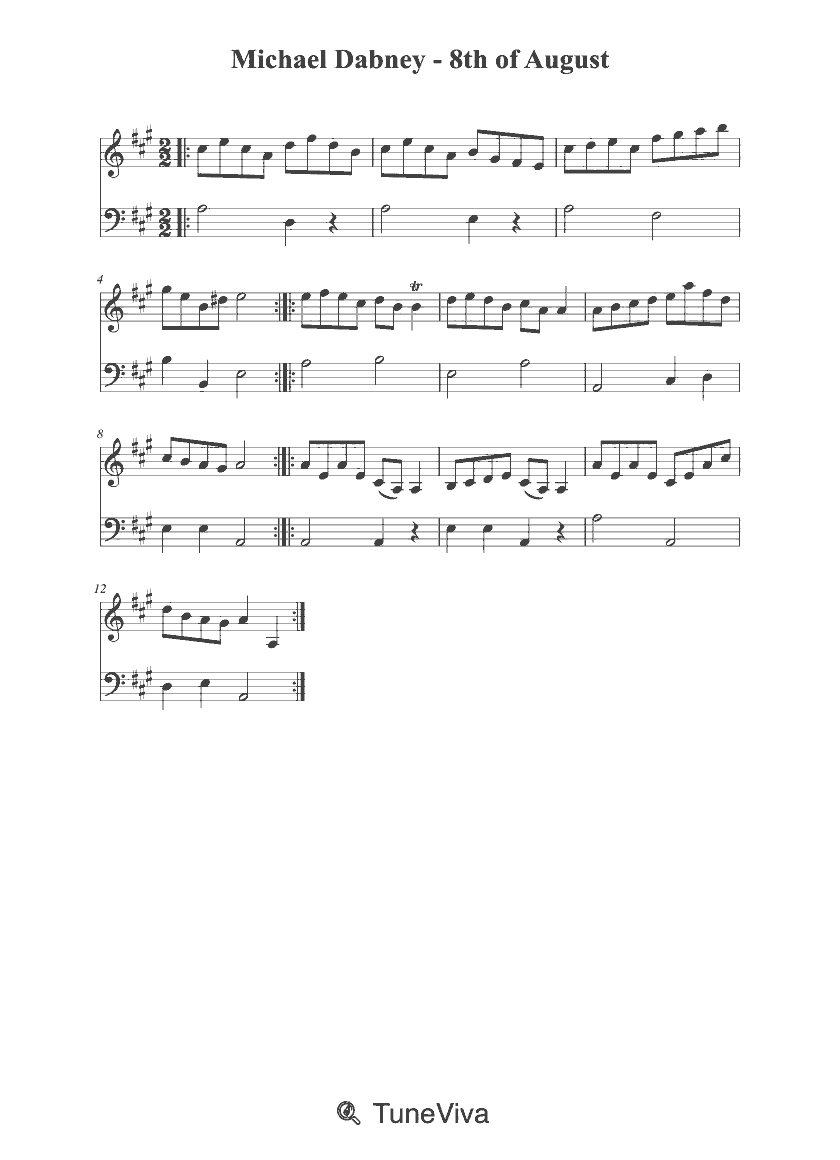
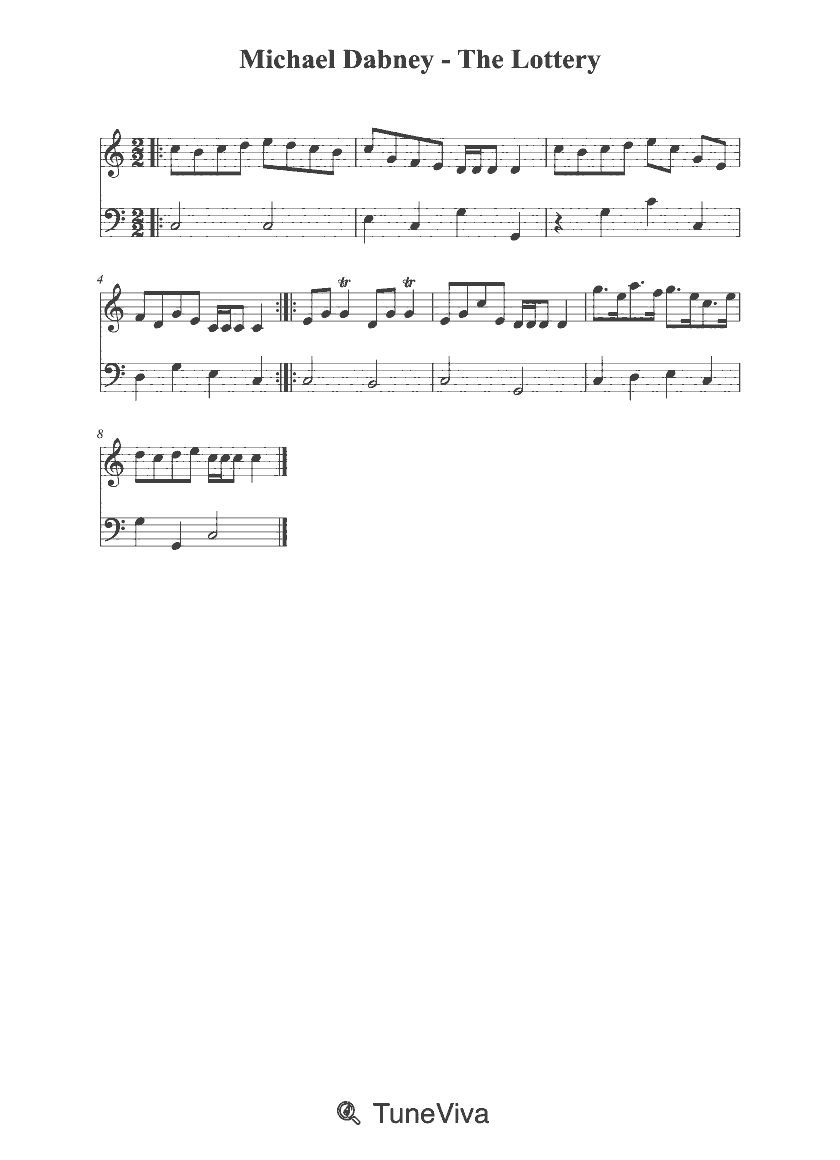
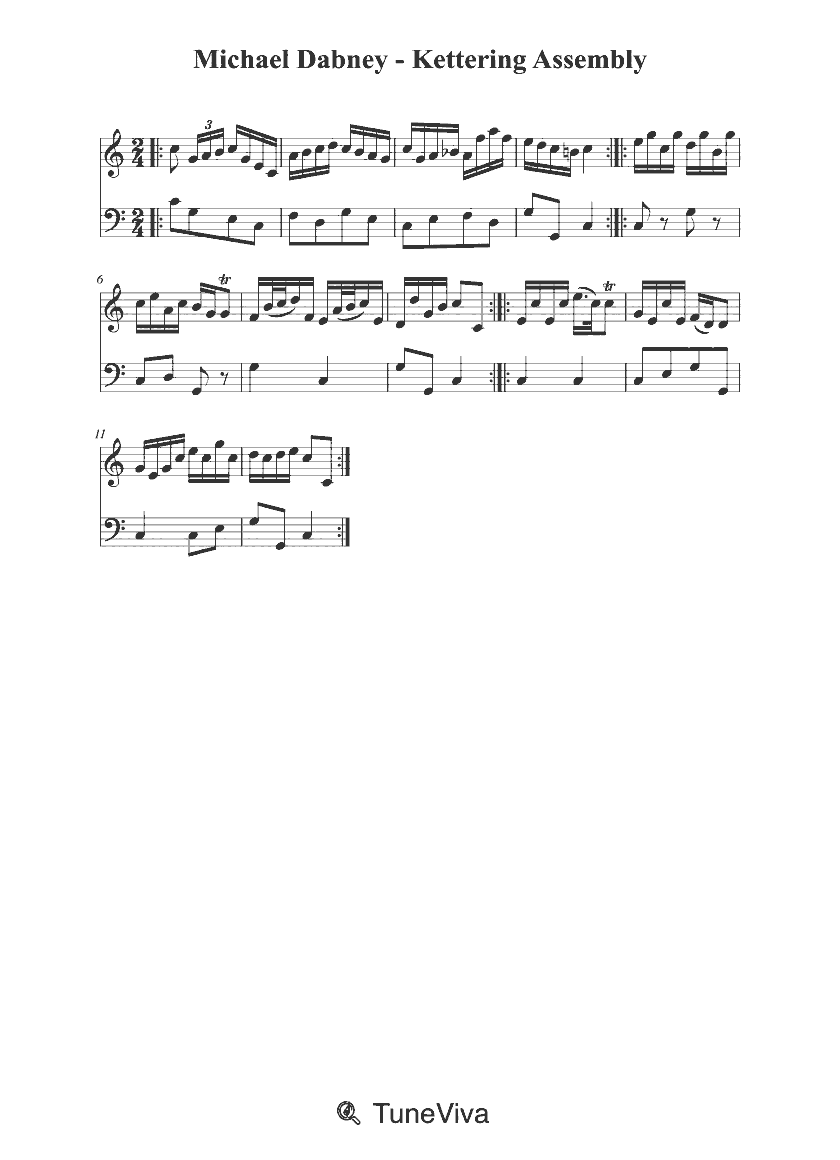
Because the print calls each of its twelve minuets simply 'Minuet', the catalogue has seven entries with that title and no way to tell them apart. The named pieces come from the dance half of the book: Kettering Assembly, The Lottery, The Cricket, The Mercury, Barnet Fair and The Whim. Every title carries a 'Michael Dabney - ' prefix, and the whole page runs to under an hour.
Almost nothing is recorded of Dabney beyond his title page, which styles him 'of Northampton'. The book itself is Twelve Minuets and Twelve Dances for a Violin, Hautboy and Harpsichord, printed in London for Charles and Samuel Thompson at No. 75 St Paul's Church Yard. The Sibley Music Library at Rochester dates its copy to 1760; IMSLP gives about 1770. A modern transcription of the collection describes him as a dance teacher and musician of the second half of the eighteenth century, which is about as far as the evidence goes.
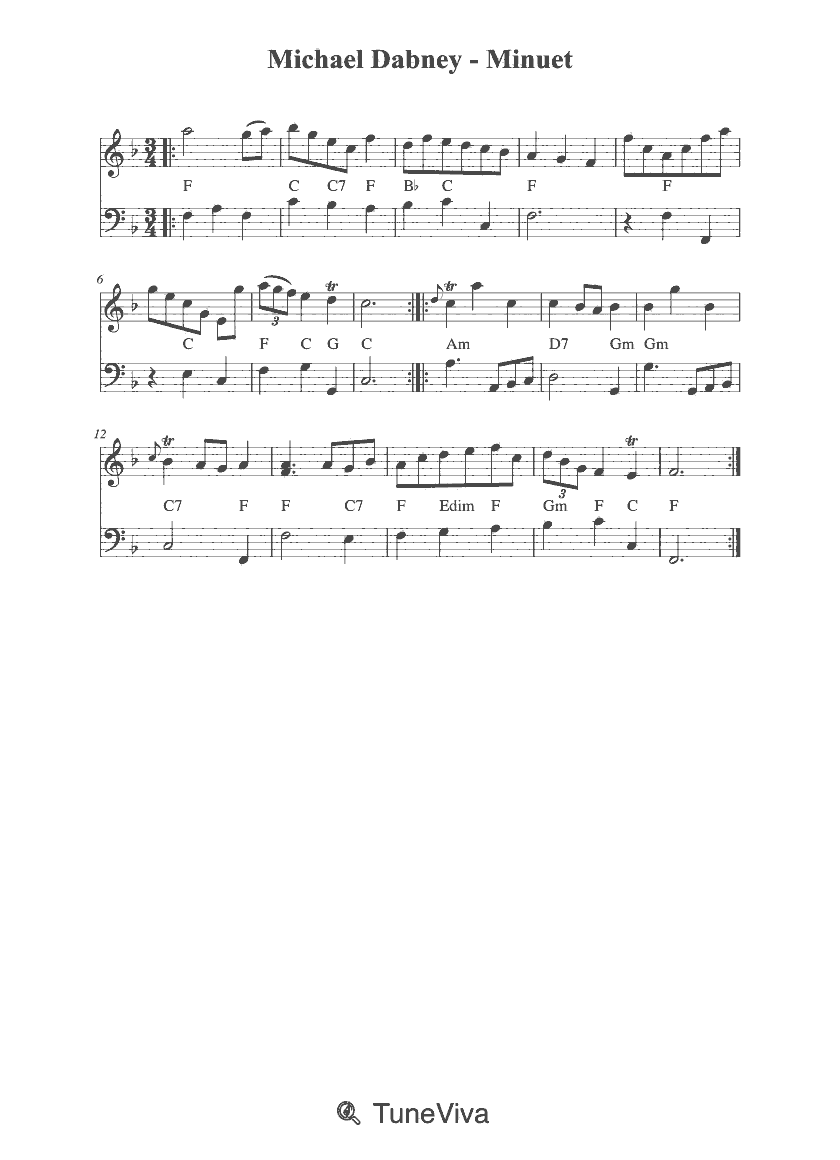
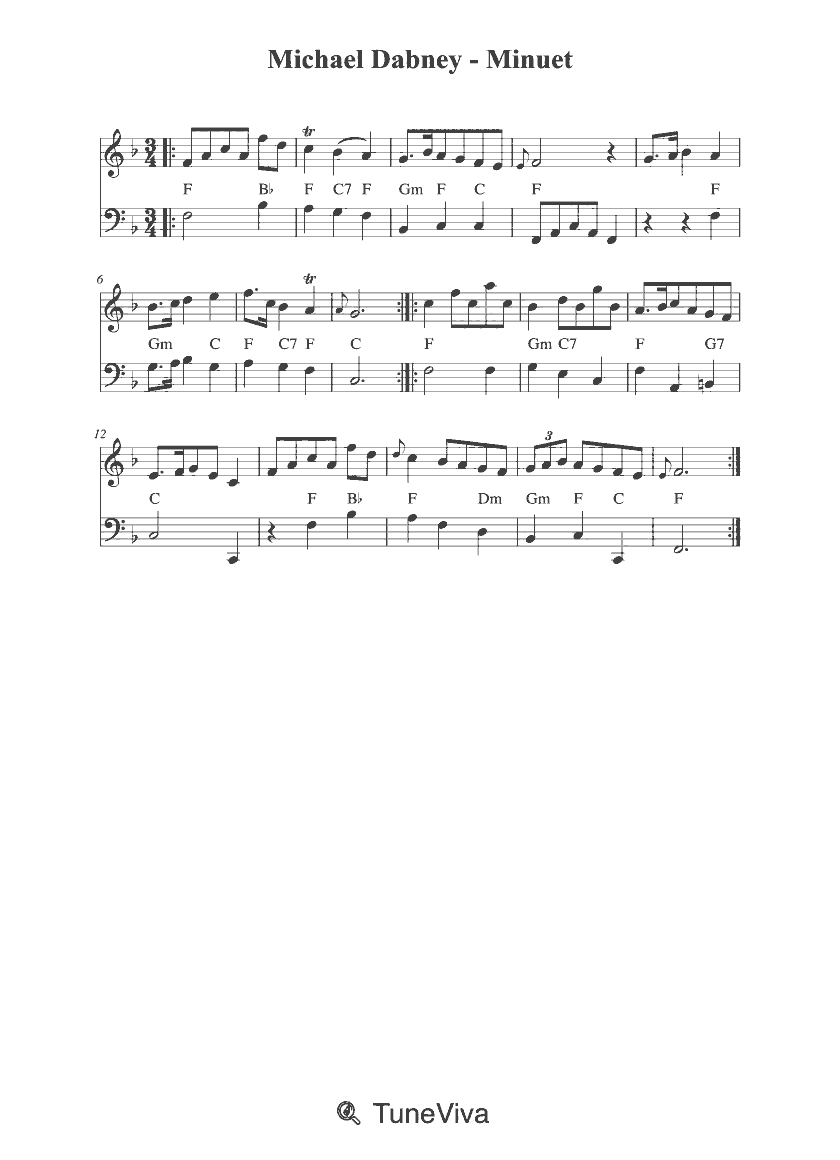
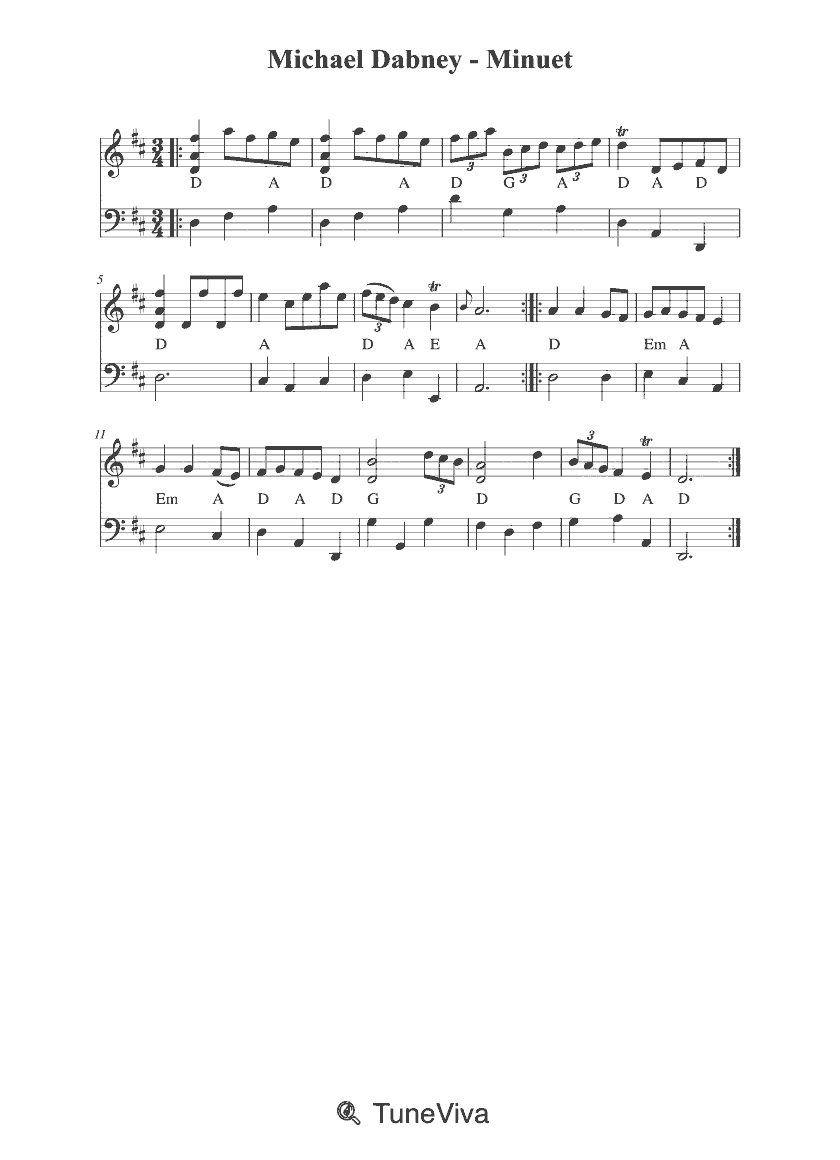
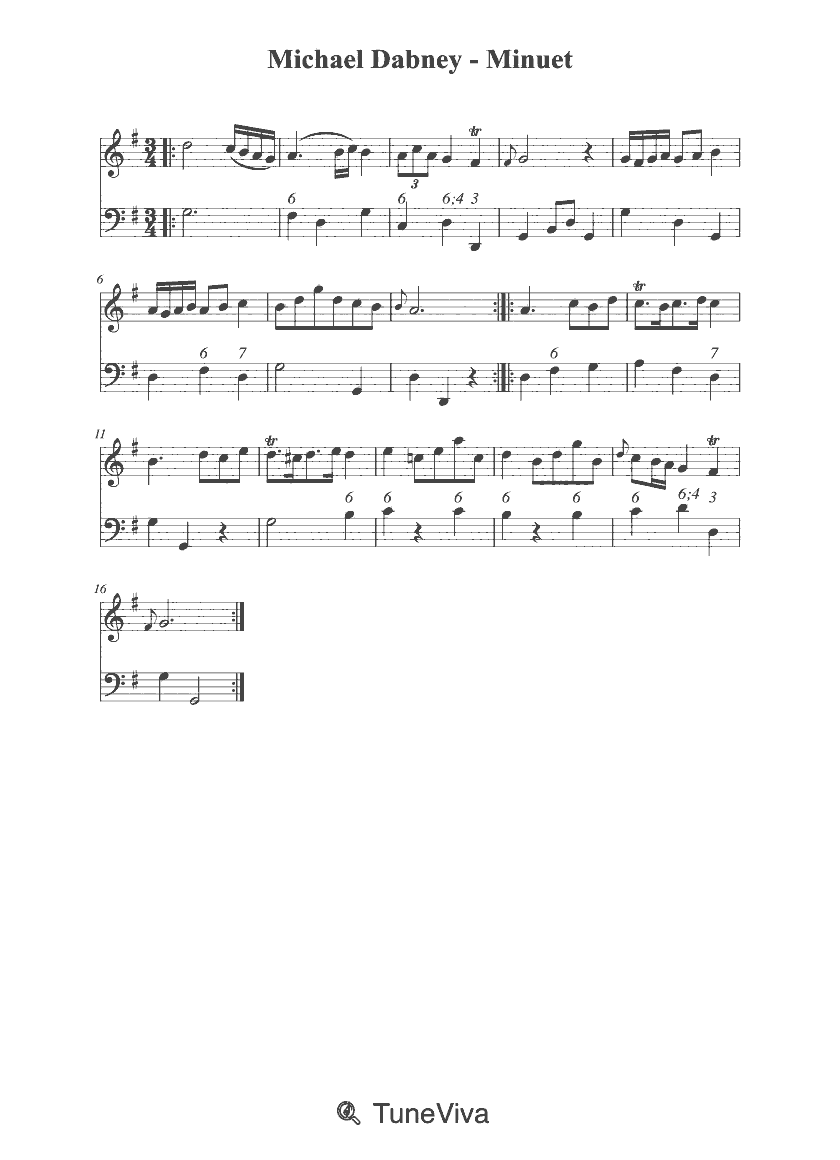
This is a working dance collection rather than a concert set. Each of the twelve country dances is followed by its figures — 'Right hands across quite round', 'cast off two couples', 'lead up the middle to the top' — so the tunes were made to be played for dancing, by a small band of violin, oboe and harpsichord, with the figured bass left for the keyboard player to realise. The minuets on pages 1 to 6 are headed simply 'Minuet' and carry no titles at all; the dances on pages 7 to 12 have names such as Kettering Assembly, The Mercury and Barnet Fair.
The catalogue's 52 entries sit squarely inside that print, and its shape explains the oddities. Seven entries are called Minuet because the book's minuets are untitled, two are called The Whim, and every title repeats the composer's name. Nothing in the catalogue records an instrumentation, so it is not clear whether these files give the full three-part texture of 1760 or a reduction of it.
Play these as dance music, not as chamber music: a clear downbeat, a firm bass, and repeats that keep the feet moving. The minuets want a graceful, unhurried three-in-a-bar with the cadence prepared rather than underlined, and the reels want the opposite — light, even quavers and no rallentando at the end of a strain, because the dancers need the next phrase to start on time. The oboe carries the tune; on the violin, keep the tone narrow so the harpsichord's right hand reads as a second voice rather than a wash.
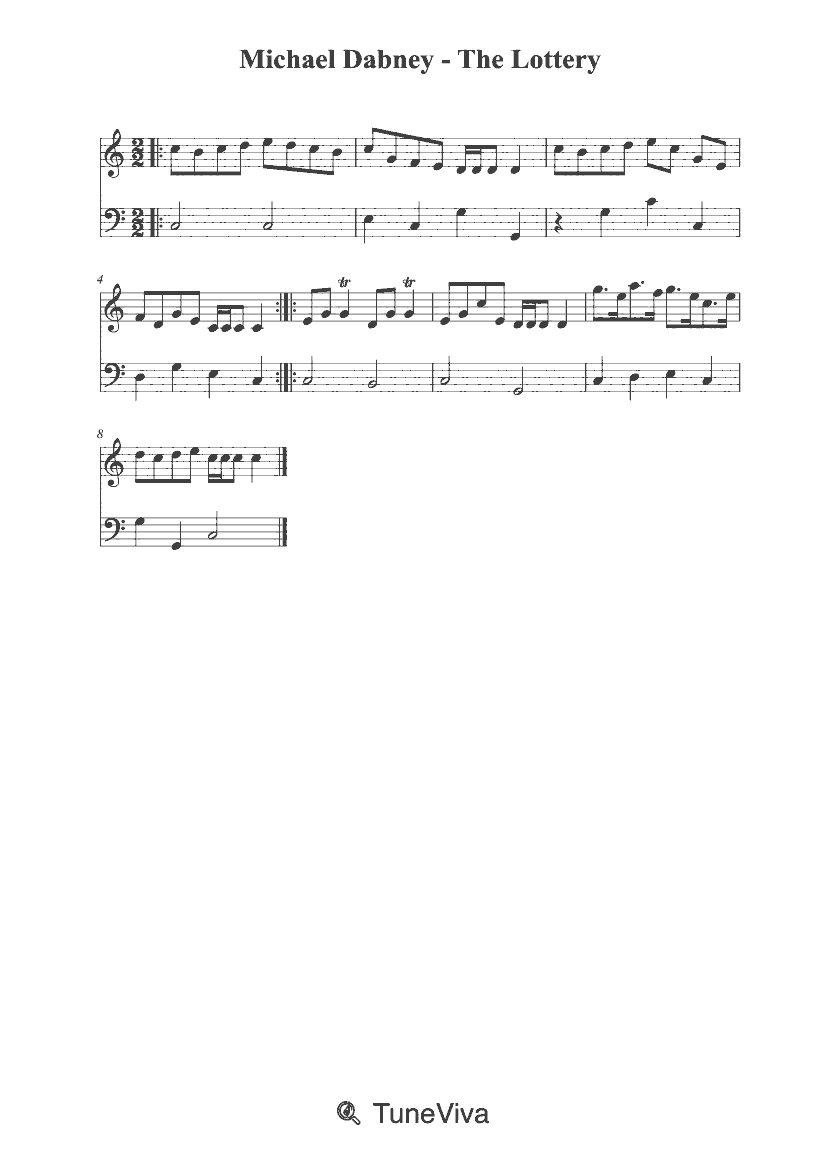
The most-viewed piece on the page and the first of the twelve dances in the print (page 7), with figures beginning 'Right hands across quite round'.
A reel from page 10 of the collection, whose second strain has an opening repeat but no closing one in the source.
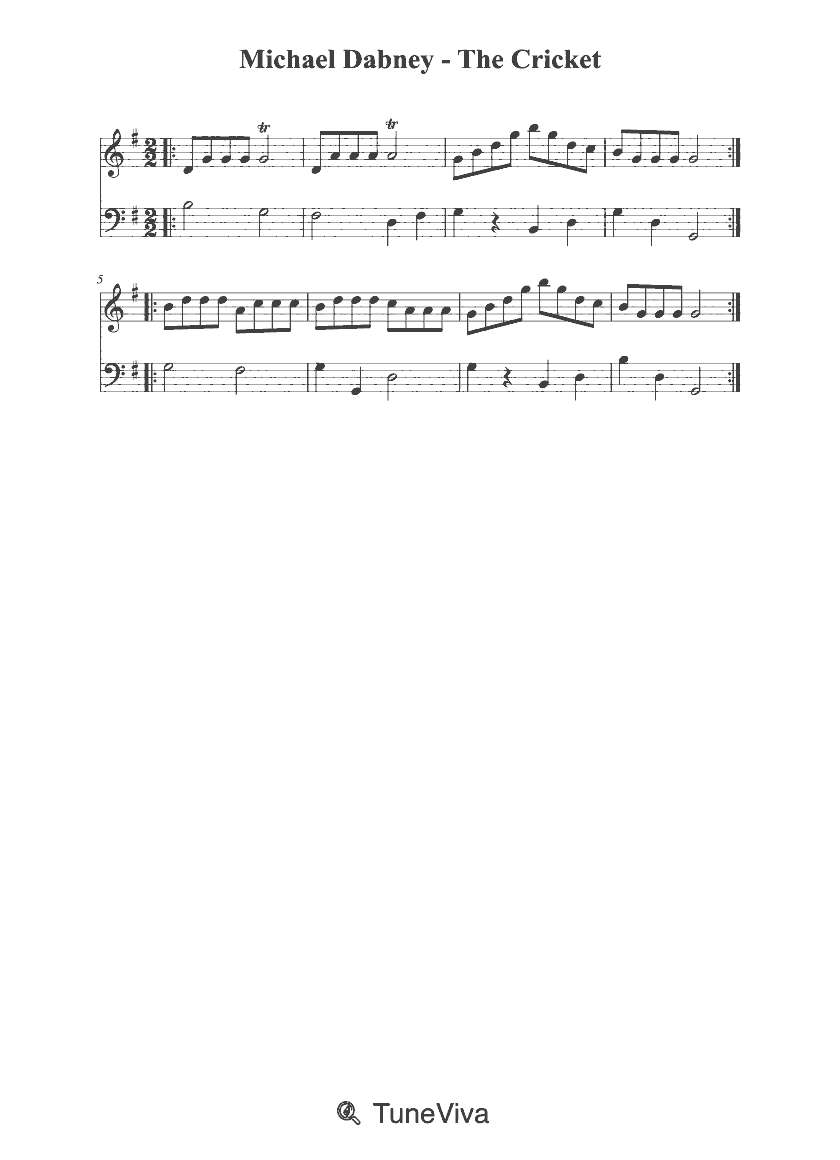
Page 11, a reel in G: cast down two couples, up the middle and hands four with the third couple.
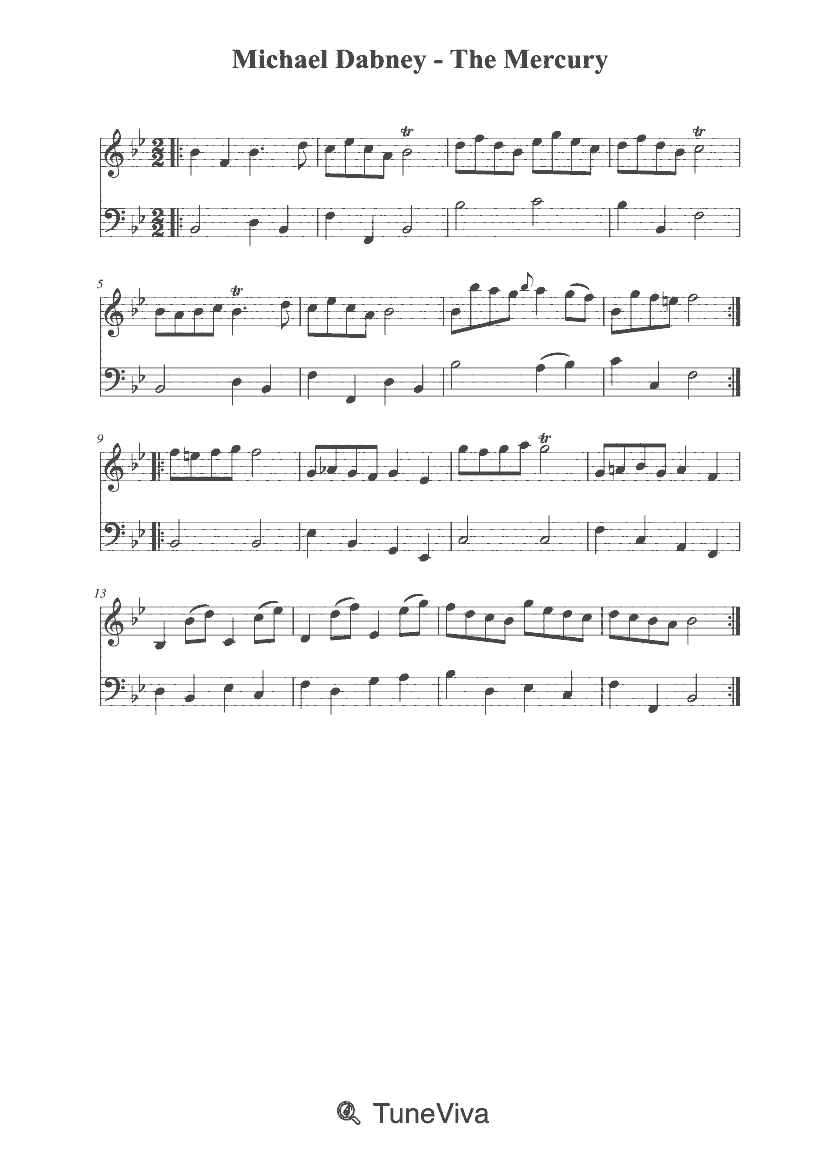
Page 8, in B flat; right and left half round, right hands across, then cast off and right and left at top.
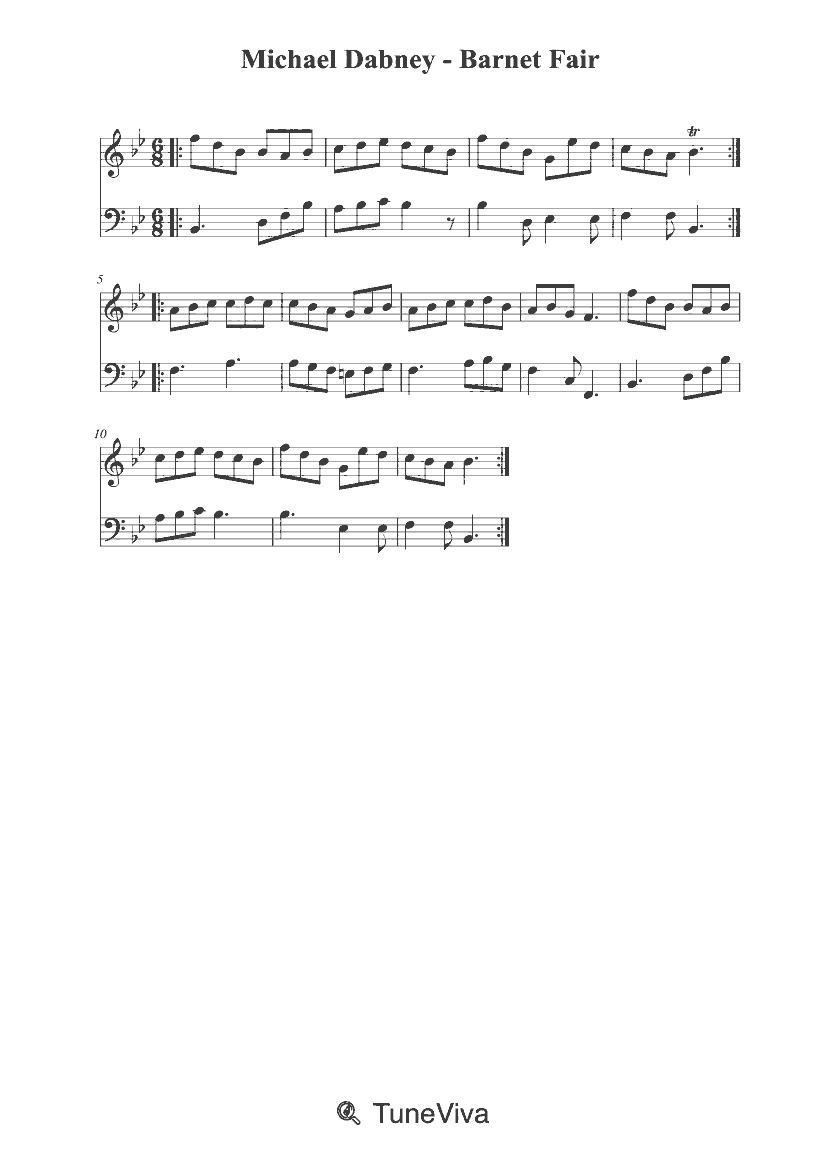
The last tune in the book, page 12, and the only jig among the dances — 6/8 rather than the prevailing cut time.
Page 9; the catalogue carries it twice, and nothing in the two titles distinguishes the files.
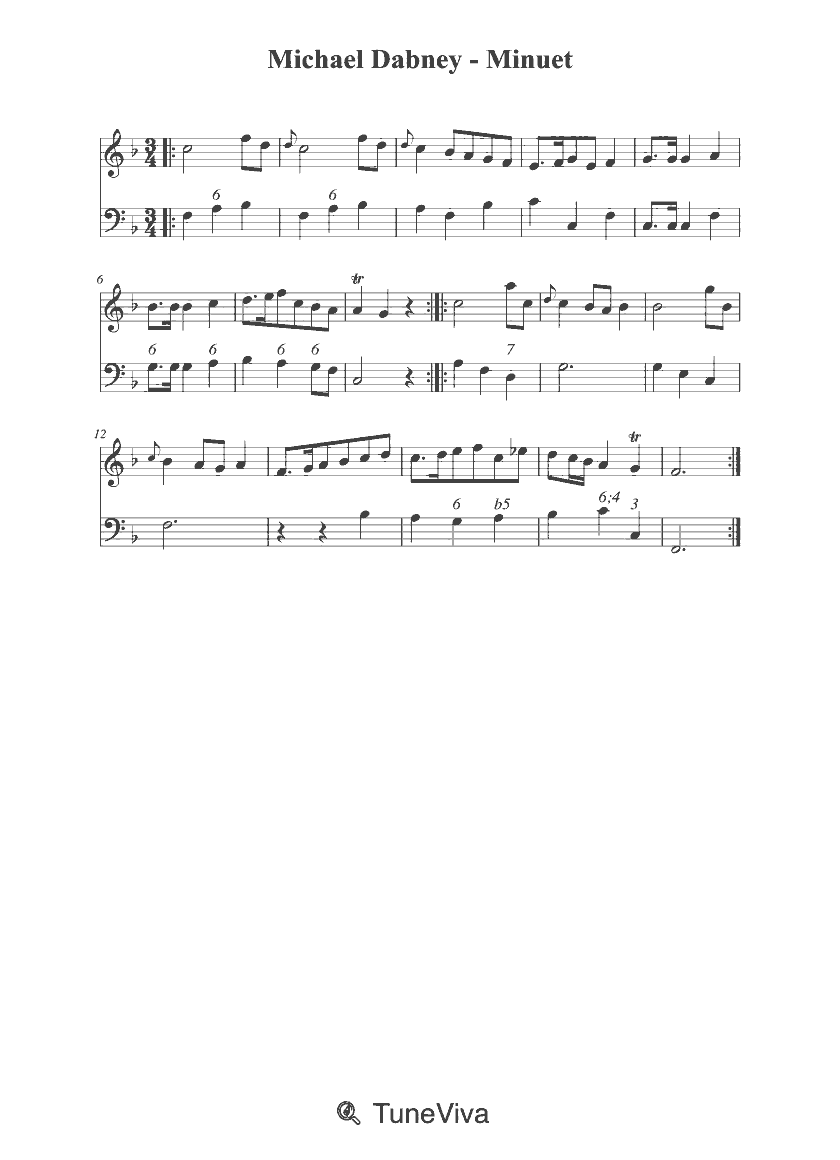
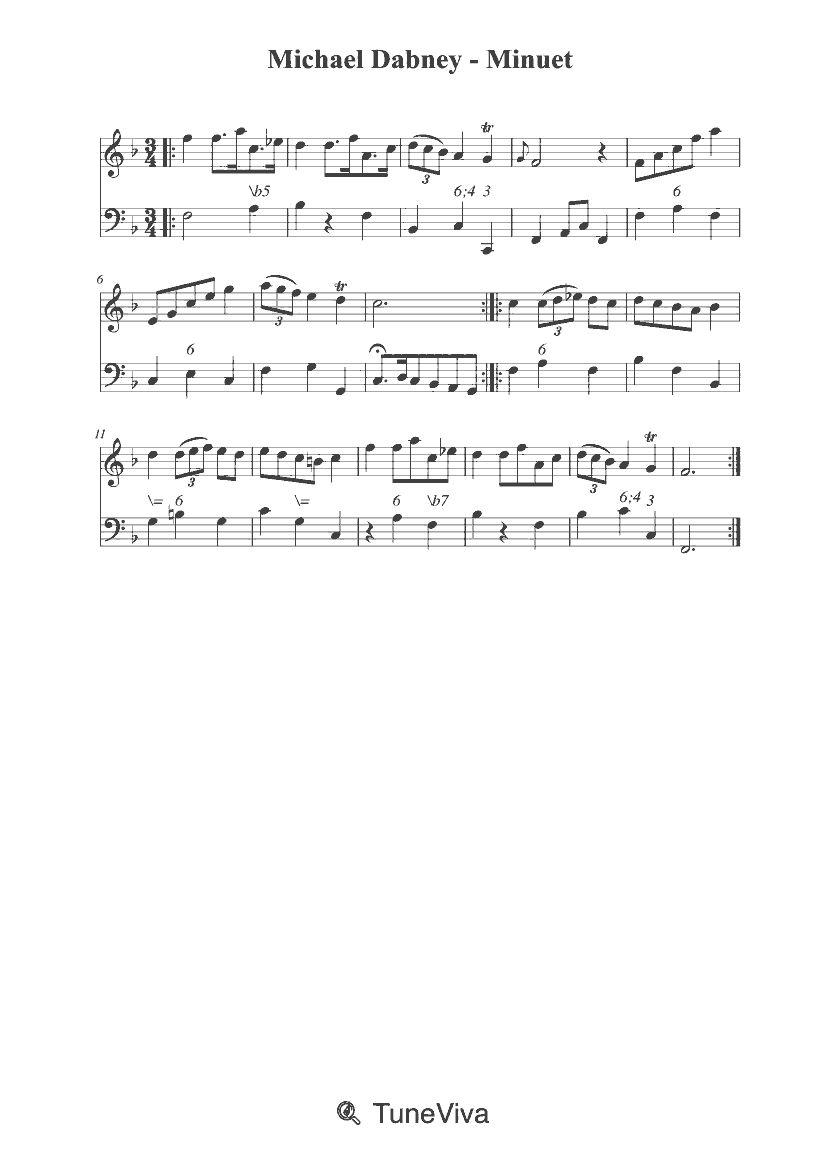
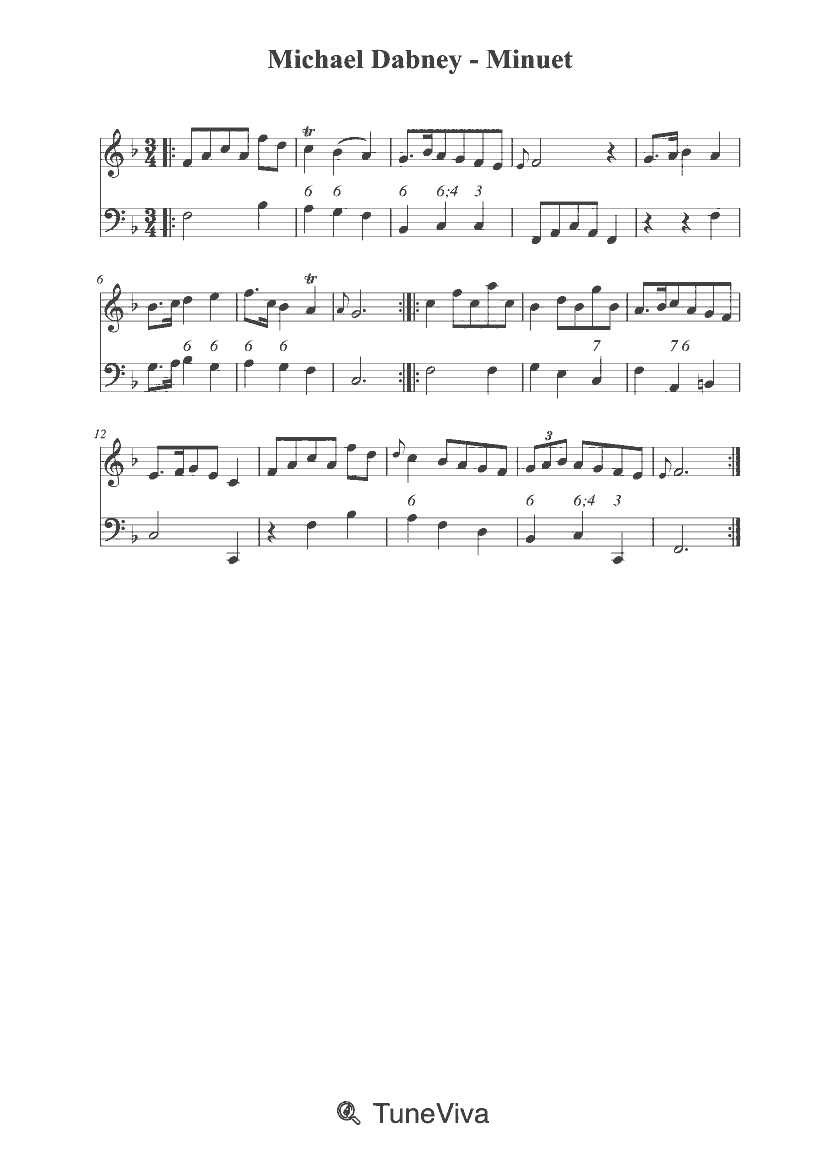
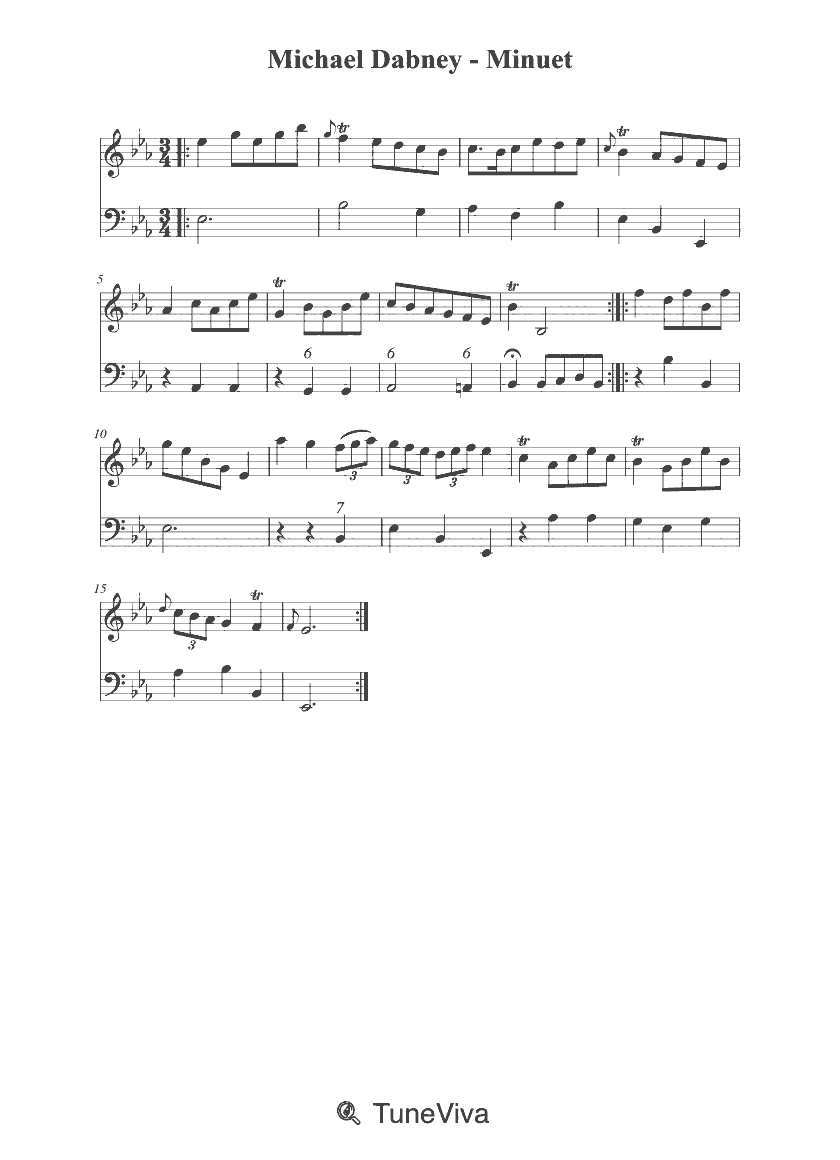
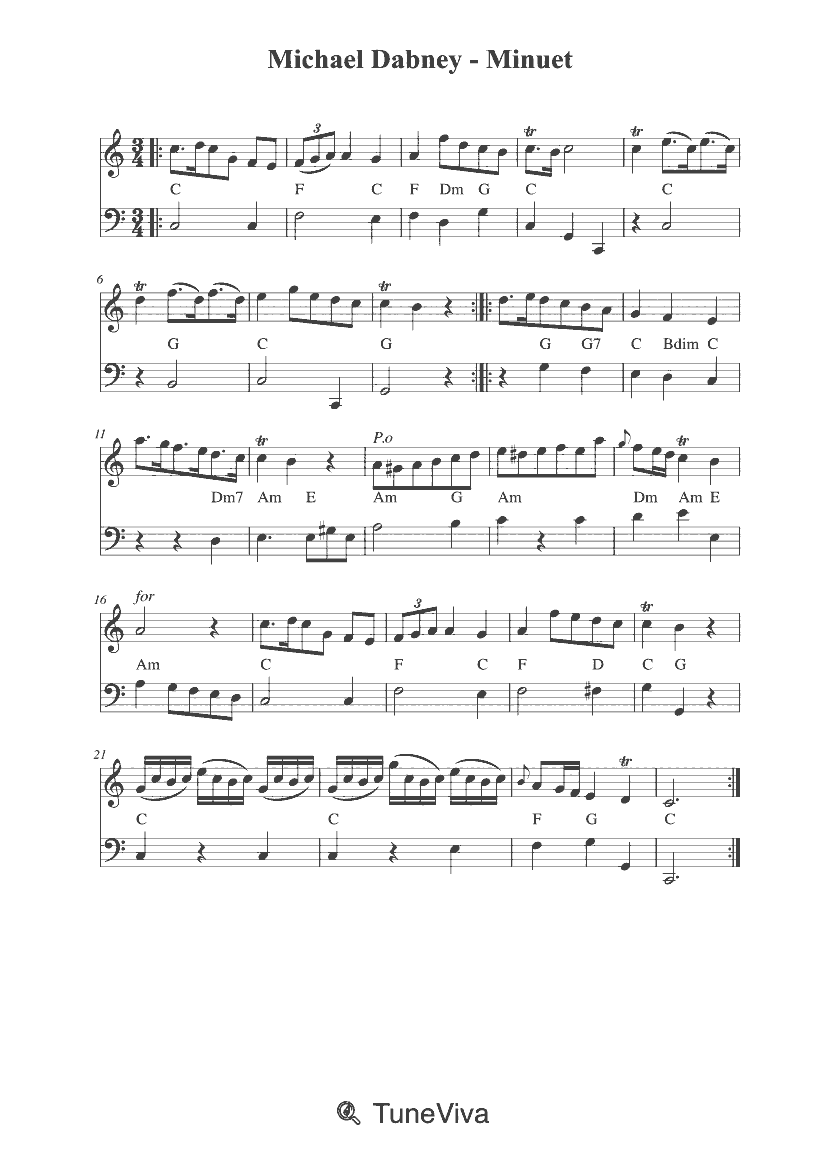
One of the twelve minuets on pages 1 to 6, all of them headed only 'Minuet'; with no key or page in the title it cannot be matched to a specific piece.
Another of the untitled minuets. The seven Minuet entries are presumably different pieces from the set of twelve, but the titles offer no way to check.
An eighteenth-century English dance teacher and musician, known only from the title page of his London collection, which calls him 'of Northampton'. No birth or death dates appear in the sources consulted.
Because the print's twelve minuets are all headed 'Minuet' with no individual titles. The catalogue inherited that, so the entries are told apart only by their file ids.
The 1760 title page names violin, hautboy and harpsichord, and the bass is figured. The catalogue does not record an instrumentation for any of its 52 entries.
The Sibley copy is dated 1760 and IMSLP gives about 1770. The publisher was C. and S. Thompson of St Paul's Church Yard, and no other edition is recorded in the sources consulted.
Catalog editions and arrangements attributed to Michael Dabney.