
2 tracks
Johann Michael Haydn spent forty-four years in Salzburg, mostly writing for the church, and the catalog reflects that: 131 scores, nearly all sacred, most of them with Latin or German words. He was Joseph Haydn's younger brother and followed him to the choir of St Stephen's Cathedral in Vienna as a boy, but his career took a different path.
His C minor Requiem was long cited as an influence on Mozart's Requiem. TuneViva's collection is built from Mass movements, motets, offertories and German hymns, with the MH numbering of the 1991 Sherman-Thomas catalog.
Michael Haydn was born in Rohrau on 14 September 1737, the son of a wheelwright, and died in Salzburg on 10 August 1806. Joseph, five years older, had already won a place in Vienna's St Stephen's choir, and Michael joined him there at the age of eight. In 1760 he became Kapellmeister at Großwardein, now Oradea in Romania; two years later he moved to Salzburg as concertmaster, and there he stayed, through changes of archbishop and fashion, until his death.
His sacred music was the core of his reputation. He composed 47 masses, 130 graduals, 65 offertories, 65 canticles and 47 antiphons, along with seven oratorios, and his C minor Requiem for Archbishop Siegmund is often cited as an influence on Mozart's Requiem. He also wrote German-language masses, the Deutsches Hochamt settings, which allowed congregations to sing the ordinary in their own language. Among his pupils in Salzburg were Carl Maria von Weber and Anton Diabelli. His Symphony No. 25 in G major was long mistaken for Mozart's Symphony No. 37, and a string quintet in C major was once attributed to Joseph.
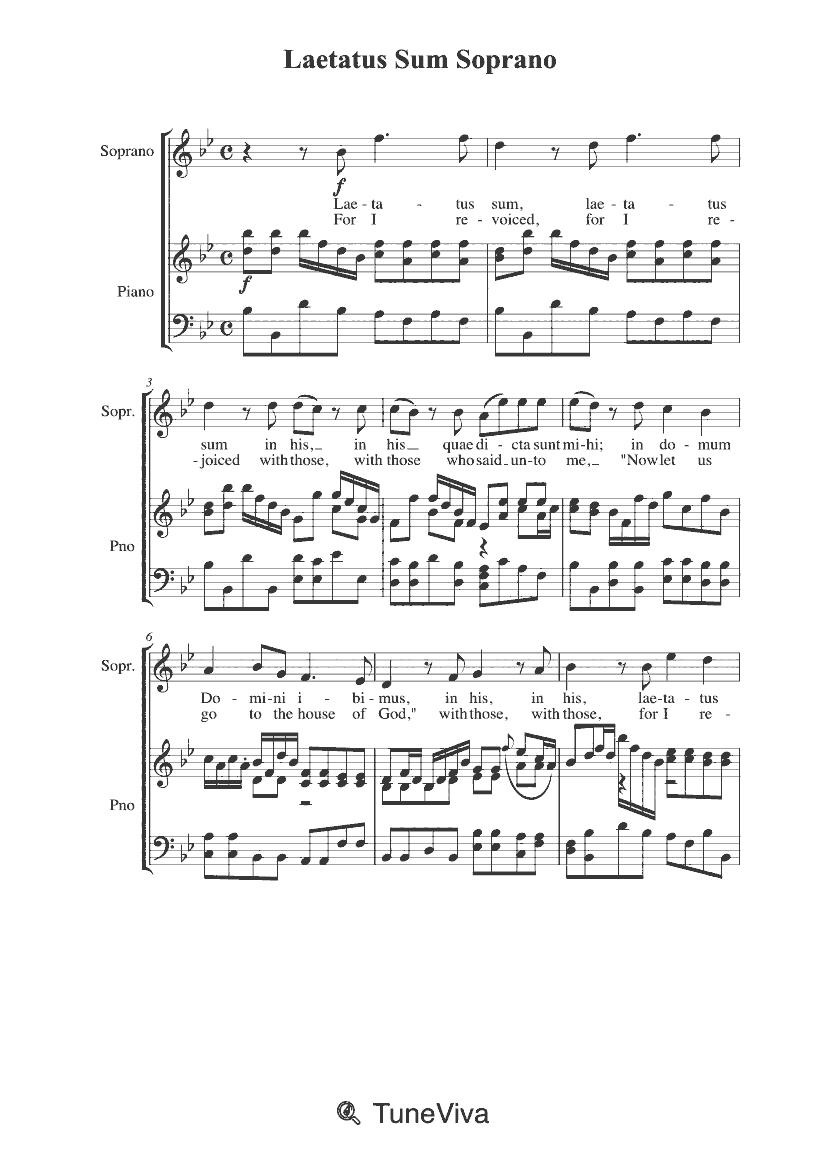
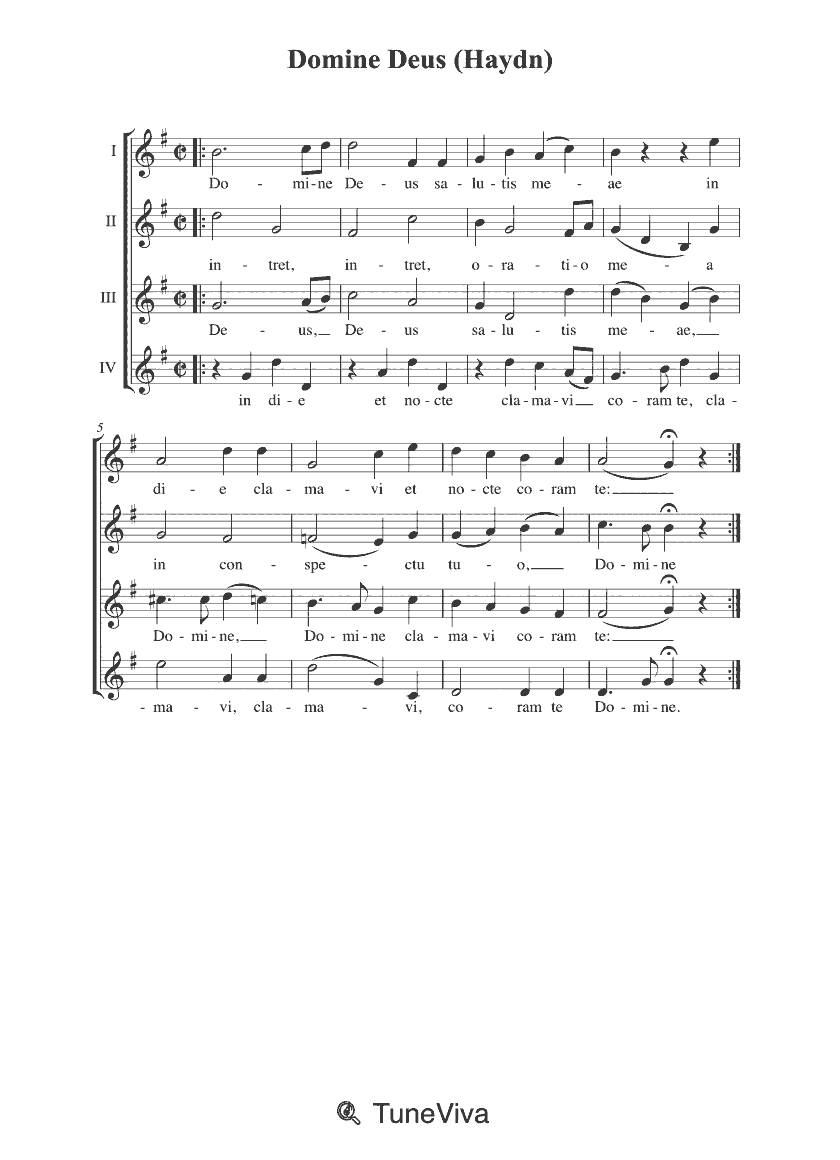
The catalog uses the MH numbers introduced by Charles H. Sherman and T. Donley Thomas in 1991, which run chronologically through his output. The 131 entries total about 937 minutes and 509,576 notated notes, with 119 carrying lyrics. Almost every score sits at complexity index 0, which suits choir singers and organists more than virtuoso soloists. The top titles are the motet Laetatus Sum Soprano, a Divertimento in D major for horn, viola and violone, and the Domine Deus.
Expect choral writing rather than keyboard display. The textures are largely homophonic with brief imitative points, the vocal ranges are modest, and the organ or continuo supports the voices without competing. Latin diction shapes the phrasing in the motets, while the German Mass movements have a syllabic, congregational feel. Tempos are steady, dynamics are few, and the interest lies in clear declamation and clean cadences. Play through a movement at a time; these pieces were built for liturgical use, not the concert platform.
The most-viewed Michael Haydn score in the catalog, a solo motet setting of the Latin psalm text.
A chamber work showing the instrumental side of a composer usually known for church music.
A liturgical movement and the third most-viewed title in the collection.
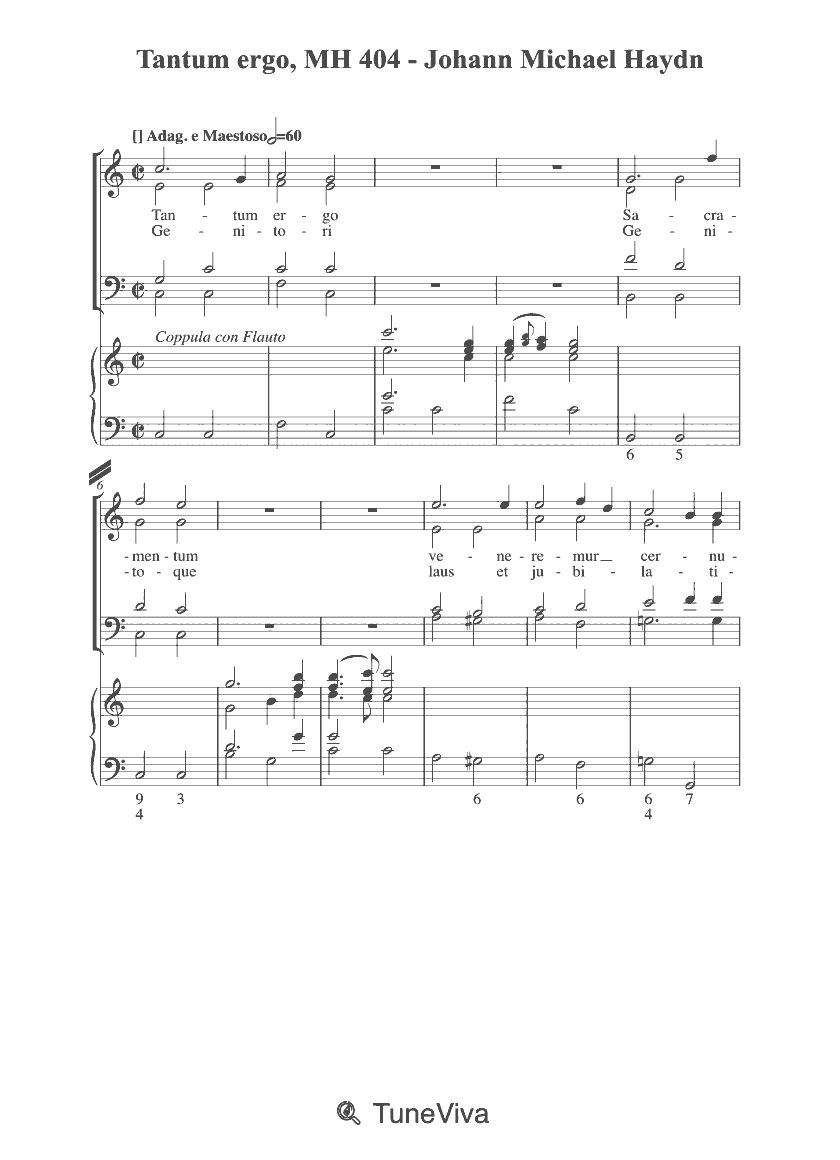
A Eucharistic hymn setting in the catalog's MH numbering.
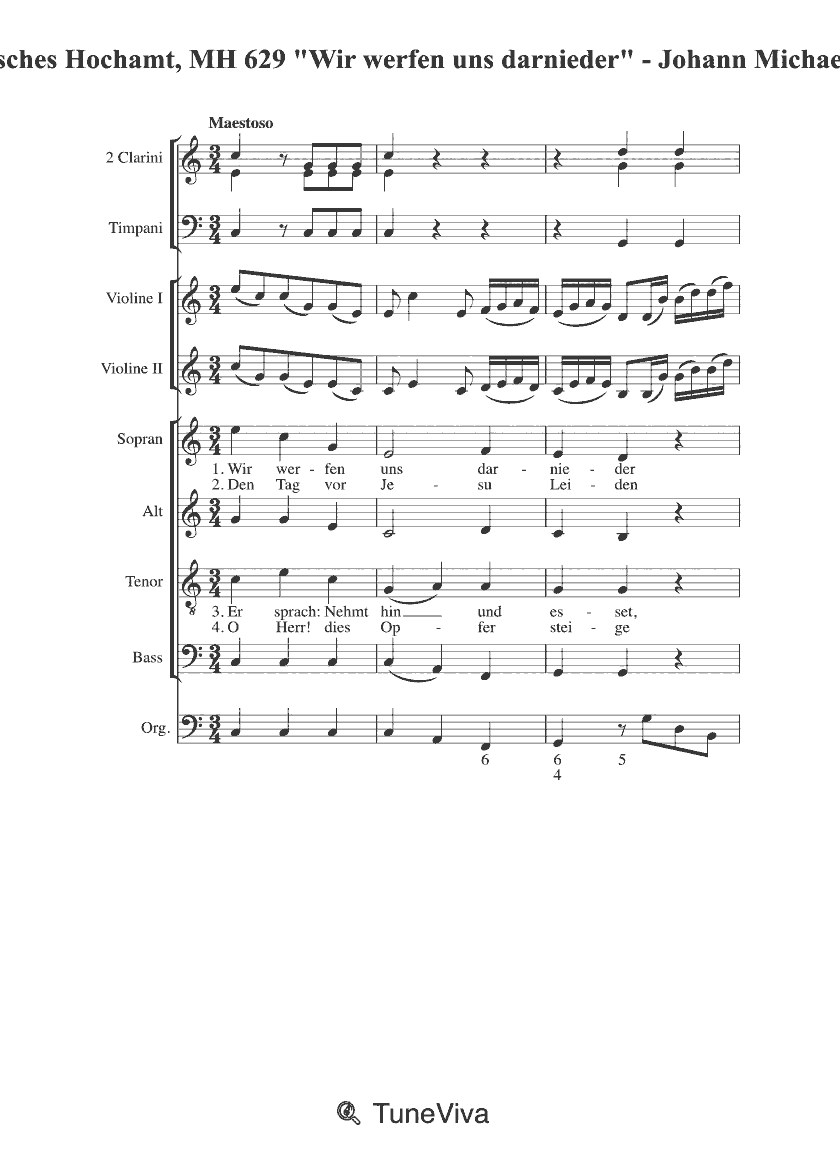
A German-language mass movement, part of the tradition that let congregations sing the ordinary.
A Mass whose Latin title marks it for the Lenten season.
Yes. Michael was Joseph's younger brother, born in the same village of Rohrau, and the two remained close throughout their lives.
They come from the chronological catalogue by Charles H. Sherman and T. Donley Thomas, published in 1991.
His C minor Requiem for Archbishop Siegmund is often cited as an influence on Mozart's Requiem, though the relationship is a matter of scholarly discussion.
Catalog editions and arrangements attributed to Johann Michael Haydn.
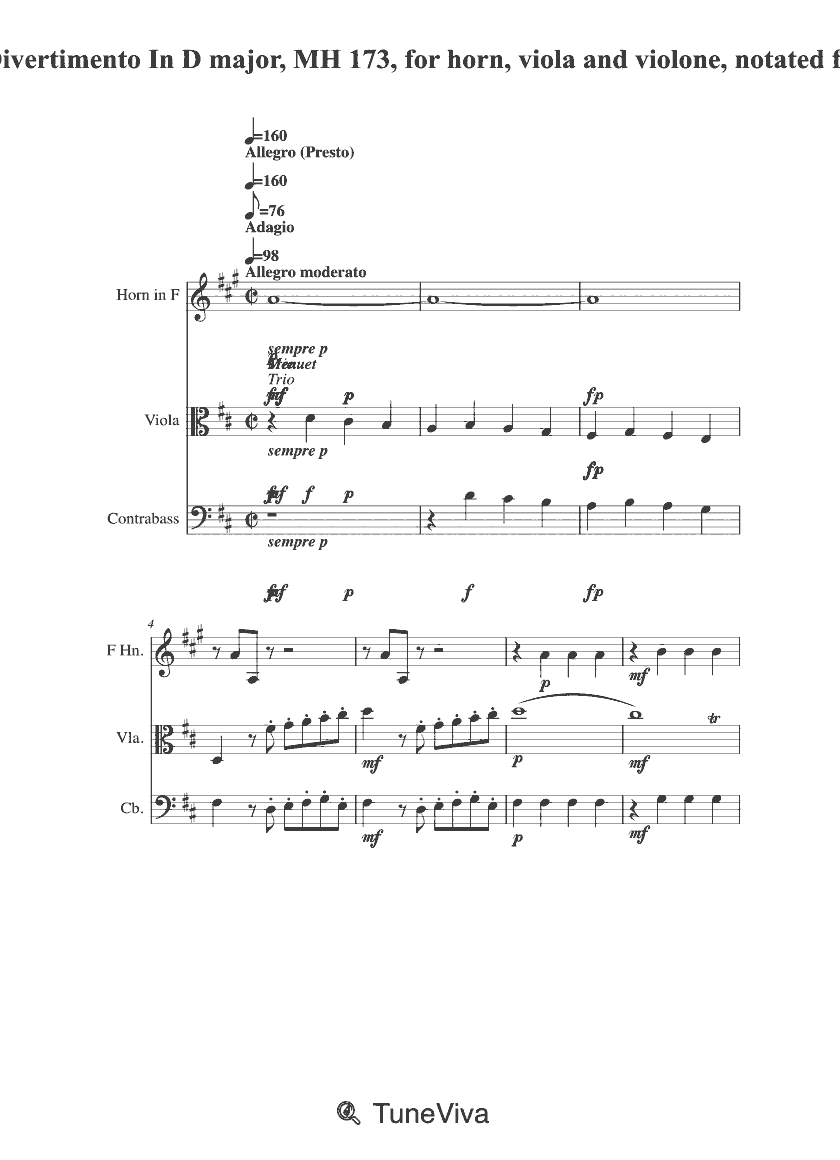
Composed circa 1771 for horn in D viola and violone (double bass).
Kanon for fire stemmer
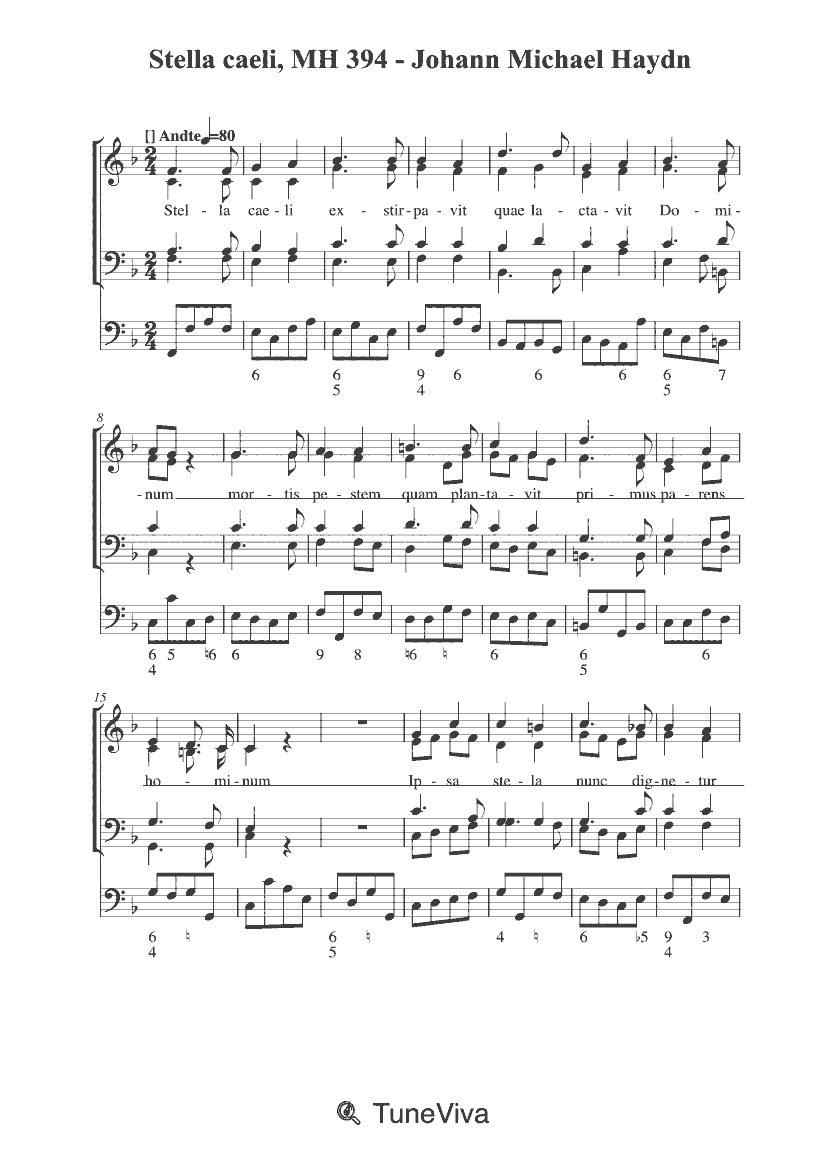
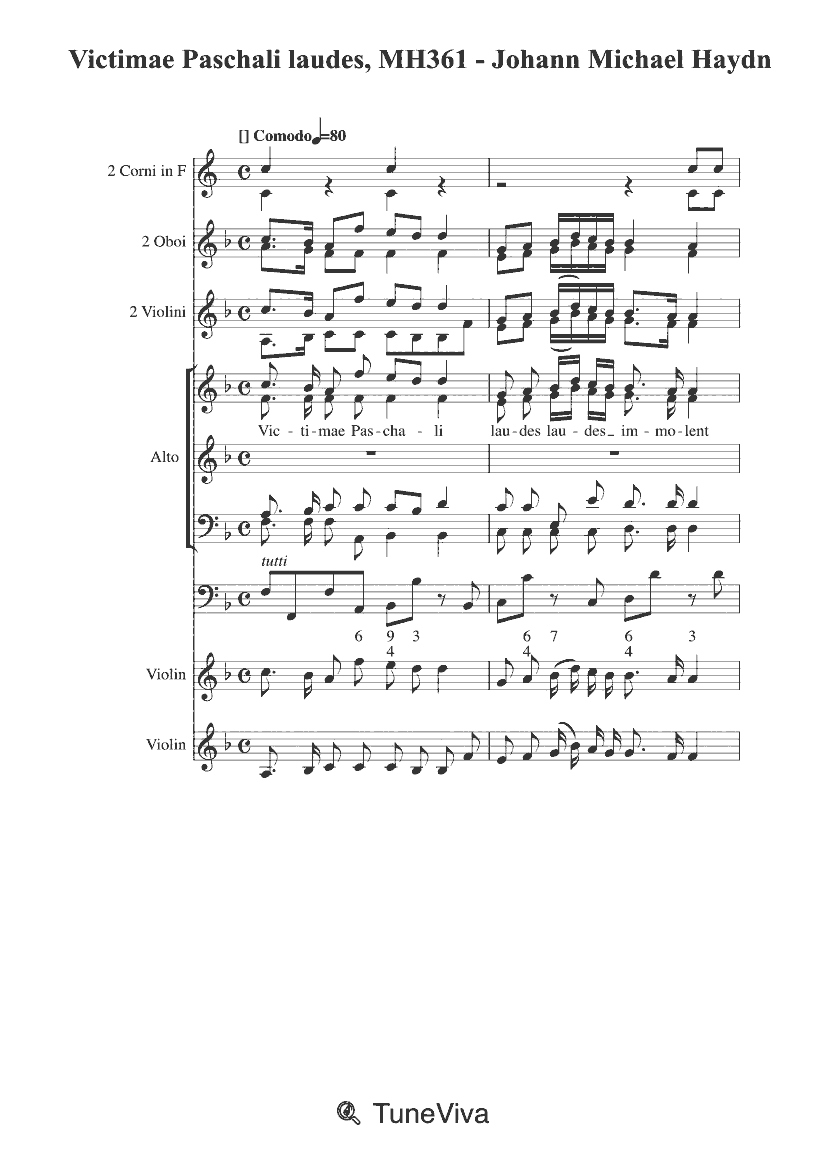
Sequenza in festivitate Resurr. D. n. J. Ch. MH361
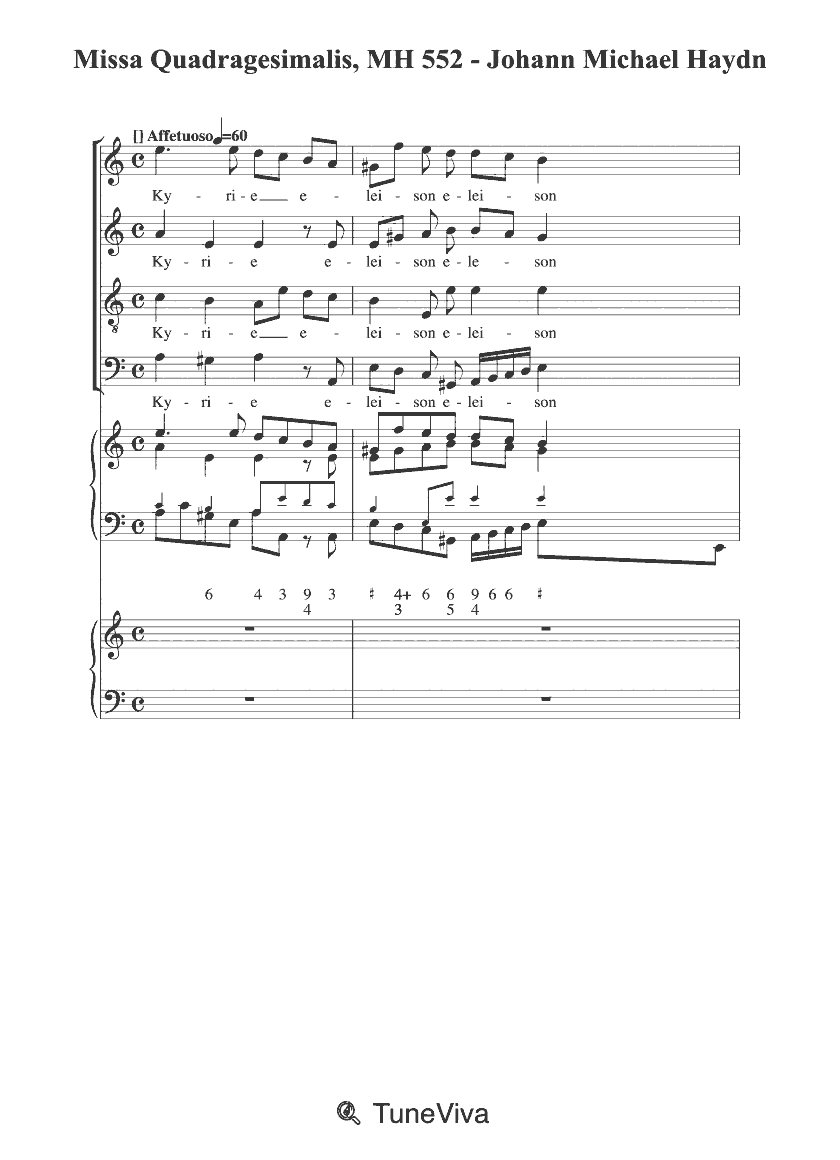
à 4 Voci in pieno col'Organo MH552 (=? Missa Dolorum BVM MH 57)
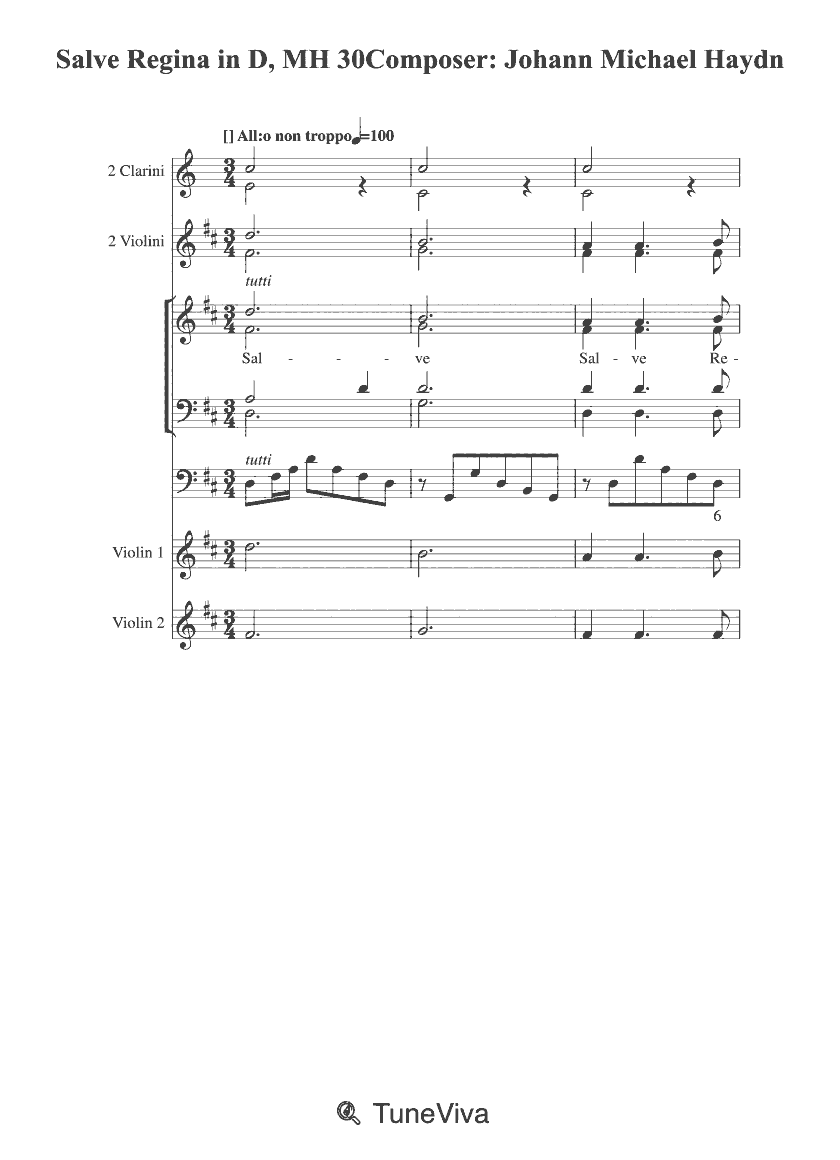
à 4 voci soprano corni 2 violini col organo MH 30
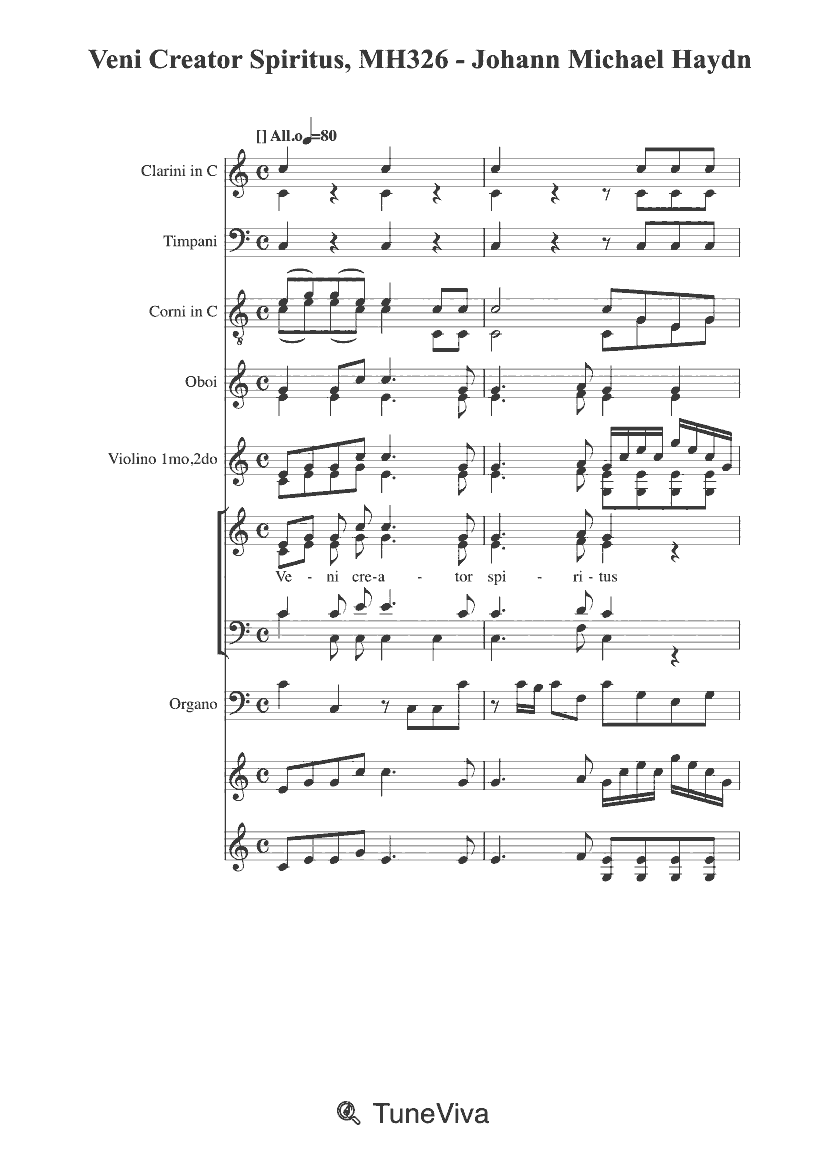
Hymnus et Graduale in Festivitate Pentecostes MH326
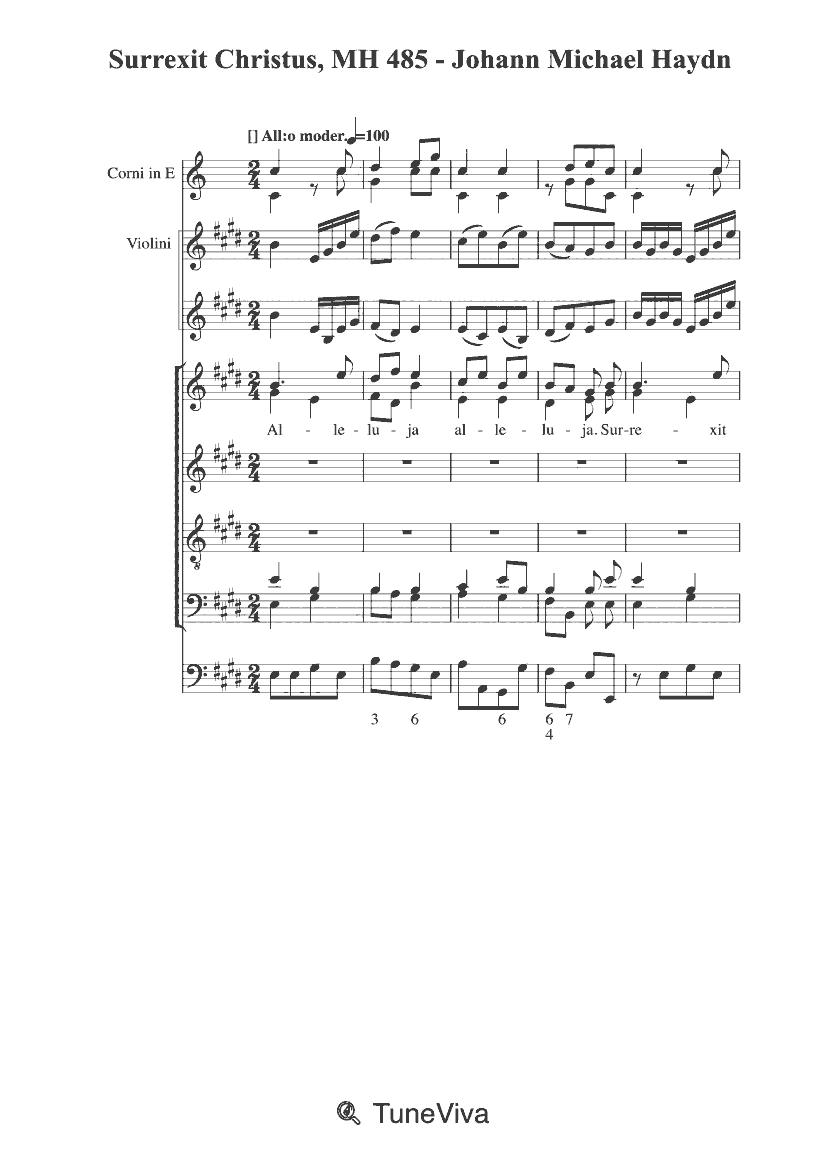
Graduale pro Dominica 5ta post Pascha MH485
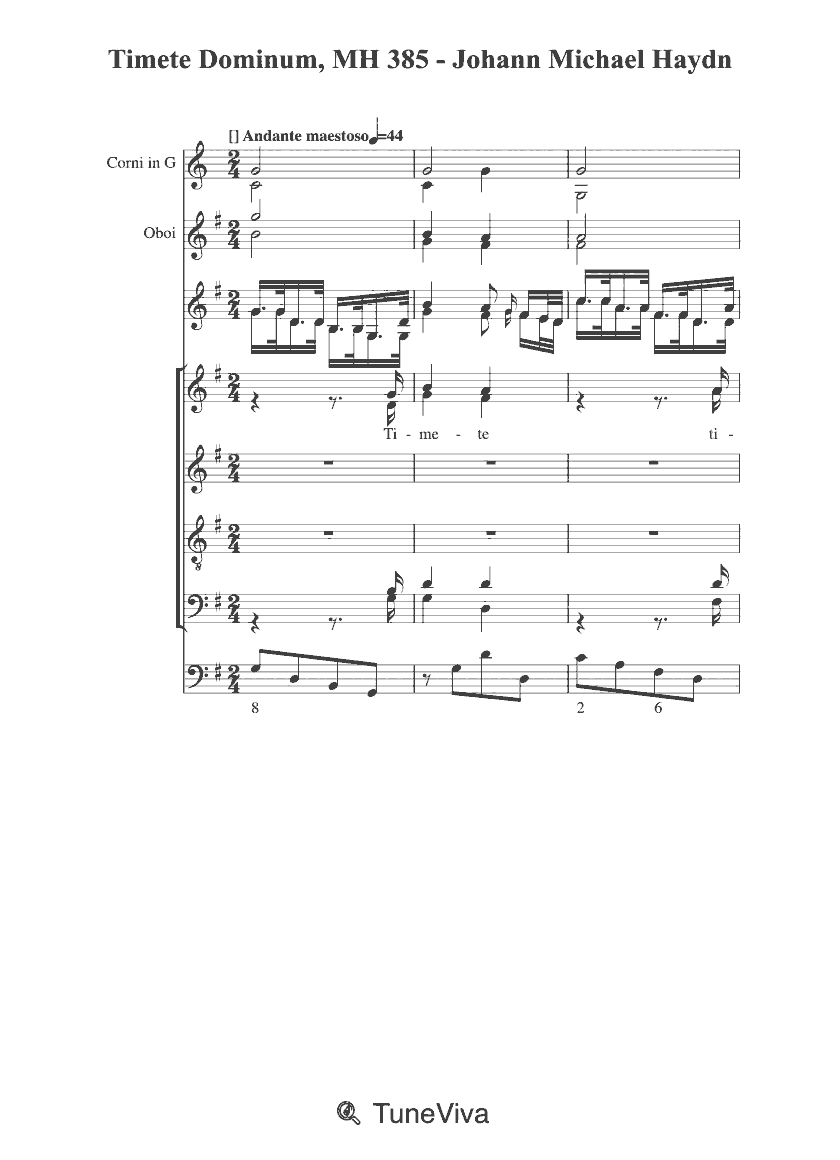
Graduale in festo omnium Sanctorum MH385
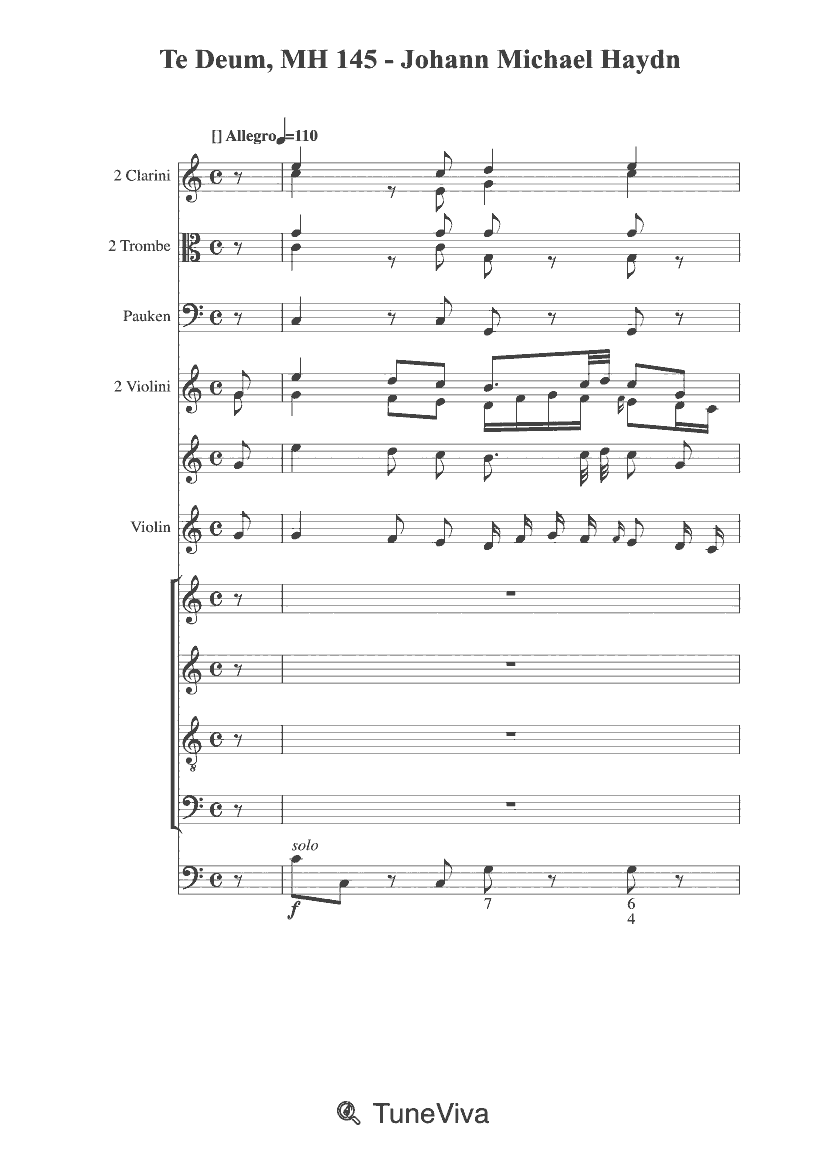
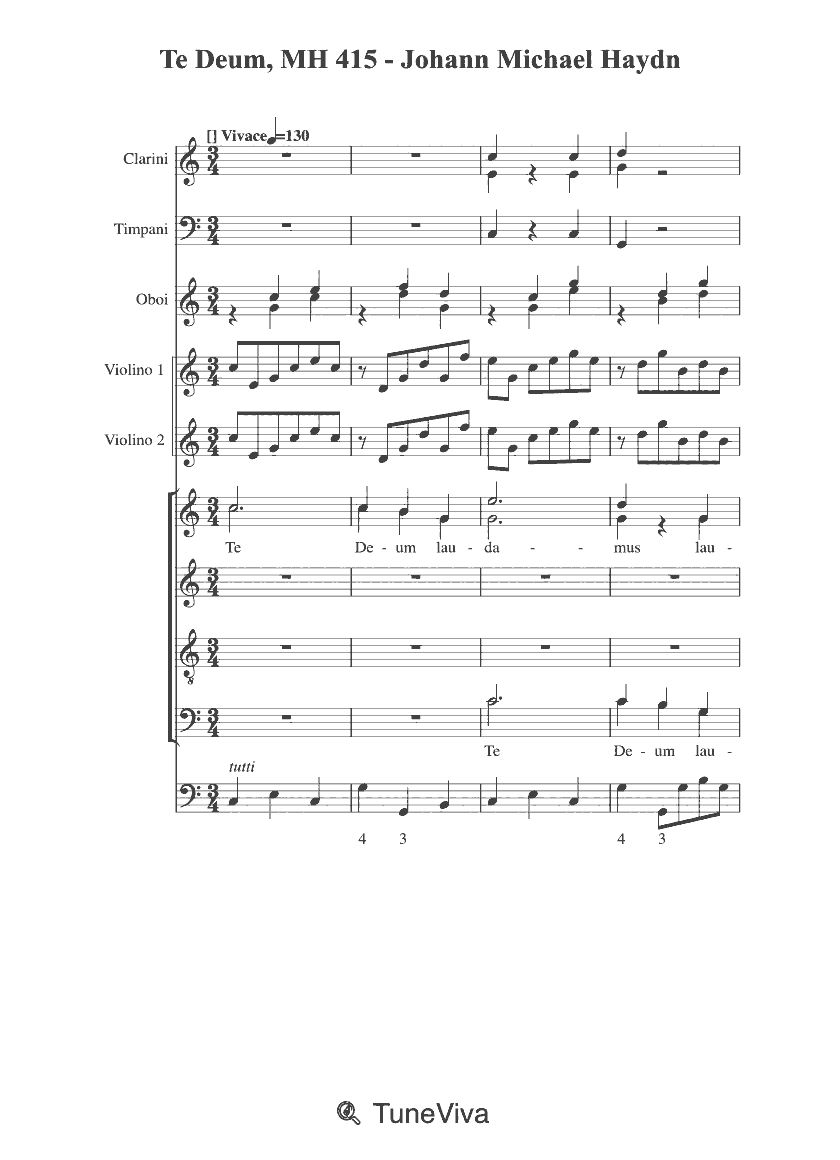
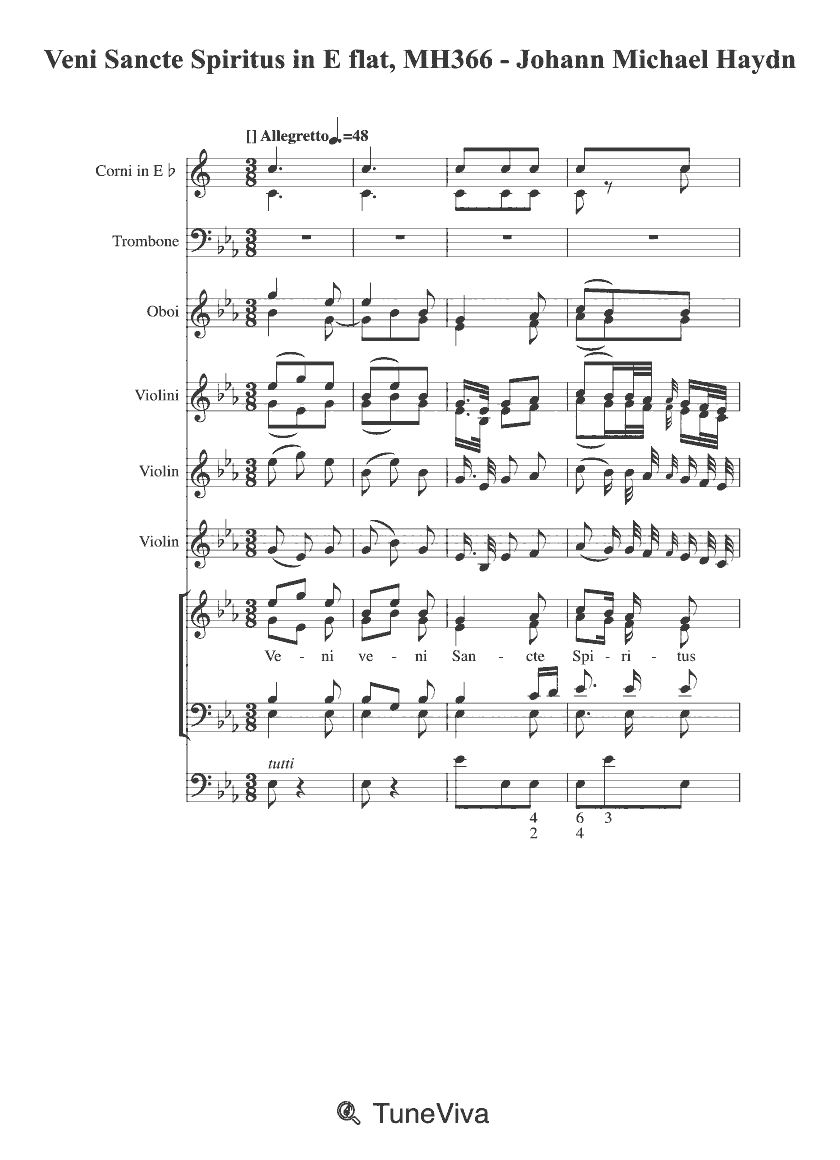
Sequentia in festivitate Pentecosti MH366
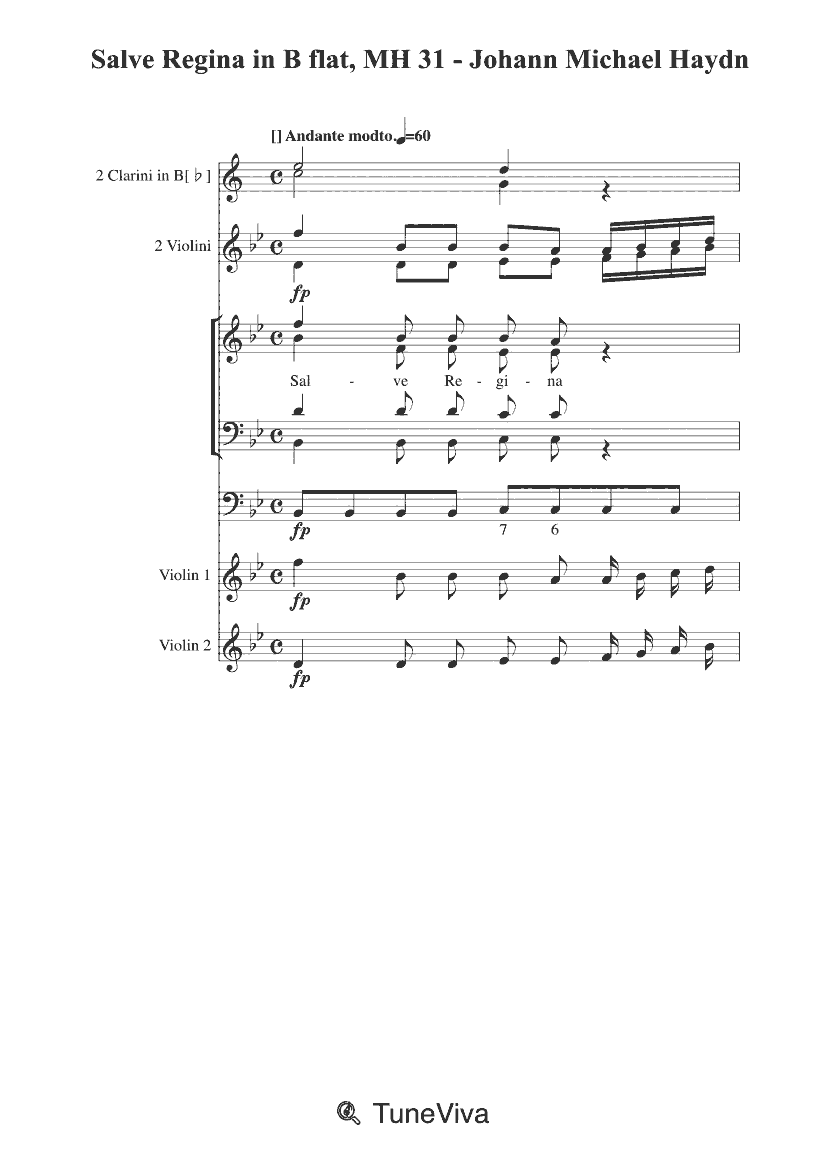
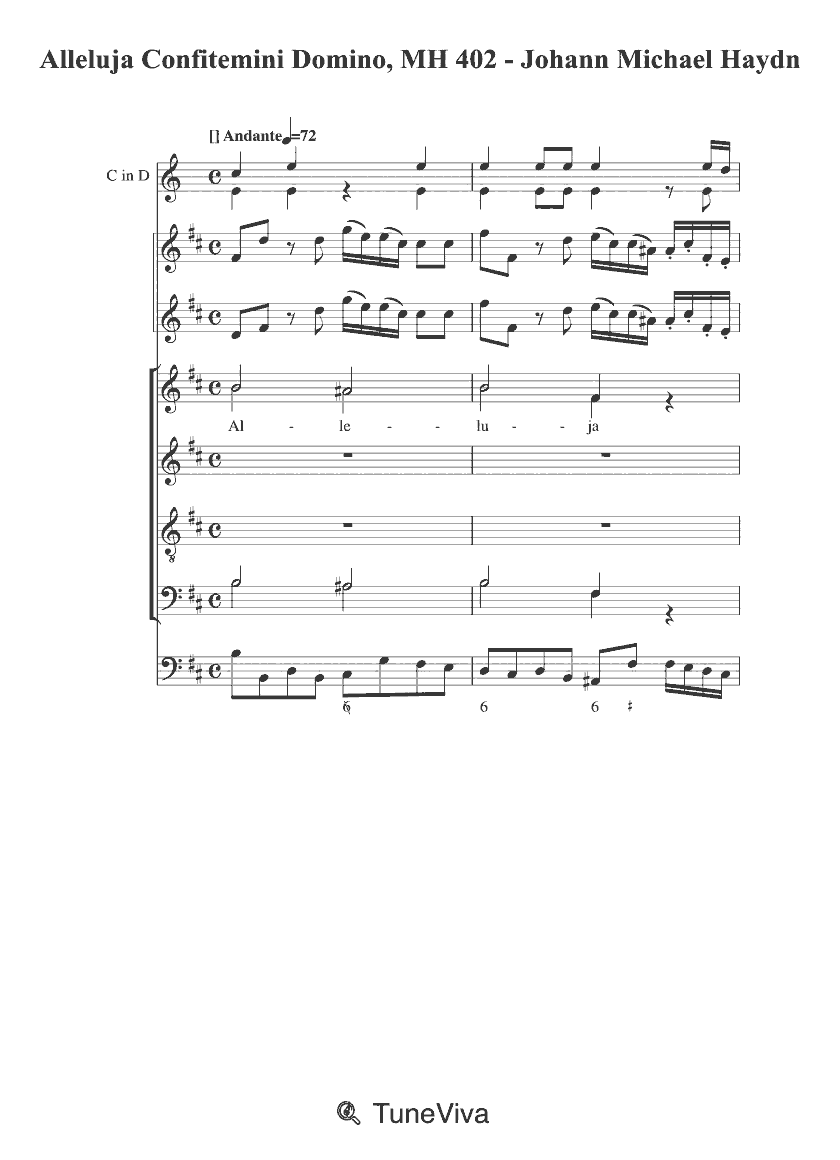
In Vigilia Pentecostes MH402
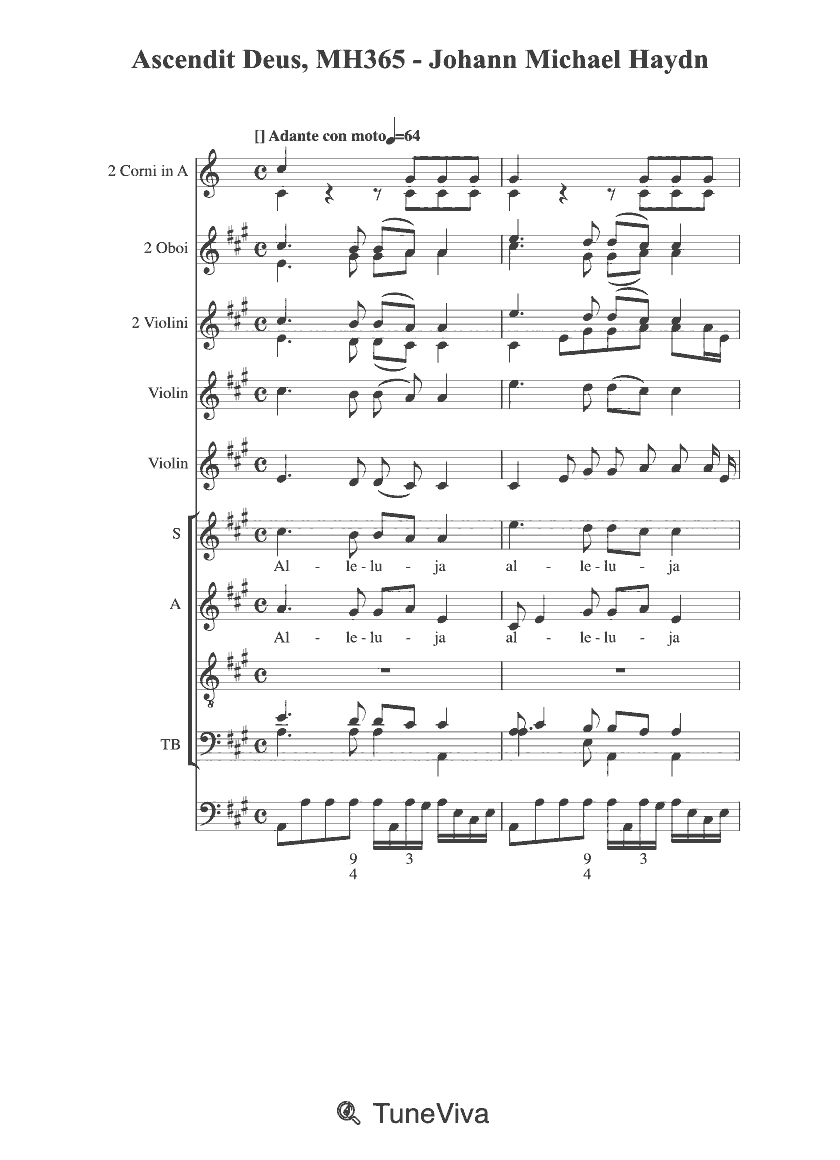
Graduale in Die Ascensionis Domini MH365