classical
2 tracks
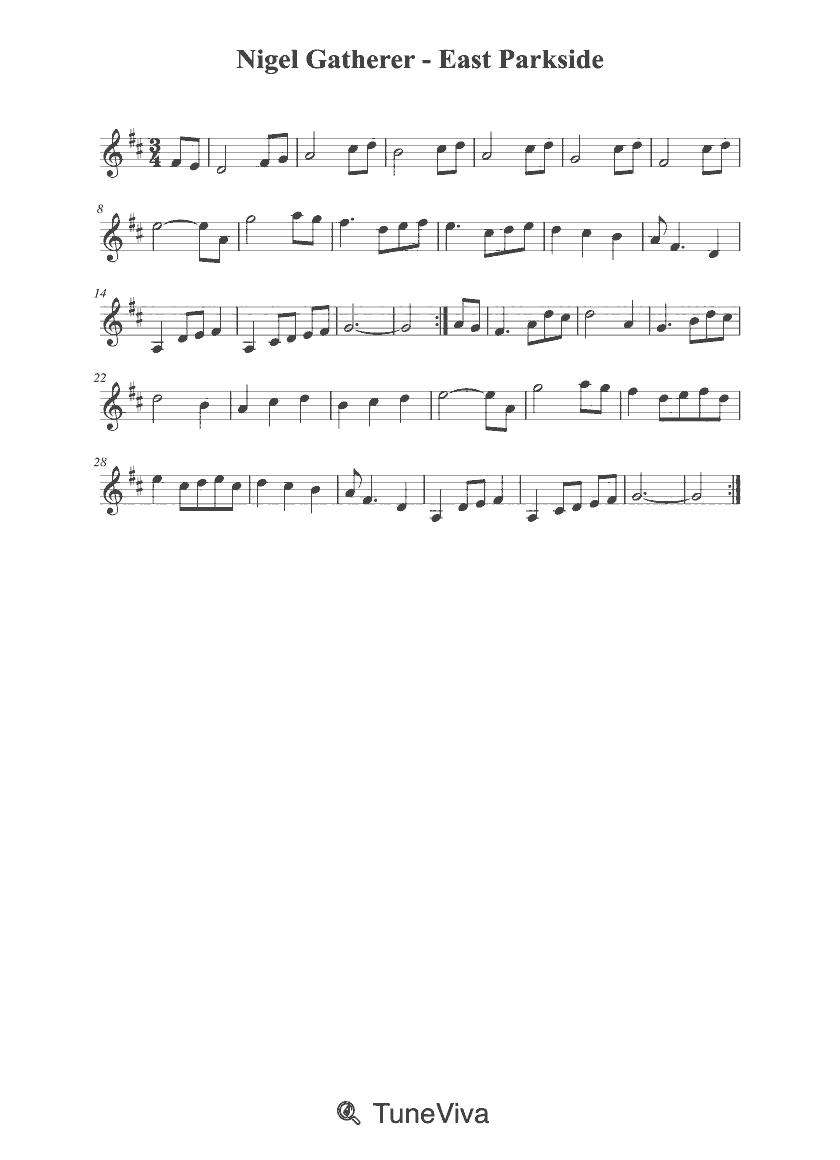
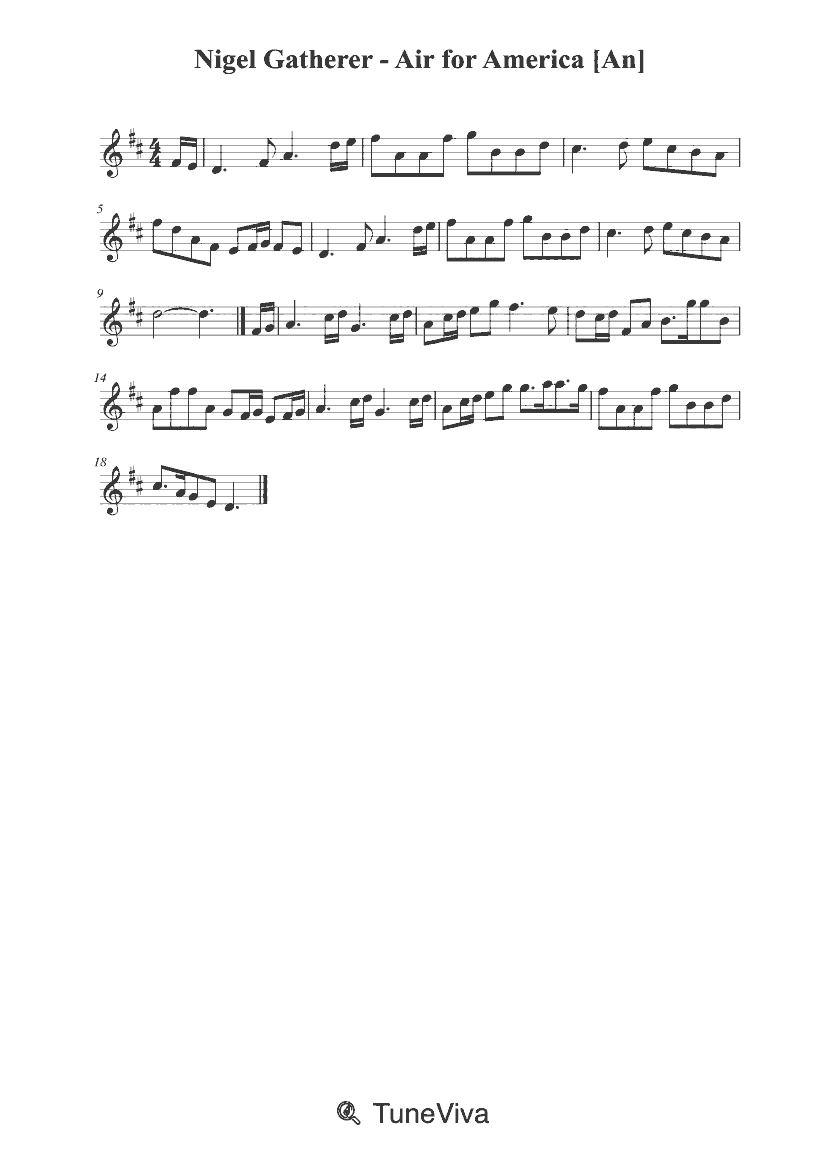
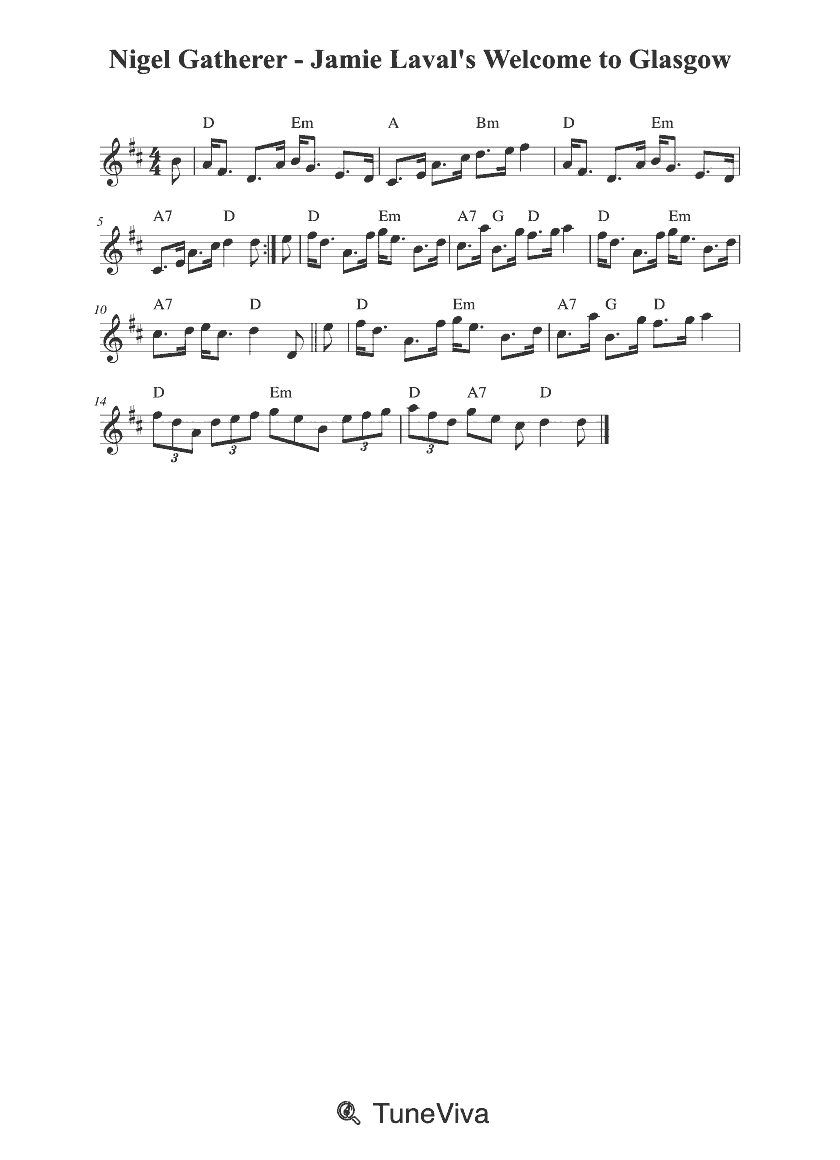
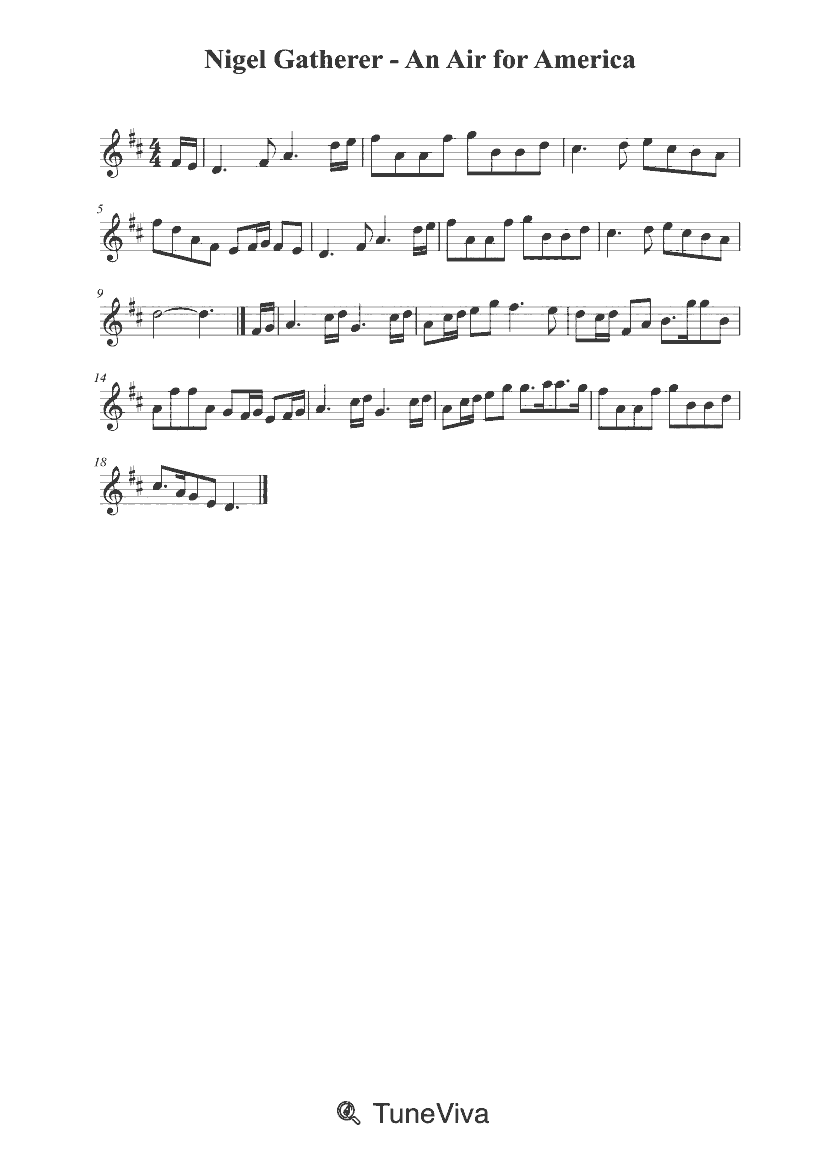
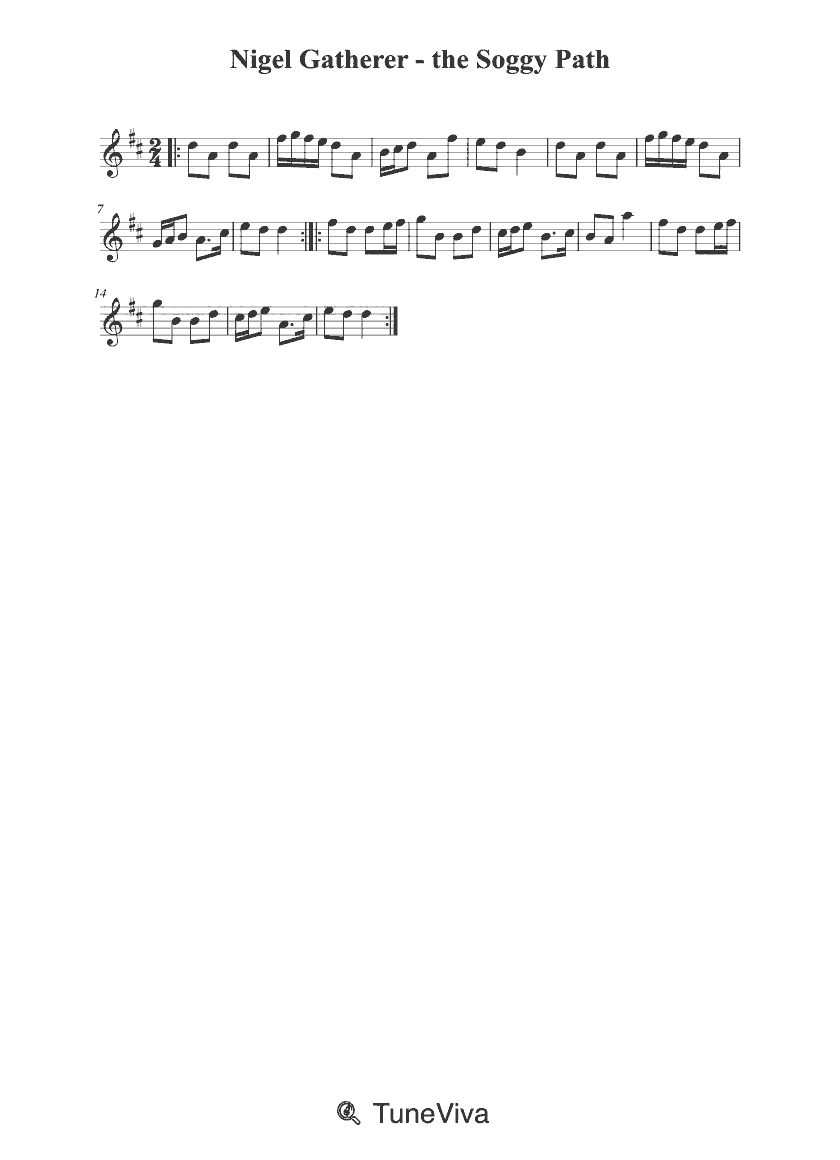
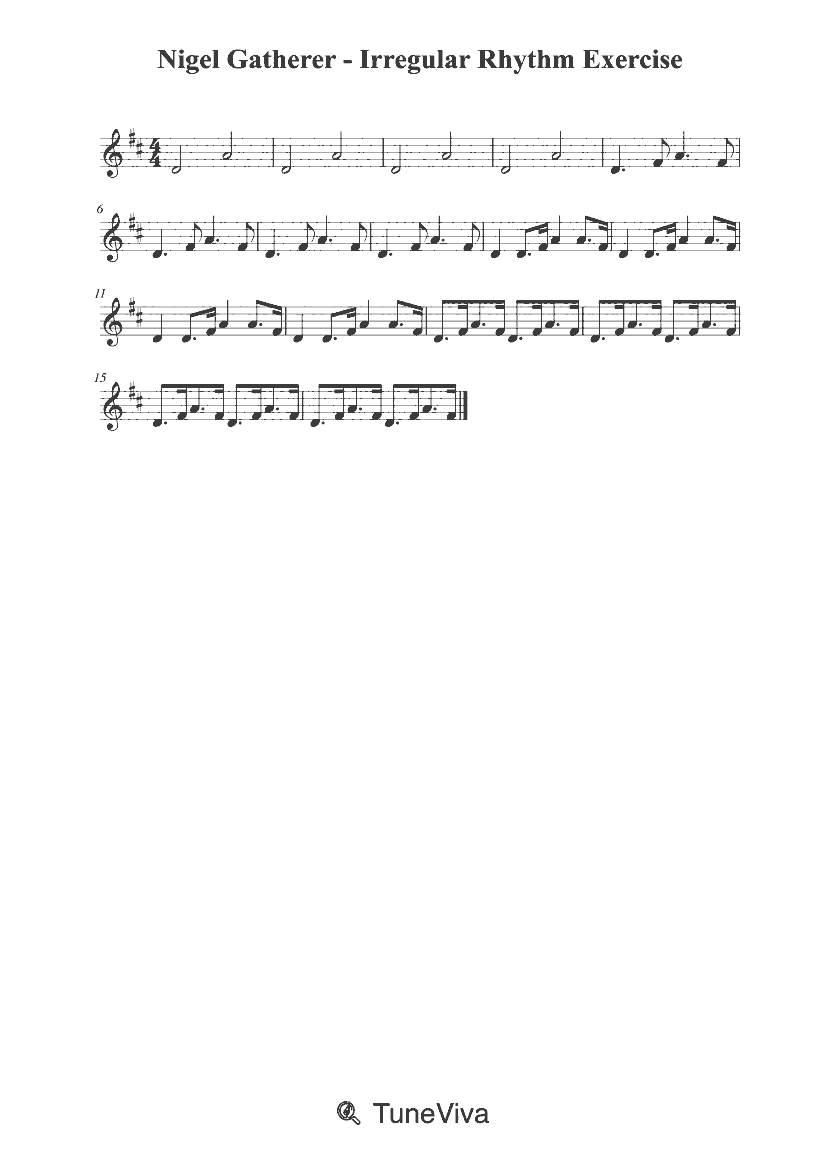
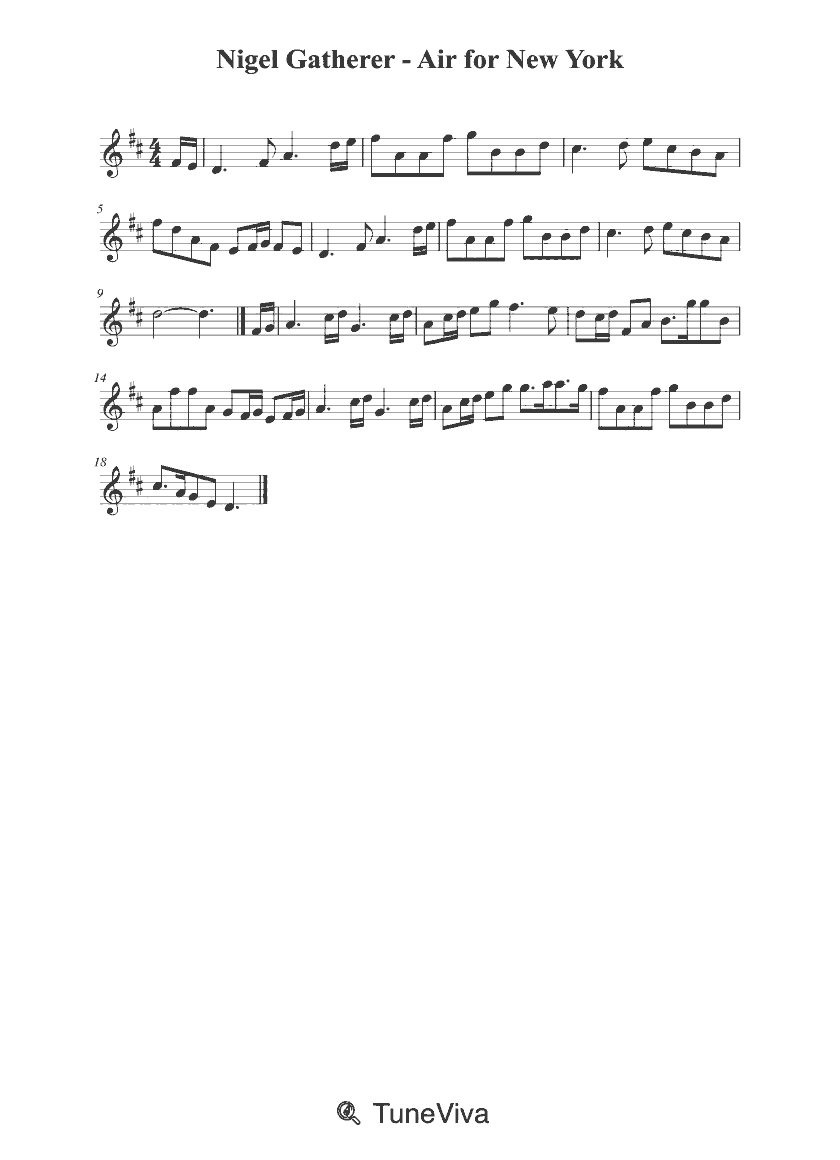
Gatherer's catalogue is a tune collection rather than a shelf of concert works: 58 scores, about 50 minutes of music and 11,072 notated notes, none of them with lyrics. Fifty-five entries sit at complexity index 1 and three at index 0, which is what single-line dance tunes look like when they are written out without a separate accompaniment staff.
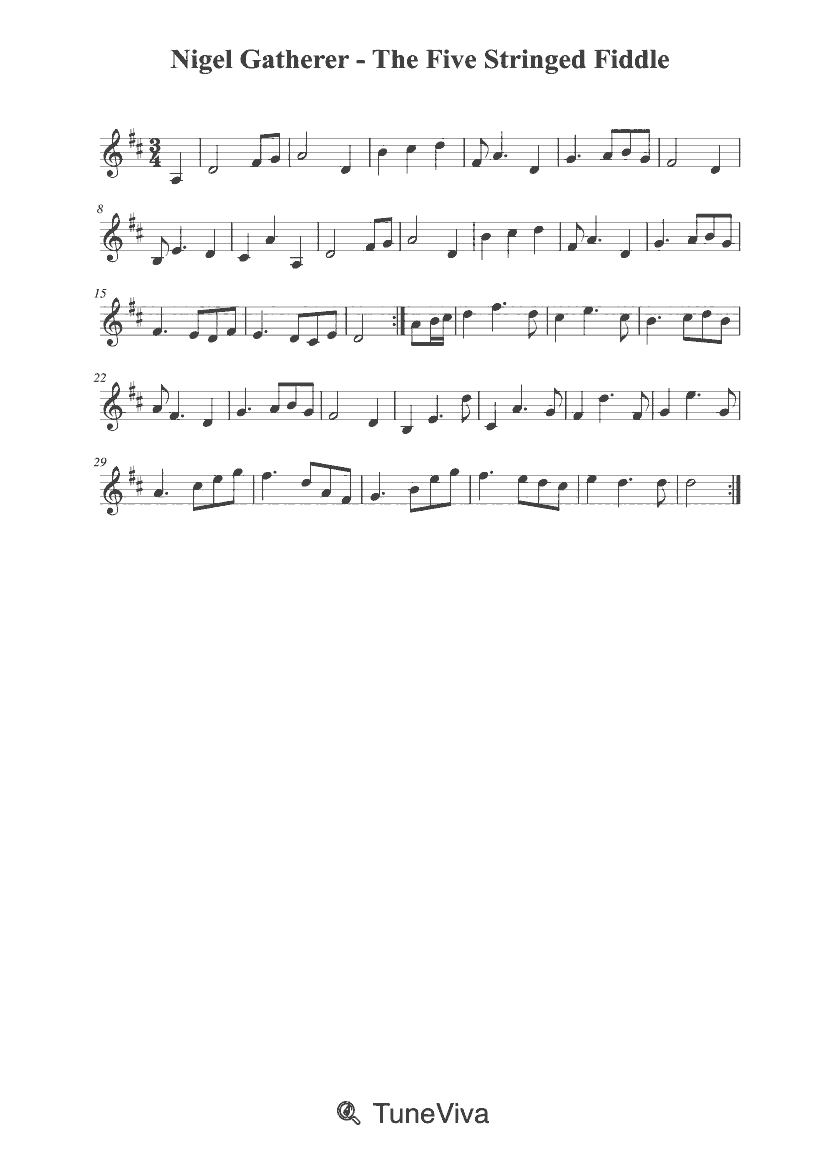
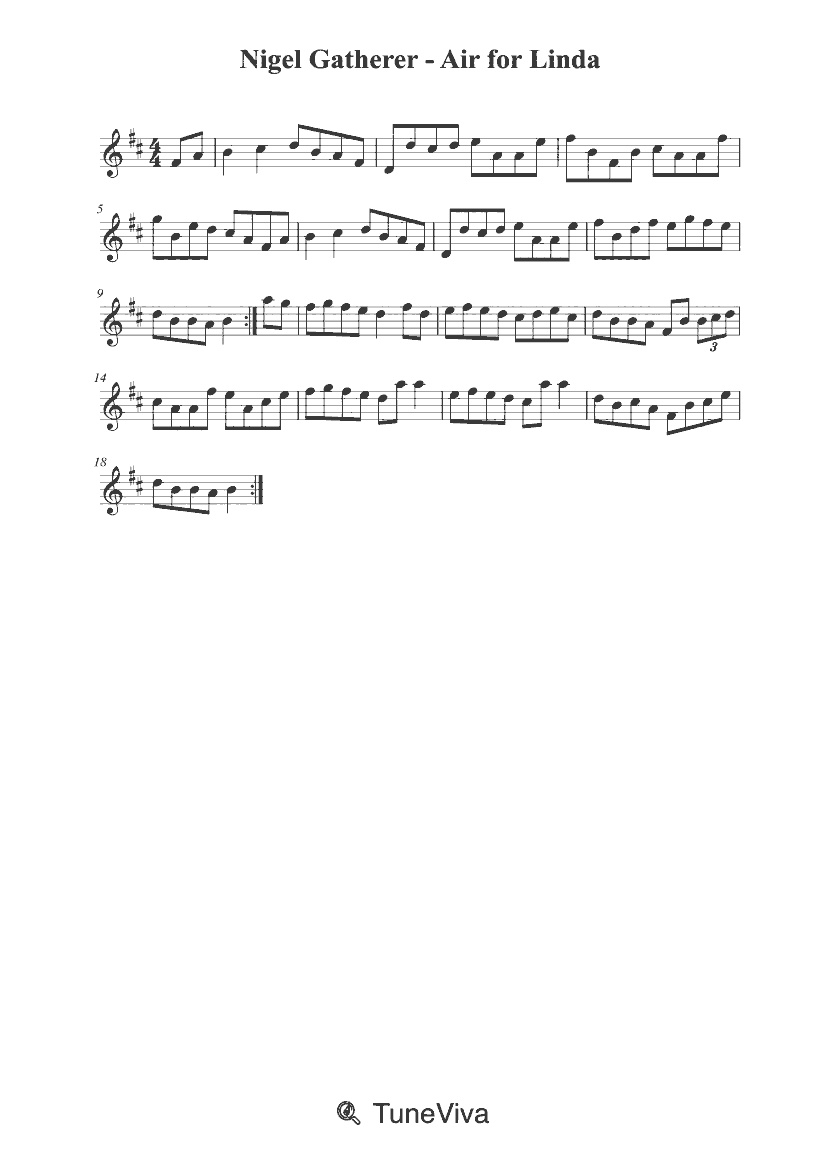
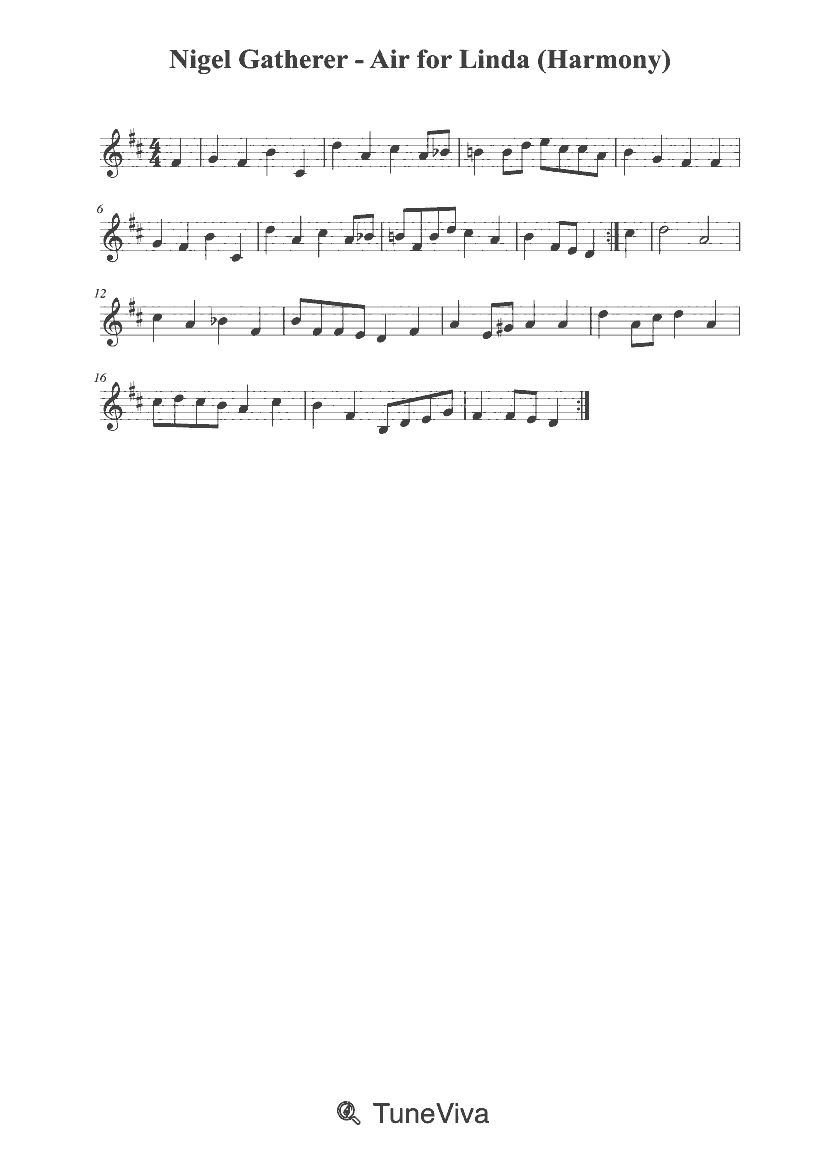
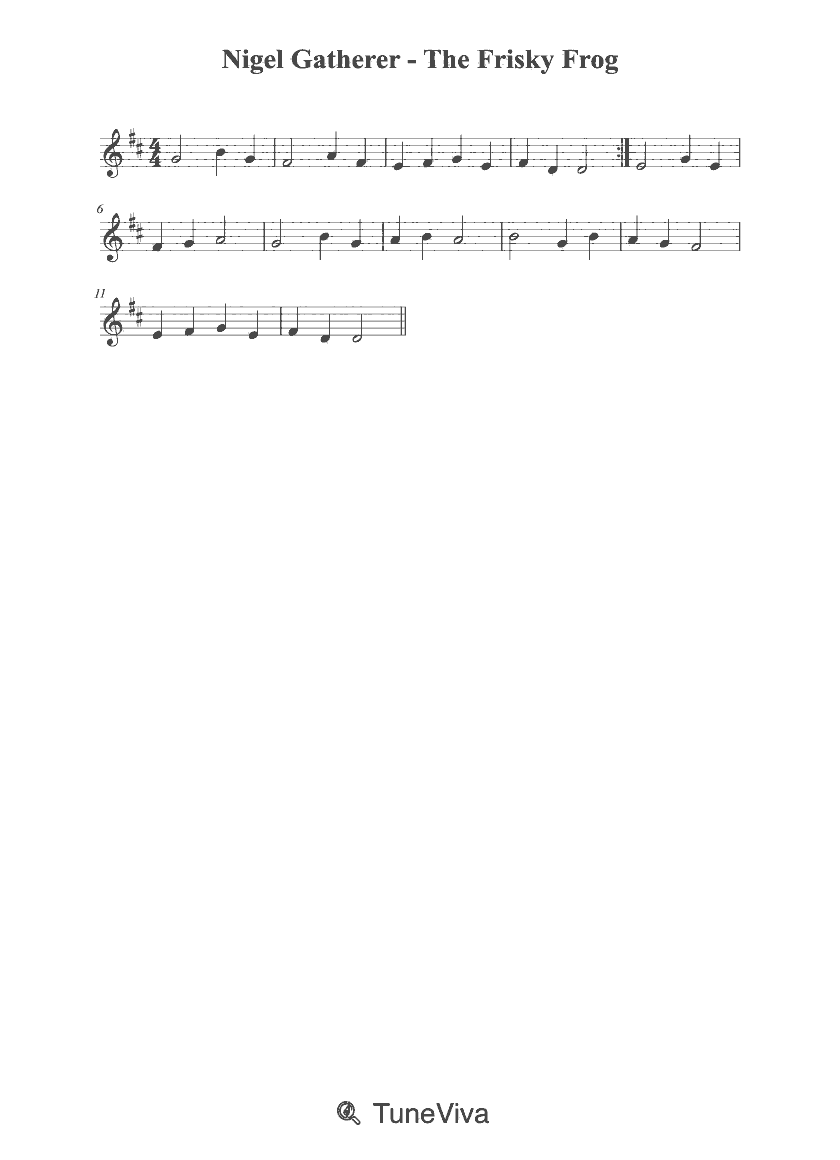
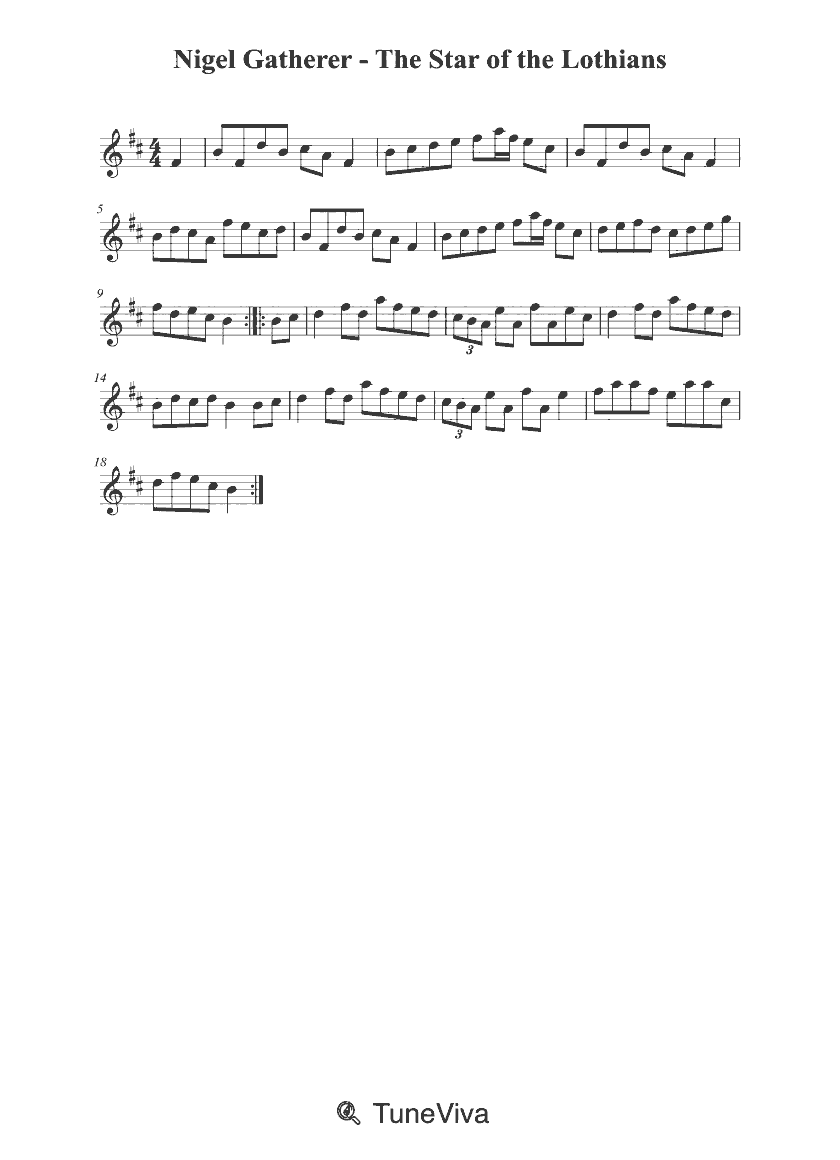
The titles are his own pieces and settings — airs, waltzes and character tunes, several named after people. The Five Stringed Fiddle appears three times under different identifiers, and Air for Linda is catalogued twice, once as melody and once as a harmony part.
Gatherer was born in Edinburgh into a musical household; both of his older brothers played guitar, and he has described sneaking into their rooms to try the mandolin while they were out. He started on ukulele, moved to guitar and penny whistle, and studied at art college in Dundee. Back in Edinburgh he played informally in sessions until the Scots Music Group asked him to teach a mandolin class, a job he first refused.
Two threads began there. His first book, Songs and Ballads of Dundee, appeared in 1985, and dozens followed, including a set of session tune books; his website carries hundreds of tunes with notes on Scottish players, tunebooks and recordings. He has taught traditional music since 1996, was nominated as Tutor of the Year at the Scots Trad Music Awards in 2009, and was inducted into the Scottish Traditional Music Hall of Fame in 2017. He leads teaching at the Glasgow Fiddle Workshop and lives in Crieff, Perthshire.
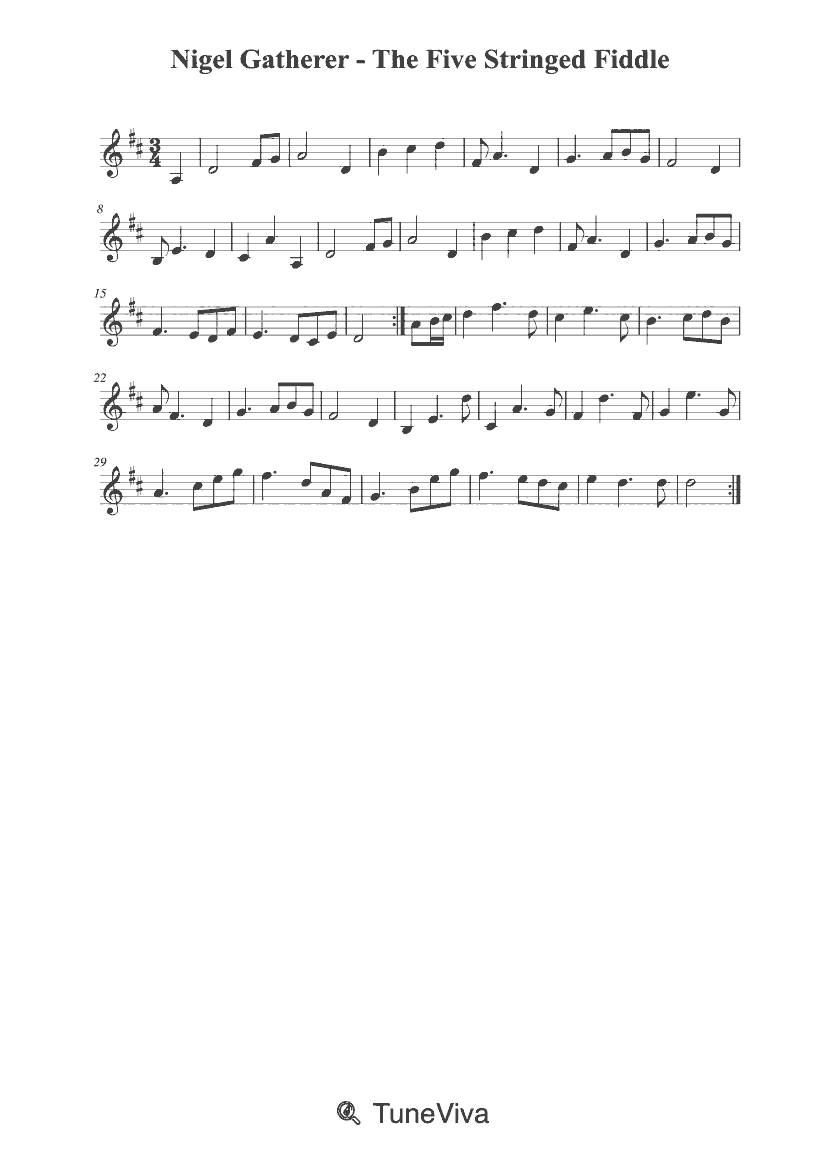
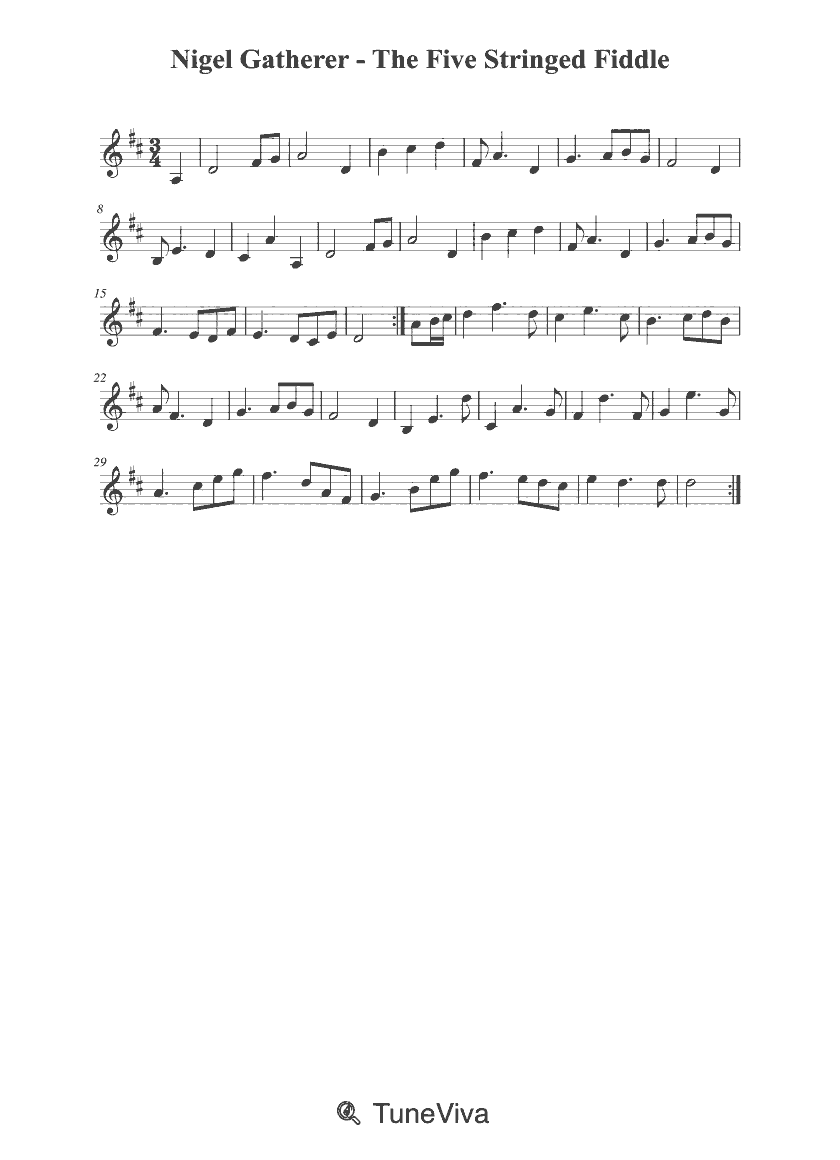
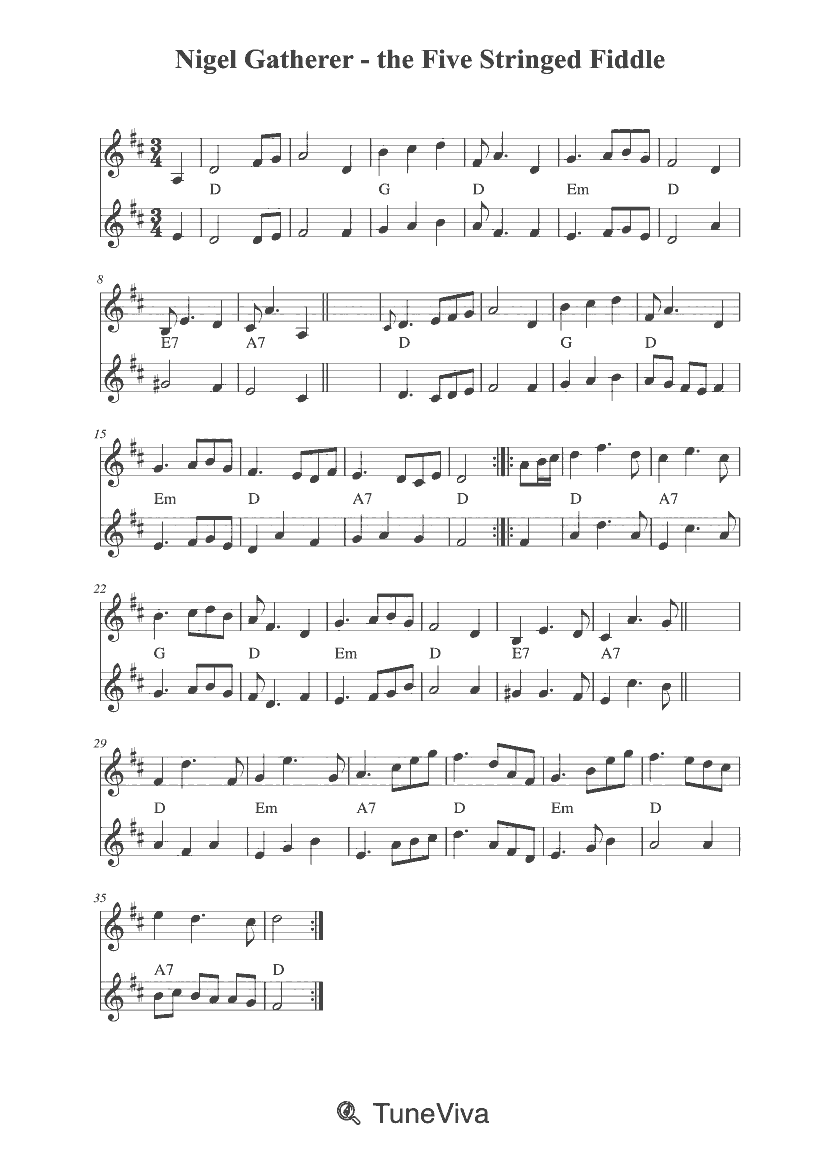
The catalogue reflects that work as a teacher and compiler. Most pieces are short, stay in first position and fit on a single page, and the separate harmony file for Air for Linda suggests that at least some of them were written with a class or a duo in mind. One tune, The Five Stringed Fiddle, carries a dedication in the abc notation circulated in 2000: it is a waltz written in honour of Dick Rutter, the Edinburgh violin maker.
These are session tunes, so the notation is a sketch of a performance rather than a fixed text. Learn the melody by ear before reading it, then add ornaments between the written notes rather than on them. On fiddle, let open strings ring as drones where the tune allows; on mandolin, keep the tremolo for long notes and leave the short ones clean. The waltzes need a steady three, with the second beat light, and the airs will sag if you slow down at every phrase end.
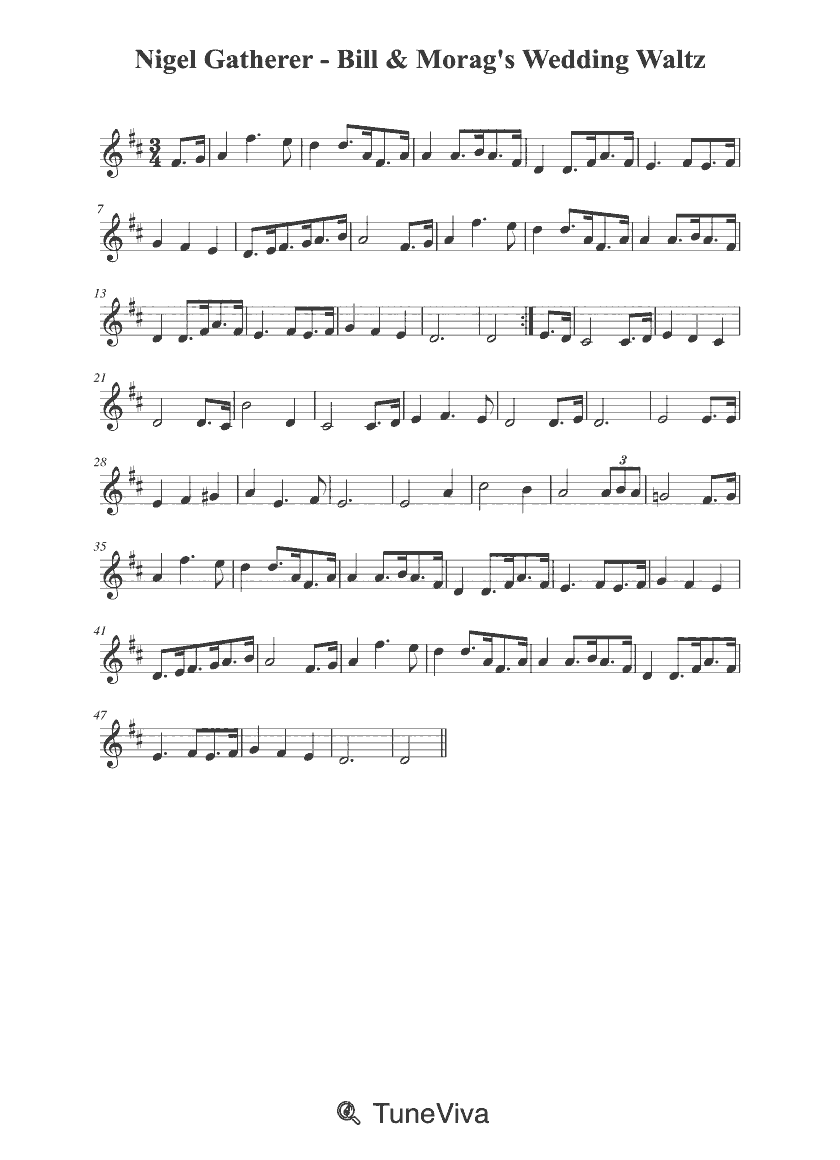
A waltz written in honour of Dick Rutter, the Edinburgh violin maker; the most-viewed Gatherer file and one of three separate entries for the tune.
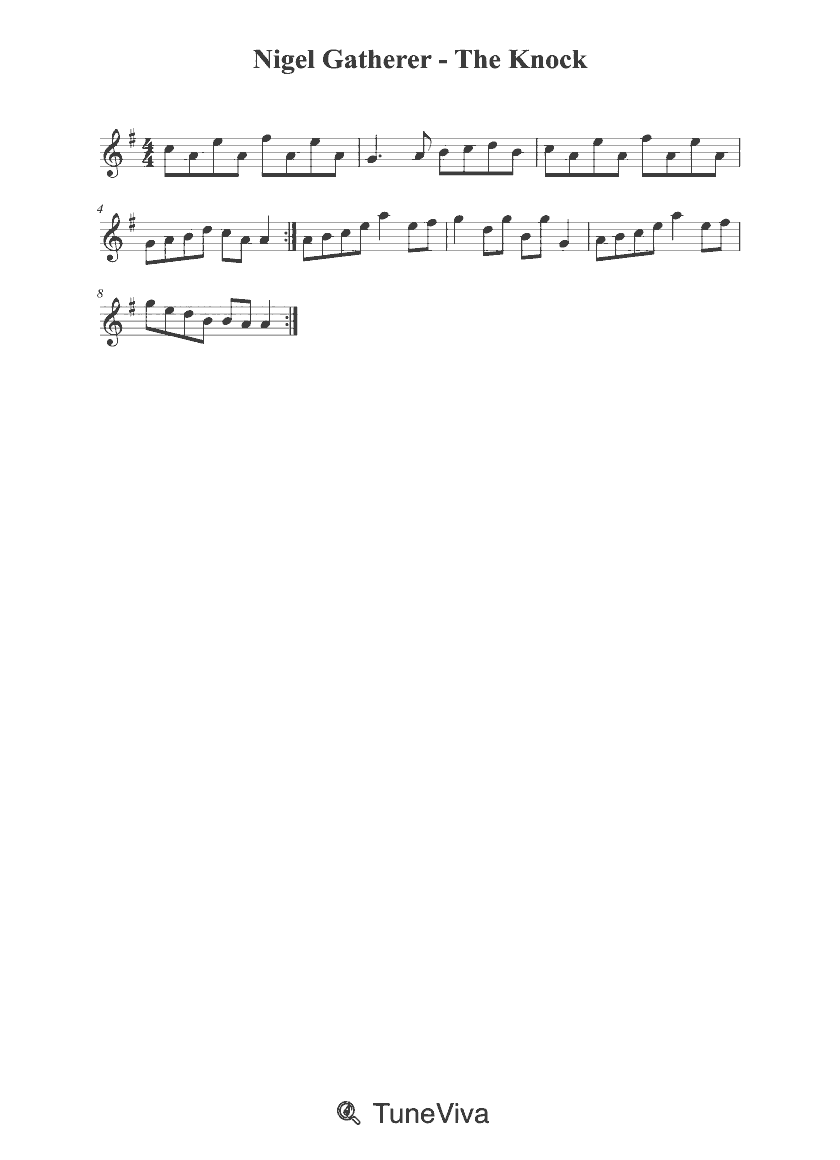
One of the most-viewed of his own tunes, with no printed source beyond his own collection and no harmony part catalogued.
The bracketed article is a filing artefact; a second entry for the same title sits at id 164308 with the article left in place.
A tune named for the fiddler Jamie Laval, one of several pieces here written around a named player rather than a place.
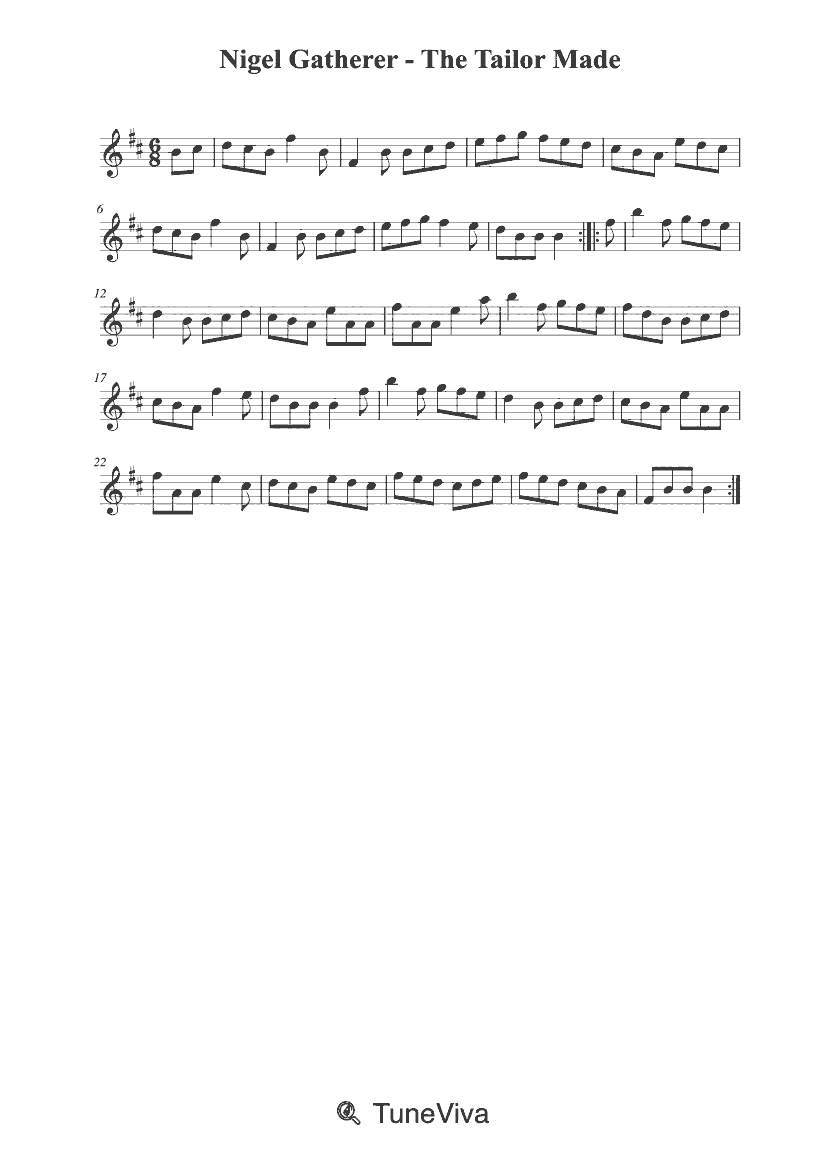
A melody-only entry like most of the collection; the title plays on tailoring, a trade that supplies many tune names.
An air rather than a dance, catalogued alongside its own second part at id 189696.
The harmony line issued as its own file, so that two players can read from separate copies instead of sharing one page.
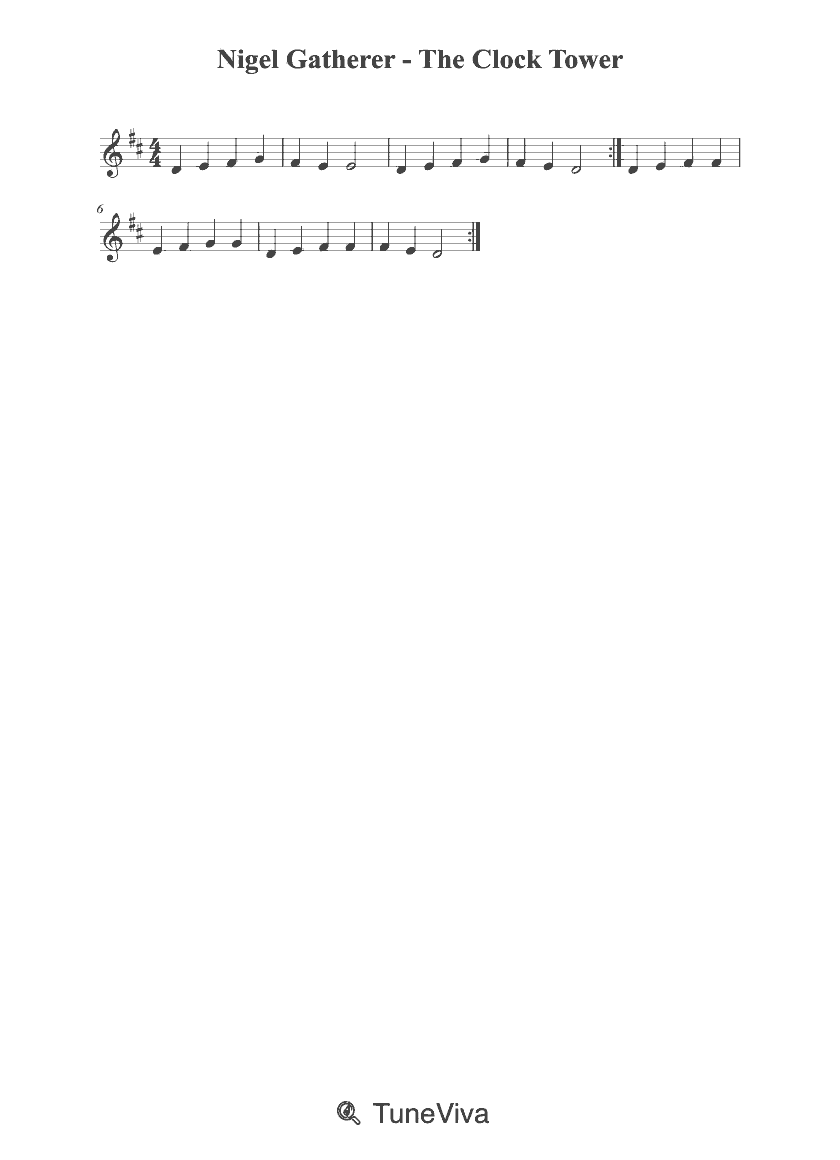
A tune named after a building, in a collection that takes titles from places, trades and the people tunes were written for.
An occasional waltz for a named couple, the kind of piece that Scottish players commission far more often than concert music.
A tune named for the district around Edinburgh, where Gatherer grew up and where he still teaches and runs slow sessions.
There are 58, running to about 50 minutes of music and 11,072 notated notes. None of them has lyrics.
The Five Stringed Fiddle has three separate identifiers, which usually means different keys, octaves or file versions. Air for Linda is repeated on purpose, as melody and as harmony.
Both. The catalogue contains his own compositions, such as Bill & Morag's Wedding Waltz, alongside settings of material from the Scottish tradition, and the files do not always mark which is which.
Only for Air for Linda, which has a harmony file. Everything else is a single line that a fiddle, mandolin or whistle can play as it stands.
Catalog editions and arrangements attributed to Nigel Gatherer.