classical
2 tracks
Philip Doddridge's 31 scores run to about 16 minutes and 4,373 notated notes, an average of well under a minute a piece. Twenty-nine entries carry lyrics, and every one sits at complexity index 0. This is not a catalogue of anthems or instrumental music: it is a body of hymn texts, filed under the minister who wrote them and set to tunes that the catalogue rarely names.
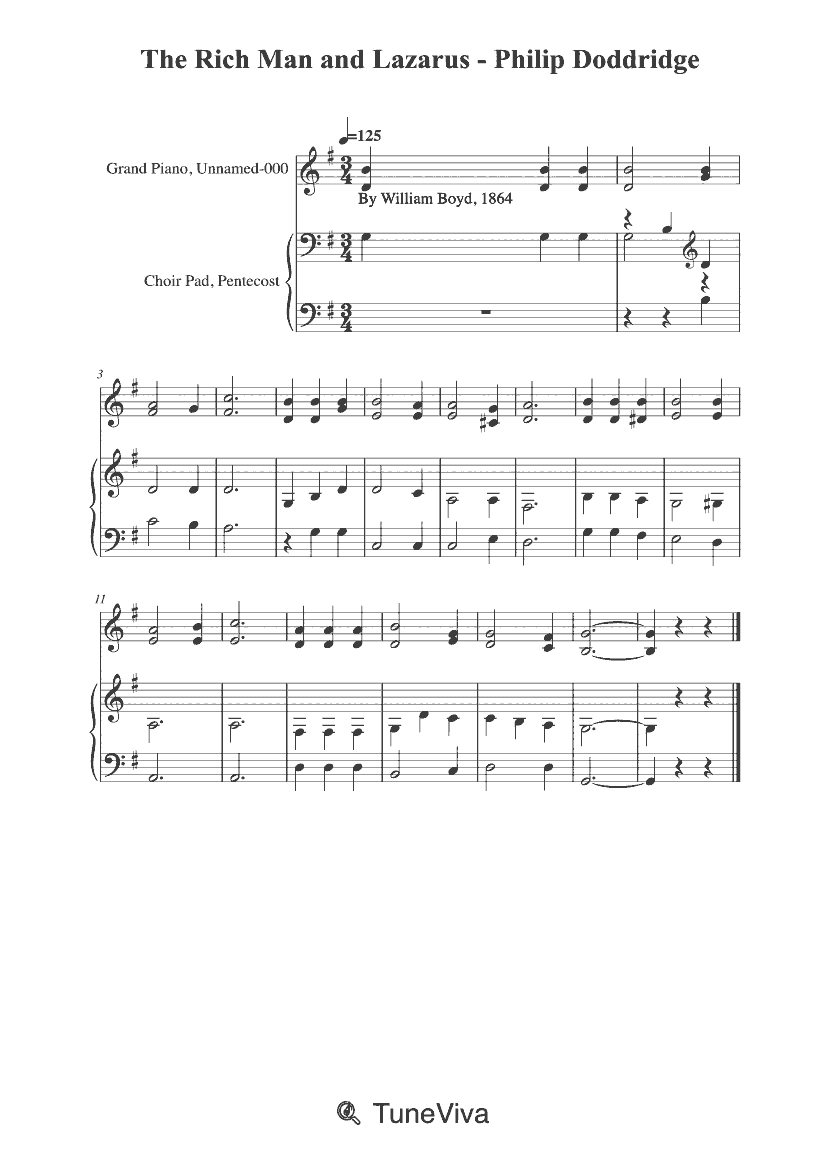
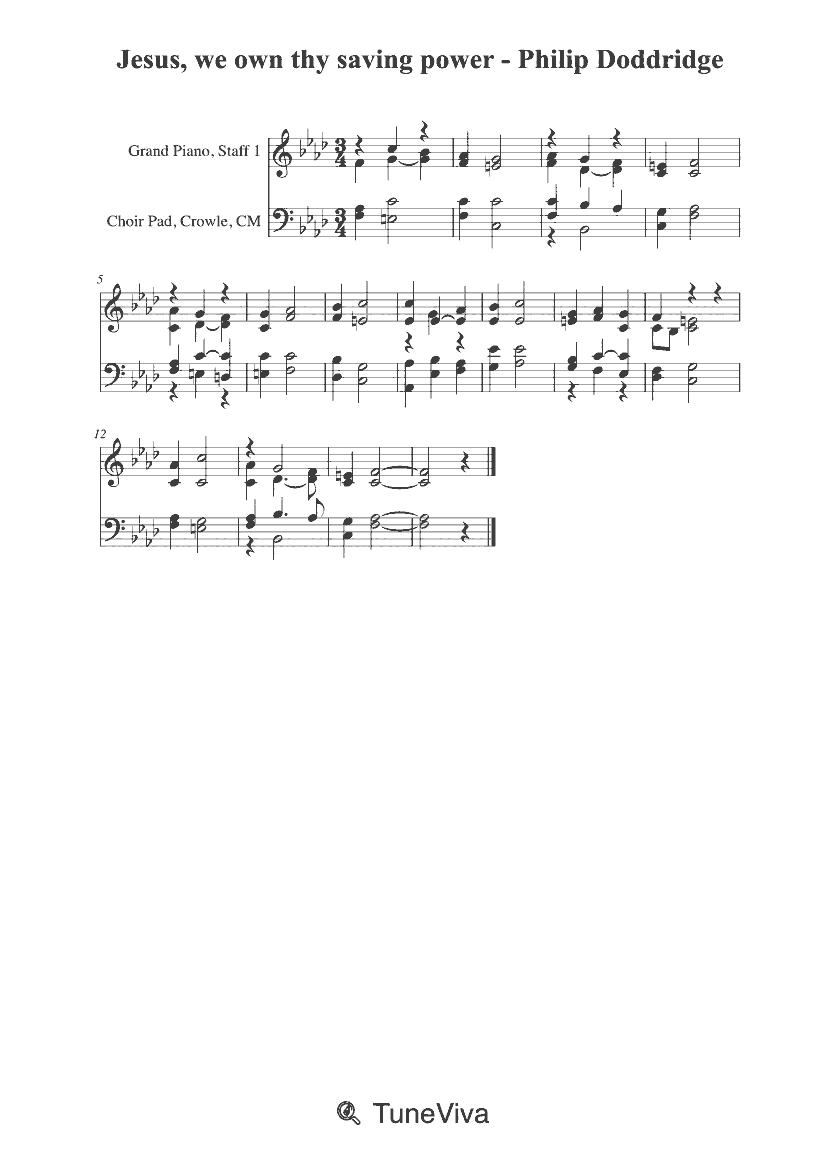
Views are modest and evenly spread. 'In one harmonious cheerful song' and 'The Rich Man and Lazarus' lead with six each, followed by 'Jesus, we own thy saving power' at five. The rest sit at three or four.
Philip Doddridge was born in London on 26 June 1702, the last of twenty children of Daniel Doddridge, a dealer in oils and pickles. His mother died when he was eight and his father in 1715; a guardian then squandered his inheritance, and the Presbyterian minister Samuel Clarke of St Albans took him in and guided his education. Doddridge entered the Dissenting academy at Kibworth in Leicestershire in 1719, taught there briefly, and in 1723 moved to the academy at Market Harborough, which became the Northampton Academy. In 1729 he accepted the pastorate of the Independent congregation at Northampton, where he preached until his death.
He wrote more than 400 hymns, most of them as summaries of his sermons, and they were not published in his lifetime. His friend Job Orton issued 370 of them in 1755 as Hymns Founded on Various Texts in the Holy Scriptures. Aberdeen awarded him a doctorate in 1736, and his best-known prose work, The Rise and Progress of Religion in the Soul, appeared in 1745. He sailed for Lisbon on 30 September 1751 and died there of tuberculosis on 26 October, aged 49.
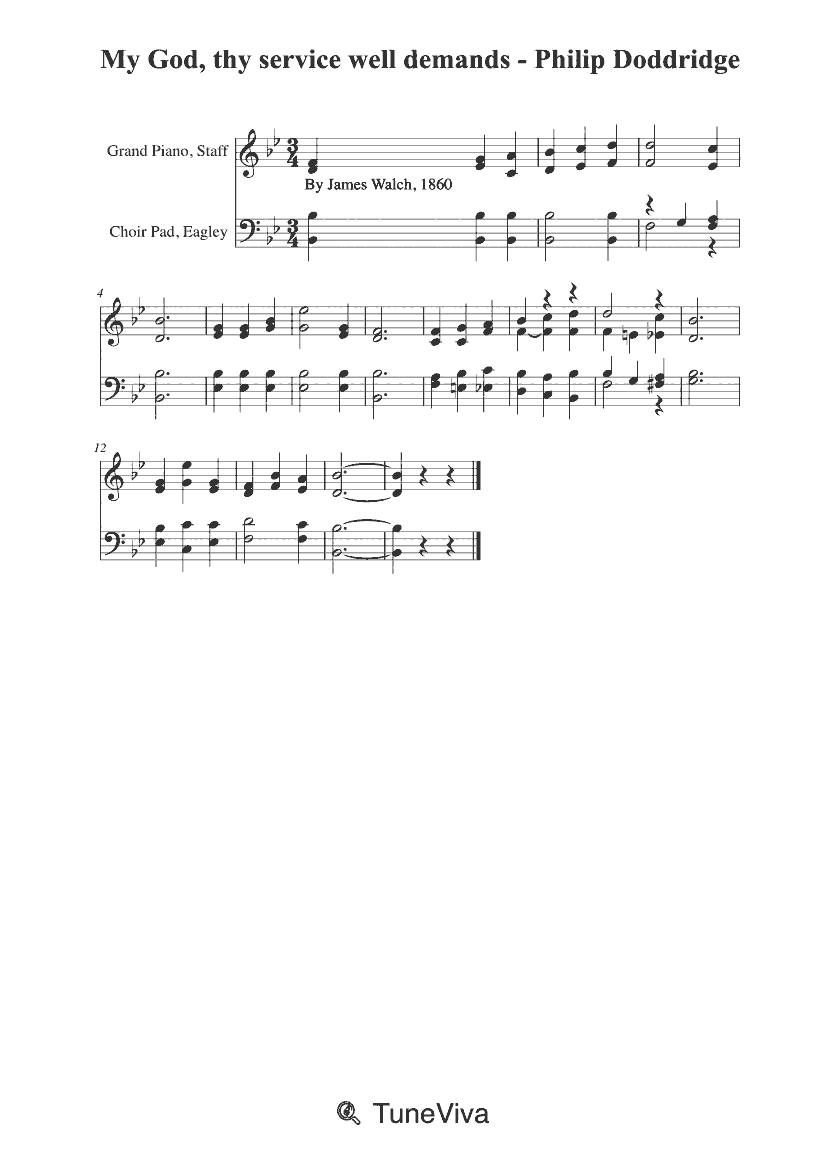
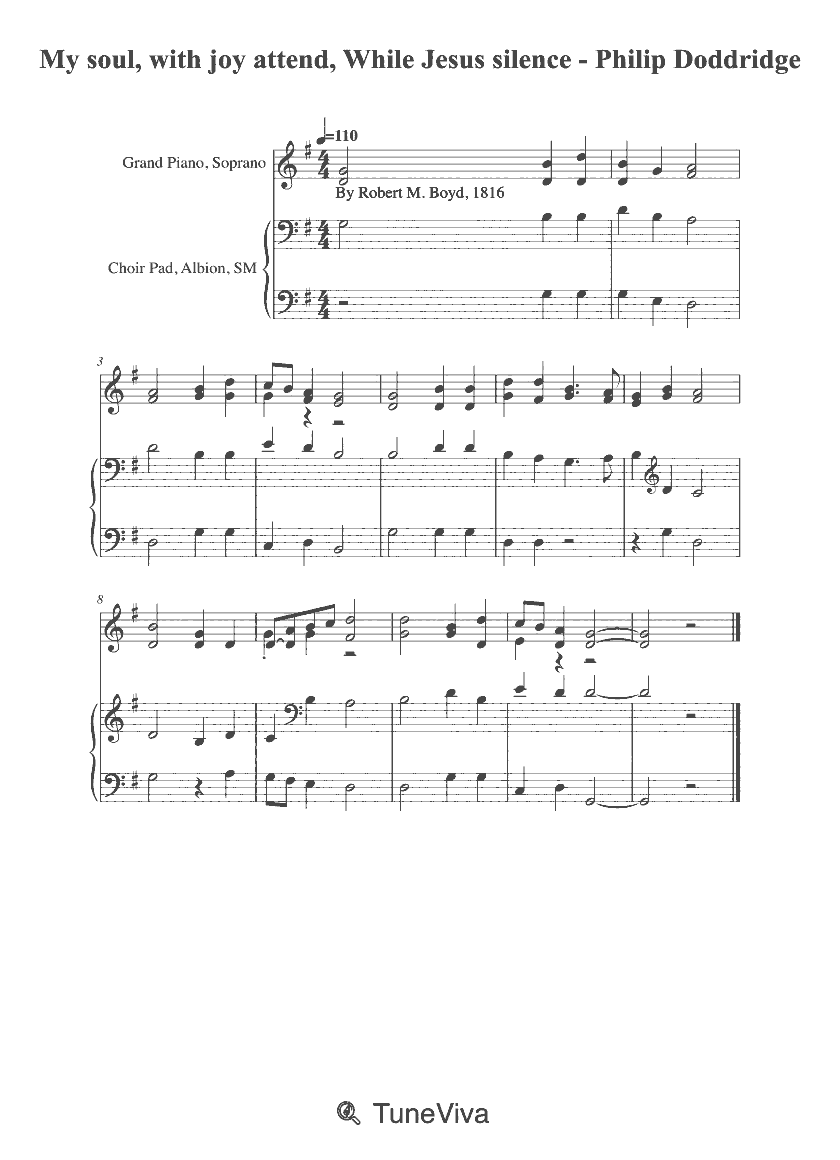
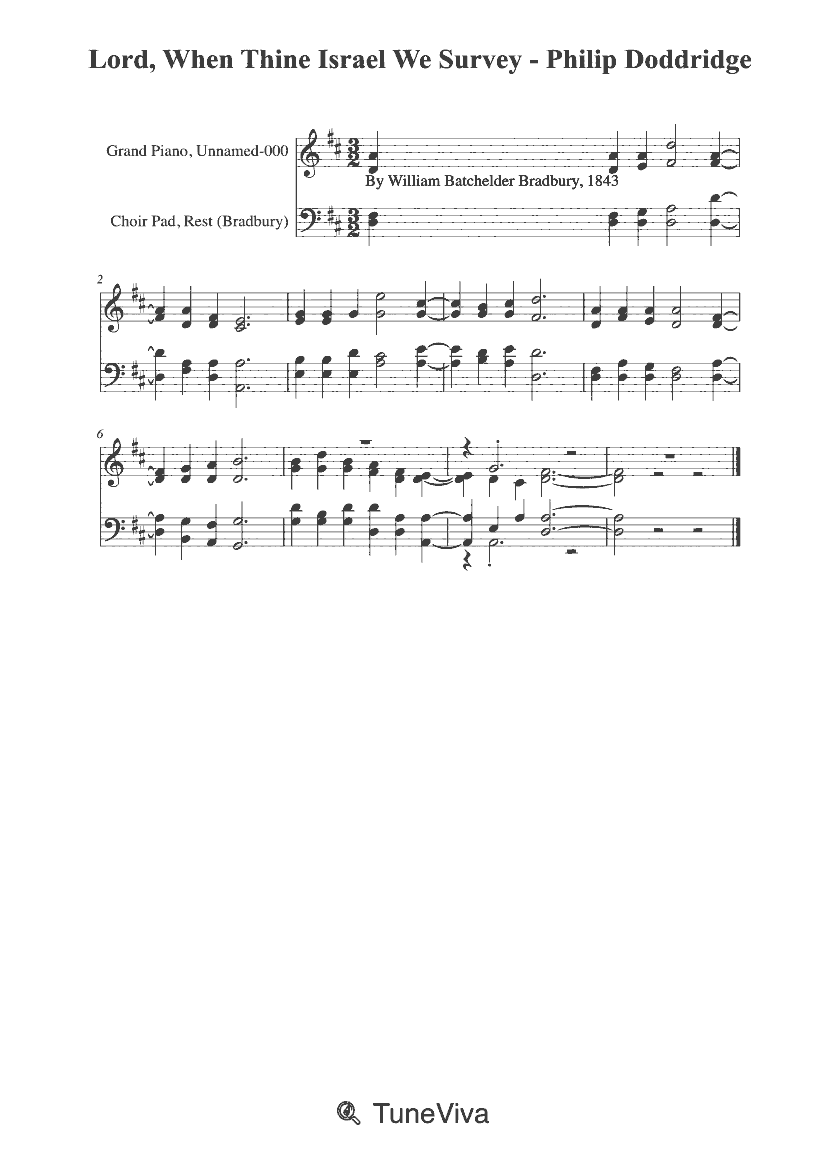
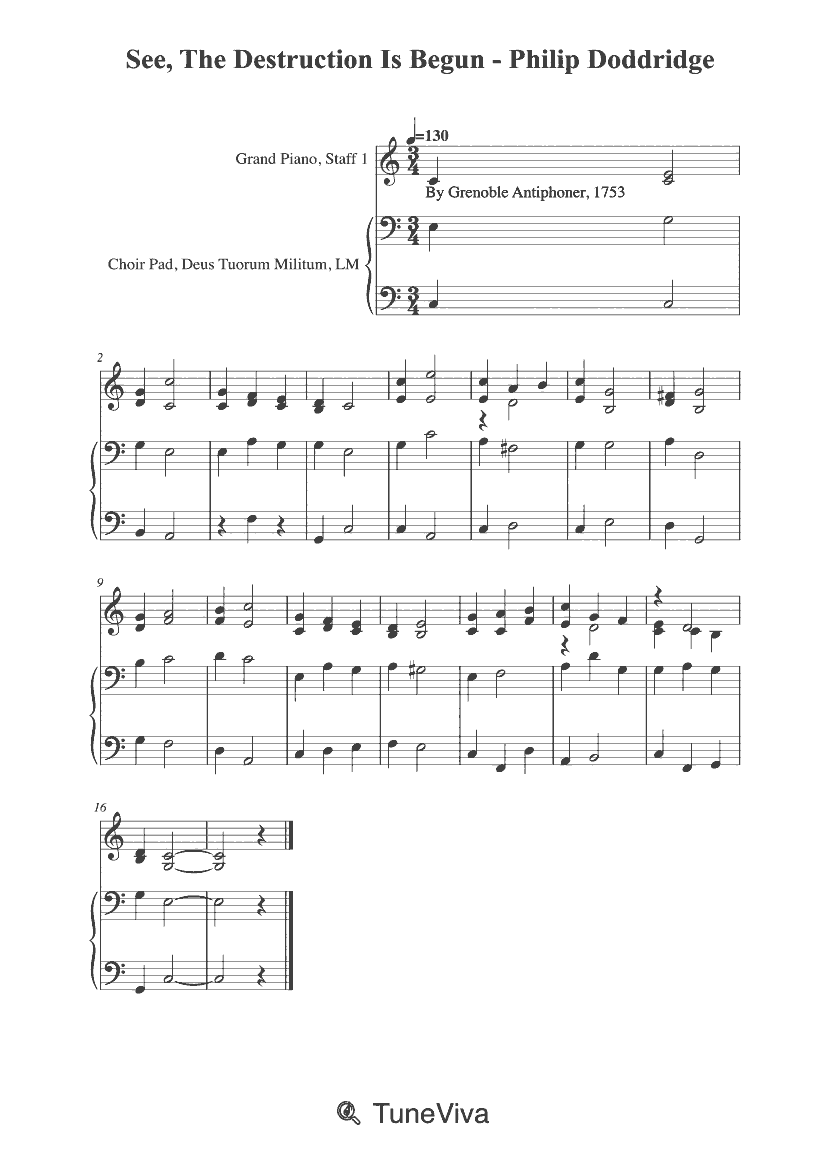
Most of the catalogue's titles are first lines, and the texts range from Christmas and ascension hymns to a versified parable of the rich man and Lazarus. The tunes are not identified in the entries, so the 16 minutes describe the length of the settings rather than a single performing version. Two of the texts have stayed in modern hymnals: 'In one harmonious cheerful song' appears in sixteen hymnals, and the Lazarus hymn opens 'In what confusion earth appears'.
These are strophic hymns, so the tune carries the form: choose one that fits the metre and let the words govern the pace. Doddridge's lines are plain and often end in a direct address, which works best without heavy rubato. In the longer texts, keep the repeats of the opening phrase light so that the final stanza still registers as a conclusion. If you are accompanying on organ, save the fuller registration for the last verse rather than the first.
A hymn of praise, recorded in sixteen hymnals and often sung to Arne's tune Arlington; it is the joint most-viewed text on the page.
A versified treatment of Luke 16; the catalogue uses the parable as its title, while hymnals begin with 'In what confusion earth appears'.
A short hymn on redemption, one of the texts Orton gathered in 1755; the entry names no tune.
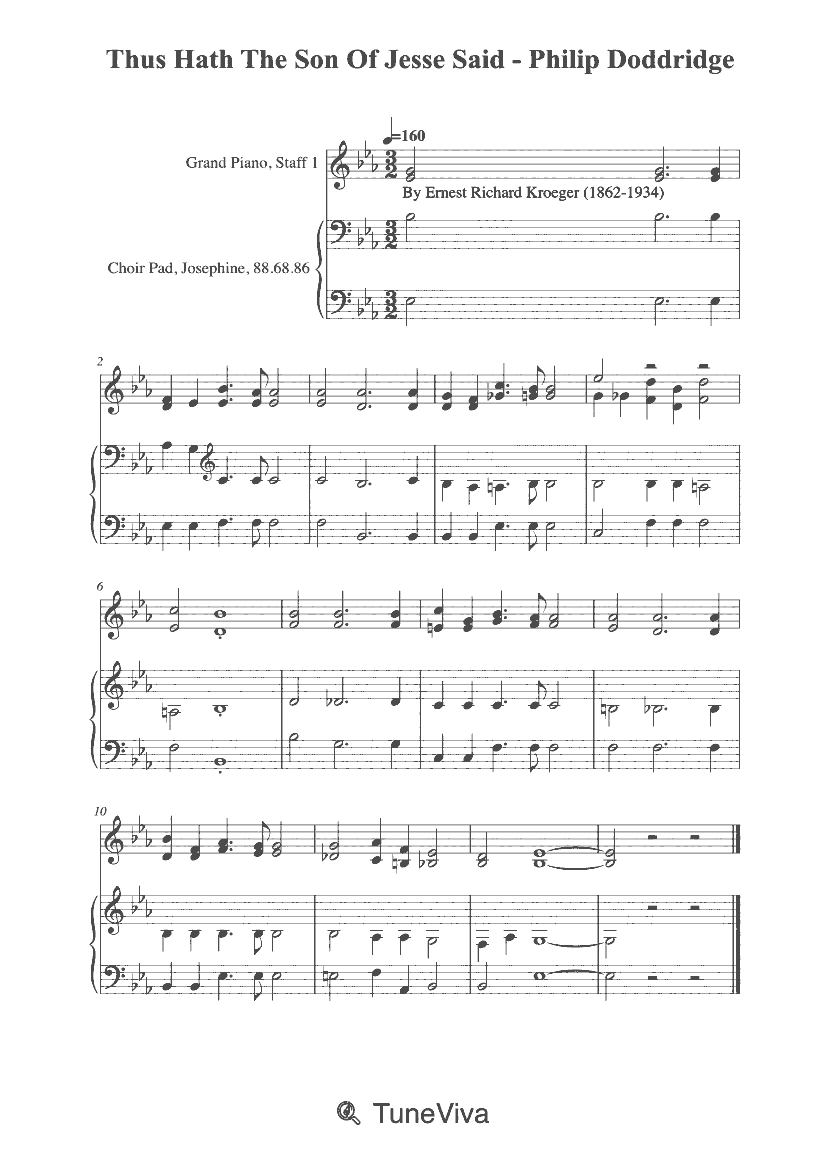
A hymn drawn from 2 Samuel 23, David's last words; its title paraphrases the opening of the prophecy.
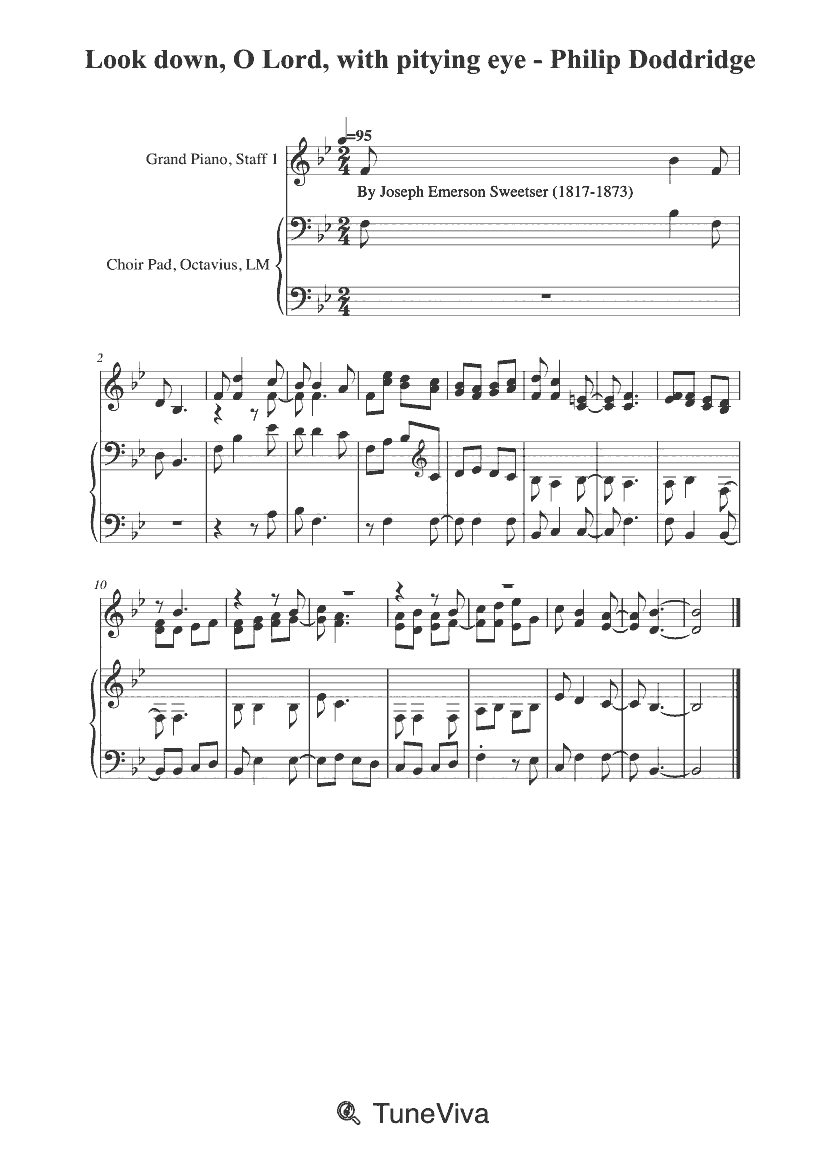
A prayer for mercy in the plain style Doddridge used to close his sermons; the catalogue gives only the text.
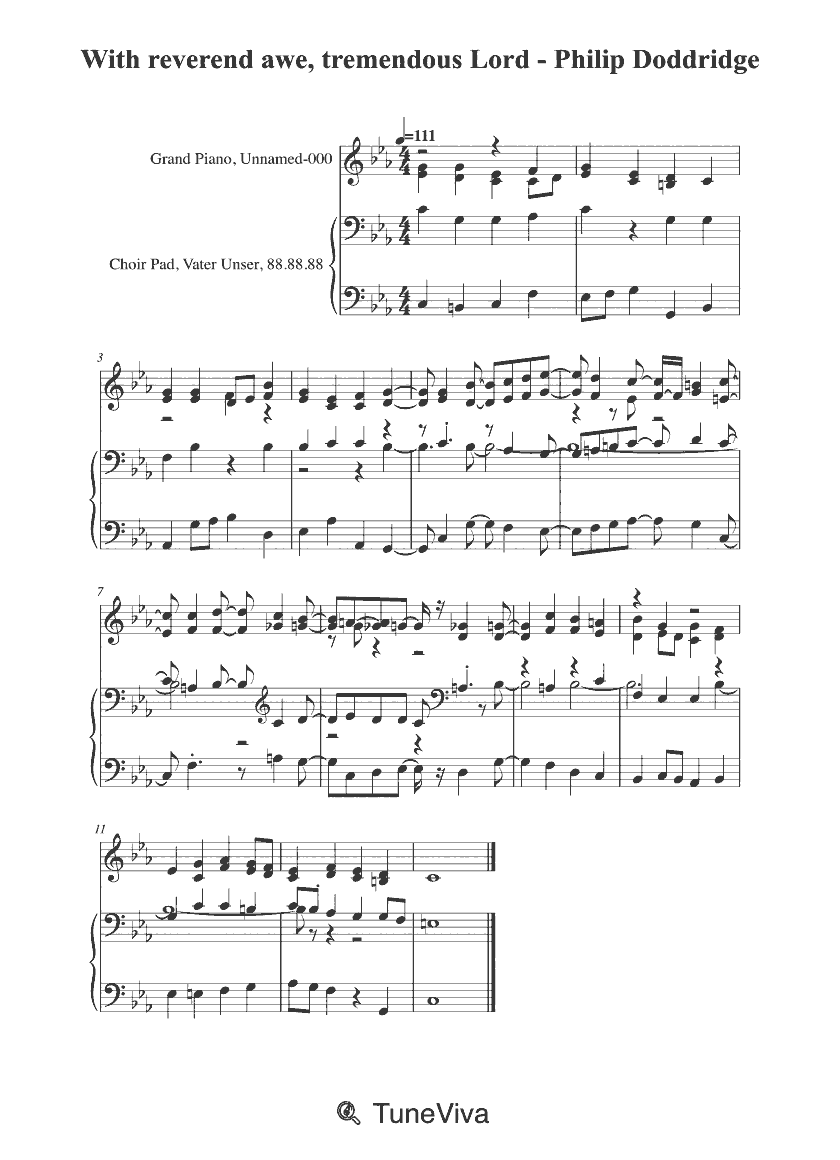
A hymn of worship addressed to the 'tremendous Lord'; the title keeps the older 'reverend' for 'reverent'.
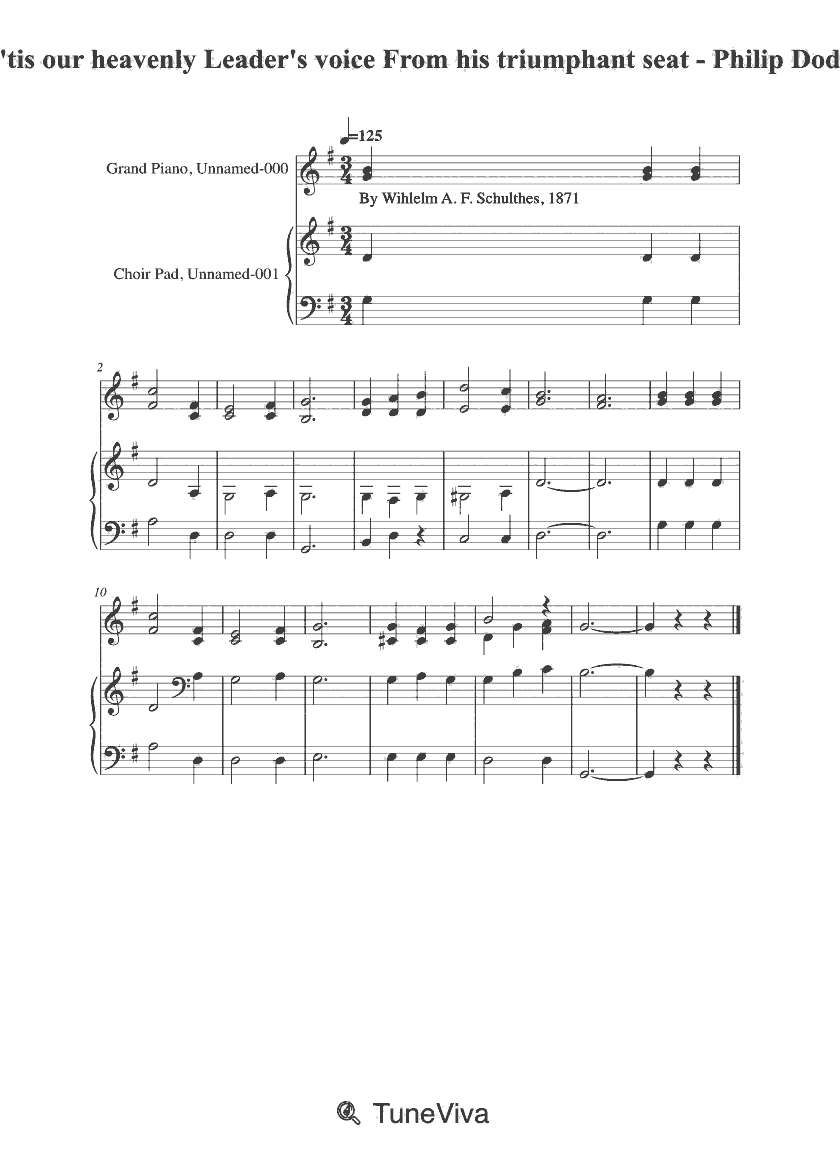
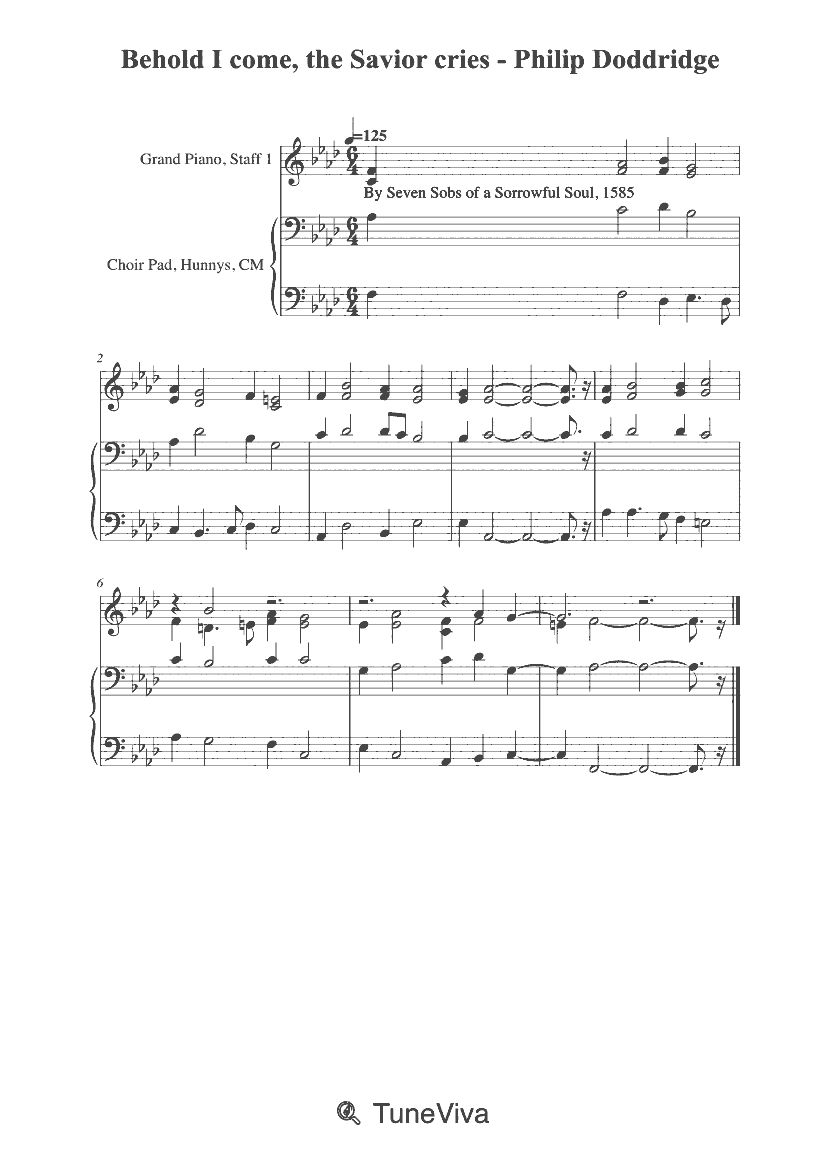
An ascension hymn: the 'heavenly Leader' speaks from 'his triumphant seat', and the long title joins the first two lines.
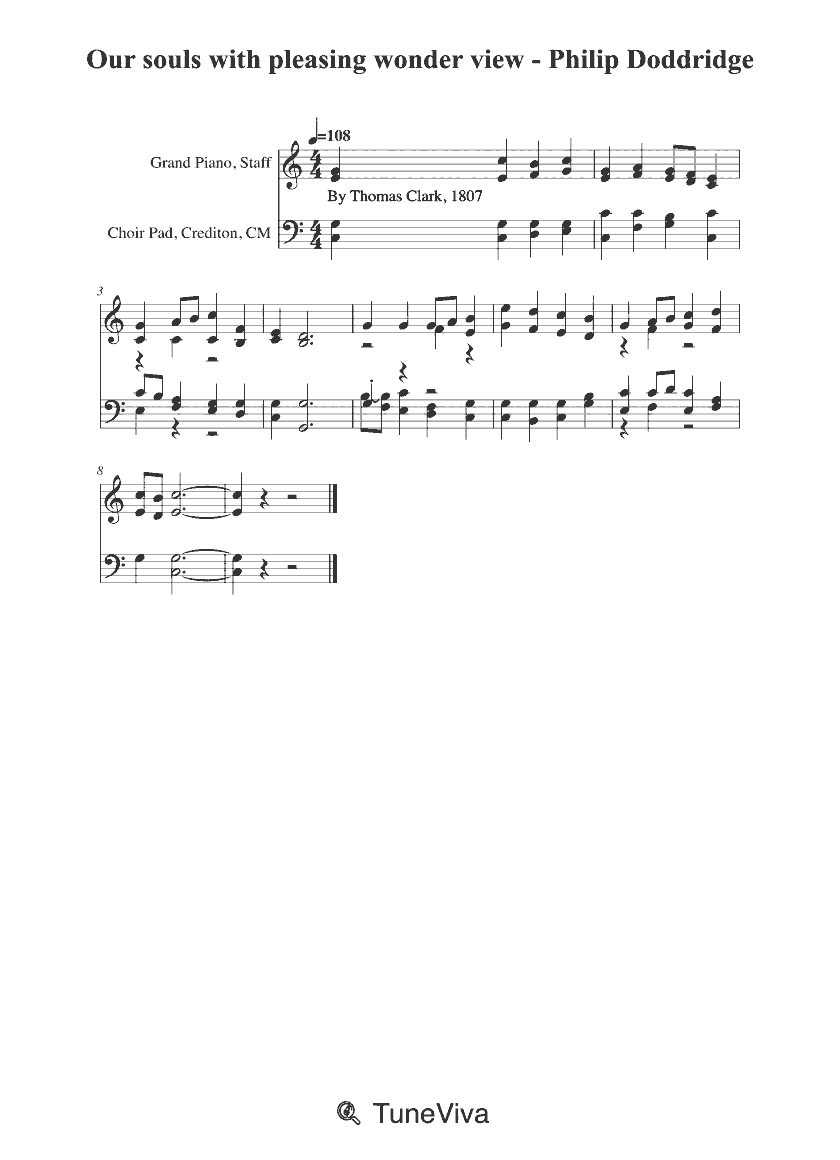
A hymn of wonder at providence, in the short measure shared by many of the Northampton texts.
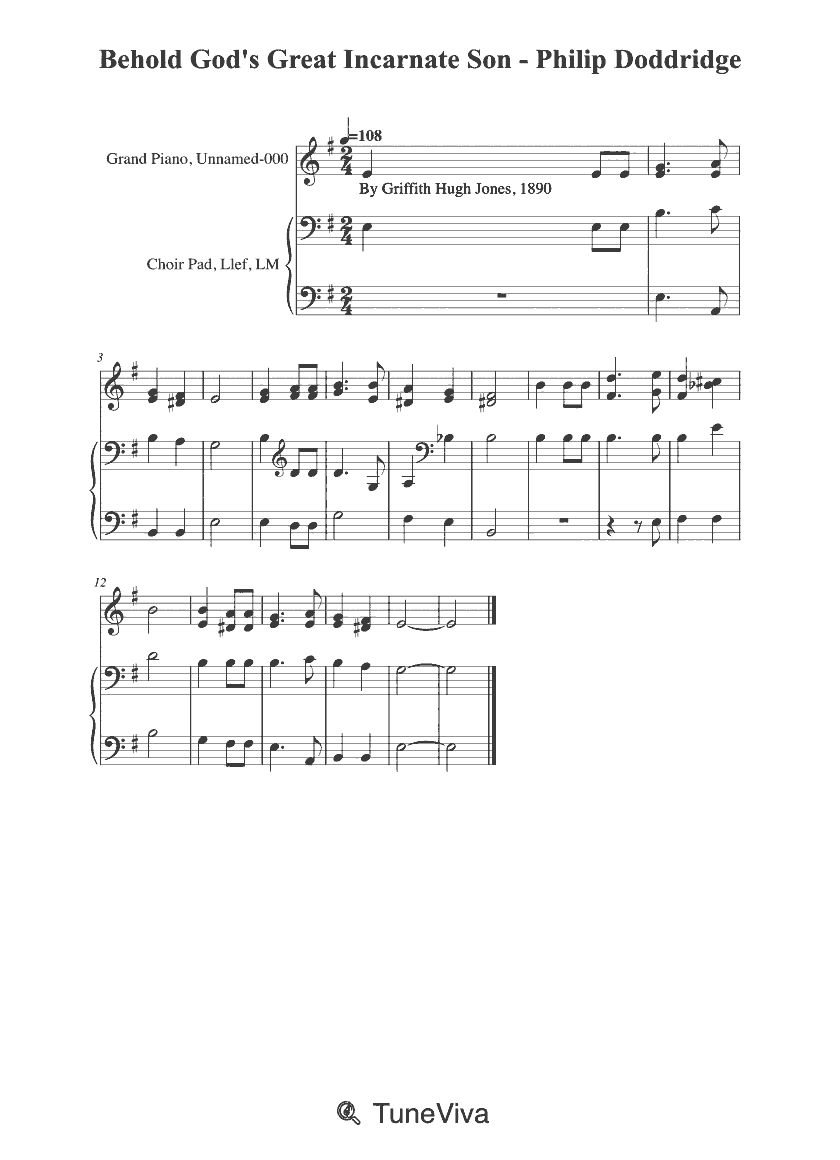
A Christmas hymn on the incarnation, placed with the Advent and Nativity texts in the collection.
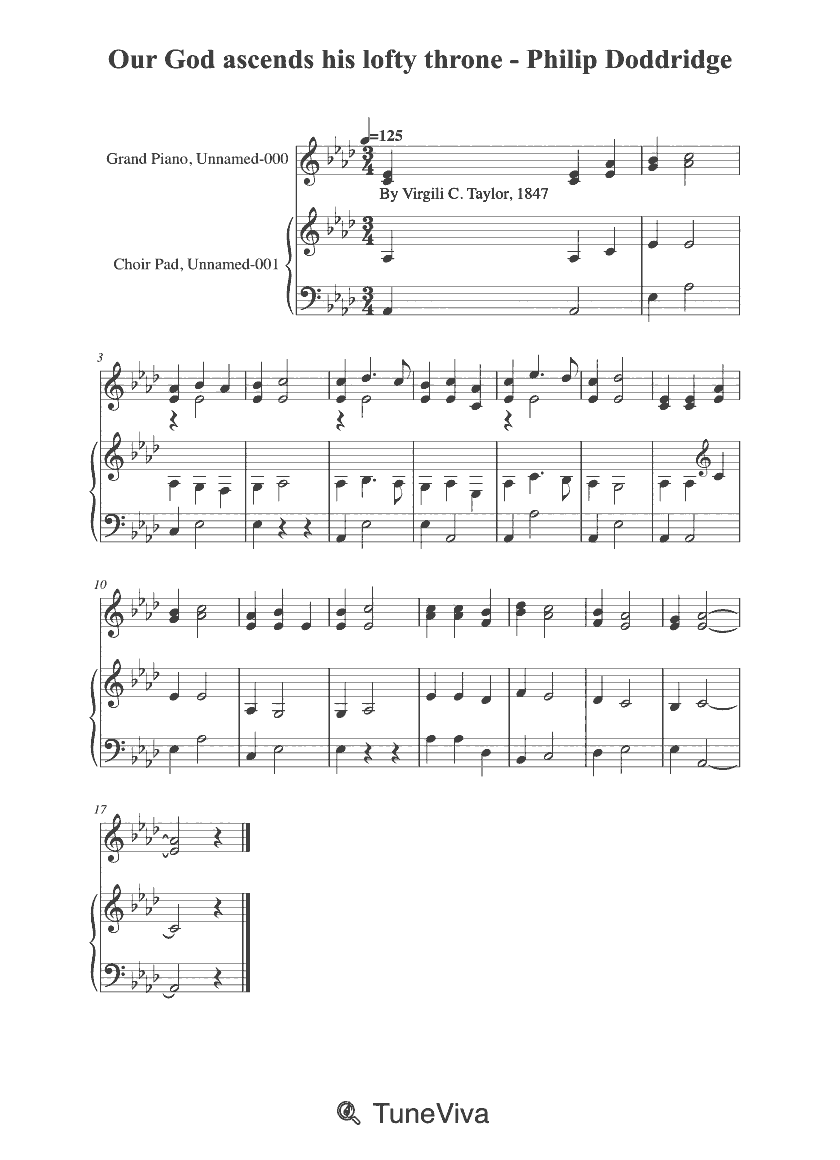
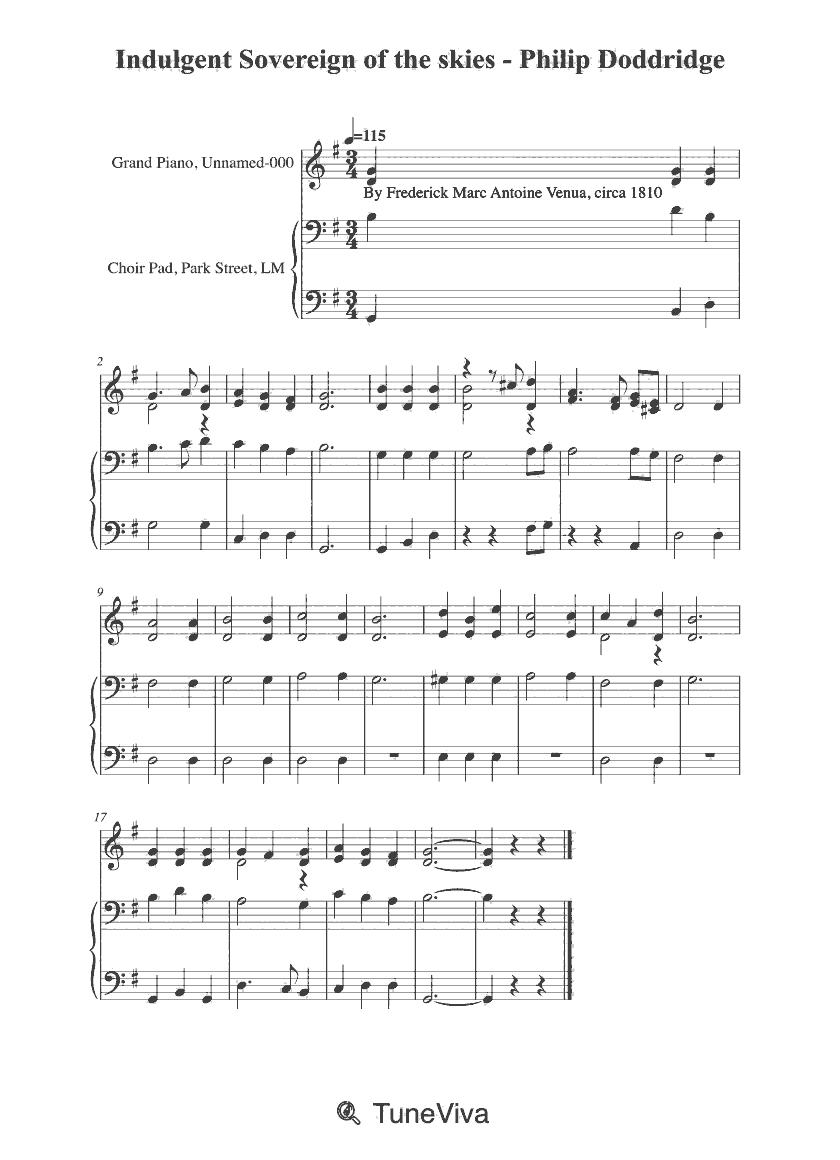
A hymn of divine kingship and ascension, closing this selection with the image of God taking his throne.
There are 31, running to about 16 minutes of music and 4,373 notated notes. Twenty-nine of them include lyrics.
They are the hymn texts, filed under Doddridge as their author. The catalogue does not name the tunes or the composers who wrote them, so the musical setting may differ from one hymnal to another.
Not during his lifetime. Job Orton prepared 370 of them for the 1755 collection Hymns Founded on Various Texts in the Holy Scriptures, and later editions added more.
The catalogue uses the subject of the hymn rather than its first line. In hymnals the same text begins 'In what confusion earth appears'.
Catalog editions and arrangements attributed to Philip Doddridge.