classical
1 tracks
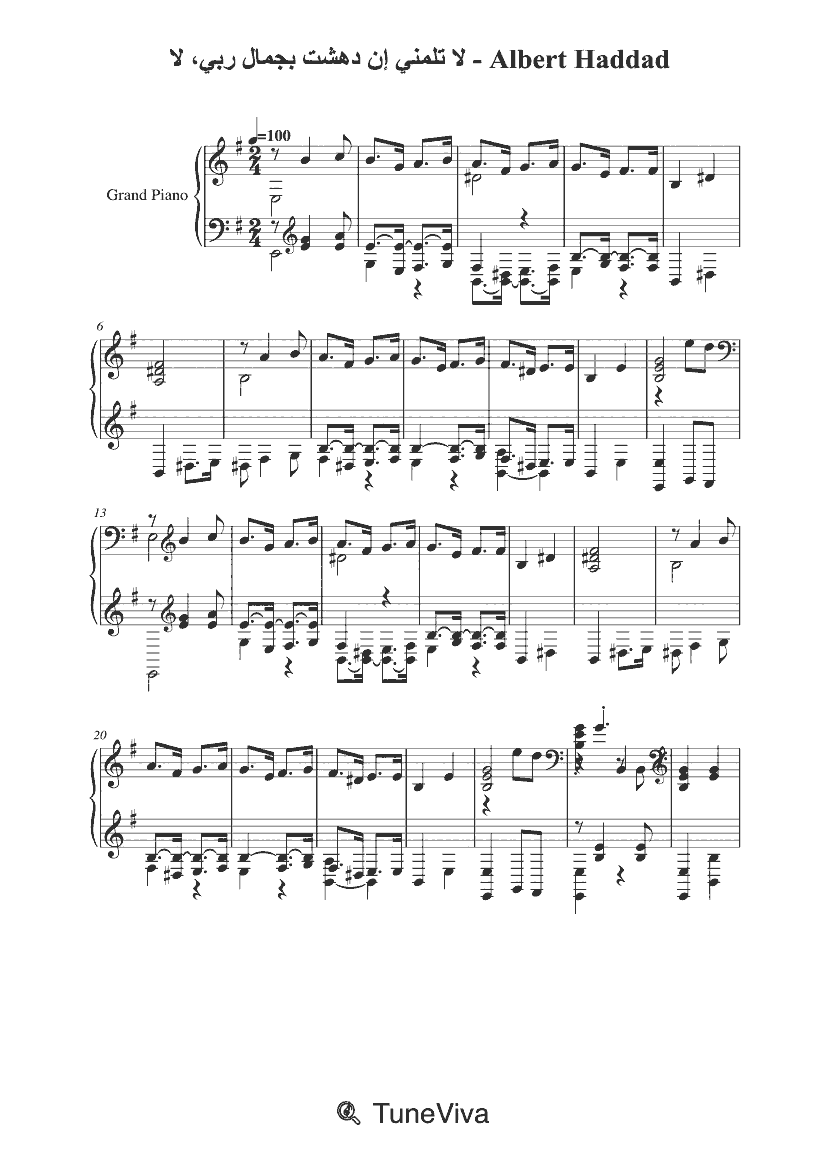
Albert Haddad wrote melodies for Arabic hymns, and the catalogue holds 39 of them: about 25 minutes of music and 9,122 notated notes, with 9 files carrying the words. The titles are first lines in Arabic, and nearly all of them end with the composer credit, so a file reads “يا محبا مات عن جنس البشر - Albert Haddad”. The settings are short — most run between 13 and 25 bars, and the longest, a Hallelujah refrain, reaches 55. The most-viewed is “تحت السلاح في حمى رب الجنود”, followed by “يا محبا مات عن جنس البشر”.
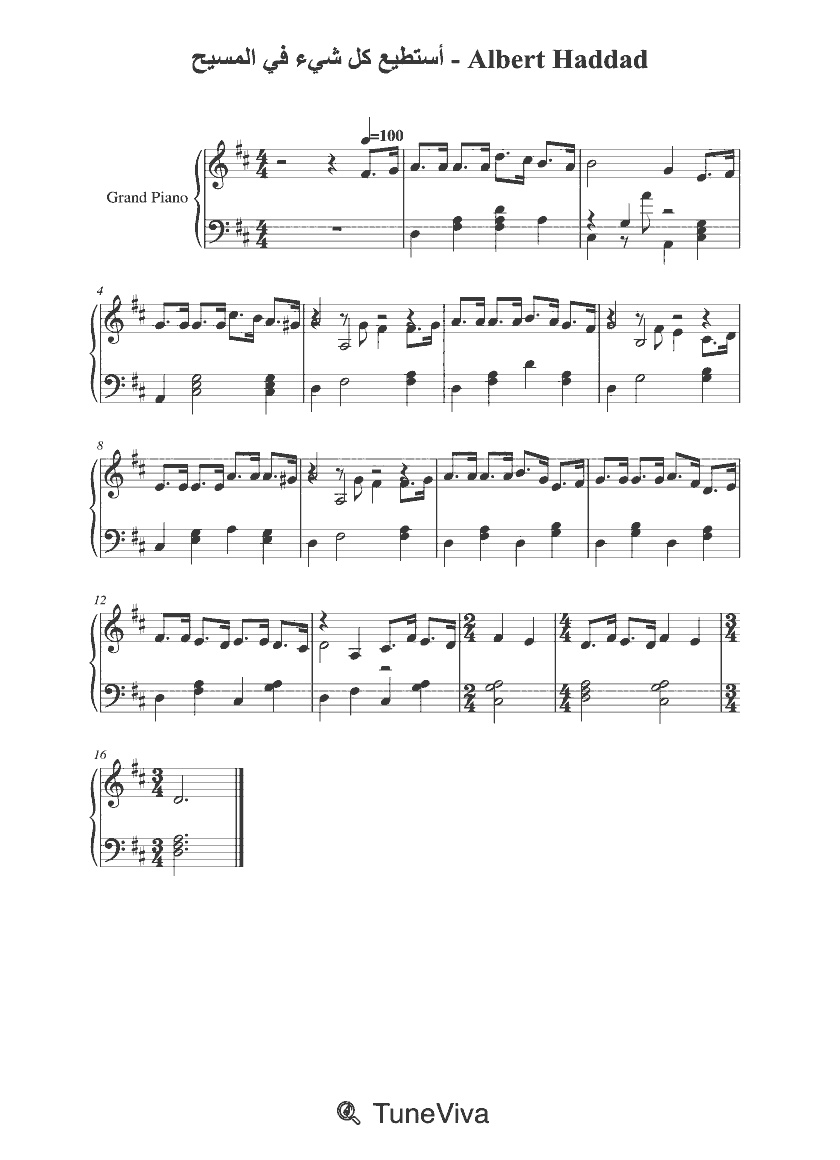
The documented record of Haddad's life is thin, but his work as a hymn composer is not. Hymn indexes credit him with melodies in Arabic, dated 1967, 1970 and 1974 in the index's entries for individual hymns, and gathered in the hymnal “ترانيم الإيمان” (Taraneem al-Iman), printed in 1990 and still used in Arabic-speaking evangelical churches. The words he set came from living writers: Sami Hamarneh and Said Baz supplied texts, and Fawwaz Omeish translated others. At least one entry in the same book credits Haddad with the words as well as the tune, the 1974 “أستطيع كل شيء في المسيح”. Nothing in these sources gives a birth or death date, a birthplace or a profession. What the book does show is a circle: Anis Maqdisi, born in Tripoli in 1885, is another contributor, which places the hymnal in the Lebanese and Syrian Protestant milieu rather than the Coptic one.
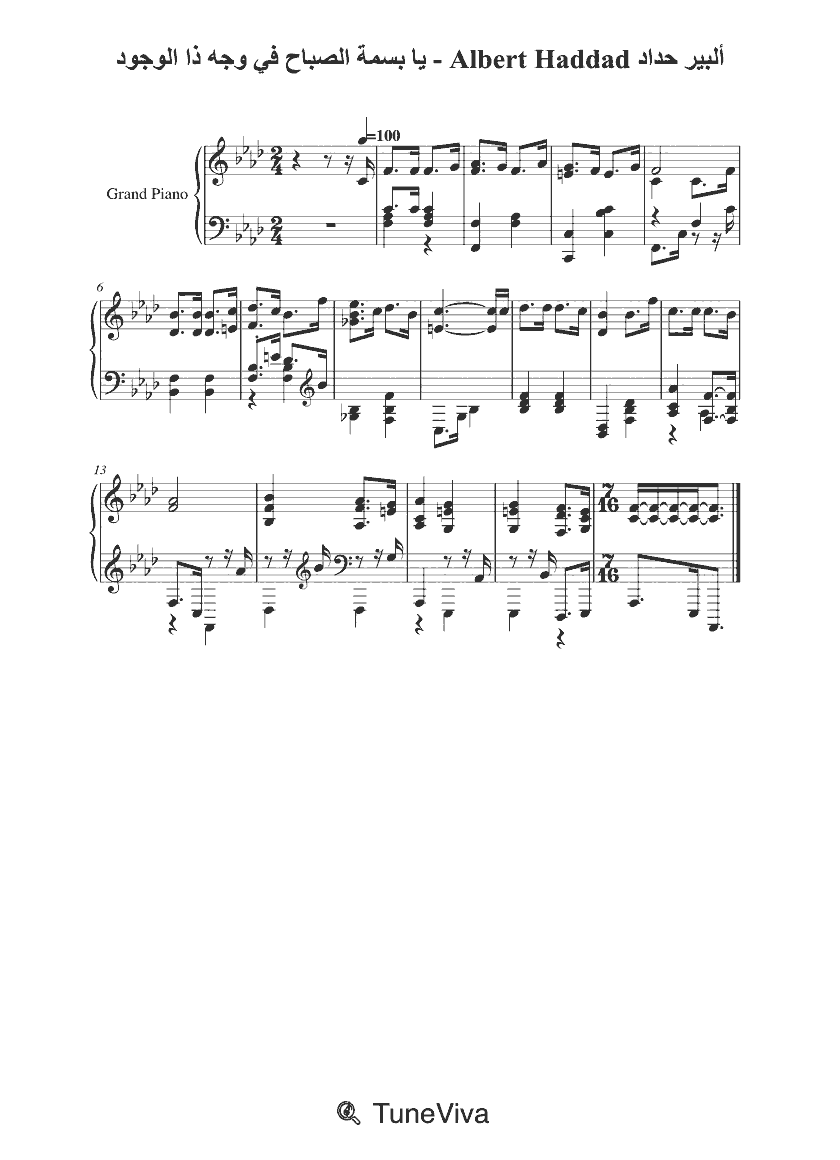
The catalogue follows the hymnal's habits rather than a composer's career. All 39 files are filed as classical, none as sacred music, and the difficulty range is narrow: 26 at index 1 and 13 at index 2. Nine files carry a text; the rest are melody only. Arabic titles are kept in their original form, with the composer's name appended after a dash, and one file doubles the name in both scripts, so the credit reads “Albert Haddad ألبير حداد”. Two files lost their first line in the title field and keep it only in the song-name field, which is why one of them is listed below under its first line rather than its file title.
These are vocal lines, so breathe where the words breathe rather than where the bar line falls. The Arabic texts are syllabic and the tunes seldom repeat a phrase without changing the vowel beneath it, which means the words, not the melody, decide the tempo. In the long Hallelujah the refrain returns often enough that a small crescendo on each return works better than one large one. Where a file carries the text, sing through the words before playing the tune; where it does not, the bar count shows how much space a stanza has to fill.
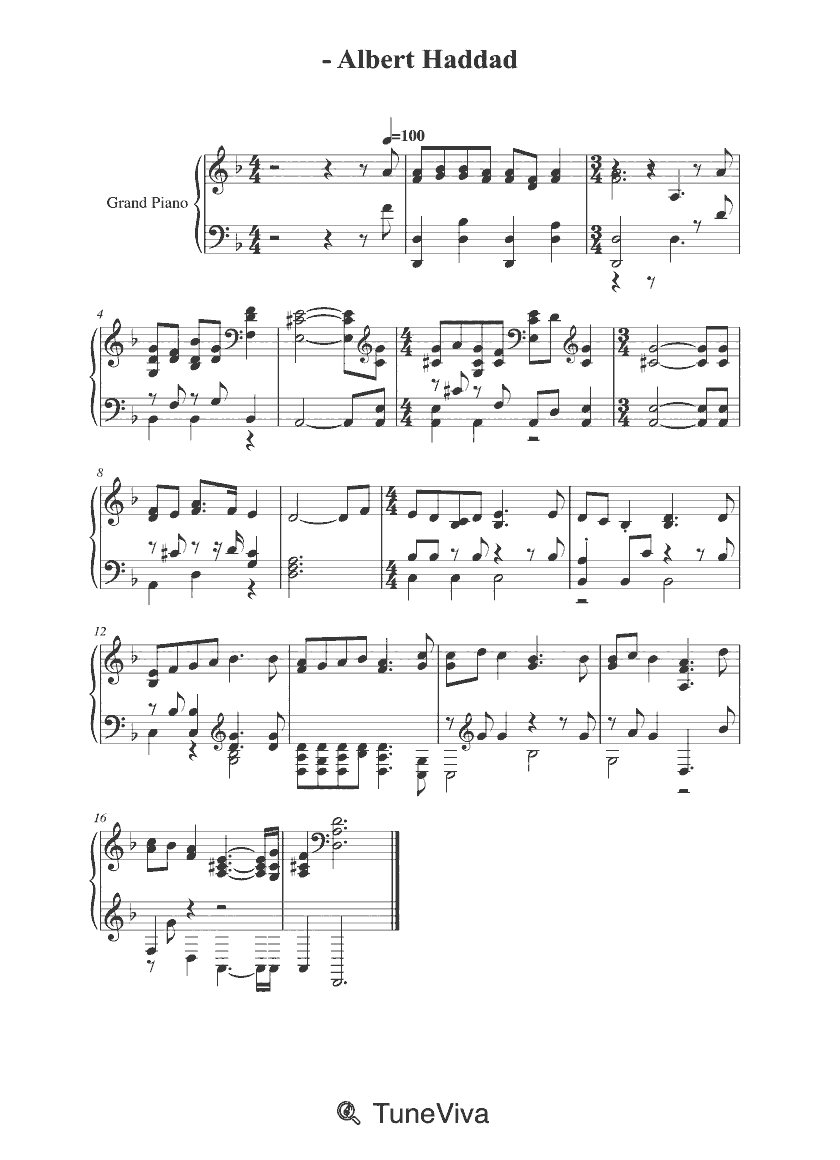
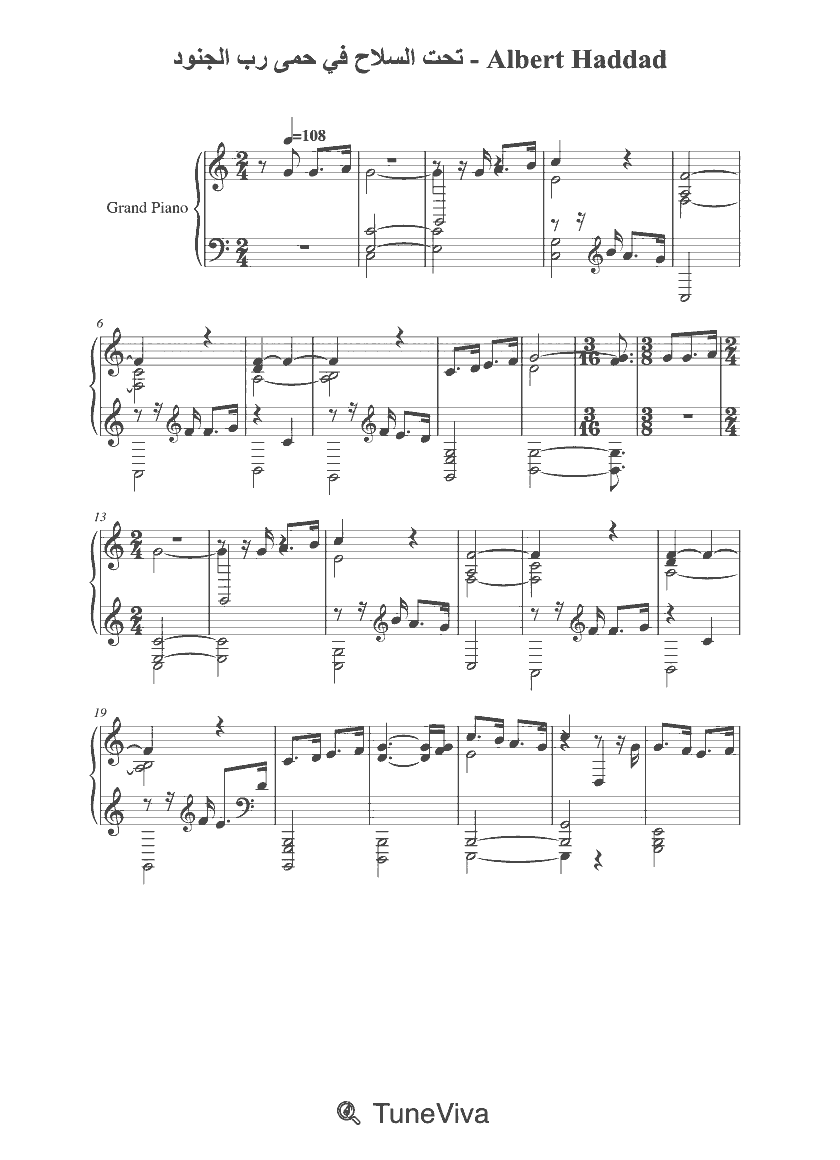
The most-viewed file, 48 bars, whose first line puts the singer under arms in the shelter of the Lord of hosts.
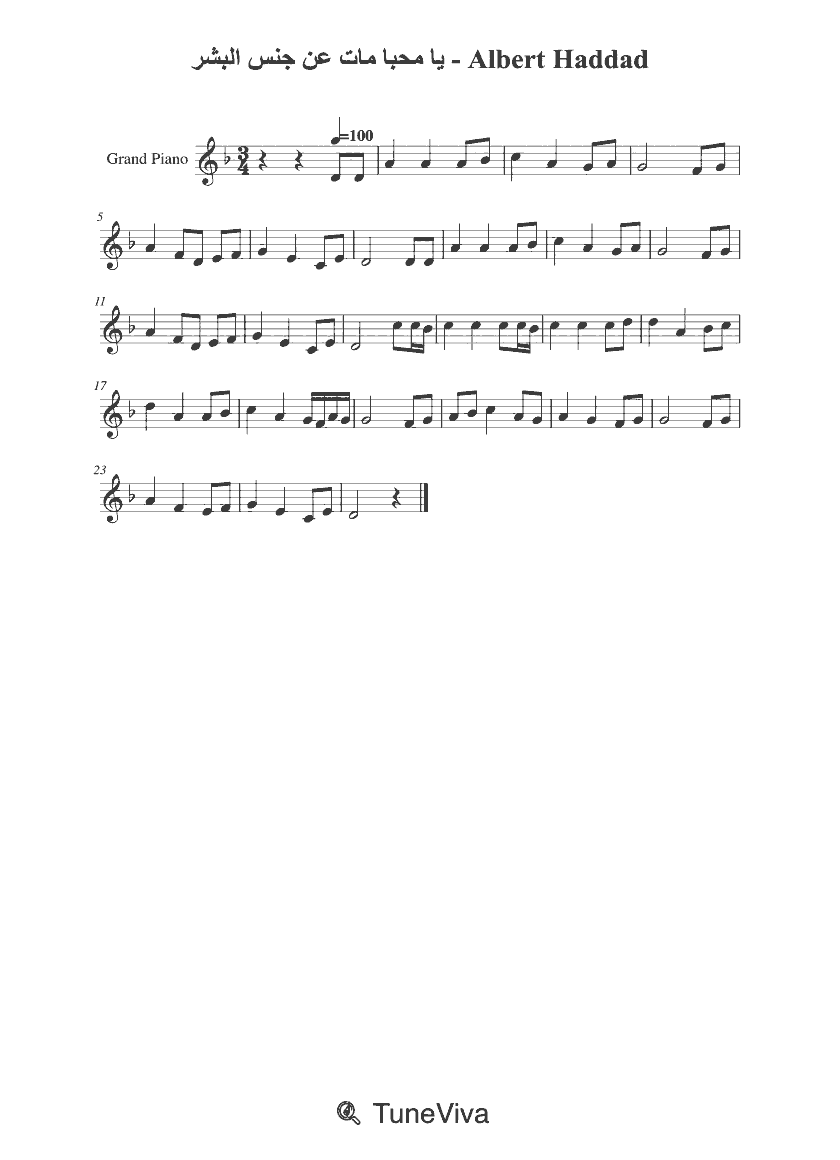
A 25-bar setting of a line addressed to the lover who died for humankind; a hymn index records the same first line under Haddad's name.
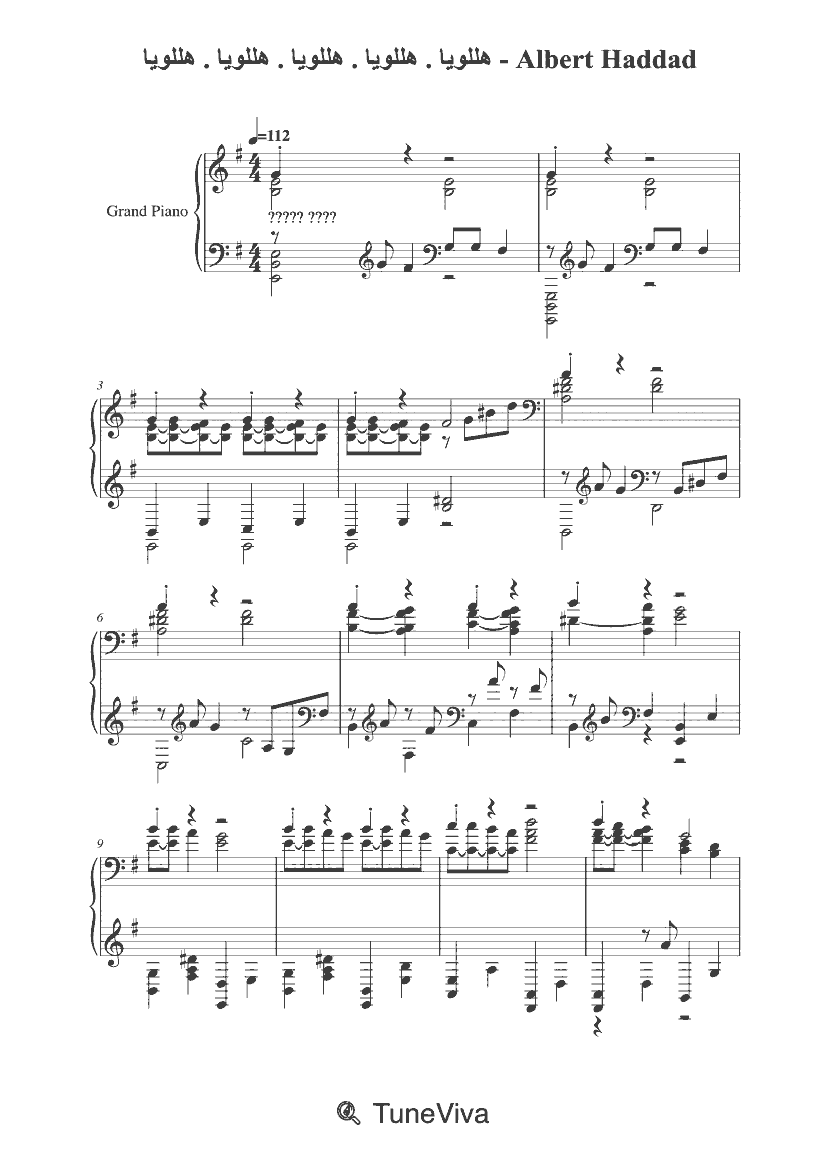
A Hallelujah refrain of 55 bars and 888 notes, the largest file in the collection; the title repeats the word five times.
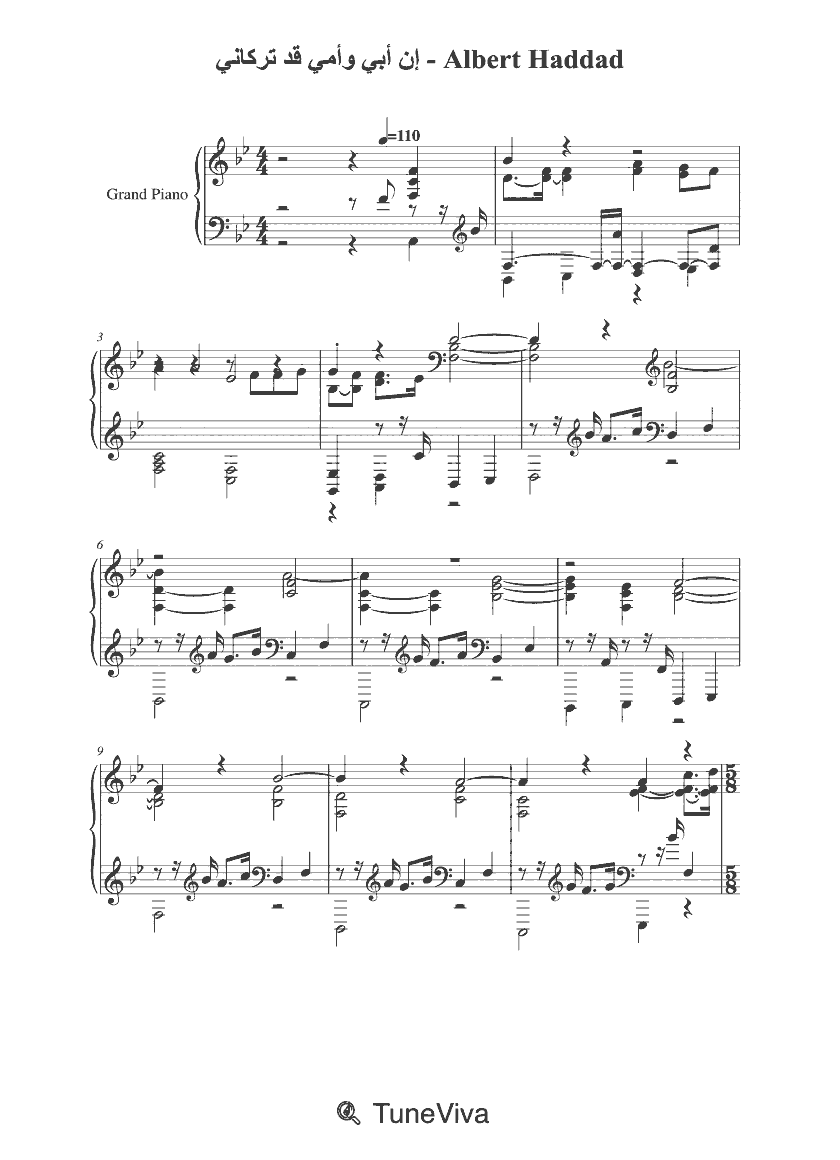
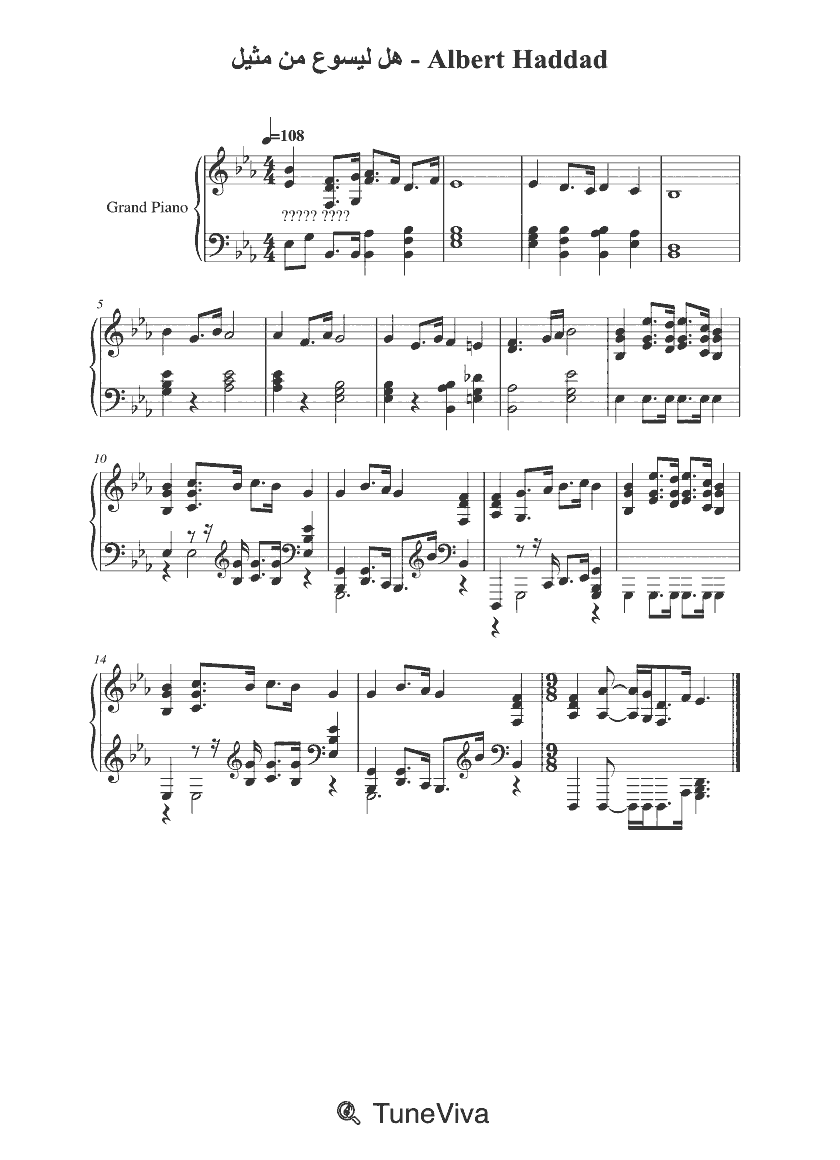
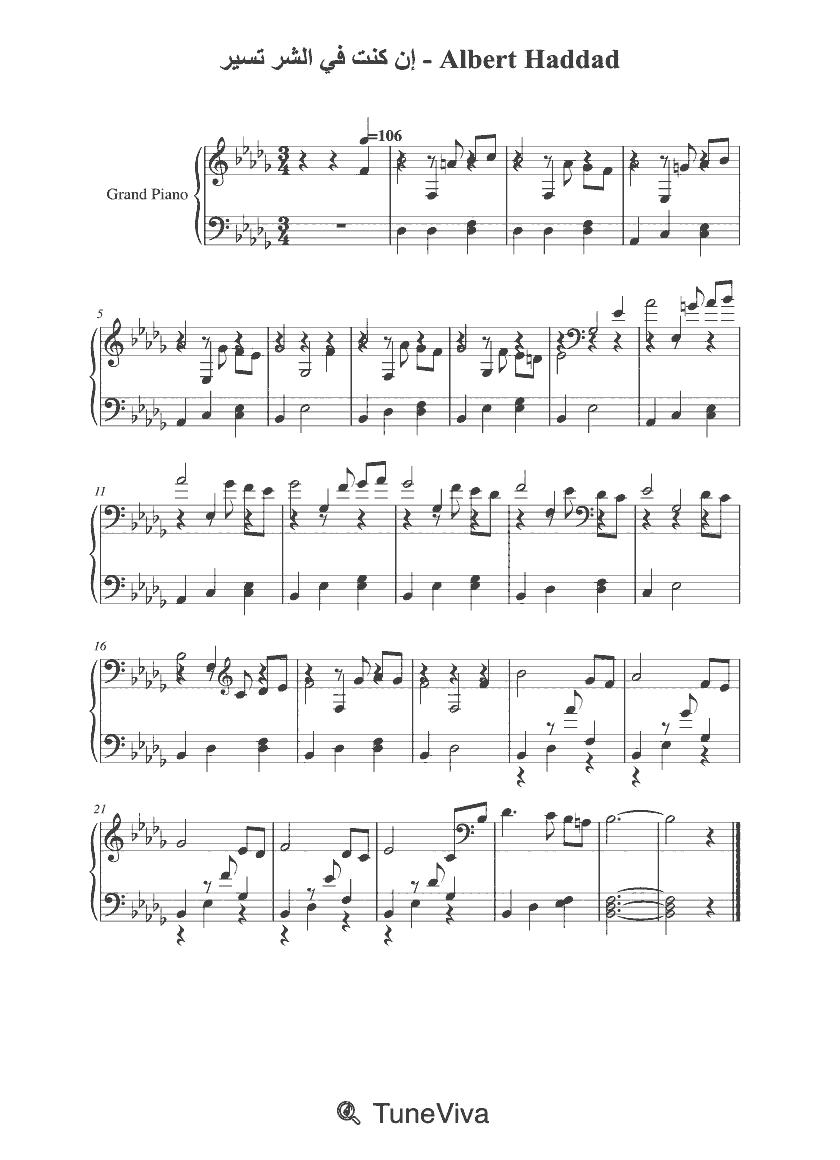
The first line is Psalm 27:10, “when my father and my mother forsake me”; 31 bars, one of the 13 files at complexity index 2.
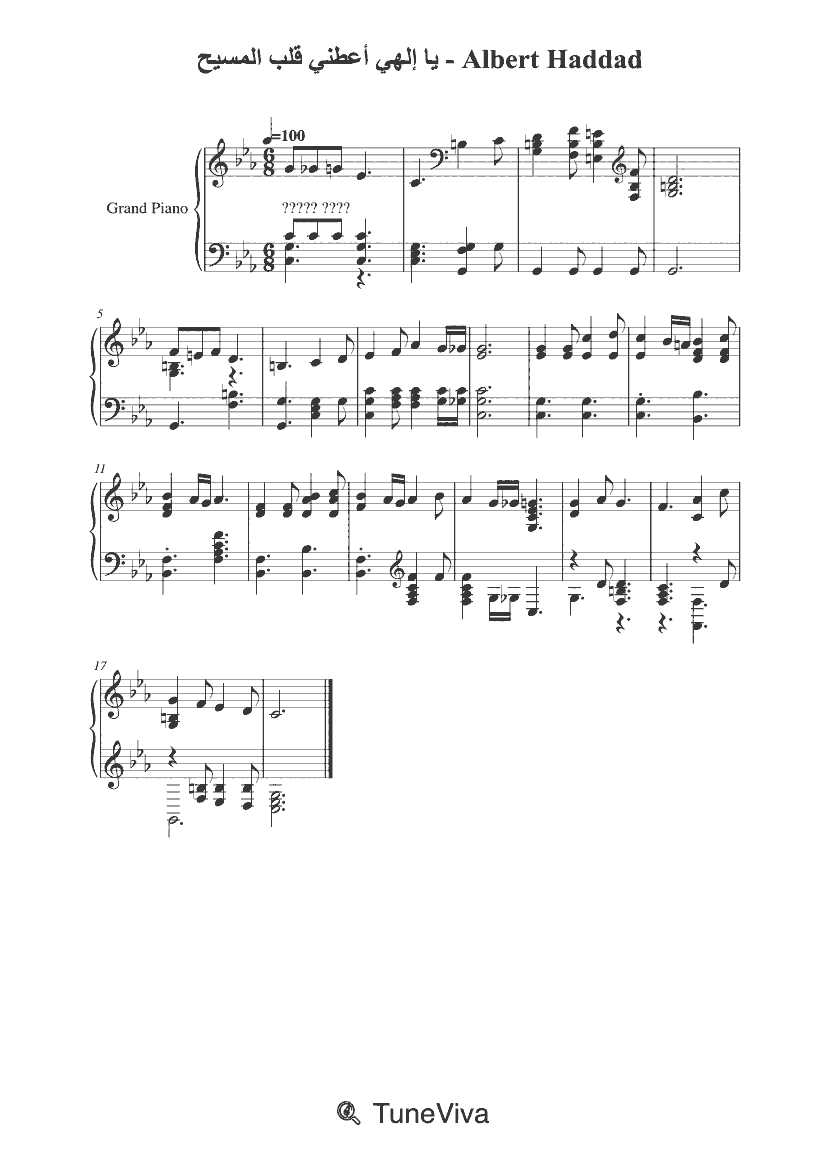
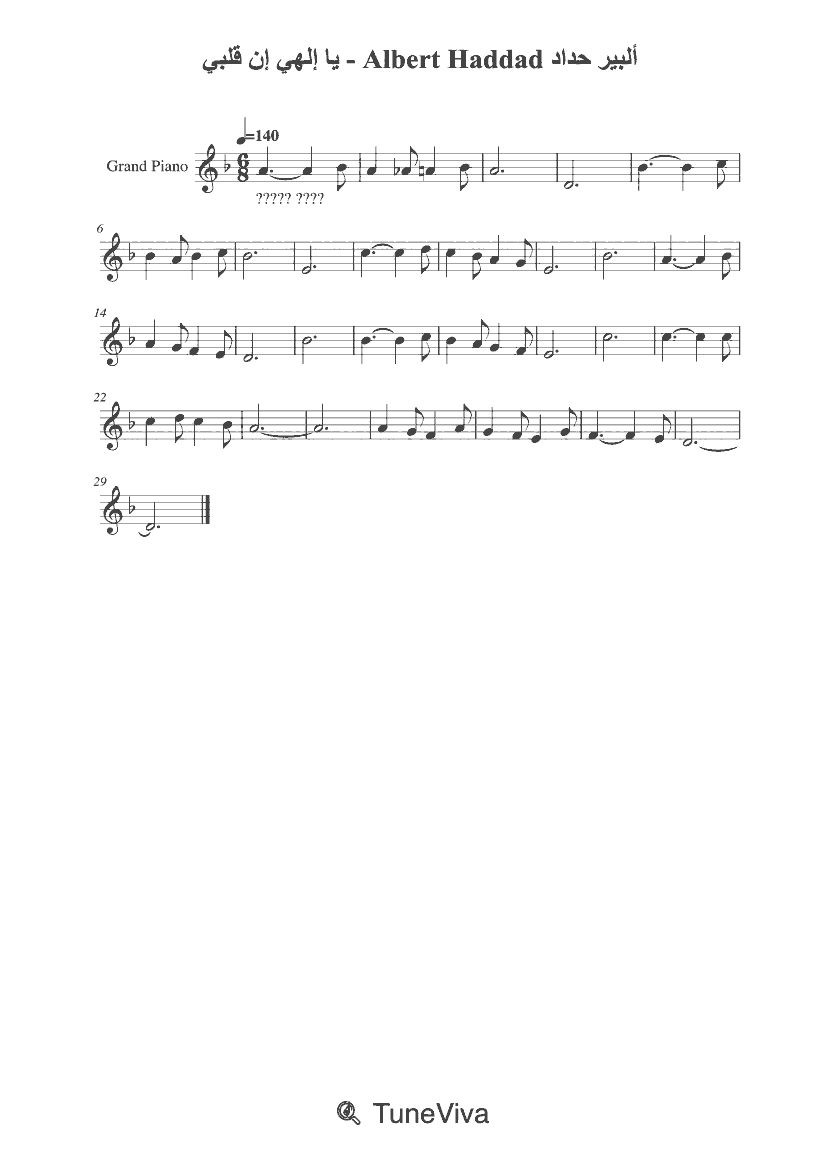
An 18-bar prayer asking for the heart of Christ, and one of the shortest complete settings here.
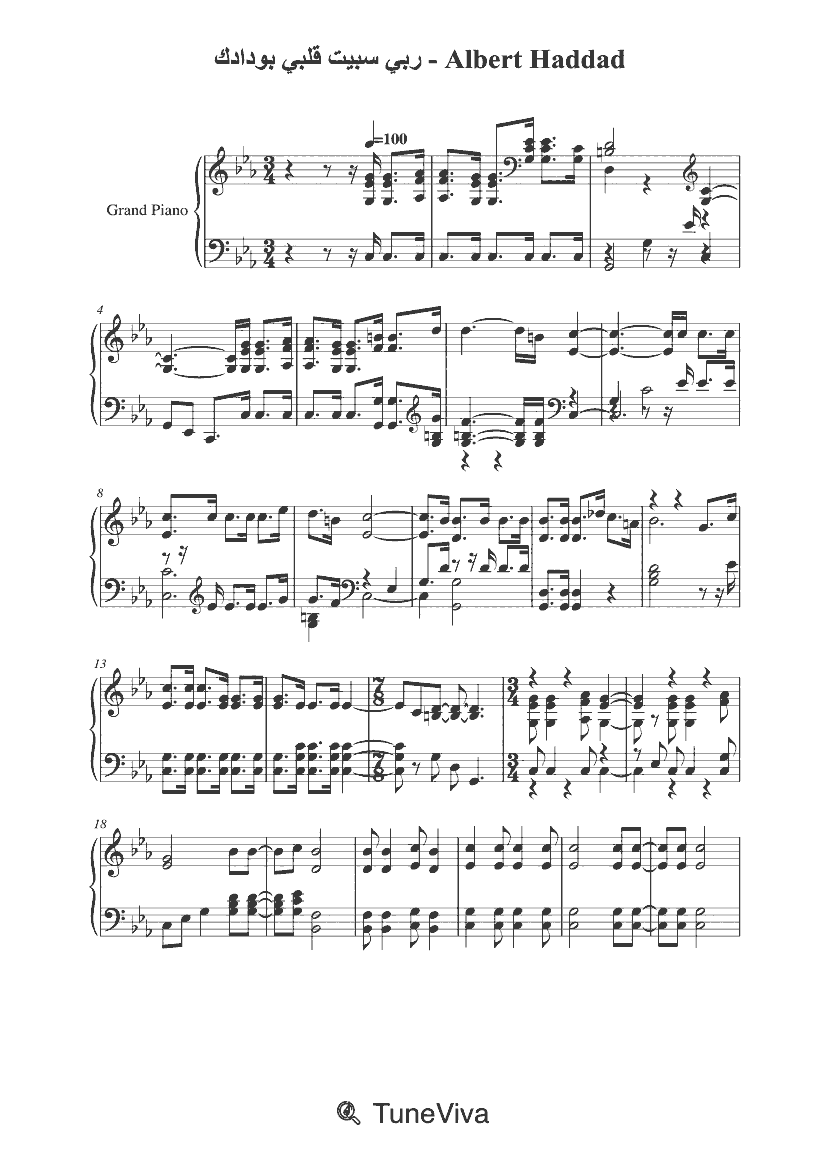
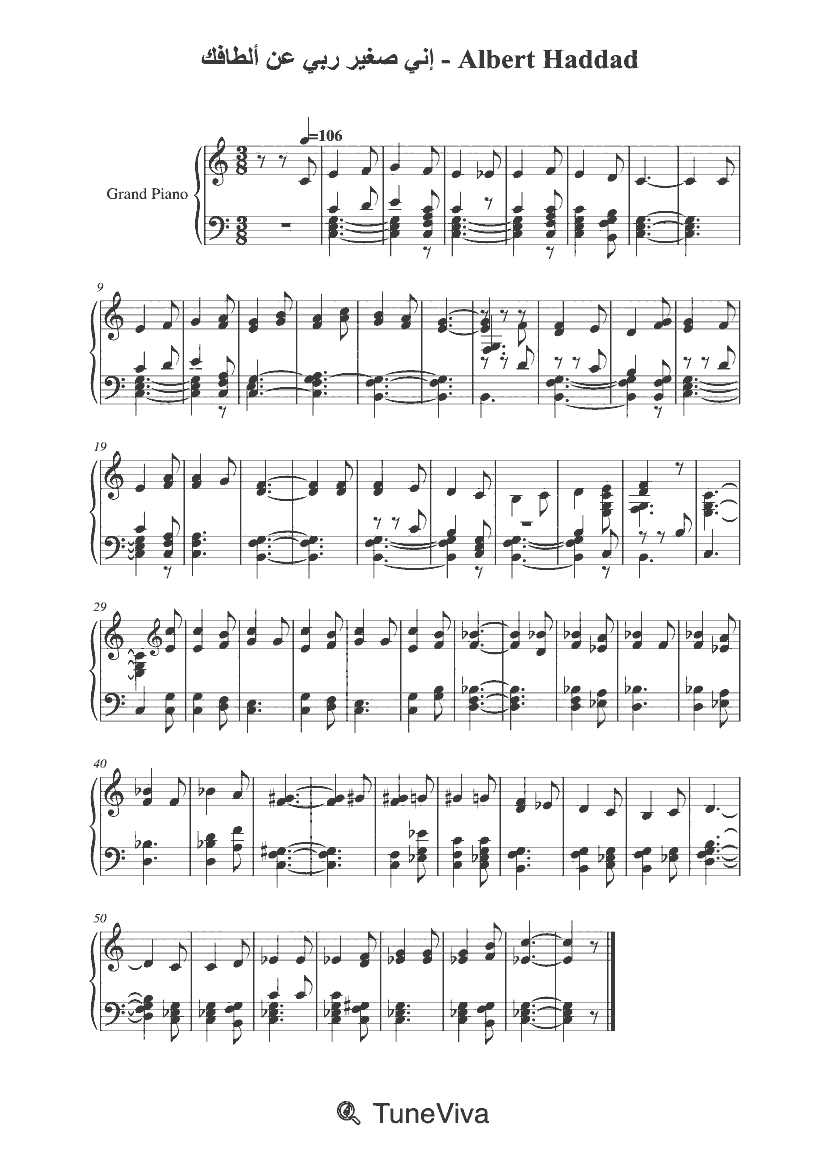
The first line borrows the language of the Song of Songs, “you have ravished my heart”; 25 bars at complexity index 2.
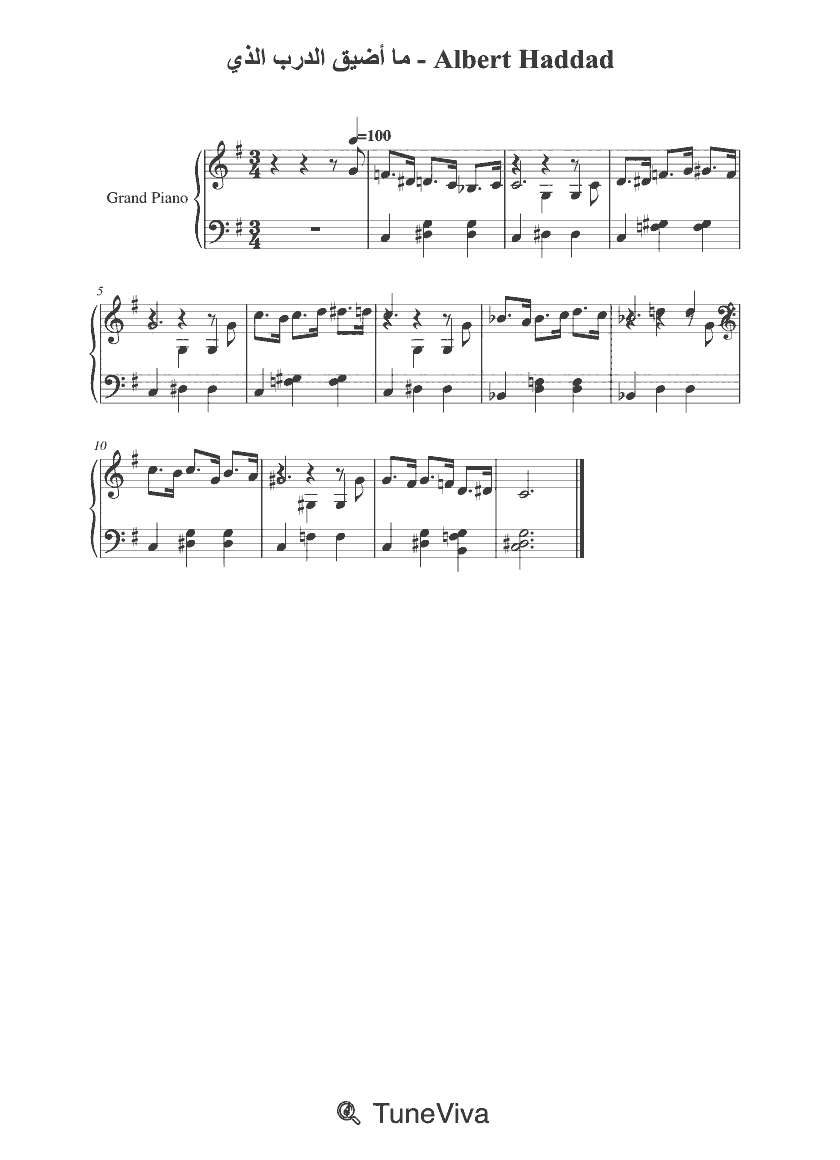
At 13 bars it is the shortest file in the collection, a single stanza on the narrow way of Matthew 7:14.
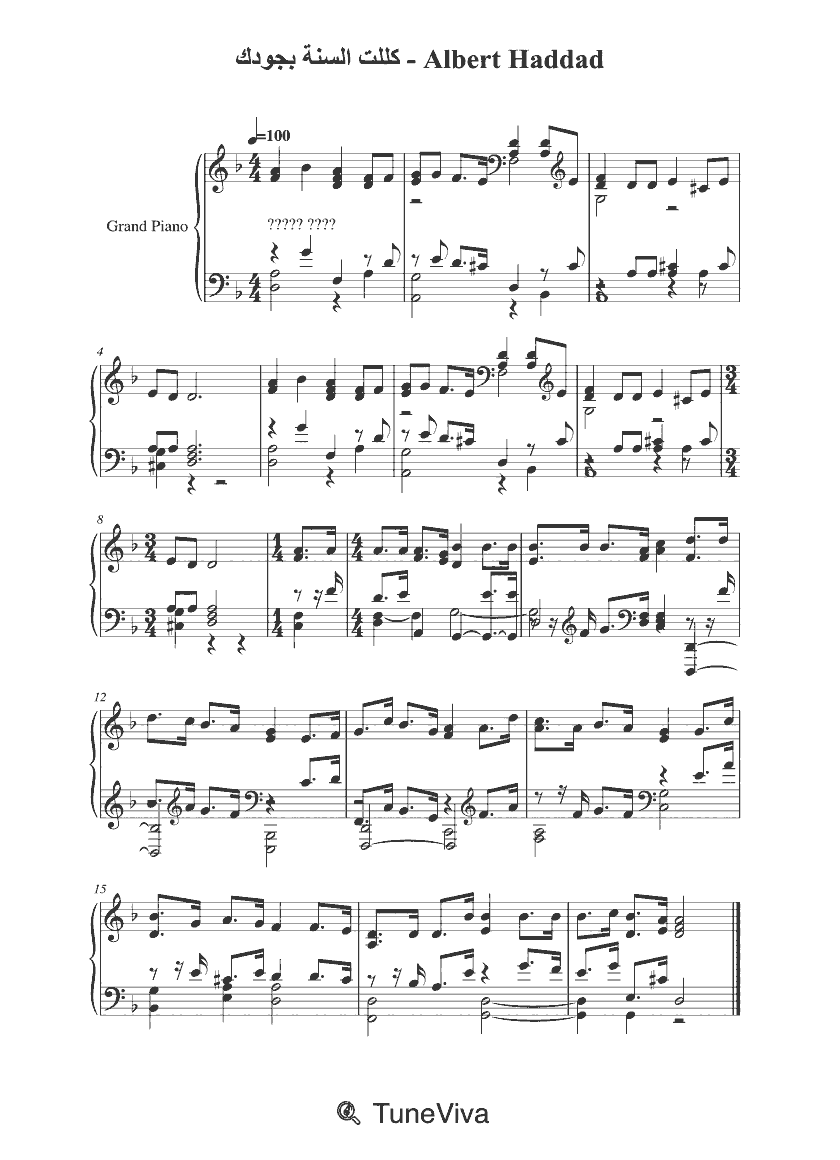
Psalm 65:11, “you crown the year with your goodness”, in 17 bars.
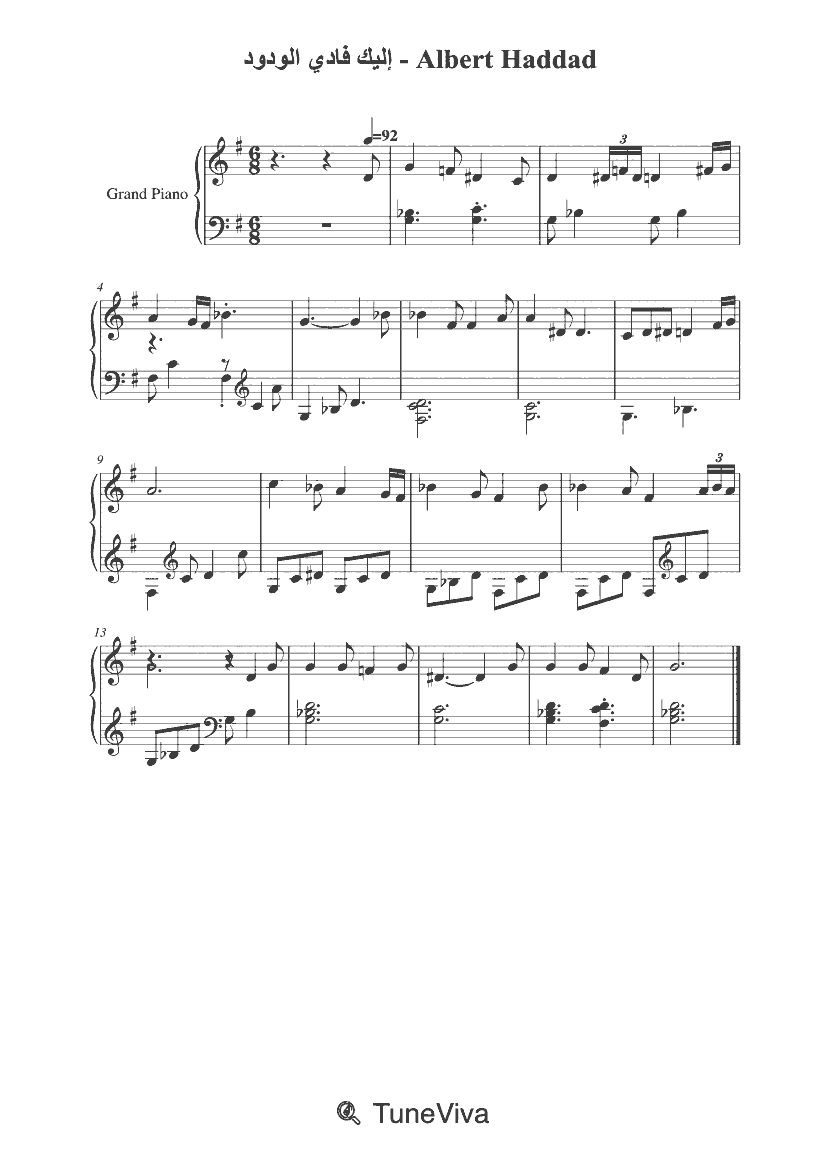
A 17-bar chorus addressed to the Redeemer, opening “to you, loving Saviour”.
The title field holds only the artist credit; the song name preserves the first line, “the love of Christ is sweeter”, which is used here as the display title.
There are 39, running to about 25 minutes of music and 9,122 notated notes. Nine of them include the words.
They are first lines. Each file appends the composer credit after a dash, so the text itself is best read from the song-name field, which usually drops the credit.
Sami Hamarneh and Said Baz are named as authors on individual hymns, and Fawwaz Omeish as translator on others. Haddad is credited with at least one text himself, “I can do all things through Christ”, dated 1974.
The hymnals and indexes give no birth or death date. The earliest firm dates connected with him are 1967, 1970 and 1974, attached to individual tunes, and the 1990 hymnal is the earliest collection of his work found.
Catalog editions and arrangements attributed to Albert Haddad.