classical
1 tracks
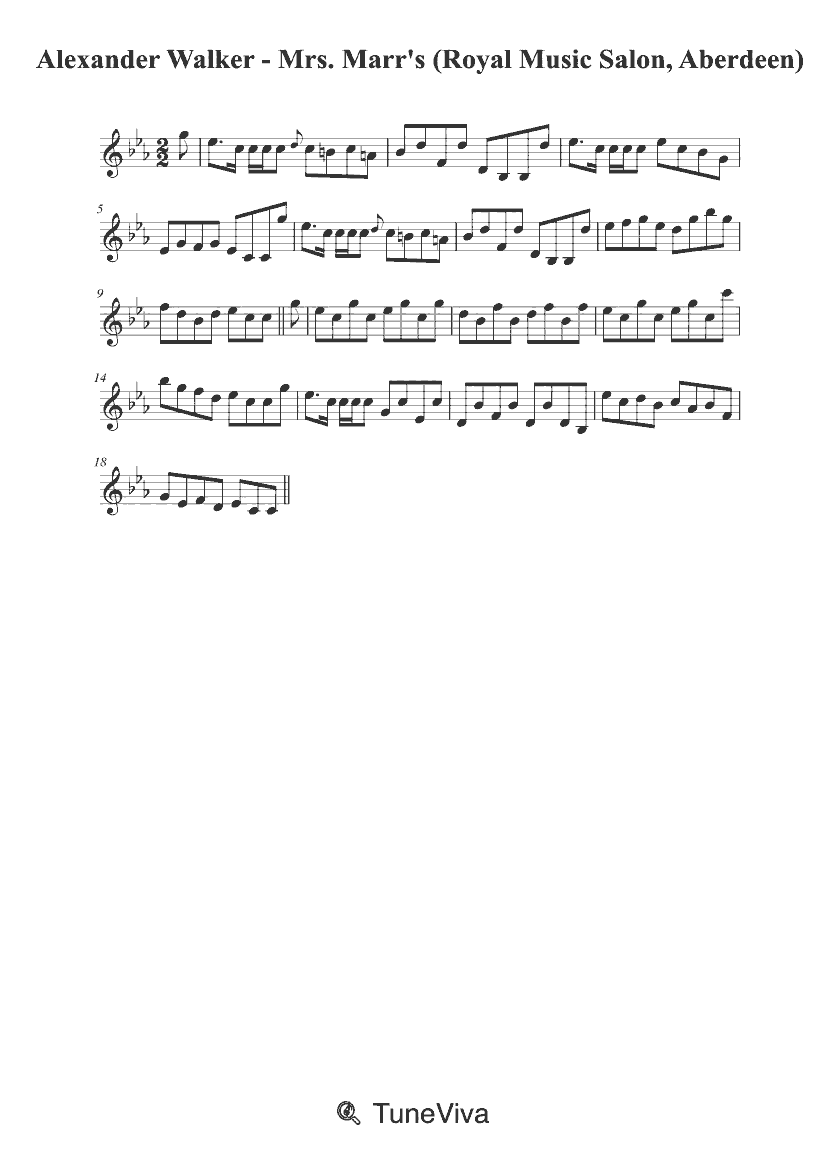
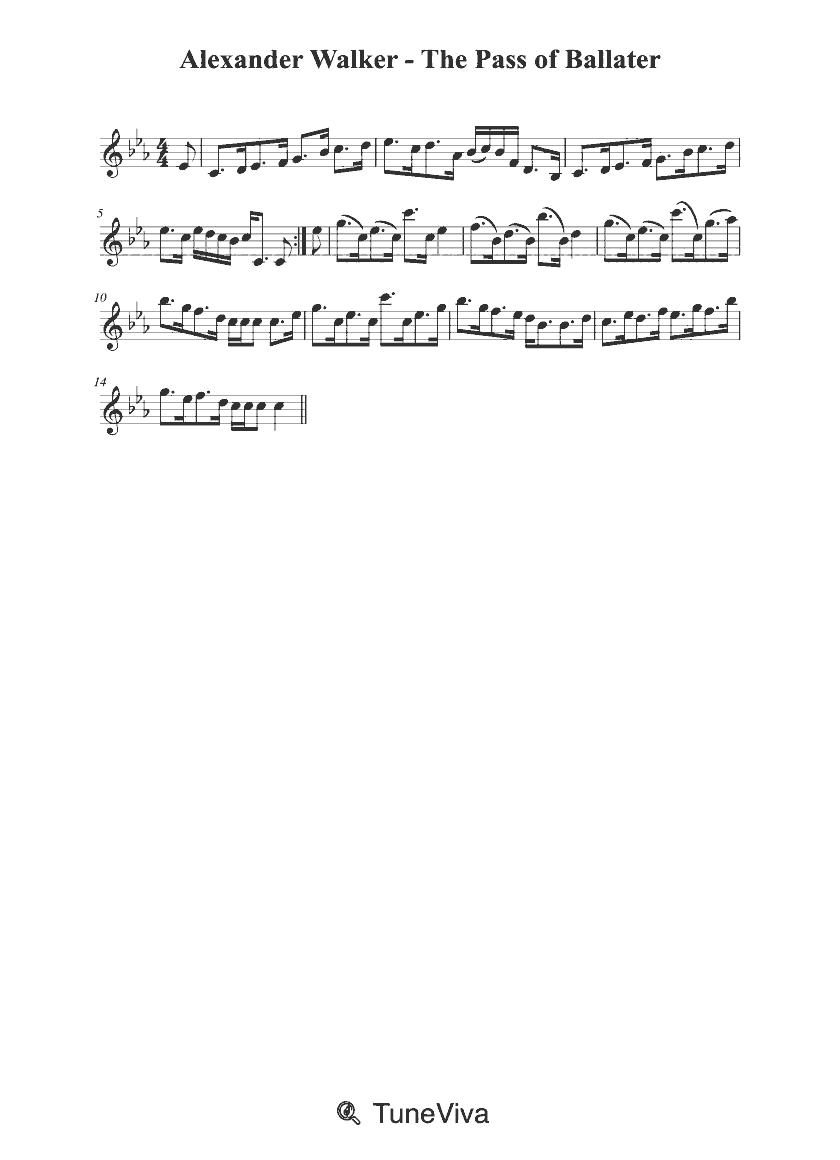
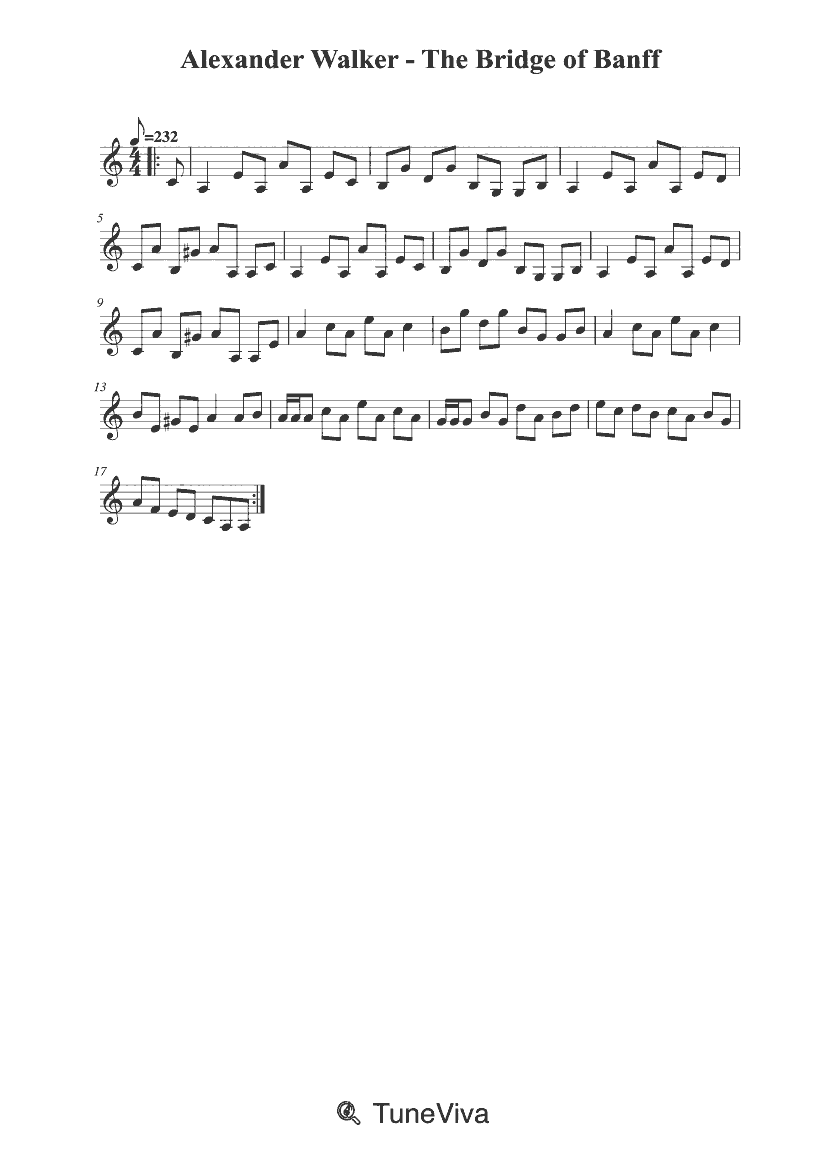
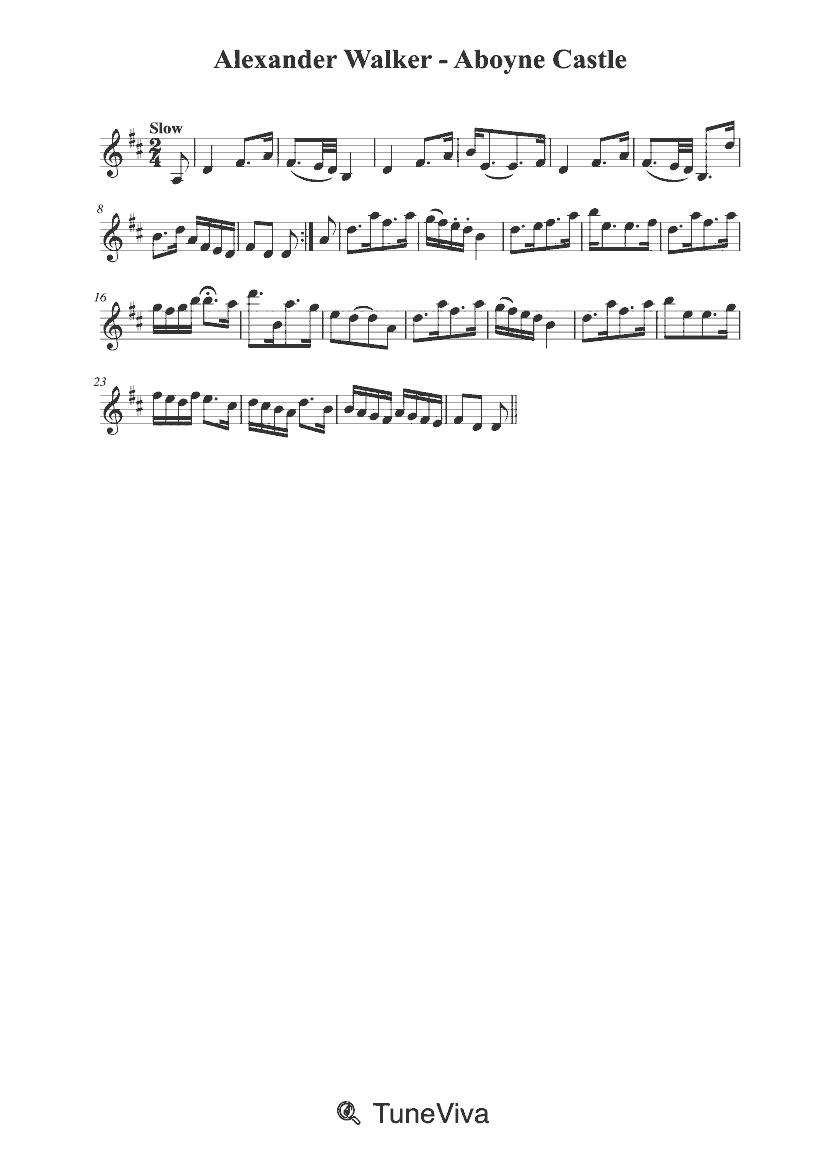
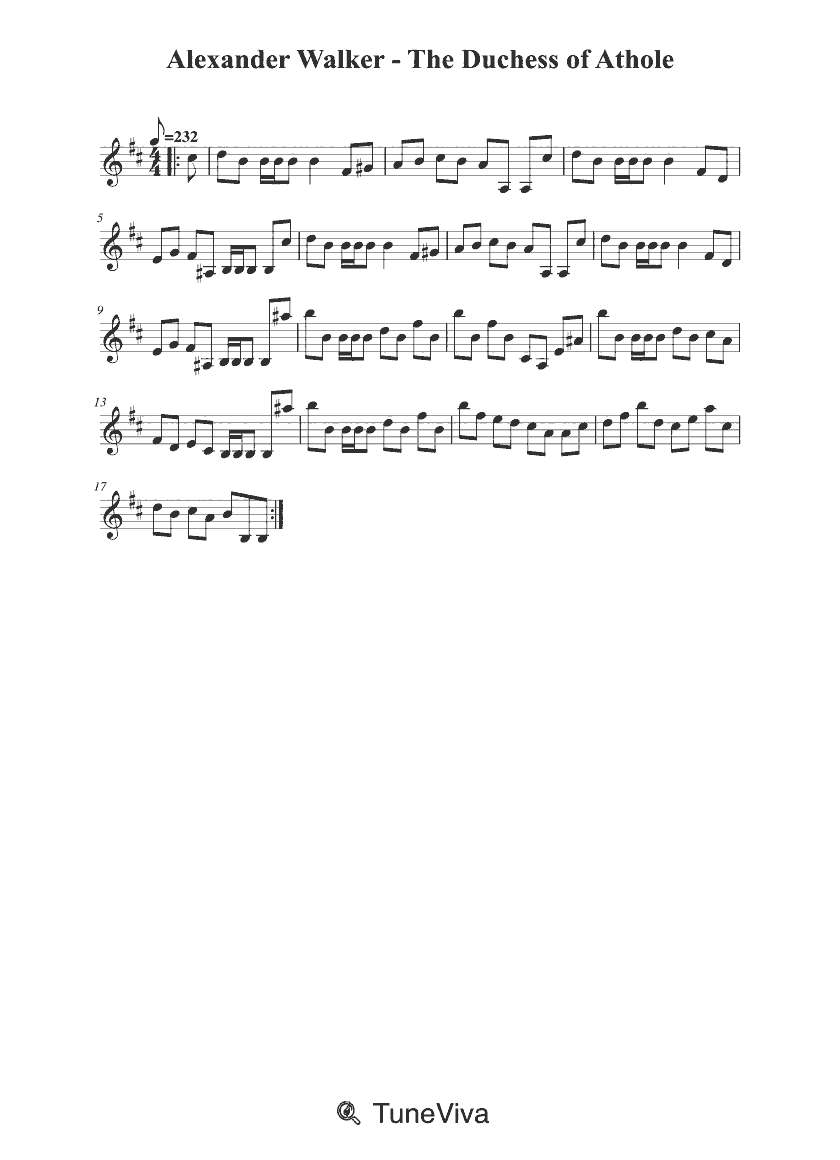
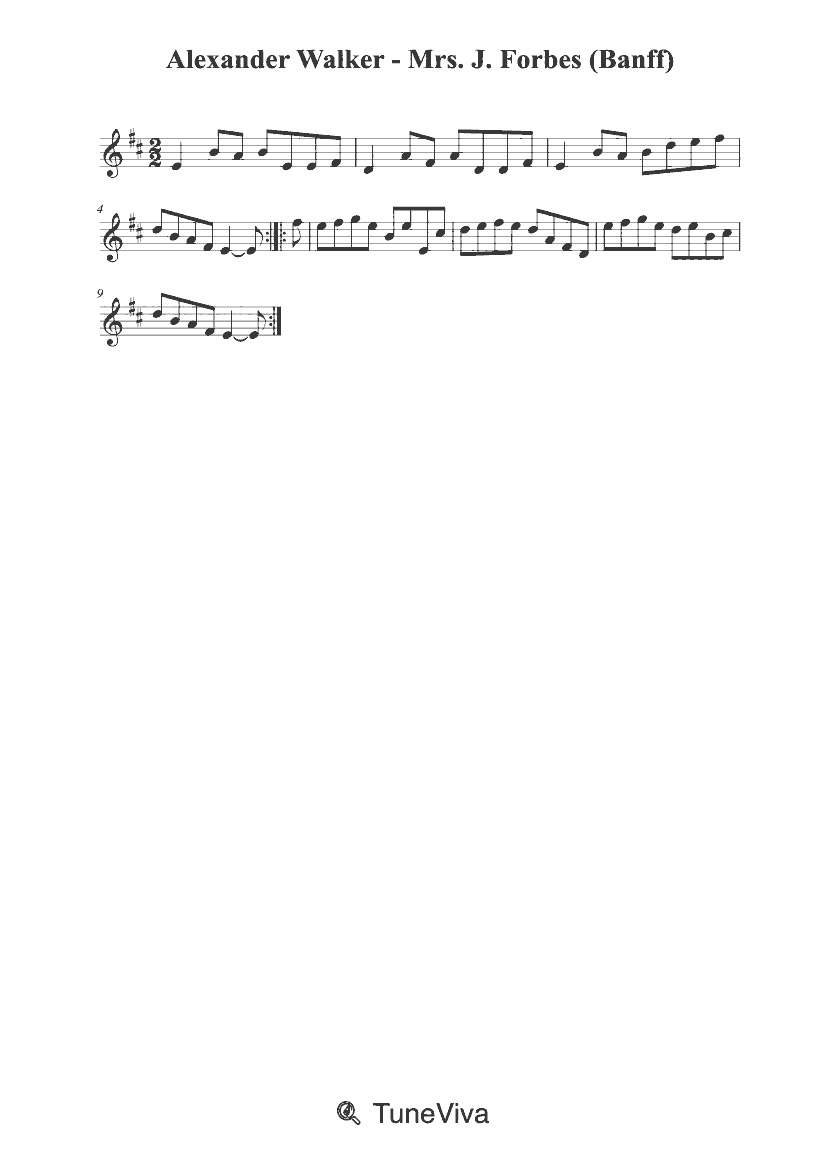
Almost every title on this page is a place or a person: Abergeldie Castle, the Pass of Ballater, Mr. Charles Grant's (Aberlour), Mrs. Marr's (Royal Music Salon, Aberdeen). They belong to the north-east Scottish dance repertoire, and the catalogue holds 343 such scores under Alexander Walker's name. Every one is rated complexity index 1, none has lyrics, and together they run to about 415 minutes.
The likely source is Walker's A Collection of Strathspeys, Reels, Marches &c., published in 1866. That book is the anchor for this page; the biography is thin.
Alexander Walker is known chiefly through one printed book: A Collection of Strathspeys, Reels, Marches &c., issued in 1866. Tunearch records him as the compiler and publisher, notes a tune called Alexander Walker's on page 31, and links a scanned copy held by the National Library of Scotland. The collection belongs to the north-east of Scotland, the same region that produced the Gow family's dance music, and it also has Canadian connections in its surviving copies. His birth and death dates, birthplace and training are not established in the sources consulted.
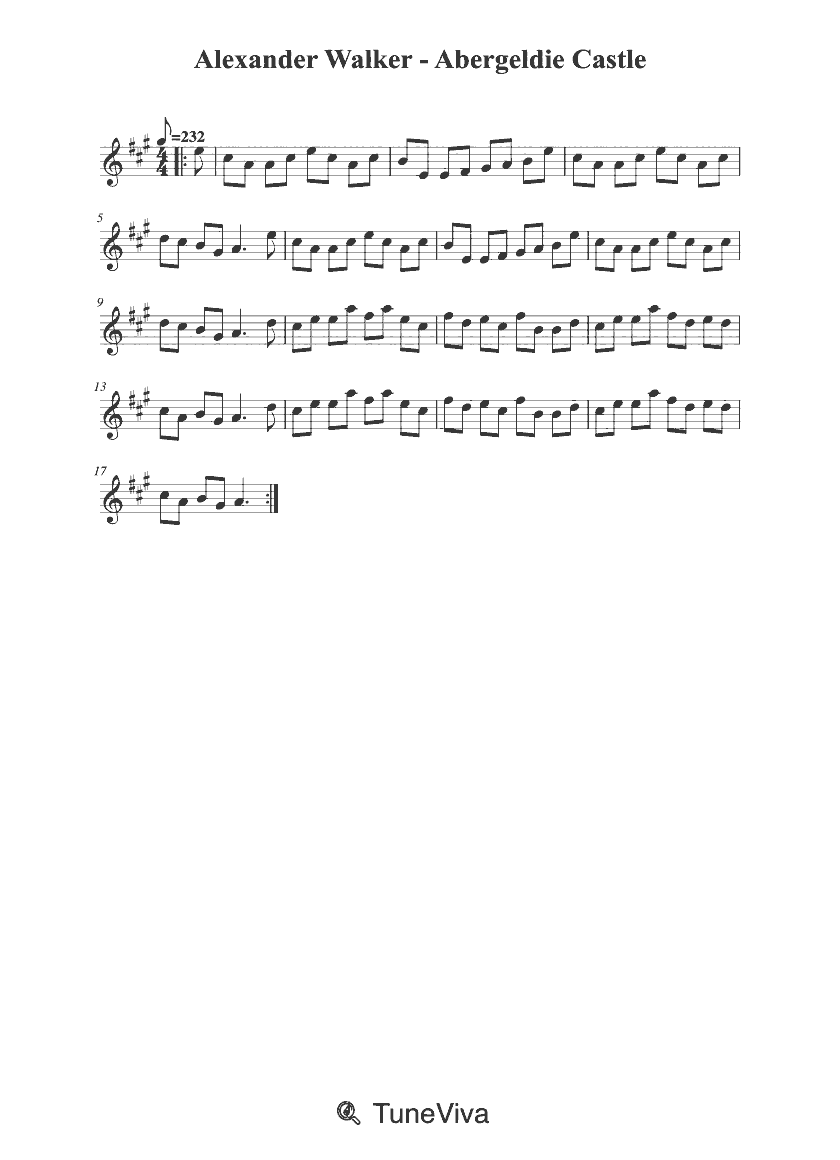
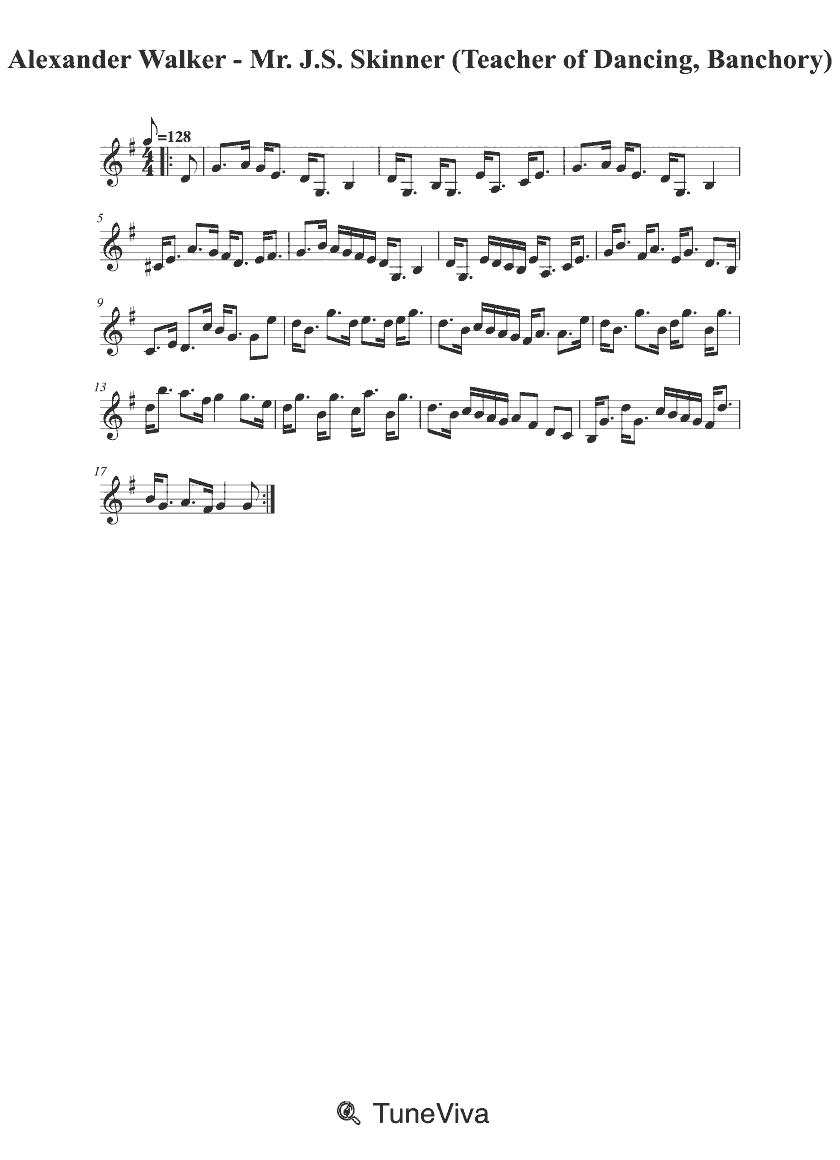
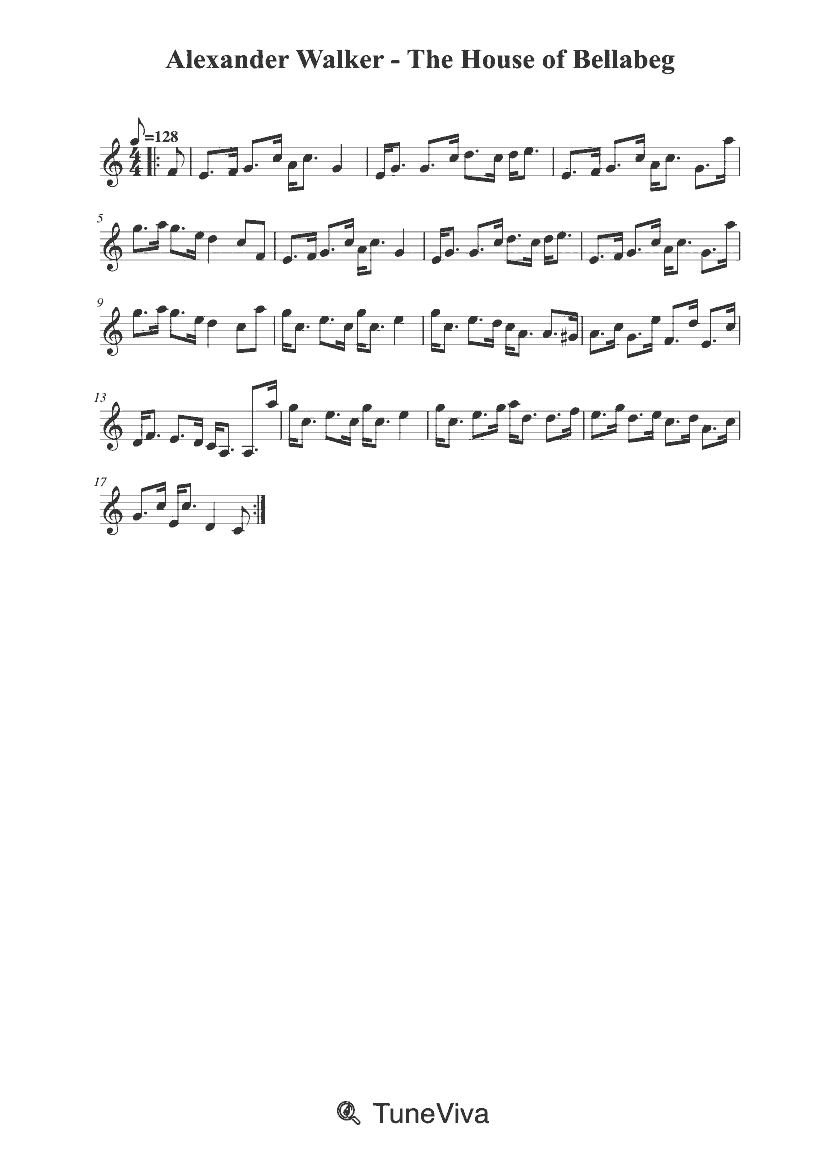
The titles in this catalogue are a roll call of that world. Mr. G. Ironside (Bellebeg), The House of Bellabeg, Mr. Charles Grant's (Aberlour) and Abergeldie Castle name estates and proprietors in Aberdeenshire and Moray. The Pass of Ballater names a landmark on Upper Deeside. Mr. J.S. Skinner (Teacher of Dancing, Banchory) points to James Scott Skinner, born at Arbeadie in Banchory parish in 1843, who taught dancing around Aberdeen before becoming a celebrated Scottish fiddler. Whether Walker and Skinner knew each other is not documented here, but the title places the collection in the same local network.
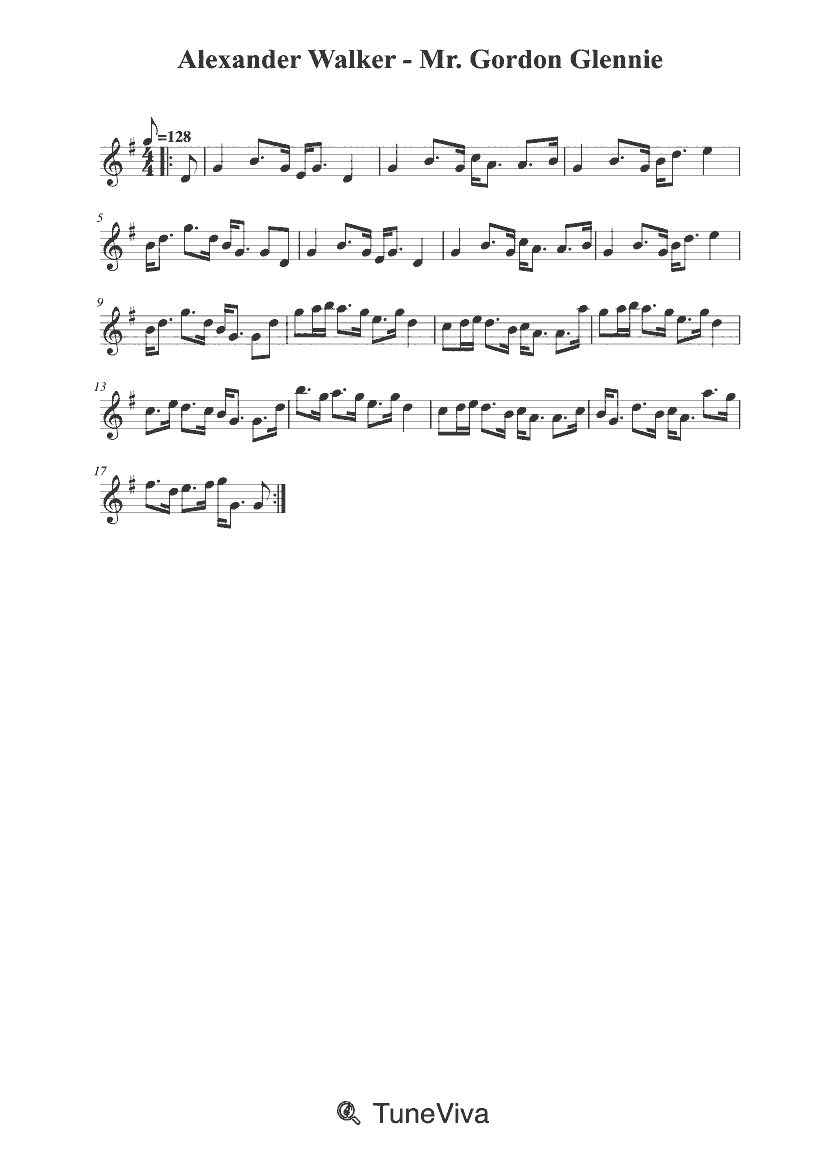
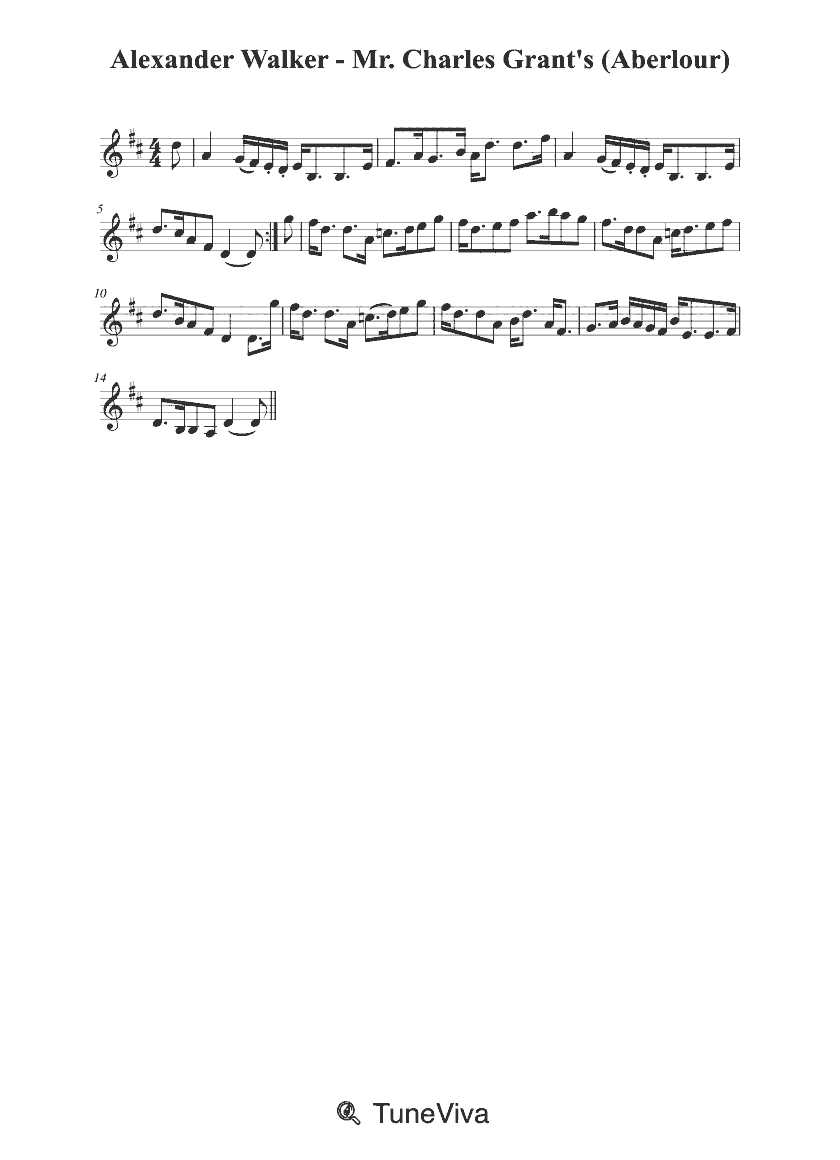
The catalogue treats the whole group uniformly: 343 scores, all at complexity index 1, with no lyrics and 67,280 notated notes across roughly 415 minutes. The most-viewed items are Mr. G. Ironside (Bellebeg), Mr. Gordon Glennie and Mr. Charles Grant's (Aberlour). These are tune texts for a melody instrument, not arrangements for orchestra or piano, and the titles suggest a collection assembled for dancing and for the drawing rooms of the local gentry.
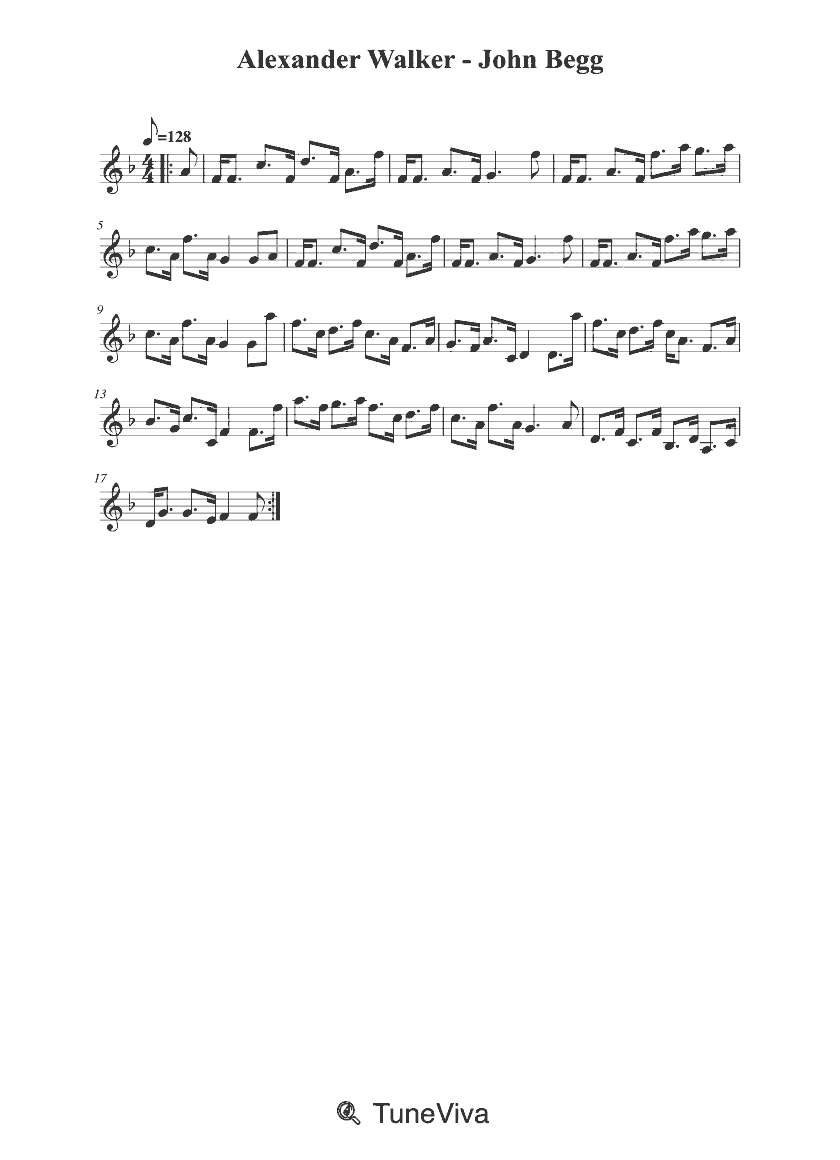
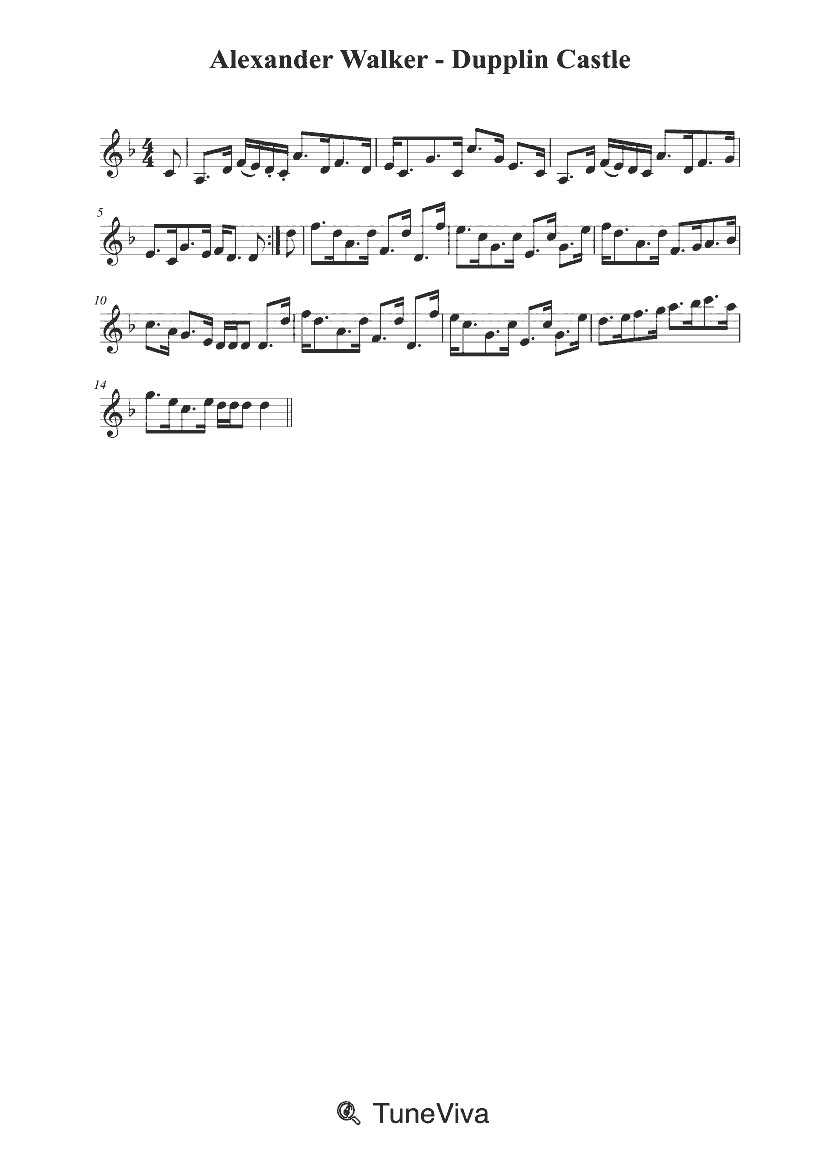
Expect single-line melodies built for fiddling: strathspeys with dotted rhythms and the Scotch snap, reels in a steady duple pulse, and marches with a broader swing. The writing is practical dance music, so keep the tempo regular and the repeats clear. Ornament sparingly — a grace note or a double stop at cadences is usually enough. These tunes were meant to carry across a room without amplification, so a firm bow and clean articulation matter more than a sweet, quiet tone.
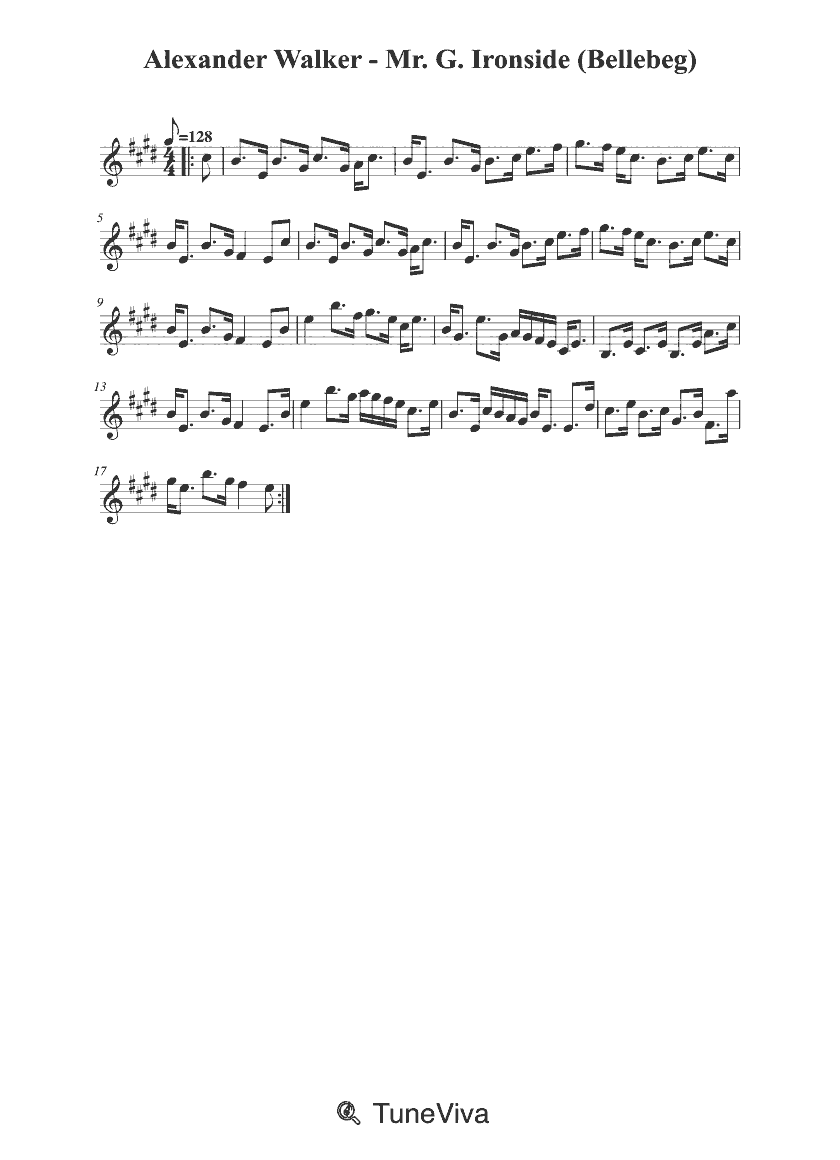
The most-viewed score on the page, named for a proprietor at Bellebeg in Aberdeenshire.
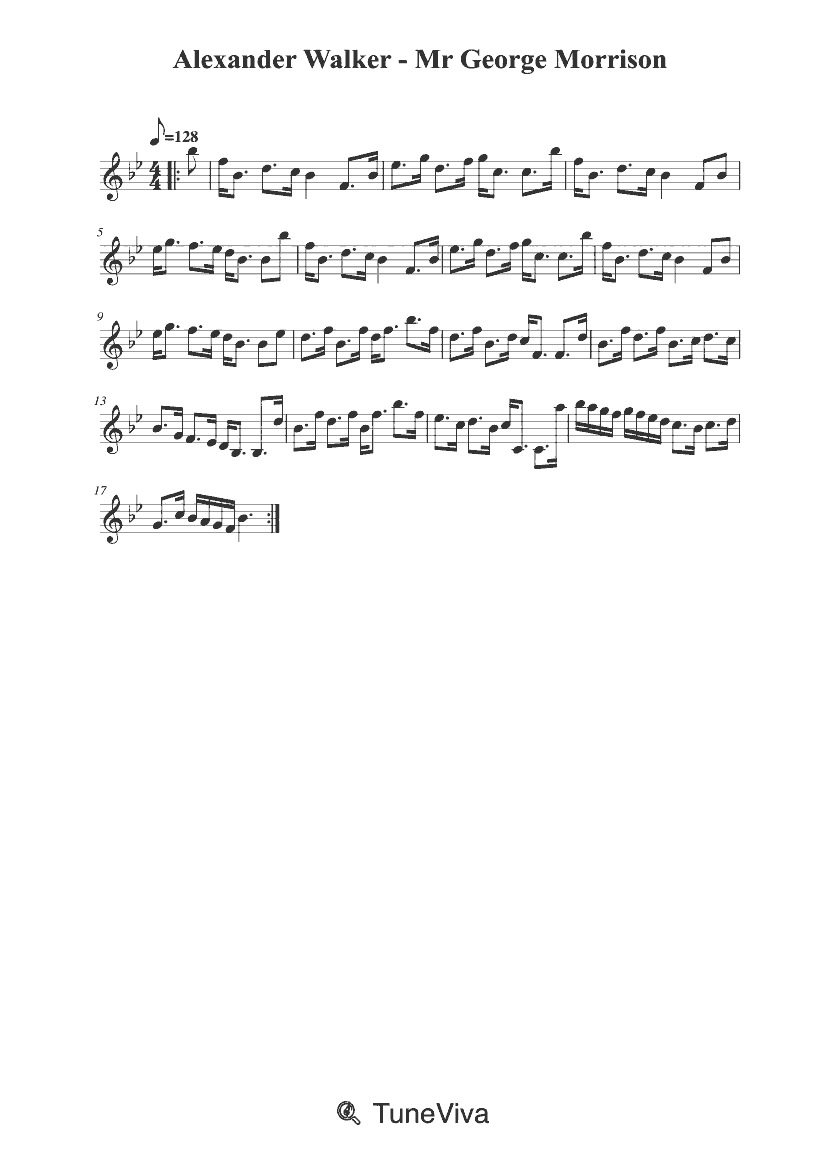
A tune dedicated to a local figure, in the manner of the Gow collections.
A dance tune named for the Grant estate at Aberlour on the River Spey.
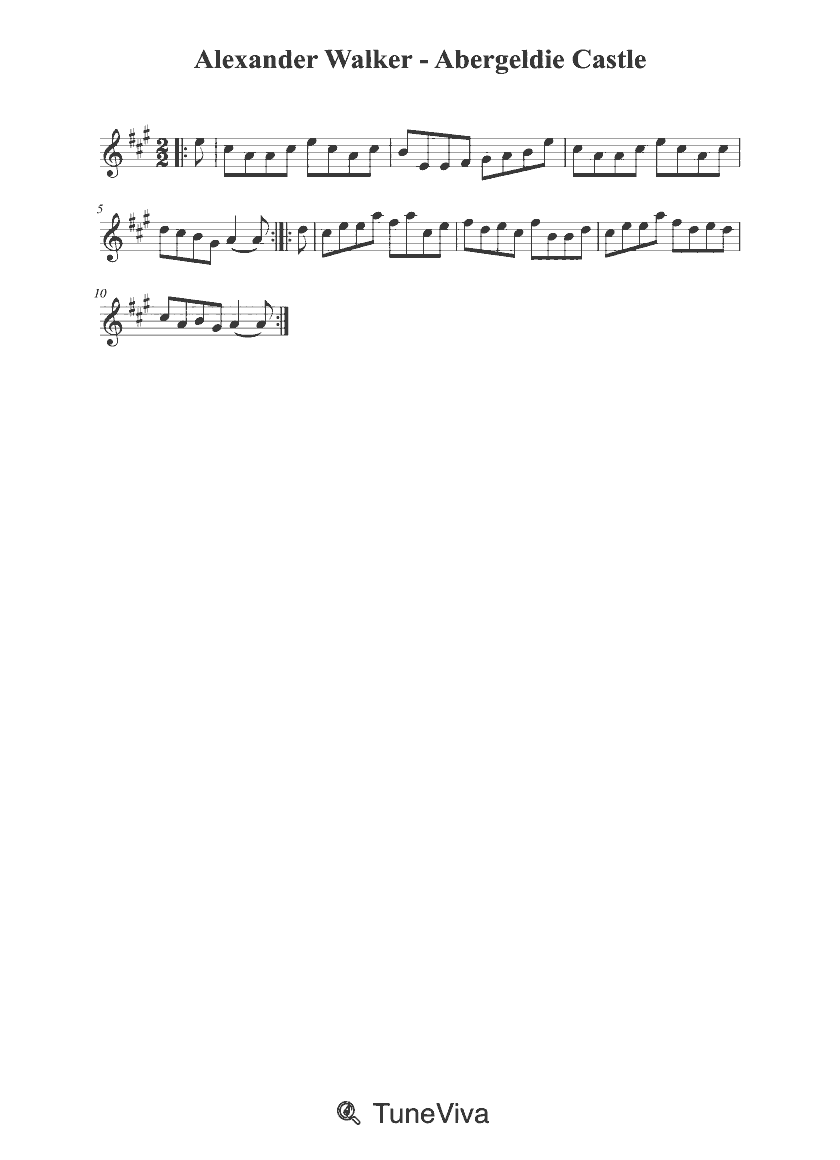
A descriptive title naming the castle on Royal Deeside, west of Ballater.
One of several Deeside place names in the collection and a useful introduction to its local character.
A dedication to an Aberdeen music business, evidence that the collection circulated in the city as well as the countryside.
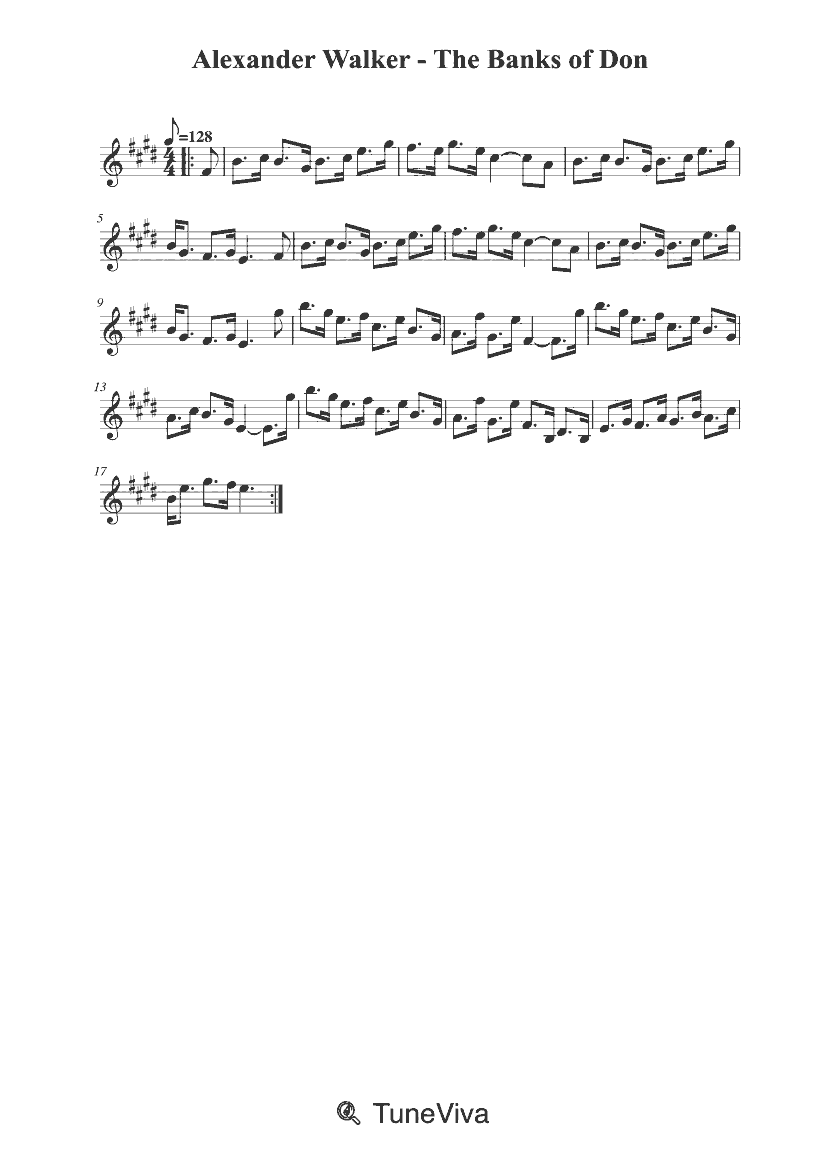
A river tune, the kind of landscape title common in north-east Scottish dance music.
A Scottish fiddler-composer known for A Collection of Strathspeys, Reels, Marches &c., published in 1866. His birth and death dates are not firmly documented.
No family connection is documented. His collection belongs to the same north-east Scottish strathspey and reel tradition that the Gows dominated.
That was normal practice in Scottish dance collections, where tunes were dedicated to local lairds, patrons and musicians.
Yes. The National Library of Scotland has digitised a copy, and Tunearch links to it alongside the tune index.
Catalog editions and arrangements attributed to Alexander Walker.