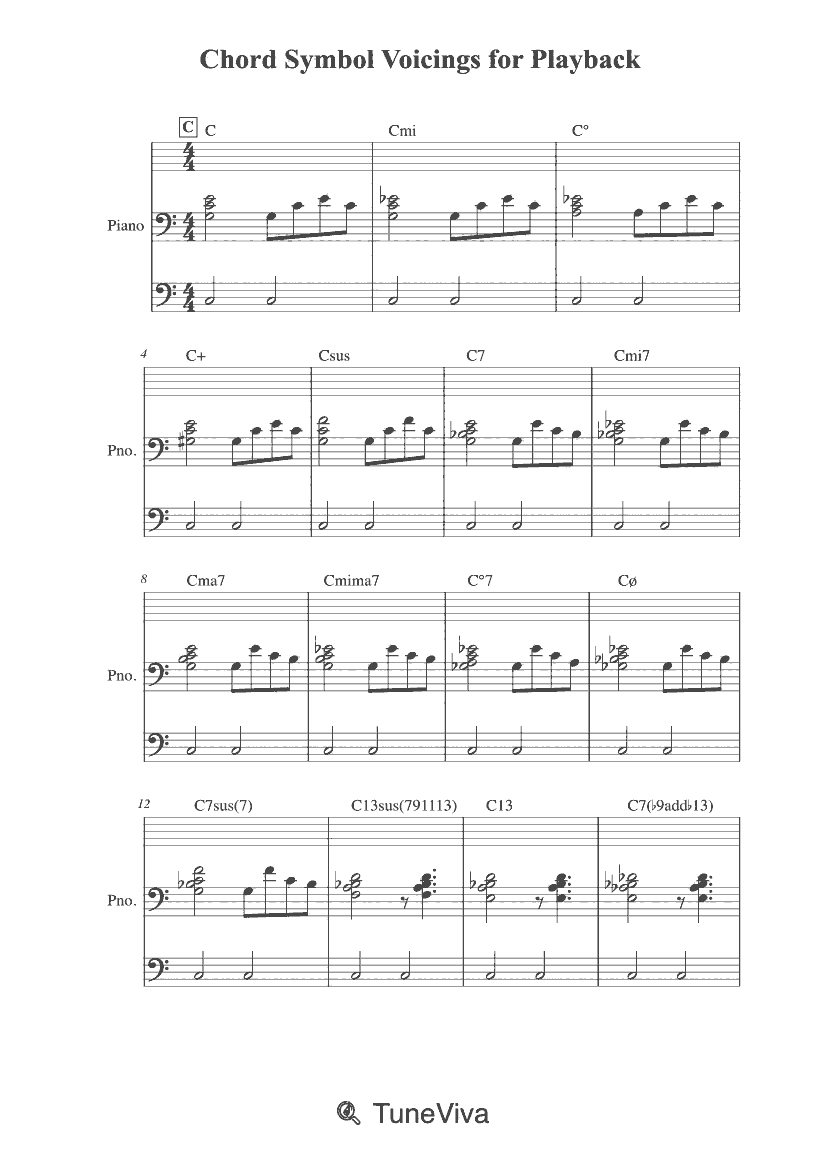
Chord Symbol Voicings for Playback
Marc Sabatella
Piano · 8 min 0 sec
Open scoreThe jazz sheet music here includes solo piano pieces and a four-part saxophone arrangement, showing how varied a jazz score can be. Examples include a piano score of The Crave associated with Jelly Roll Morton, Vince Guaraldi's Skating for piano, and Whiplash Sax Quartet arranged by Ira Matthews. Piano scores appear alongside ensemble arrangements, while crossover categories such as jazz and classical are kept on separate pages. Check the score parts and opening details for each listing: they describe the score in front of you rather than a fixed original version.
Scores 1–20 of 323
Marc Sabatella
Piano · 8 min 0 sec
Open score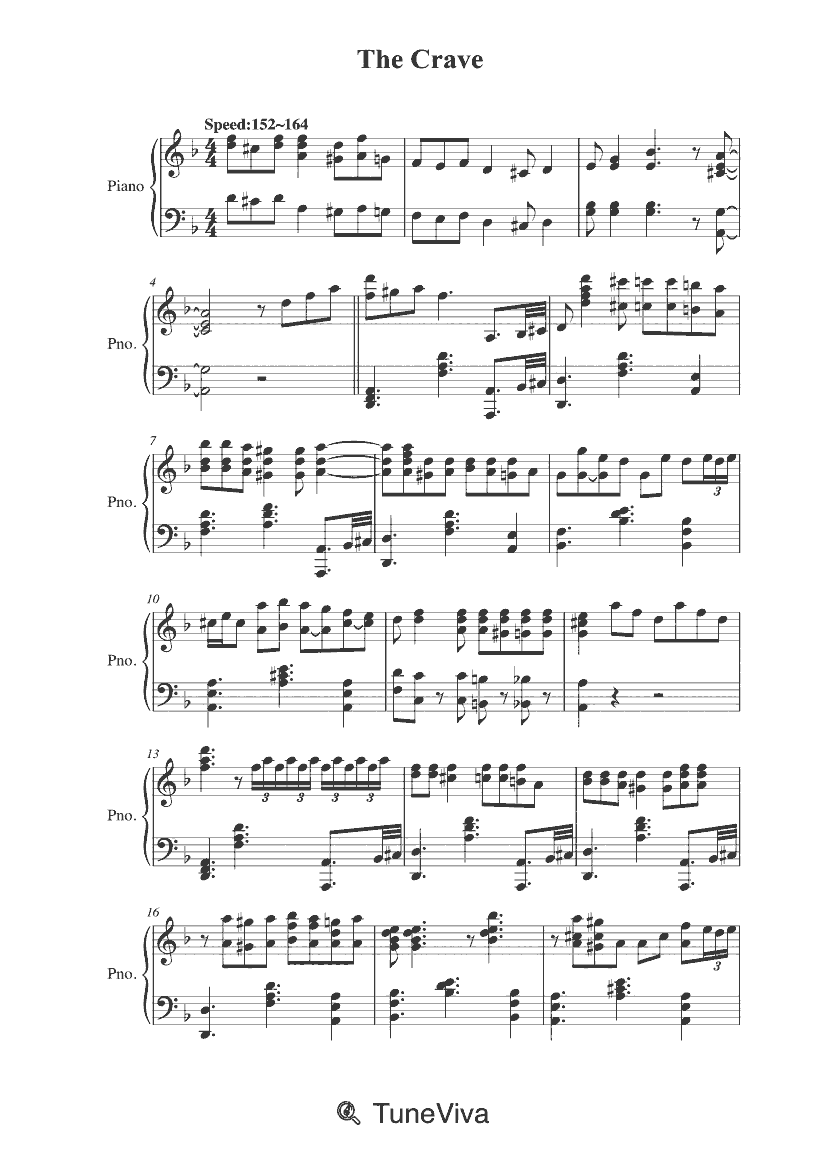
Jelly Roll Morton
Piano · 1 min 43 sec
Open score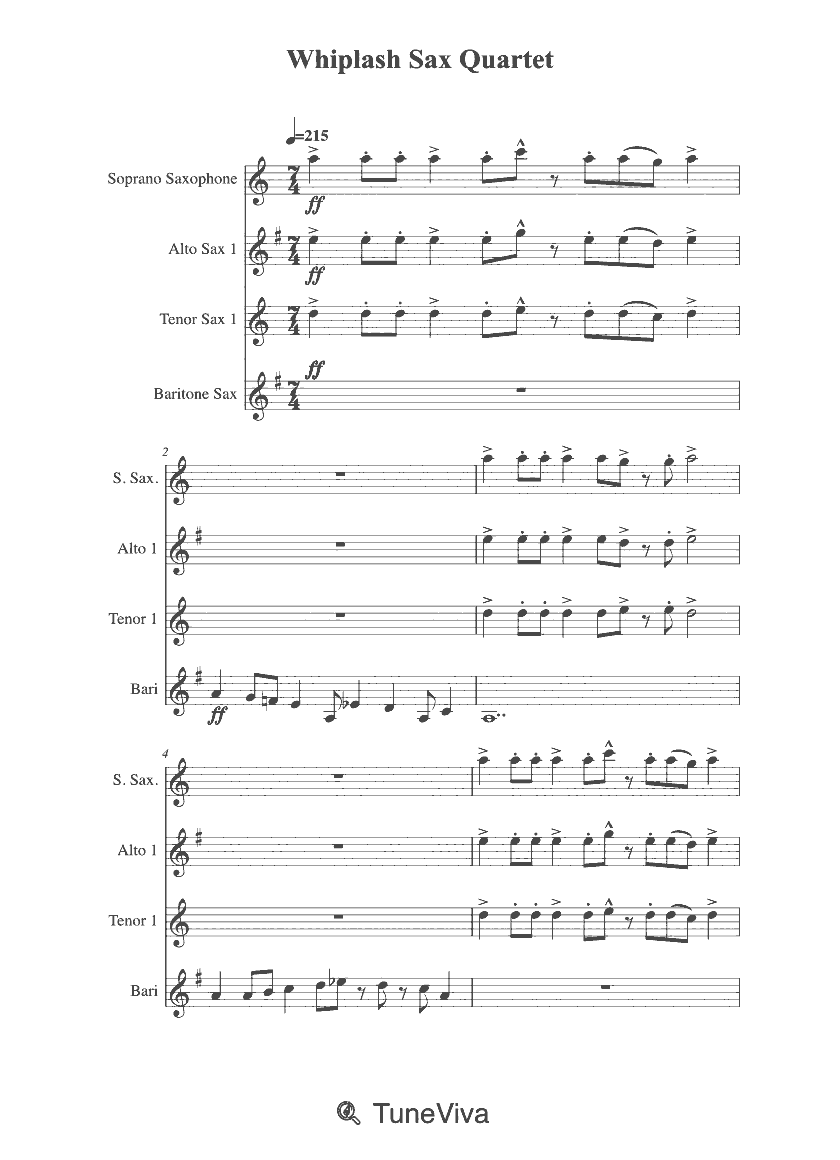
Arr. Ira Matthews
For SATB Sax Quartet
Soprano Saxophone; Alto Sax 1; Tenor Sax 1 +1 parts · 4 min 25 sec
Open score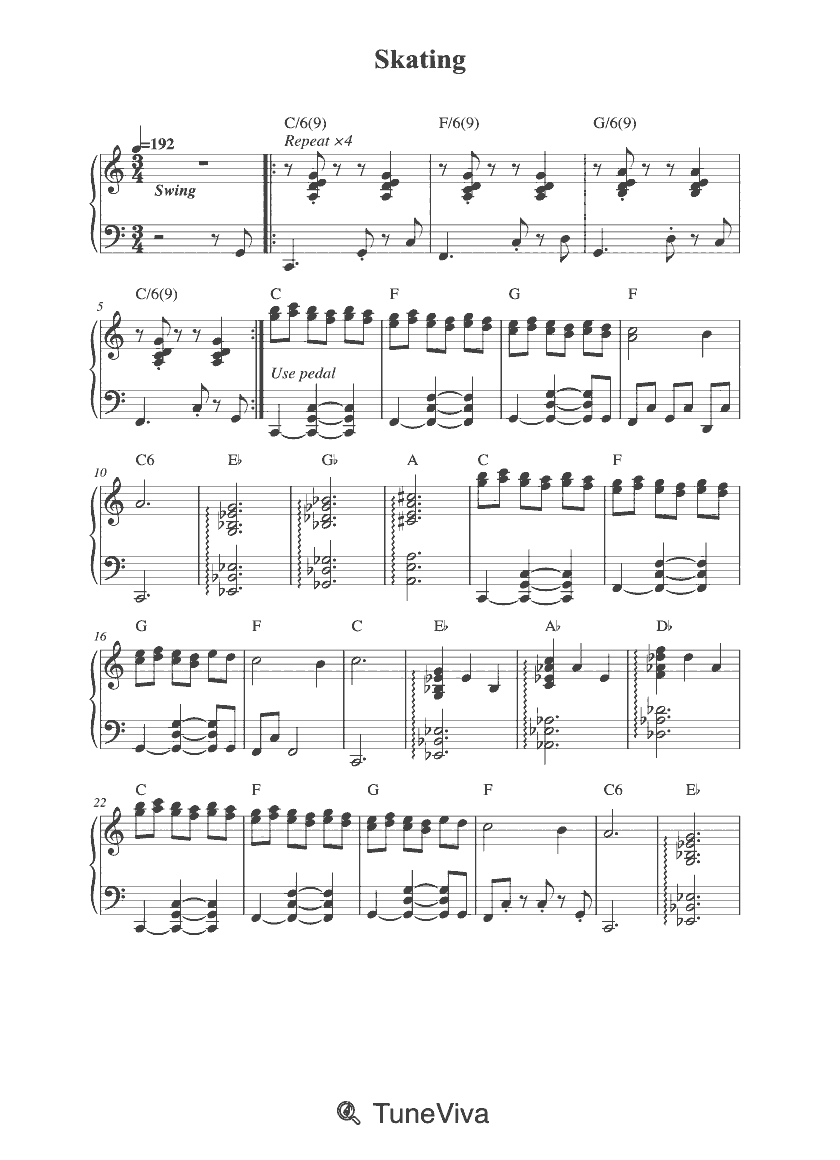
Music by Vince Guaraldi
Piano · 2 min 46 sec
Open score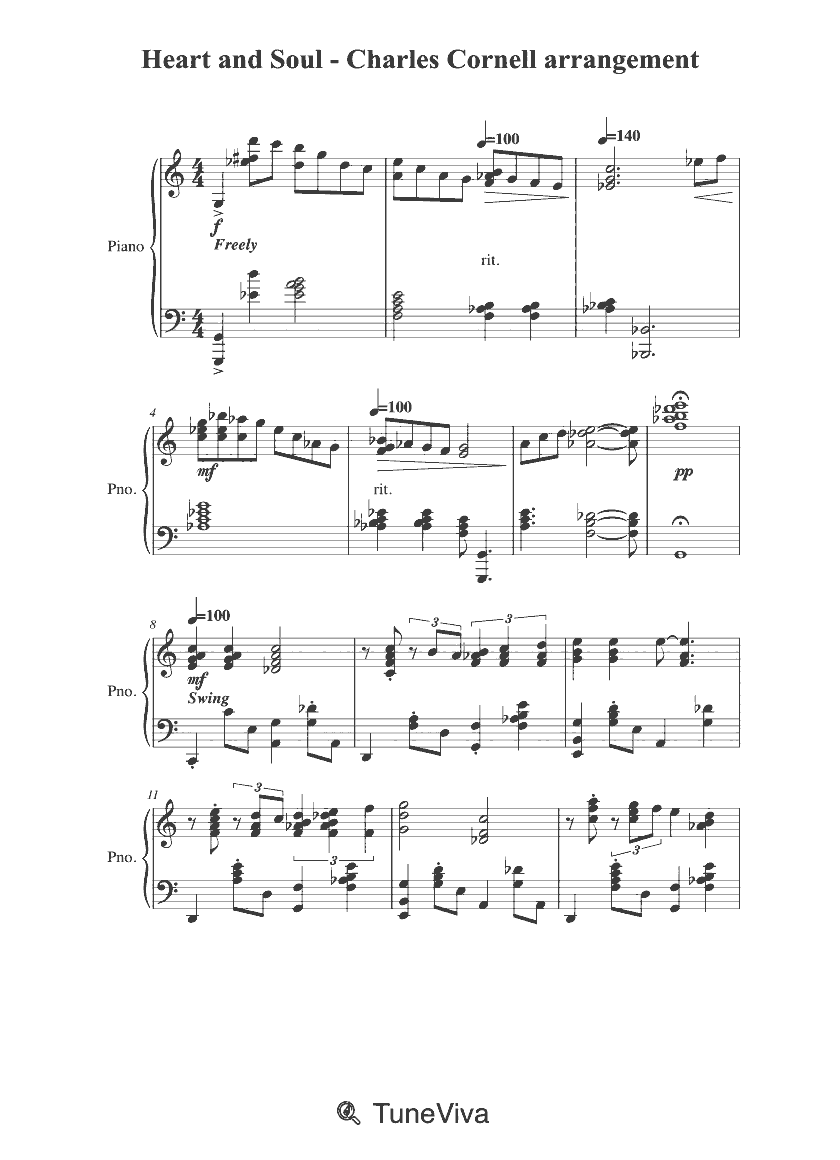
Hoagy Carmichael Frank LoesserTranscribed by Samuel Walters
Arranged by Charles Cornell
Piano · 2 min 9 sec
Open score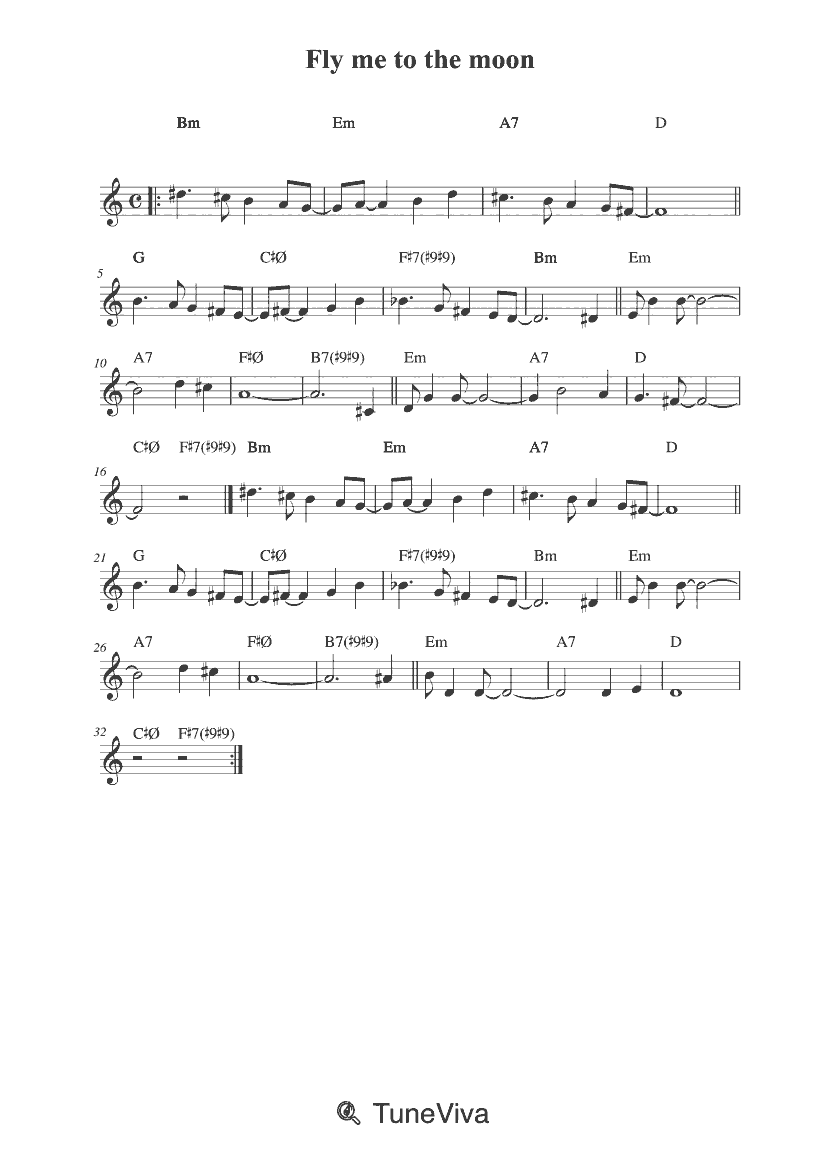
Bart Howard
Tenor Saxophone · 2 min 7 sec
Open score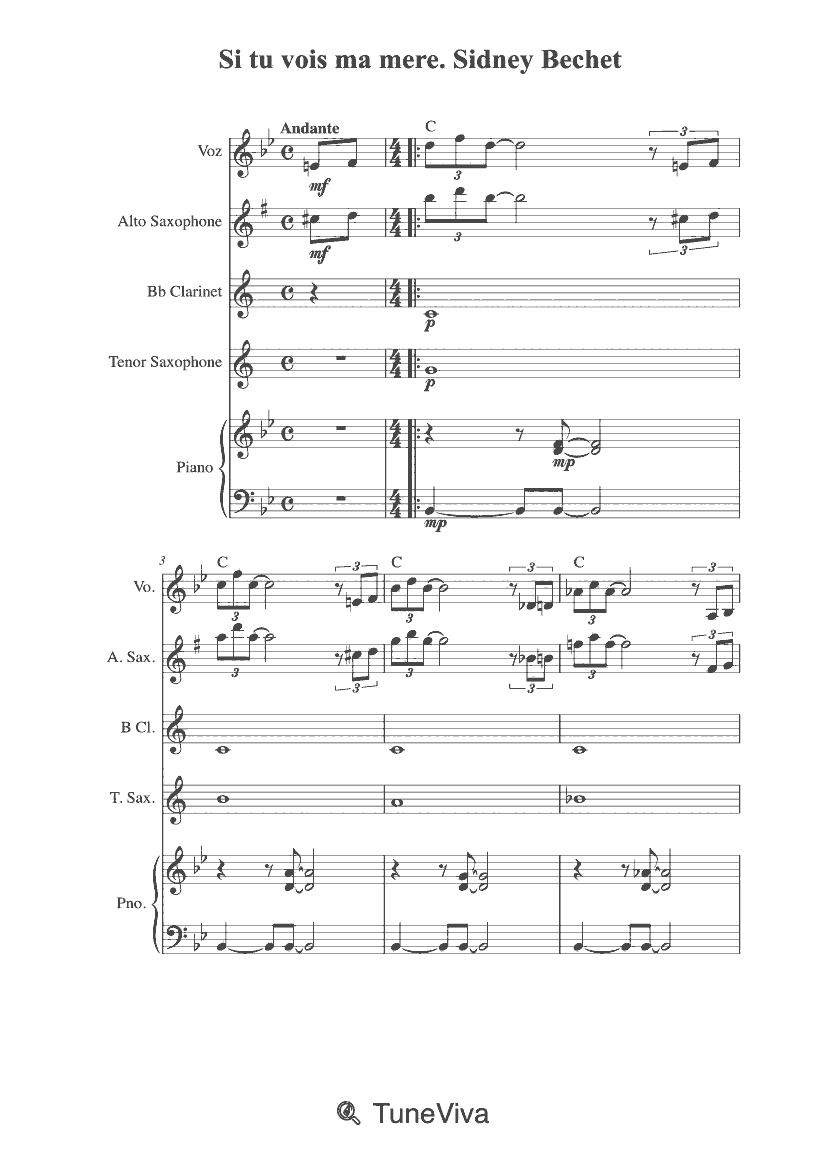
Sidney Bechet
Voz; Alto Saxophone; Bb Clarinet +2 parts · 2 min 14 sec
Open score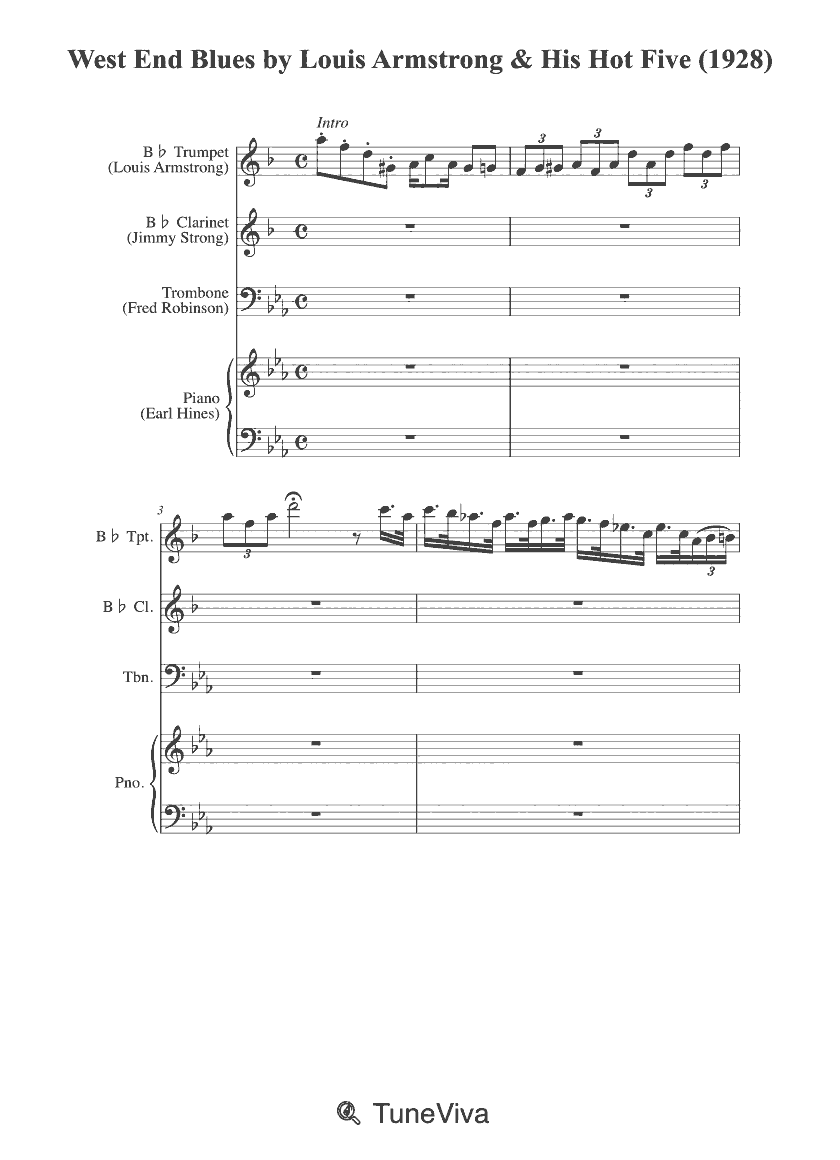
Joe Oliver
B♭ Trumpet (Louis Armstrong); B♭ Clarinet (Jimmy Strong); Trombone (Fred Robinson) +1 parts · Arr. brett_the_frog · 3 min 28 sec
Open score
Kenny Dorham
Piano · 1 min 4 sec
Open score
Bart Howard
Evangelion Ending
Voice; Violin; Piano +2 parts · 1 min 21 sec
Open score
Ibrahim Maalouf
Piano version
Piano · 1 min 24 sec
Open score
Chet Baker
Piano · 1 min 4 sec
Open score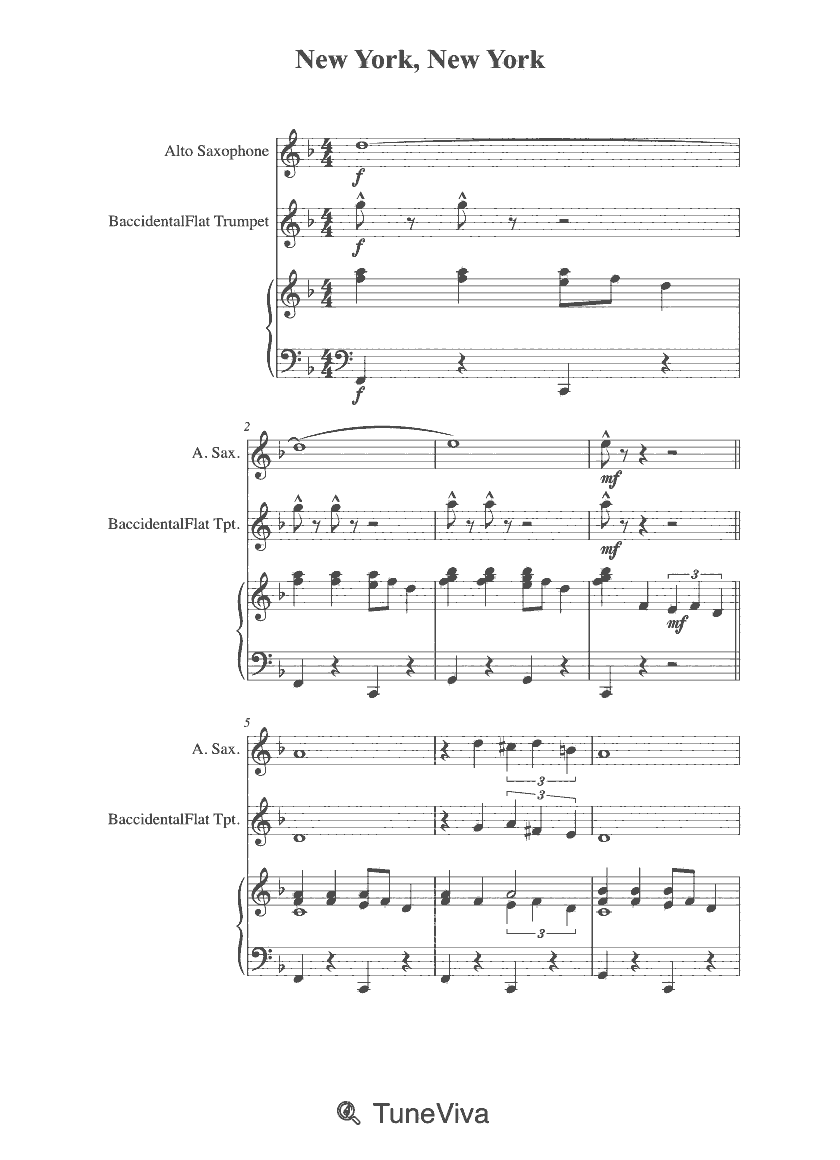
Arr. by Idean Labib
Alto Saxophone; B♭ Trumpet; Piano · 2 min 36 sec
Open score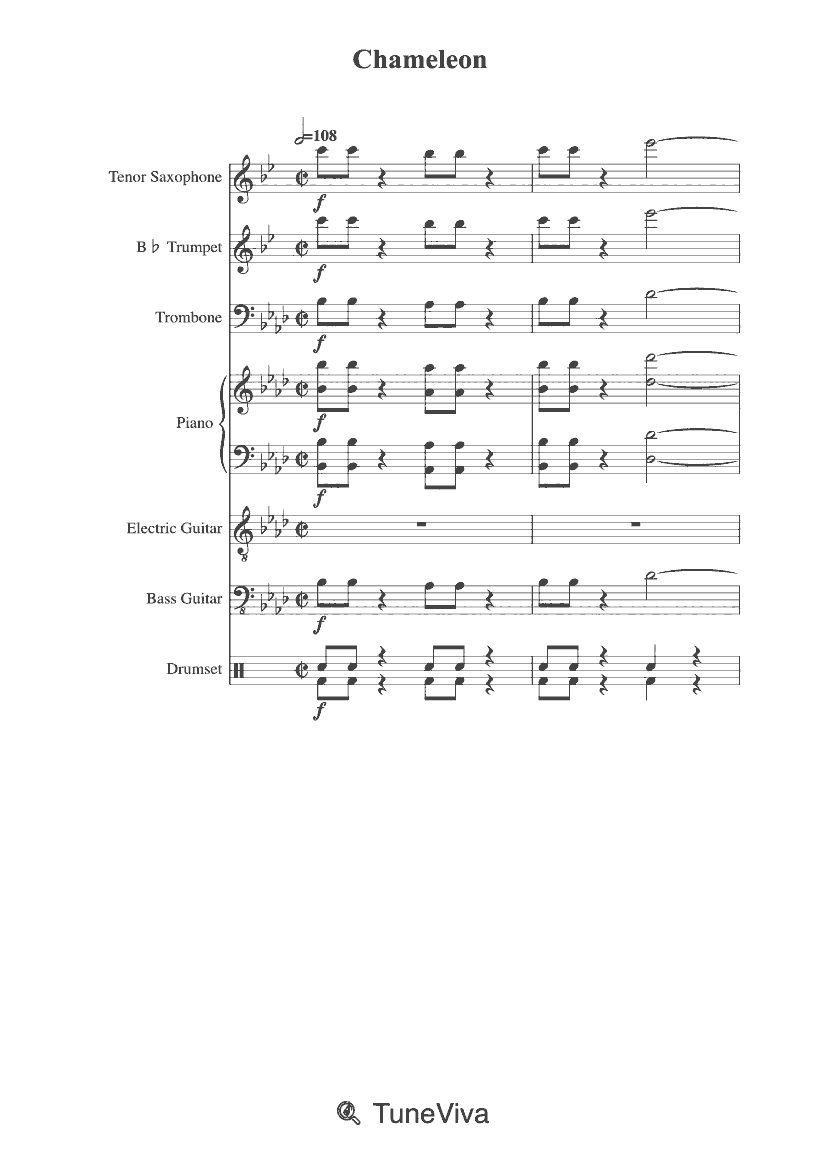
Arr. by Matt Nash
Tenor Saxophone; B♭ Trumpet; Trombone +4 parts · 11 min 14 sec
Open score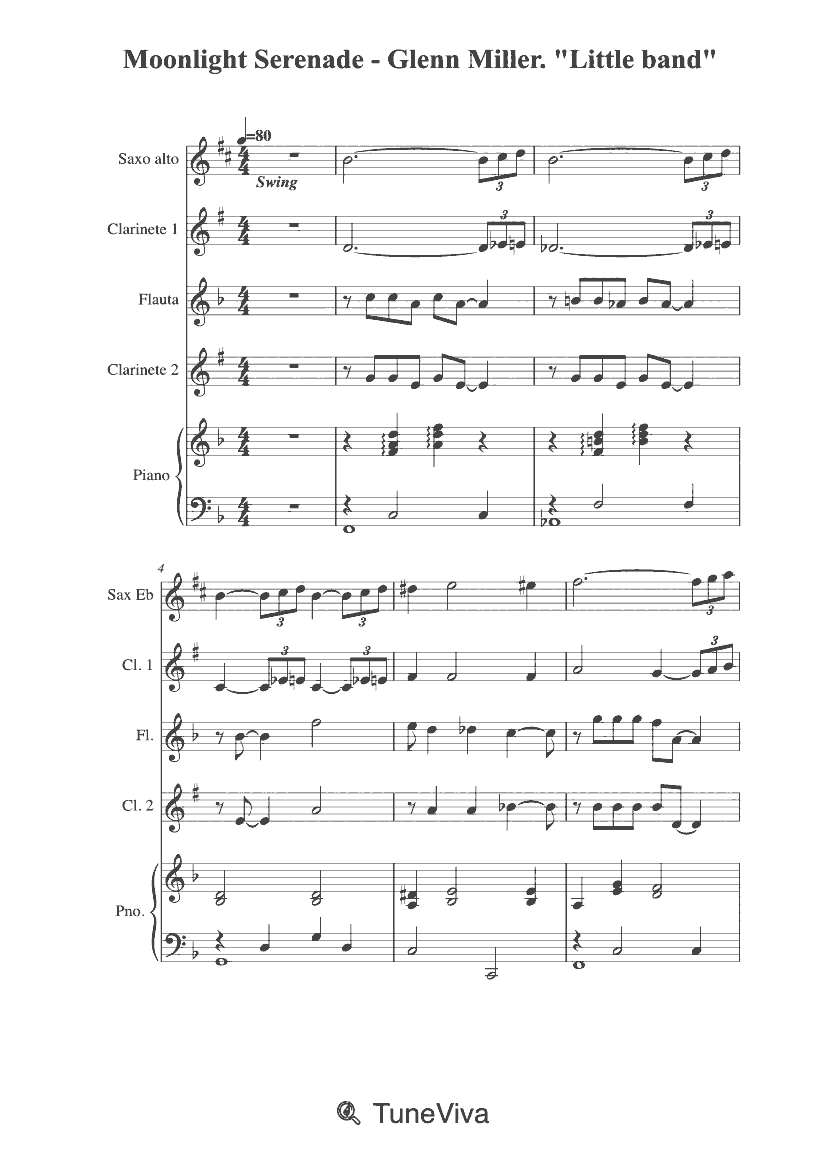
Glenn Miller
Saxo alto; Clarinete 1; Flauta +2 parts · 5 min 2 sec
Open score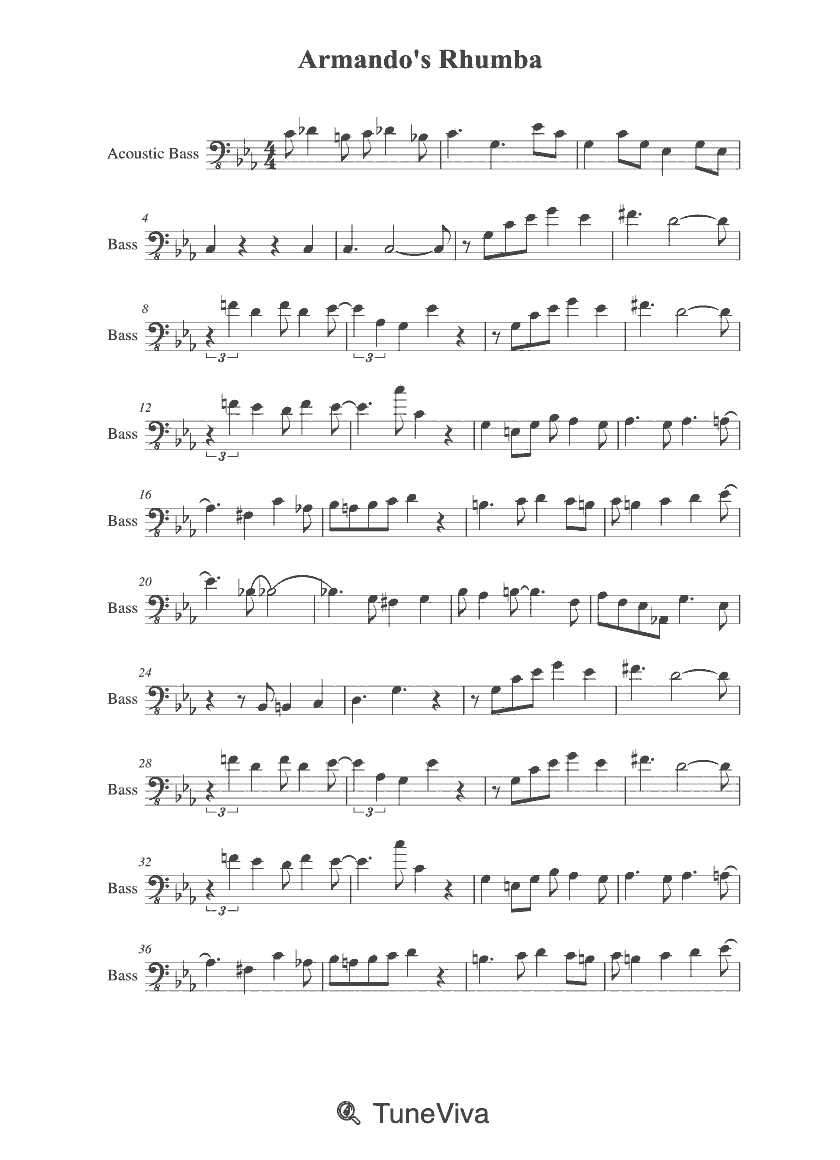
Chick Corea
Acoustic Bass · 1 min 21 sec
Open score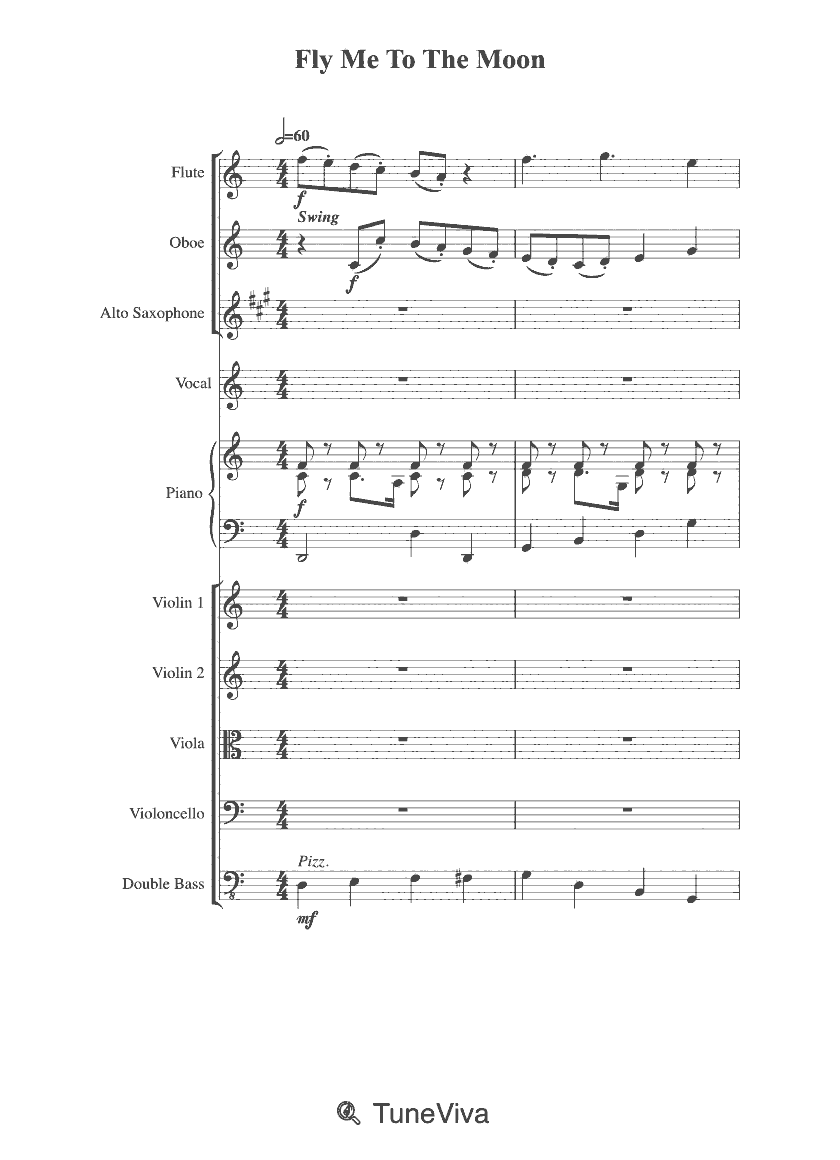
Frank Sinatra Arr. Hesti Katarina
Flute; Oboe; Alto Saxophone +7 parts · 4 min 19 sec
Open score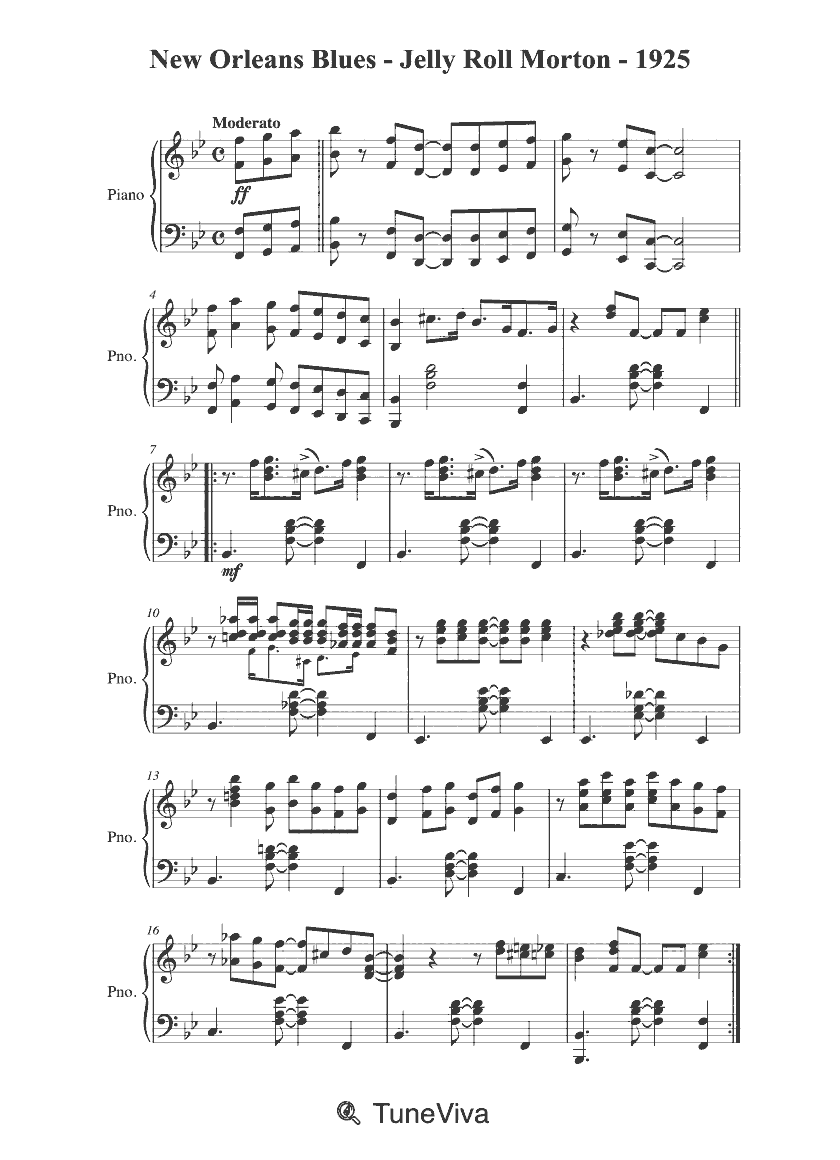
Jelly Roll Morton
Piano · 3 min 2 sec
Open score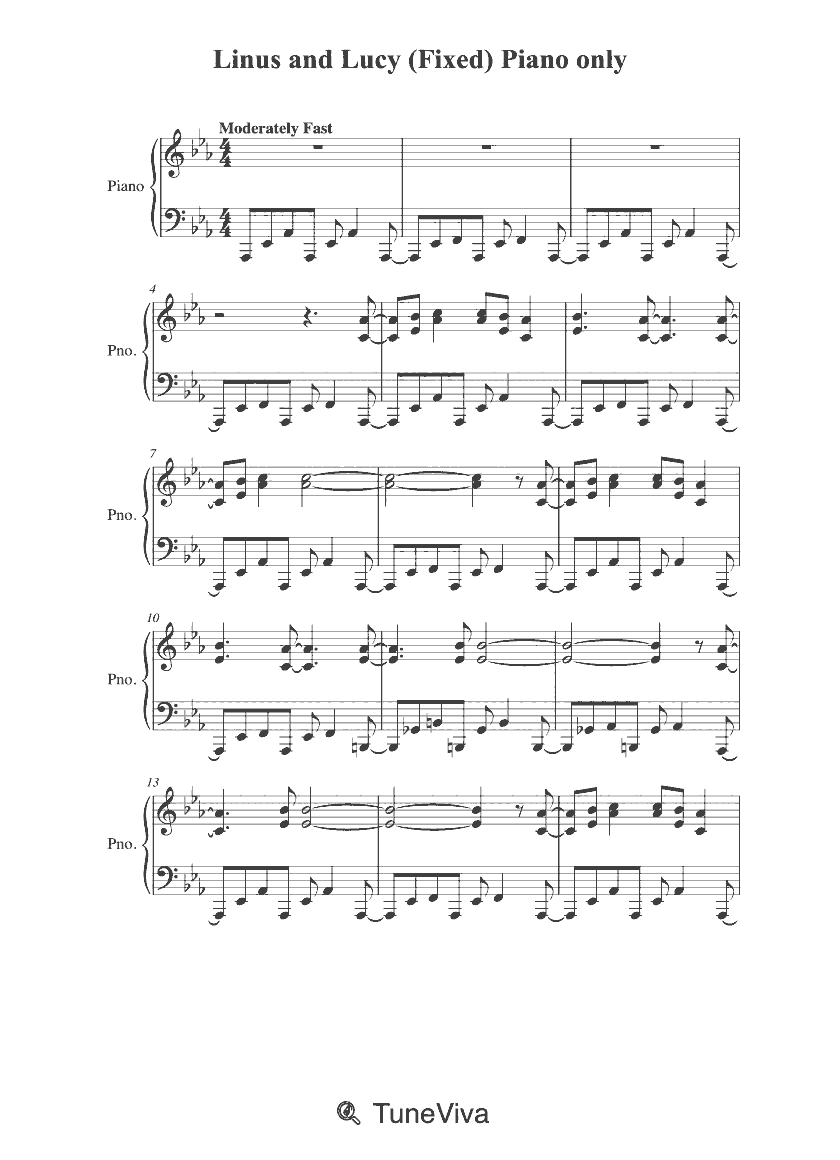
Vince Guaraldi
Peanuts
Piano · 2 min 44 sec
Open score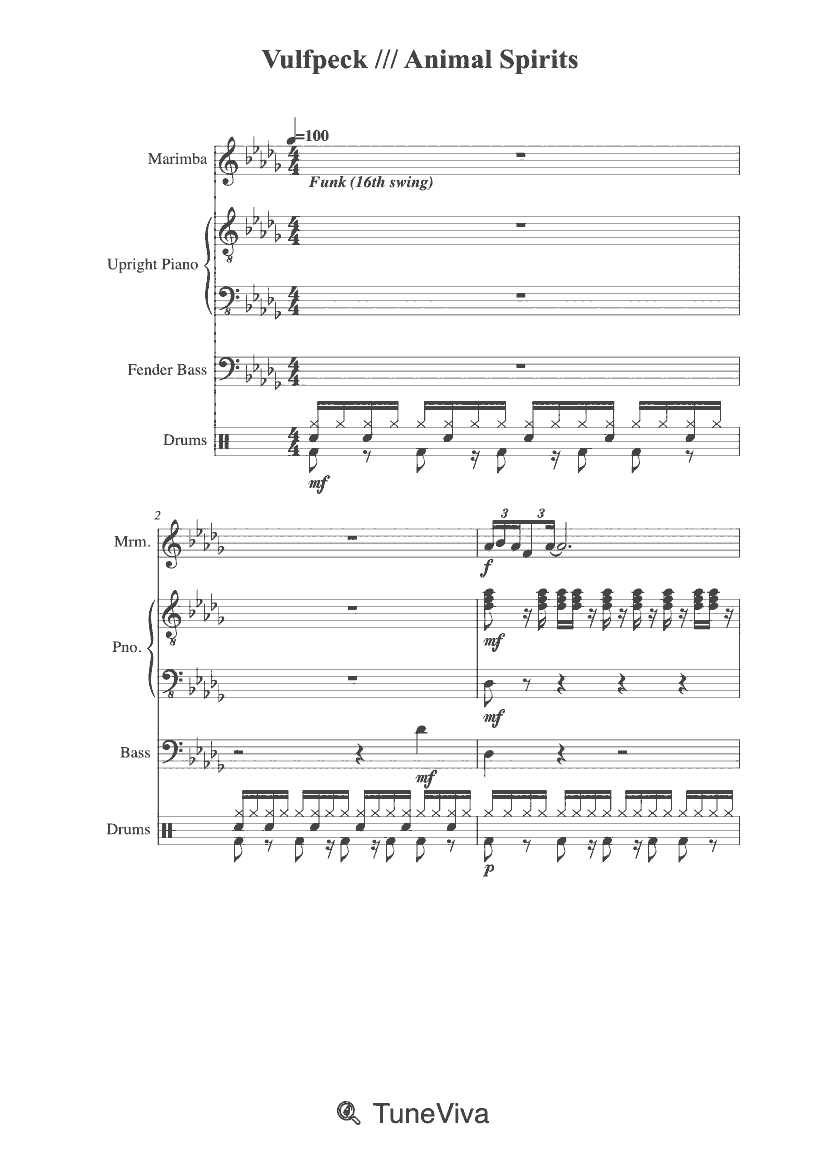
Jack Stratton Theo Katzmanarr. Landon Hildebrand
Vulfpeck
Marimba; Upright Piano; Fender Bass +1 parts · 3 min 32 sec
Open scorePage 1 of 17
Check whether the score is a lead sheet or a fully written arrangement. A lead sheet gives the tune and changes, leaving the voicing to you. Read each chord change at a steady pulse first, then add the melody. Follow the feel marked in the score, since different jazz pieces may call for swing, straight eighths or another groove.
Begin with the score parts. The piano scores here, The Crave and Skating, list a single Piano part. Whiplash Sax Quartet lists Soprano Saxophone, Alto Sax 1, Tenor Sax 1 and Baritone Sax. A part list tells you what is included in that score; it does not establish the original instrumentation or a difficulty level.
Opening details help compare the character of these scores. Whiplash Sax Quartet opens in 7/4 at 215 BPM; The Crave opens in 4/4 with one flat at 158 BPM; Skating opens in 3/4 with no sharps or flats at 192 BPM. These are opening indications only, and later sections may change.
The page includes solo-piano presentations and a saxophone quartet arrangement. If you need a piano-led version, start with the single-piano listings; if you are choosing for a sax quartet, check that the four parts match your group. Do not assume a piano score is a reduction of an ensemble work or that an arrangement is the composer's original scoring.
Scores labelled only Jazz are grouped here. Jazz and classical, pop and jazz, and jazz and soundtrack are separate pages, so a score that sits in one of those combinations may not appear in this list. Use the related pages when your search crosses those categories.
Score parts: Piano. Catalogue duration 1 min 43 sec. Opening key signature: 1 flat. Opening time signature: 4/4. Opening tempo: 158 BPM.
Score parts: Soprano Saxophone, Alto Sax 1, Tenor Sax 1, Baritone Sax. Catalogue duration 4 min 25 sec. Opening key signature: No sharps or flats; 1 sharp. Opening time signature: 7/4. Opening tempo: 215 BPM.
Score parts: Piano. Catalogue duration 2 min 46 sec. Opening key signature: No sharps or flats. Opening time signature: 3/4. Opening tempo: 192 BPM.
No. This page lists 323 scores labelled only as Jazz. Jazz and classical has its own page.
It names a part in that file, such as Piano or Alto Saxophone. It is not an examination result and not a claim about the original ensemble.
The jazz sheet music on this page includes solo piano scores and a saxophone quartet arrangement. Examples are The Crave, associated with Jelly Roll Morton; Skating by Vince Guaraldi; and Whiplash Sax Quartet arranged by Ira Matthews. Check each listing's score parts for the exact instrumentation.
Whiplash Sax Quartet is scored for soprano saxophone, alto saxophone 1, tenor saxophone 1 and baritone saxophone. The arrangement is credited to Ira Matthews and is associated with Hank Levy; the score opens in 7/4 at 215 BPM.
The Crave is presented as a single-piano score associated with Jelly Roll Morton. Its opening is in 4/4 with one flat and a tempo of 158 BPM.
Skating is a single-piano score with music by Vince Guaraldi; it opens in 3/4 with no sharps or flats at 192 BPM. The Crave, associated with Jelly Roll Morton, is also a single-piano score but opens in 4/4 with one flat at 158 BPM. These opening details describe the scores, not a full comparison of difficulty or form.
A part name identifies a part included in that particular score, such as Piano or Alto Saxophone. It should not be read as proof of the original ensemble, the composer's scoring or an examination grade; compare the listed score parts with your own ensemble needs.