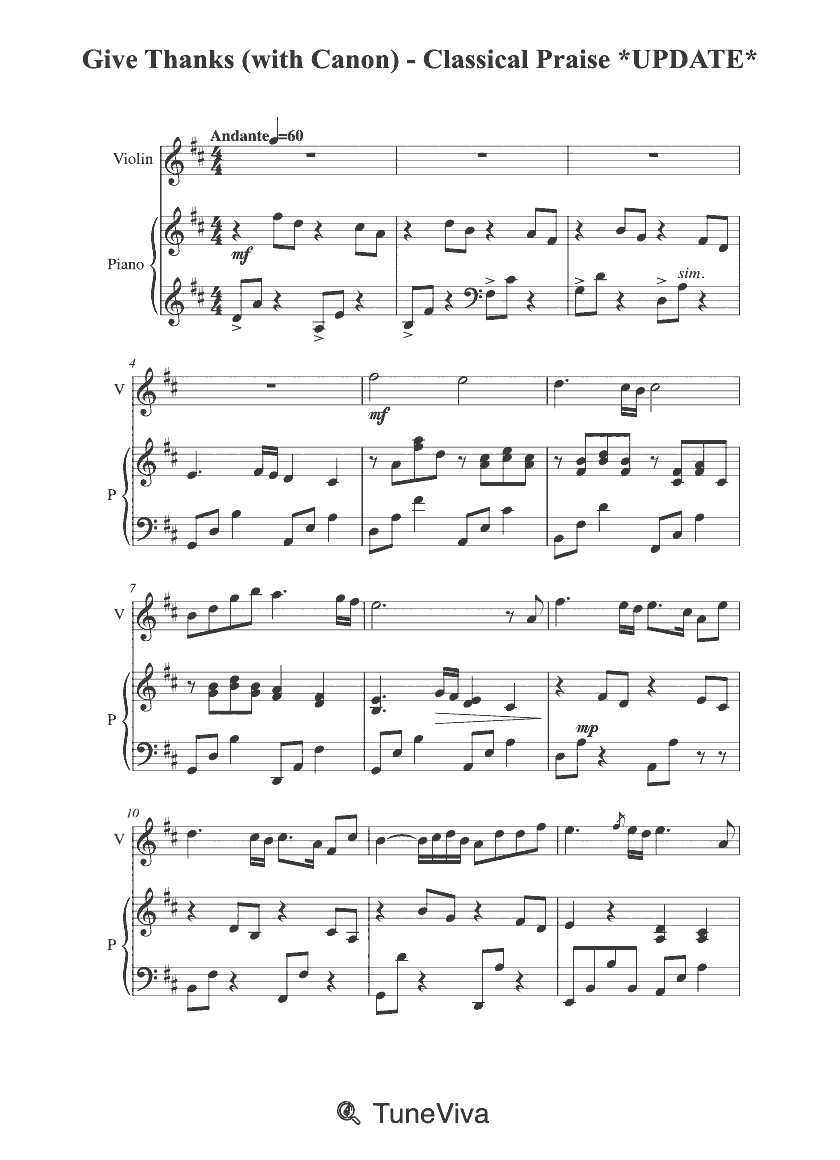
Give Thanks (with Canon) - Classical Praise *UPDATE*
Phillip Keveren David Angell
from Classical Praise Volume 2: Piano & Violin
Violin; Piano · Arr. Phillip Keveren · 4 min 25 sec
Open scoreThe religious music label covers a wide range of sheet music, and this page collects scores filed under that label alone; scores that combine it with classical, folk or soundtrack are listed separately. The highlighted versions show some of that variety: two different settings of Amazing Grace — one for piano and right hand, another listing organ, electronic organ, harmonium, bandoneon and melodica — and Phillip Keveren's violin-and-piano arrangement of Give Thanks (with Canon). Instrumentation, opening key and tempo are the most reliable ways to compare these scores before choosing one.
Scores 1–20 of 419
Phillip Keveren David Angell
from Classical Praise Volume 2: Piano & Violin
Violin; Piano · Arr. Phillip Keveren · 4 min 25 sec
Open score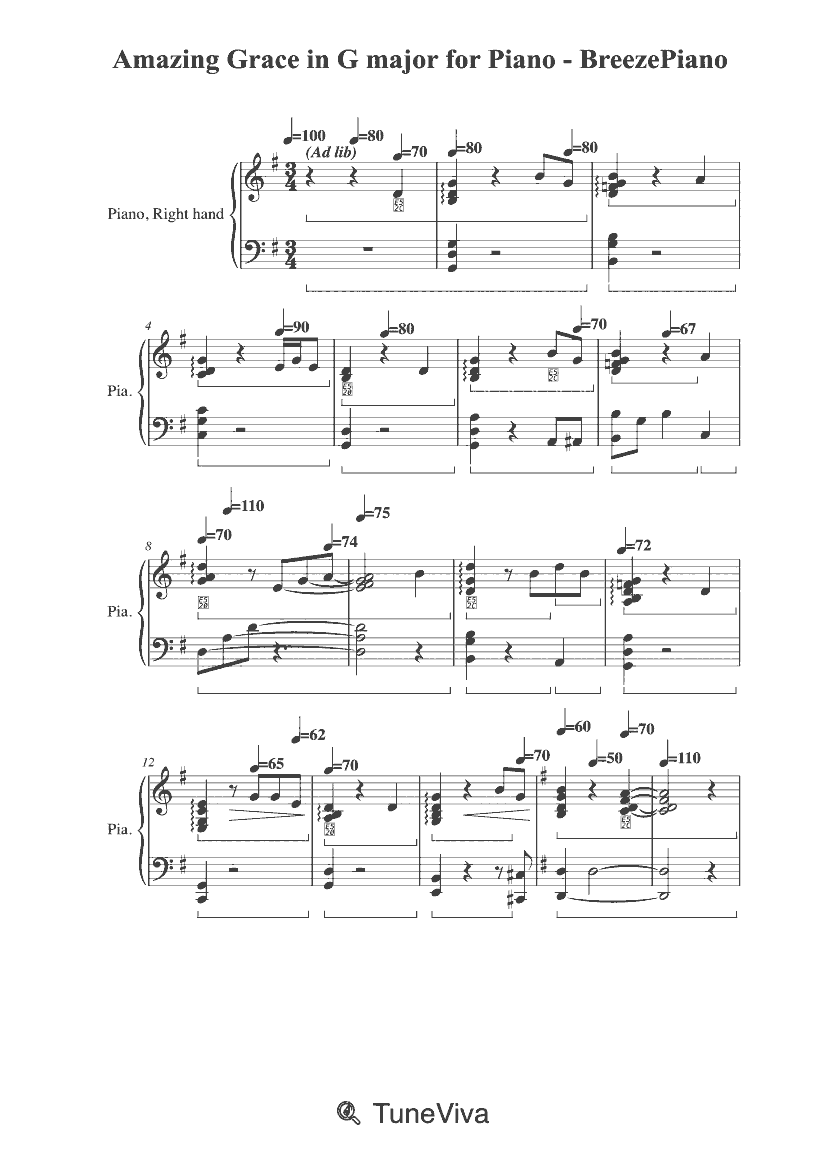
Traditional Song
(G major)
Piano, Right hand · Arr. a breeze · 2 min 42 sec
Open score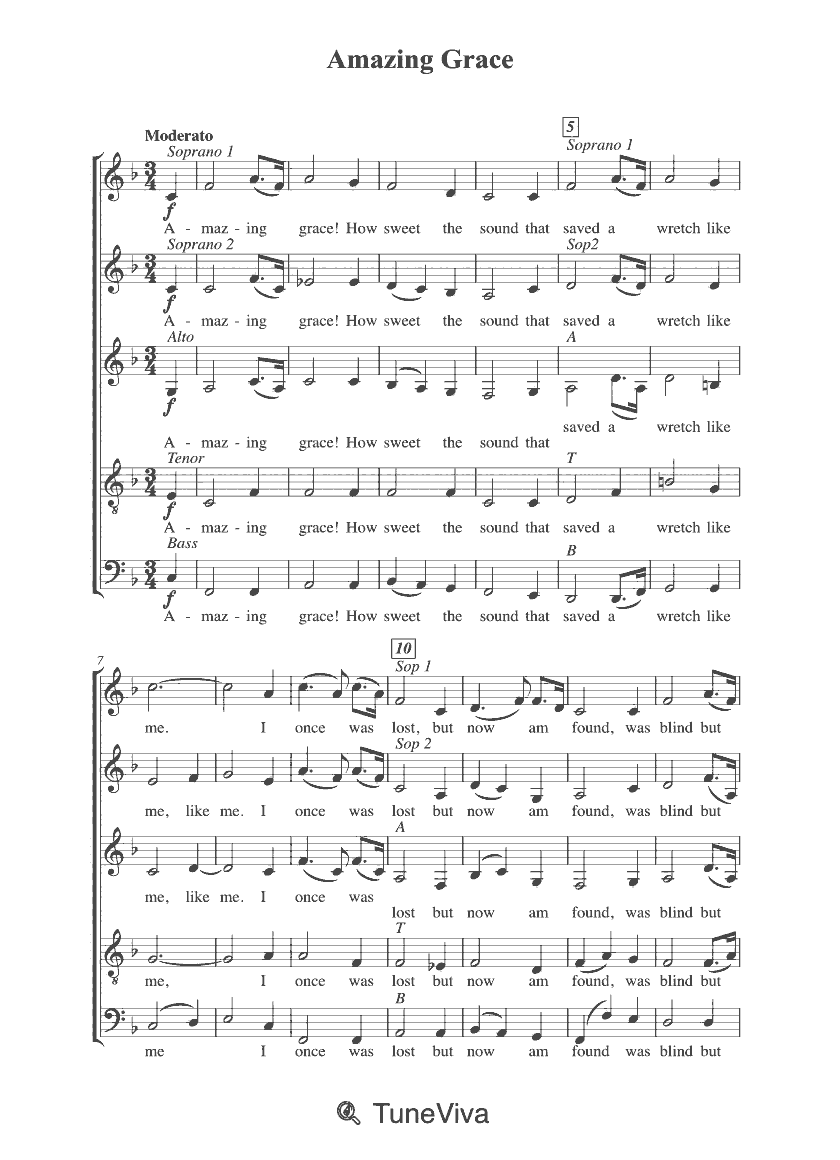
Misc Praise Songs
Organ; Electronic Organ; Harmonium +2 parts · 4 min 2 sec
Open score
Lyrics: John L. Bell
Hymn 384 in Breaking Bread 2014
Voice; Piano; Organ · 1 min 3 sec
Open score
Lee Ji-eun (IU)
Piano · 5 min 23 sec
Open score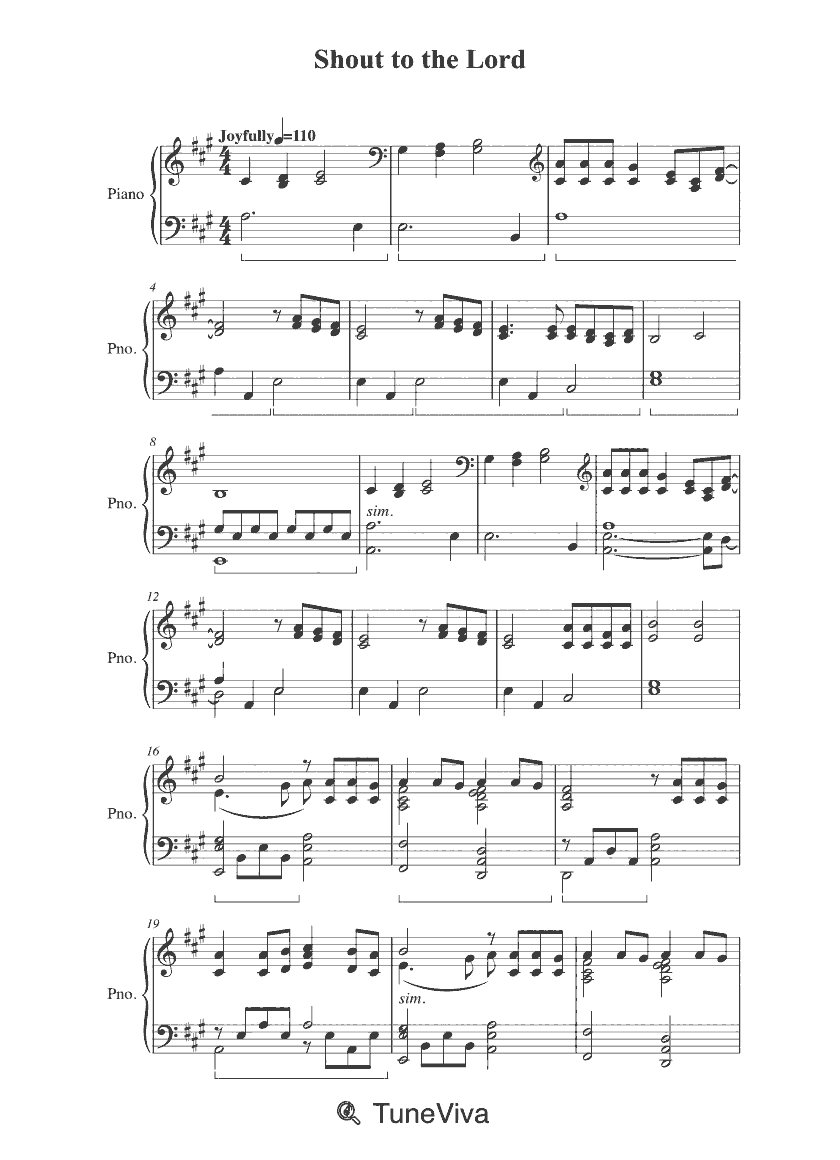
Darlene Zschech arr. KalimofDaybreak
Piano · 3 min 47 sec
Open score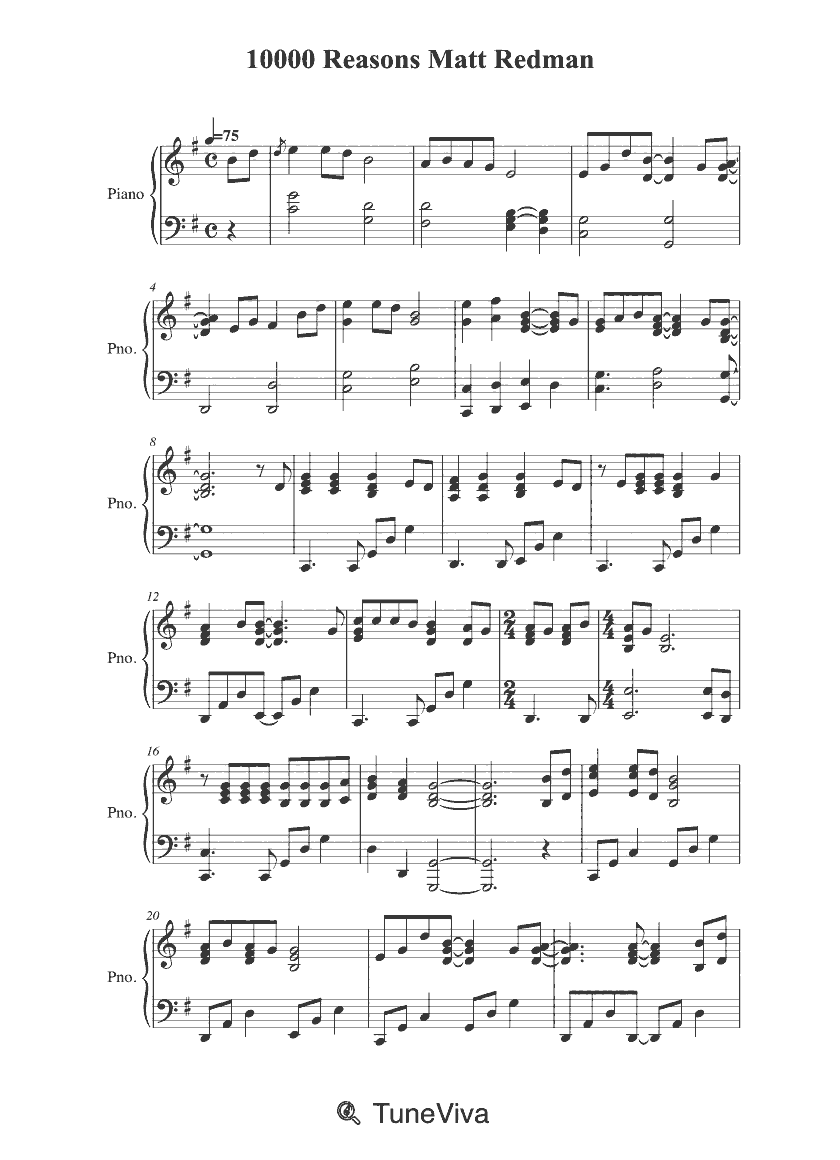
Arranged By David HarrisWritten by Matt Redman and Jonas Myrin
Piano · 3 min 11 sec
Open score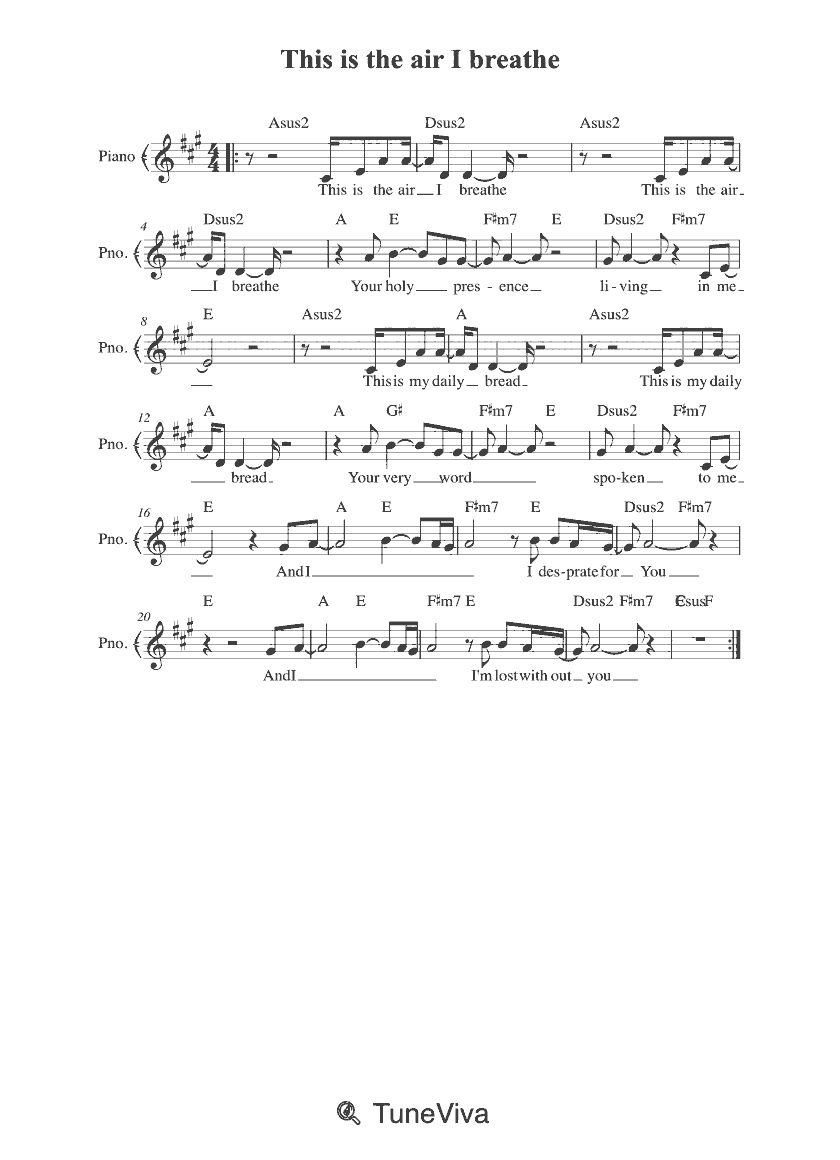
Hillsong
Piano · 1 min 35 sec
Open score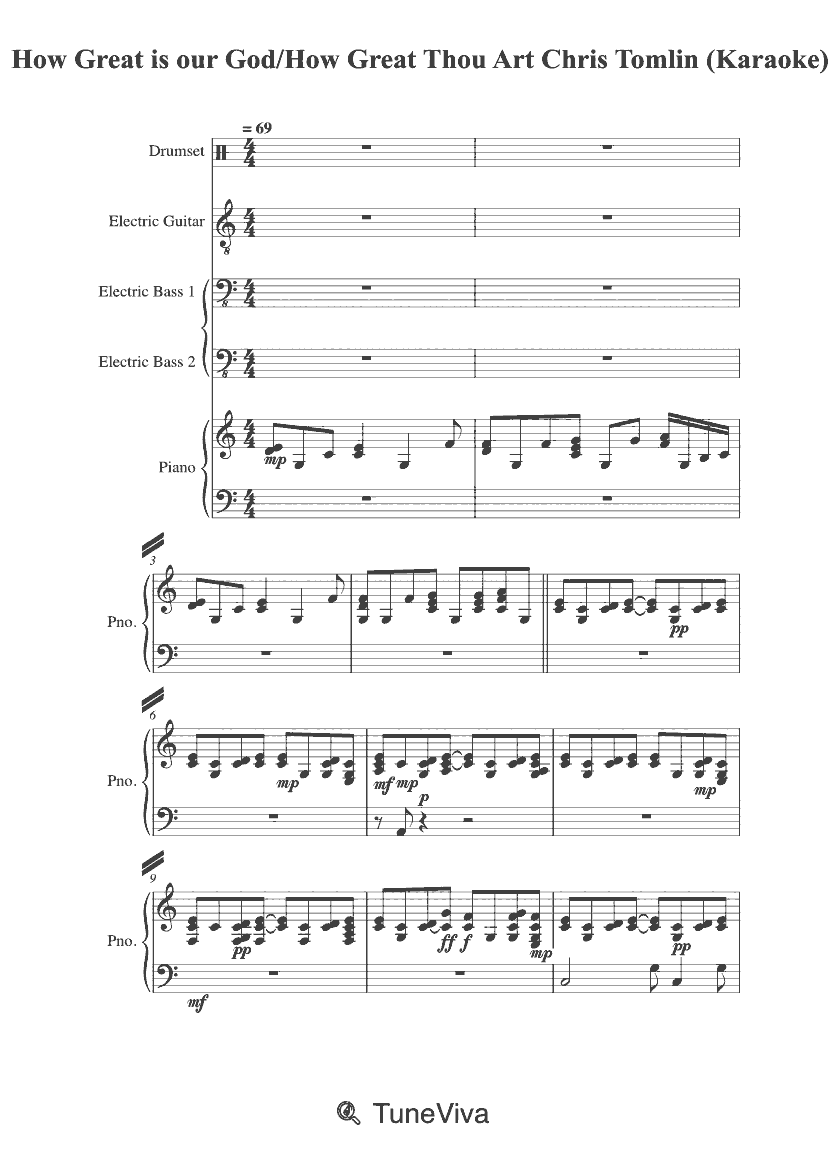
Chris Tomlin
Drumset; Electric Guitar; Electric Bass 1 +2 parts · 14 min 50 sec
Open score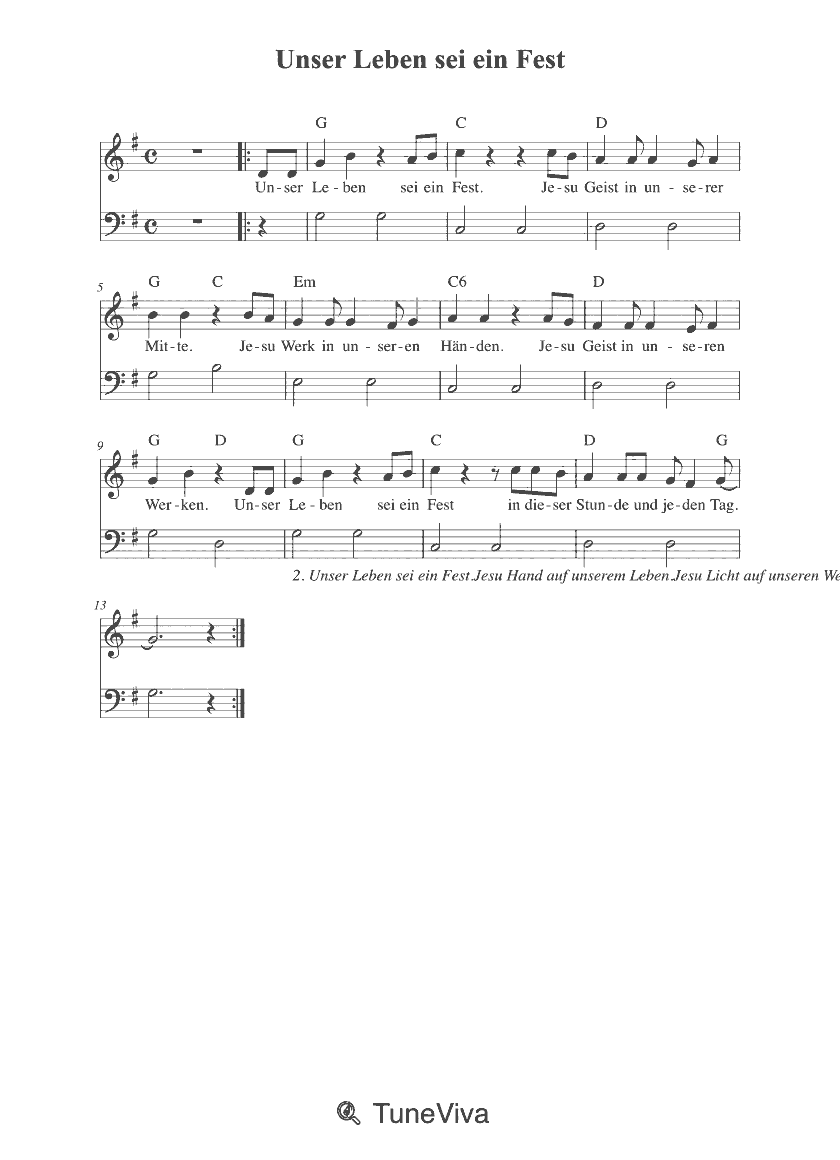
Misc Praise Songs
Piano; Klavier · 50 sec
Open score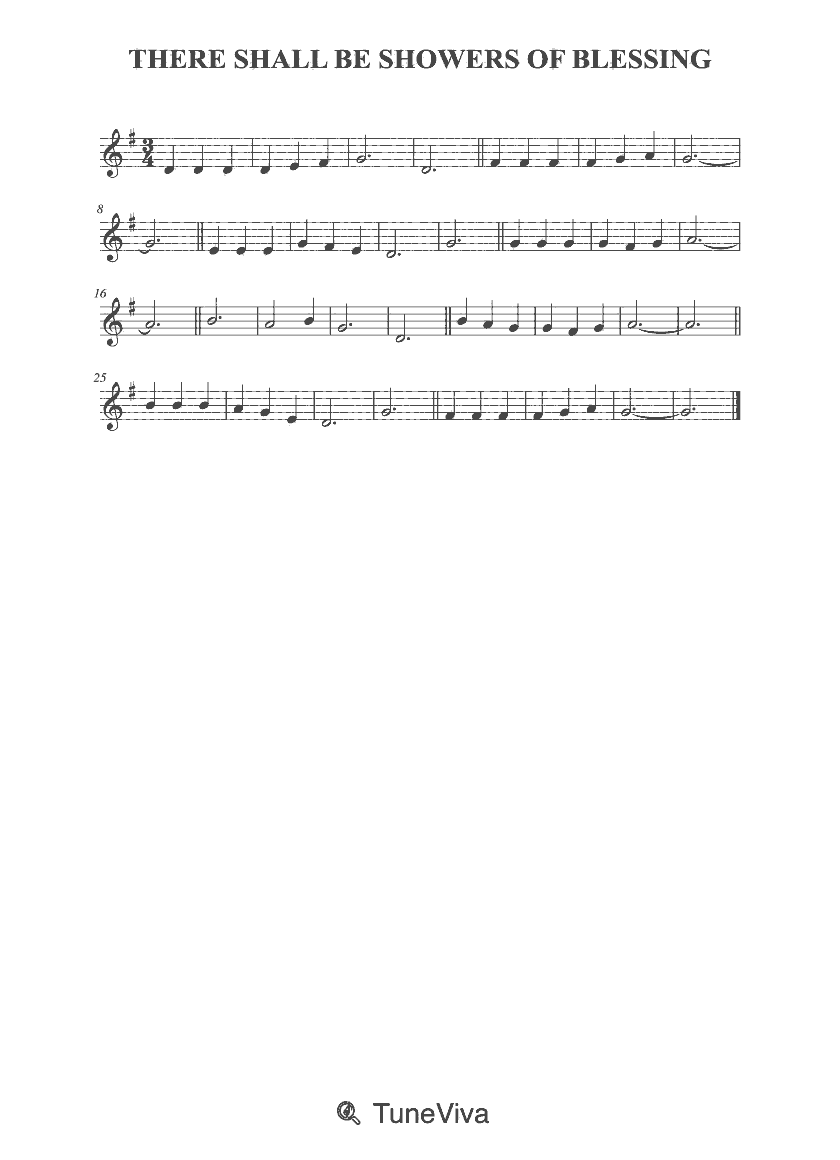
DR Jeeva Ravi MD.
Violin · 48 sec
Open score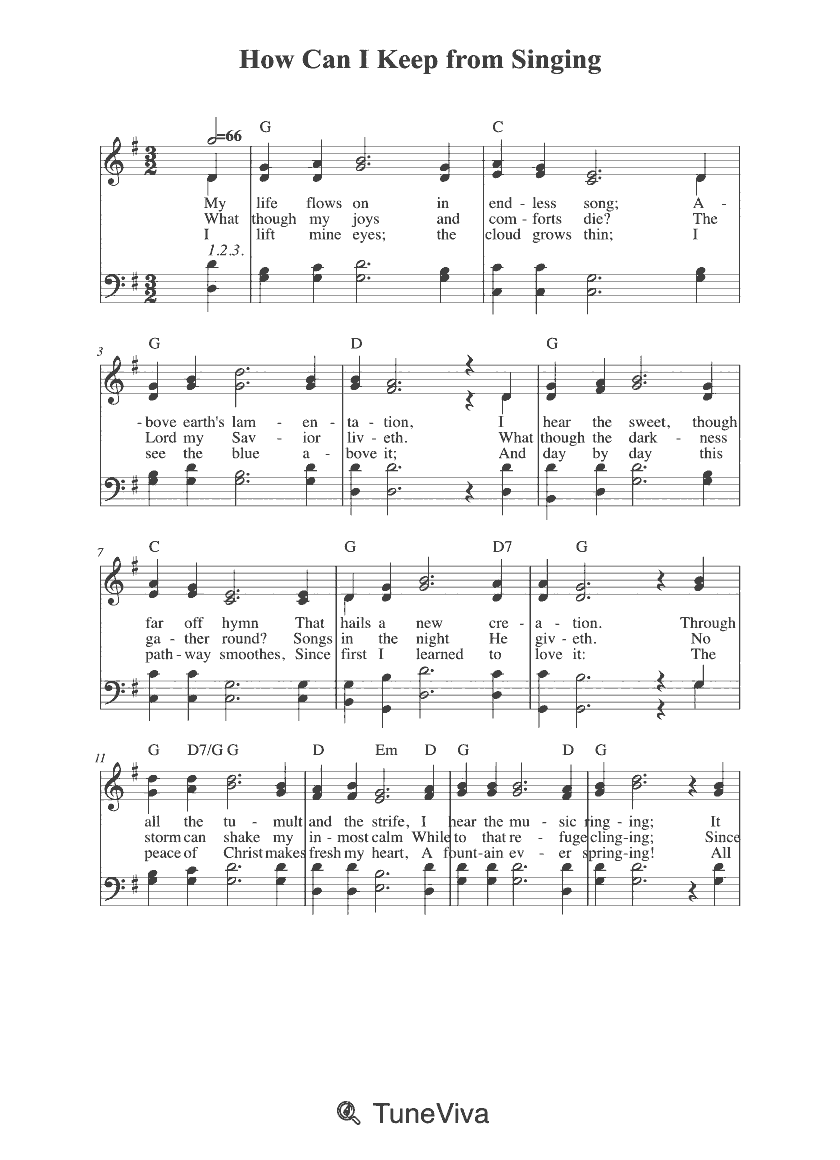
ENDLESS SONG 8.7.8.7.Ref. Robert Lowry 1869
Piano · 1 min 36 sec
Open score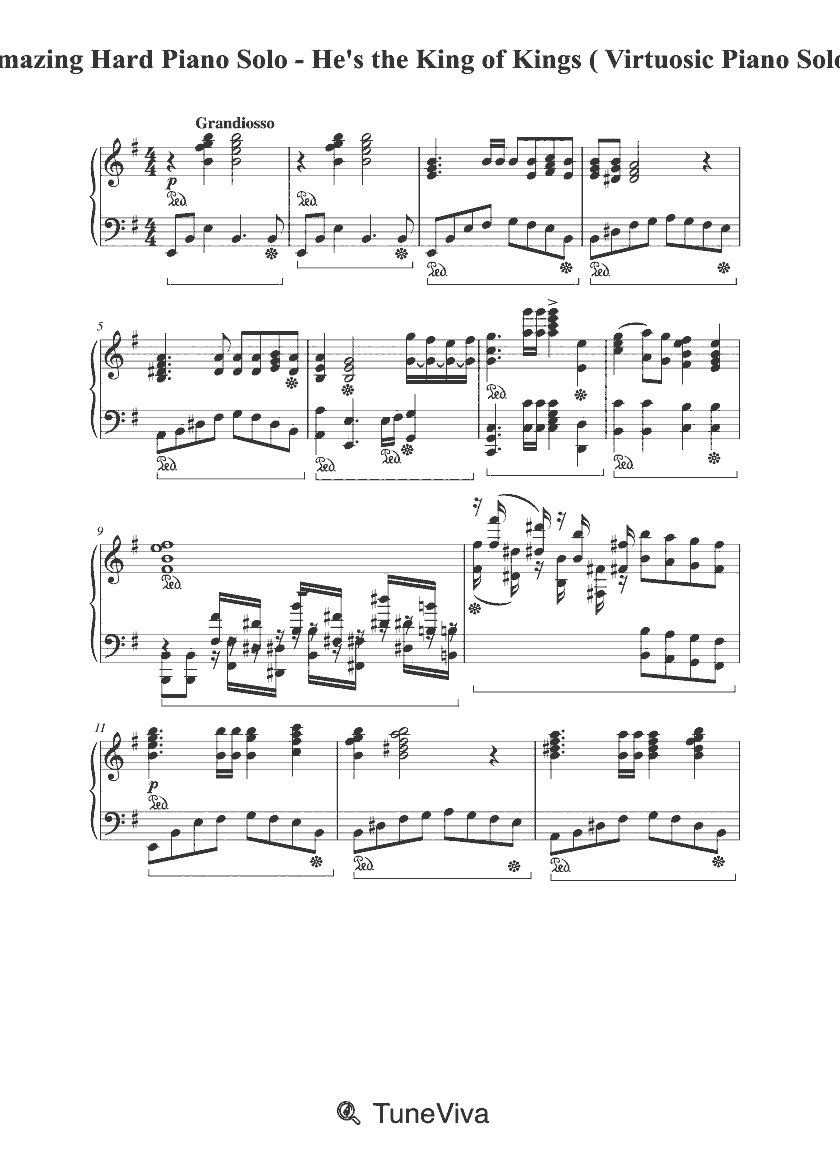
Lighthouse Evangelistic Team Arranged by Bonjovi Verdejo
An Original Medley
Piano · 3 min 26 sec
Open score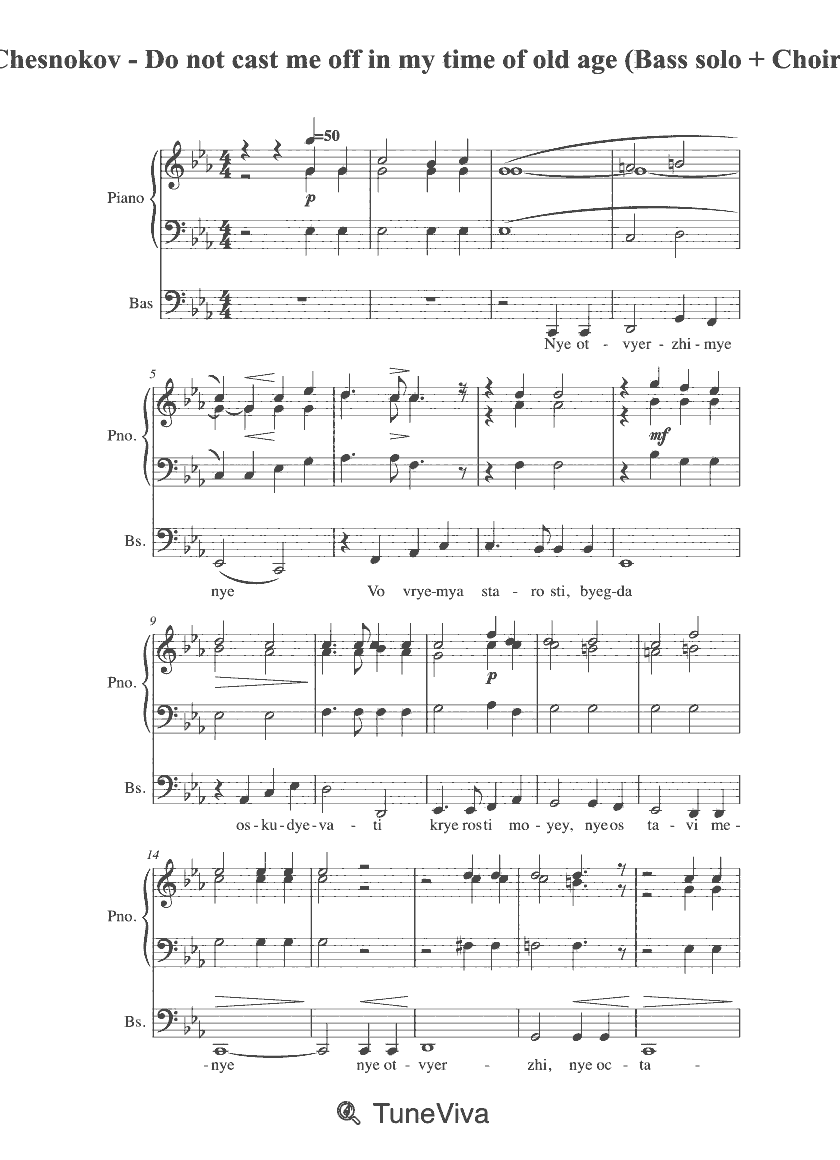
.. . 40, N 5 P. Chesnokov. Op. 40, N 5
Ne otverzhi mene vo vremya starosti - Do not reject me in my old age
Piano; Bas · 10 min 20 sec
Open score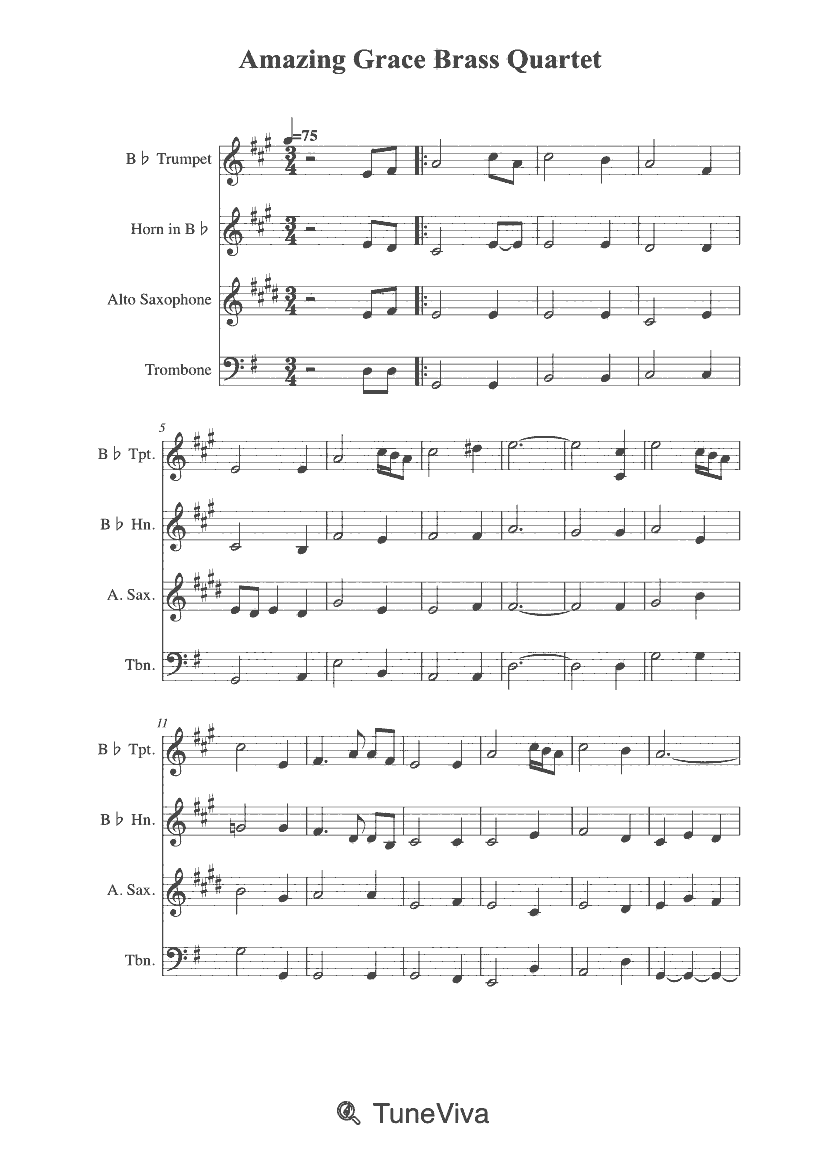
arr. by N.B. Vergara
for brass quartet
B♭ Trumpet; Horn in B♭; Alto Saxophone +1 parts · 2 min 21 sec
Open score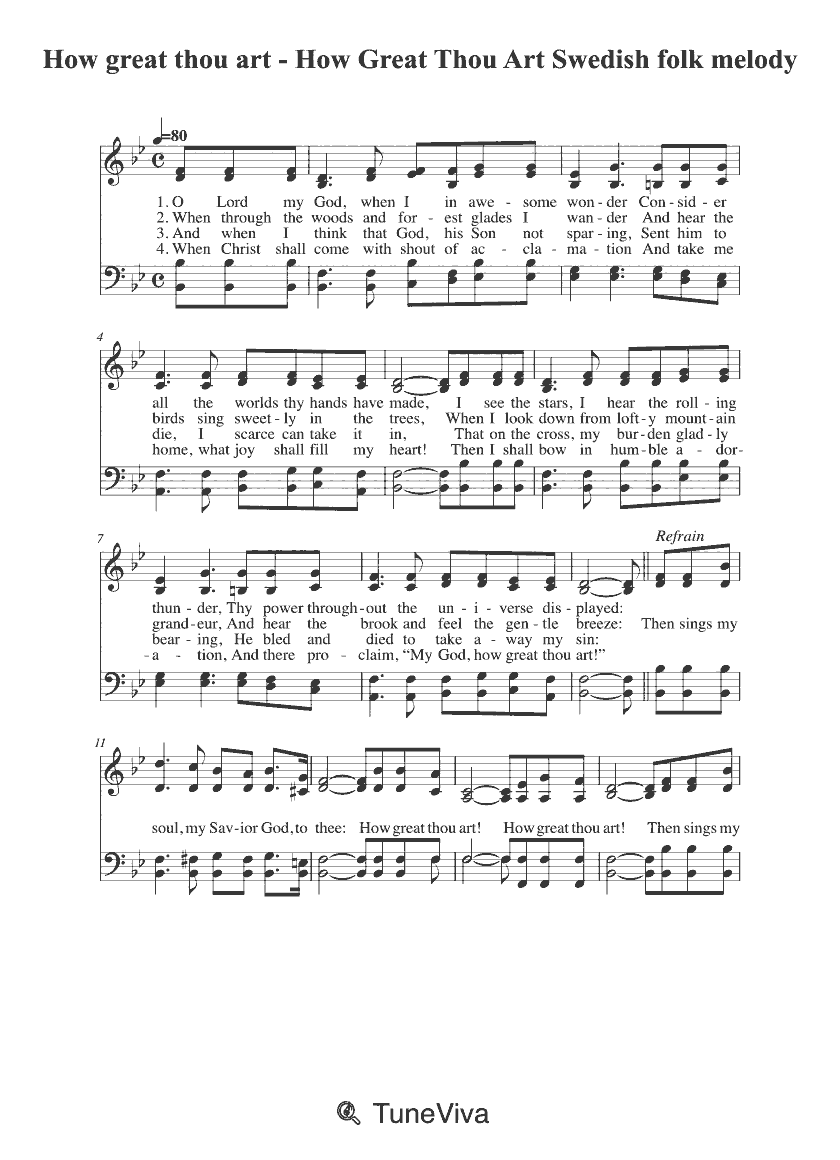
Swedish Folk Melody
48 sec
Open score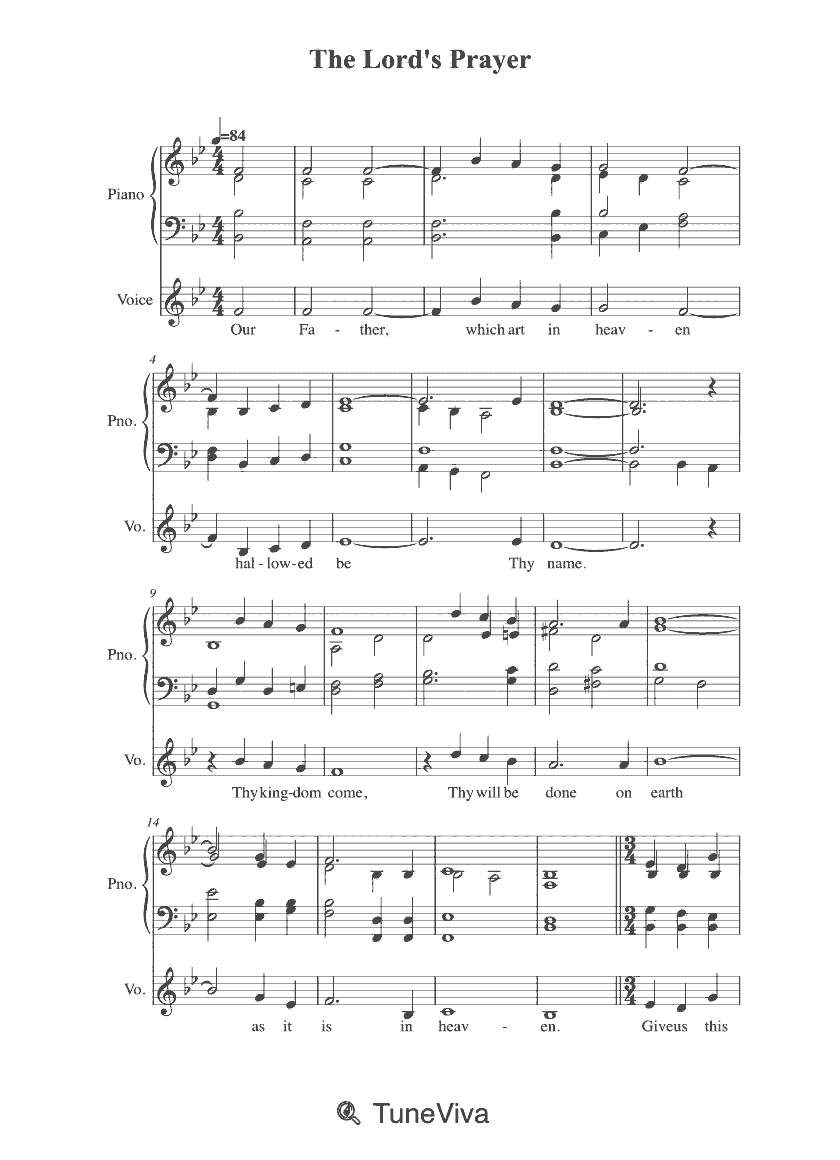
Albert Hay Malotte
Piano; Voice · 3 min 4 sec
Open score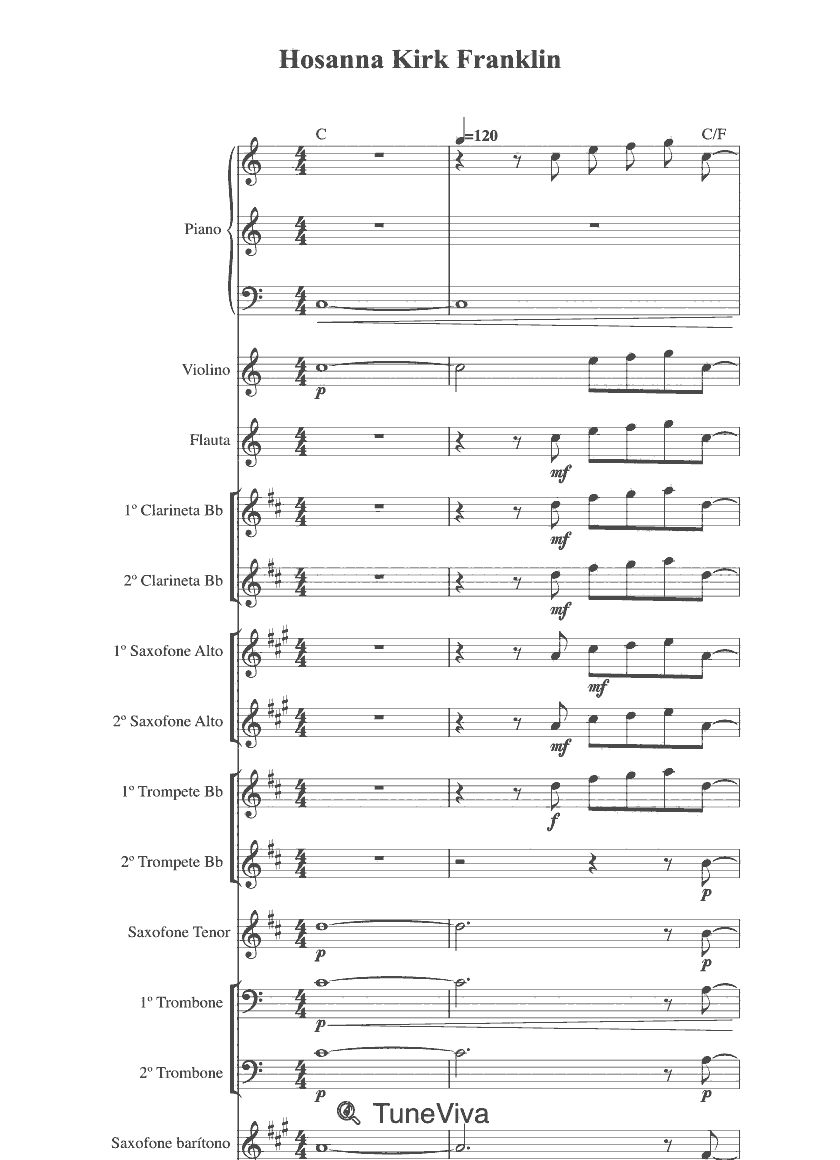
Kirk Franklin
Piano; Violino; Flauta +12 parts · 4 min 50 sec
Open score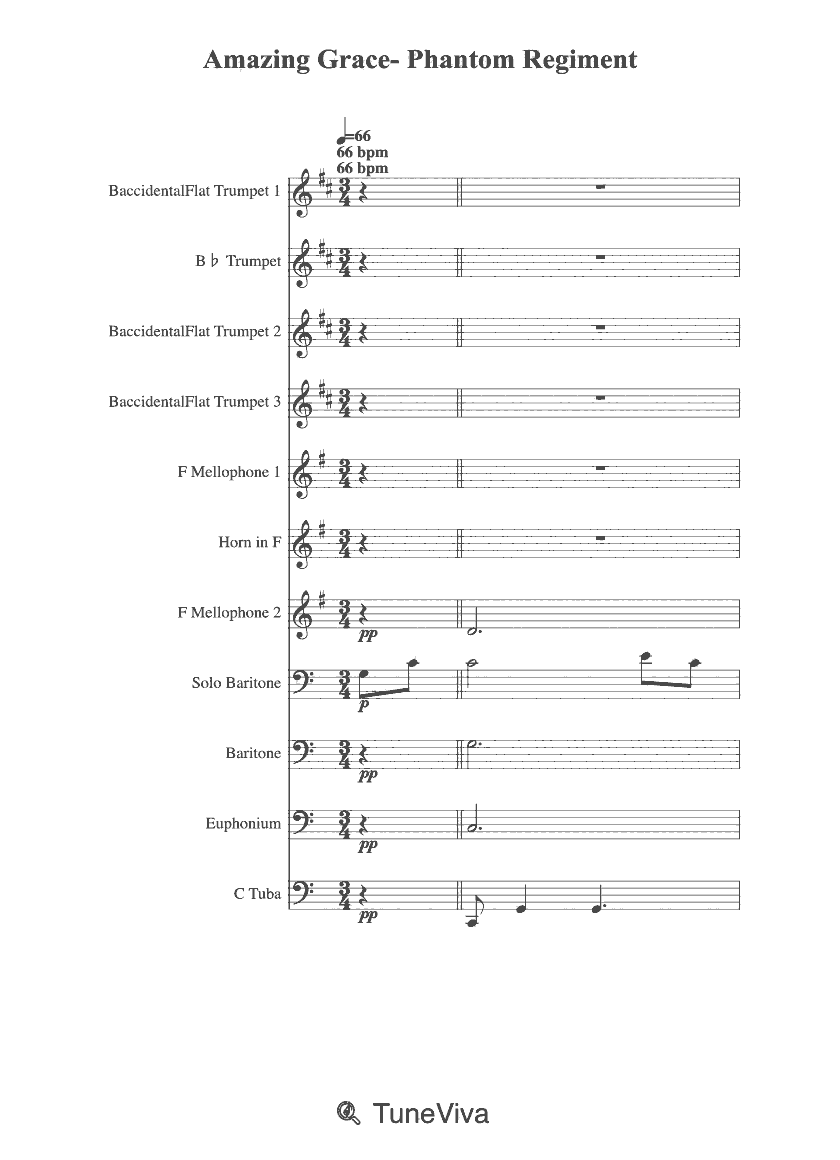
Written by John Newton Transcribed and Arr. by Josh C
Phantom Regiment Version
B♭ Trumpet 1; B♭ Trumpet; B♭ Trumpet 2 +8 parts · 2 min 29 sec
Open score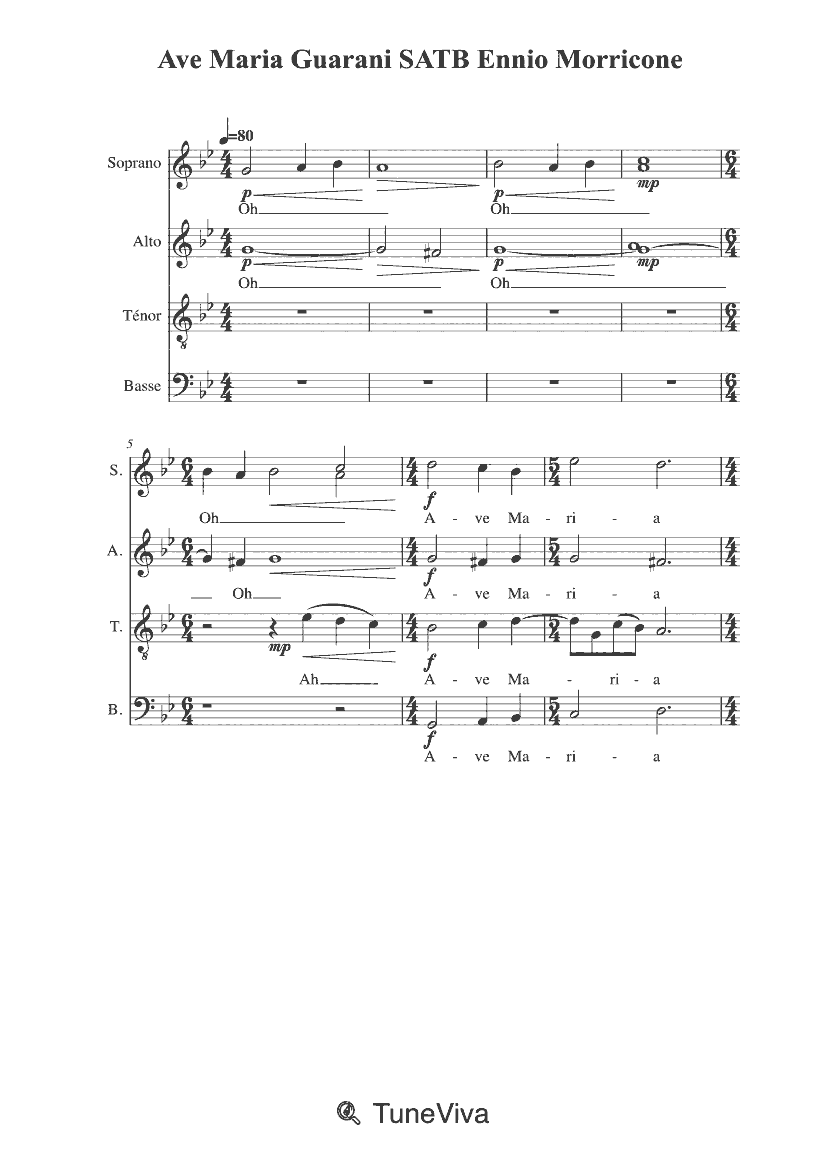
Misc Praise Songs
Soprano; Alto; Ténor +1 parts · 2 min 11 sec
Open scorePage 1 of 21
Religious music is a broad umbrella rather than a single tradition, occasion or style. On this page the label does not tell you whether a score is intended for worship, a concert or personal study, nor which religious tradition it comes from. Use the title, arranger credit and listed instruments to judge the version in front of you.
The piano setting, credited to arranger 'a breeze', lists Piano and Right hand, opens with one sharp, and is in 3/4 at 100 BPM. The other Amazing Grace score lists Organ, Electronic Organ, Harmonium, Bandoneon and Melodica, opens with one flat, and is in 3/4 at 112 BPM. These are separate arrangements for different instrumentations rather than interchangeable parts of one score.
The opening key signature, time signature and tempo describe how a score begins. For example, Give Thanks (with Canon) opens with two sharps in 4/4 at 60 BPM, while the piano Amazing Grace opens with one sharp in 3/4 at 100 BPM. Use these details to compare starting keys and pacing, but do not assume they describe every section of a piece.
Check the score parts before selecting a version. A piano-and-right-hand score is not the same as a five-part organ, harmonium, bandoneon and melodica setting, and the violin-and-piano version of Give Thanks (with Canon) calls for different players. The label alone does not grade difficulty or guarantee that a score will suit a particular ensemble.
Score parts: Piano, Right hand. Catalogue duration 2 min 42 sec. Opening key signature: 1 sharp. Opening time signature: 3/4. Opening tempo: 100 BPM.
Score parts: Organ, Electronic Organ, Harmonium, Bandoneon, Melodica. Catalogue duration 4 min 2 sec. Opening key signature: 1 flat. Opening time signature: 3/4. Opening tempo: 112 BPM.
Score parts: Violin, Piano. Catalogue duration 4 min 25 sec. Opening key signature: 2 sharps. Opening time signature: 4/4. Opening tempo: 60 BPM. Arranger: Phillip Keveren.
This page lists 419 scores labelled only as Religious music. Combined labels are separate filings.
No. Lyric text is a catalogue count. The score parts and arranger credit, when the file has them, say more about that file.
Scores filed only under the religious music label include two different settings of Amazing Grace and Phillip Keveren's violin-and-piano arrangement of Give Thanks (with Canon). These versions differ in instrumentation, key and tempo, so the label alone does not identify a single style or tradition.
One Amazing Grace score is for piano and right hand, arranged by 'a breeze', opening with one sharp in 3/4 at 100 BPM. The other lists organ, electronic organ, harmonium, bandoneon and melodica, opens with one flat in 3/4, and is marked at 112 BPM. The two are separate arrangements with different instrumentations and starting tempos.
Give Thanks (with Canon) is listed for violin and piano, with Phillip Keveren named as arranger. The score opens with two sharps in 4/4 at 60 BPM. These details identify the version; they do not by themselves describe the whole piece.
Opening key signature and tempo can help compare starting keys and pacing between versions. For example, the piano Amazing Grace opens with one sharp at 100 BPM, the other Amazing Grace opens with one flat at 112 BPM, and Give Thanks (with Canon) opens with two sharps at 60 BPM. These figures describe the opening only, so check the score if you need the key or tempo later in the piece.
An arranger credit identifies who prepared that particular version. The piano Amazing Grace names 'a breeze' as arranger, and Give Thanks (with Canon) names Phillip Keveren. The credit does not replace the title or instrumentation details when you are choosing a score.
The religious music label is broad and does not by itself specify a religious tradition, occasion or musical style. The individual title, arranger and score parts give more concrete information: for instance, one Amazing Grace setting is for piano and right hand, while another is for organ, harmonium, bandoneon and melodica.