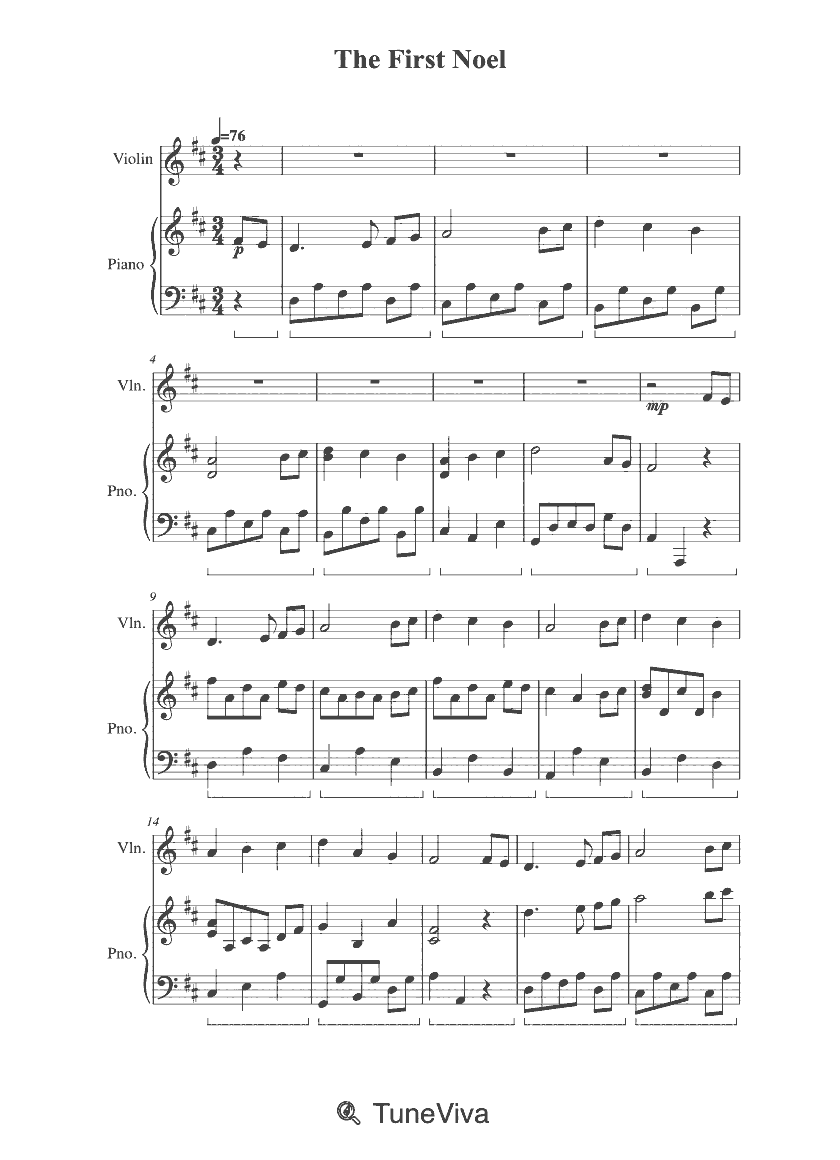
The First Noel
Traditional
Arr. Jason Garrison
Violin; Piano · 1 min 53 sec
Open scoreSoundtrack sheet music on TuneViva gathers scores filed under the soundtrack label, which can cover music from different media and productions. The examples shown here are piano-labelled versions of themes and cues, including “Megalovania,” “Axel F (Beverly Hills Cop III)” and “How to Train Your Dragon: Flying Theme.” Because the label is broad, compare the exact title, version, score part and credits before choosing an arrangement.
Scores 1–20 of 2,550
Traditional
Arr. Jason Garrison
Violin; Piano · 1 min 53 sec
Open score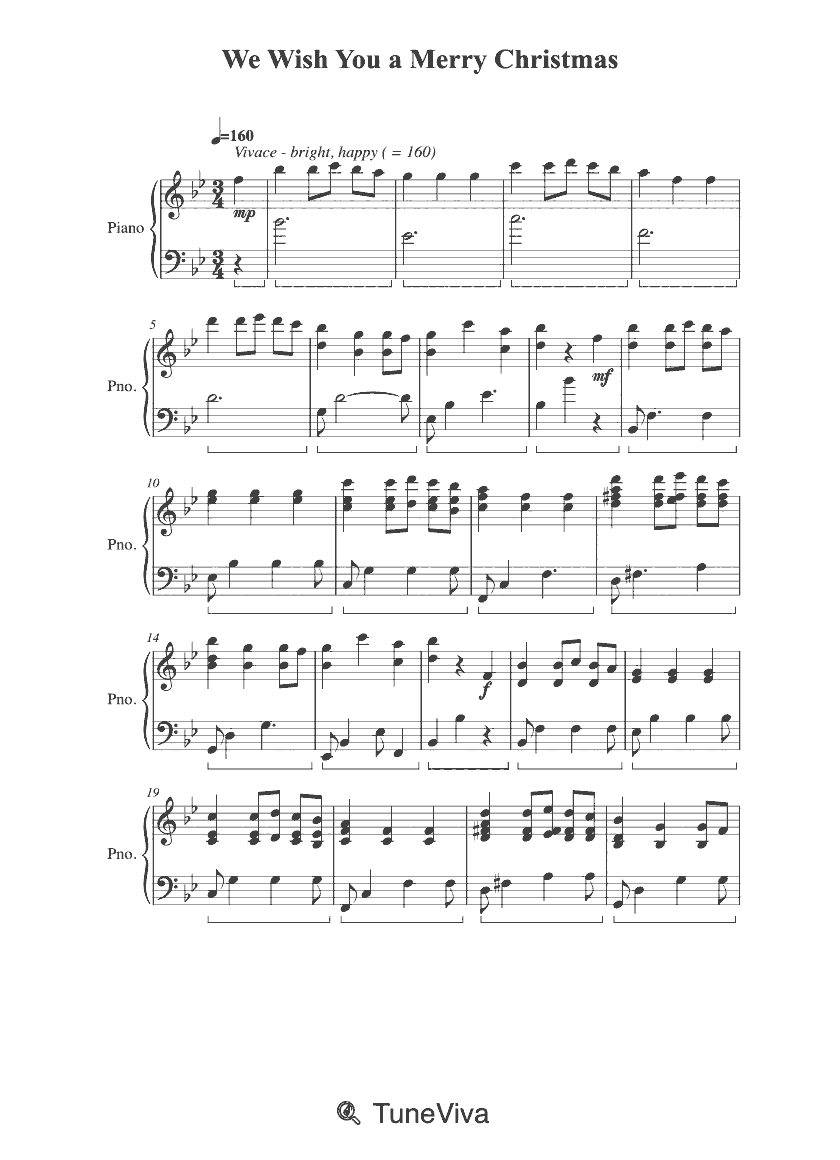
Traditional
Piano · 1 min 6 sec
Open score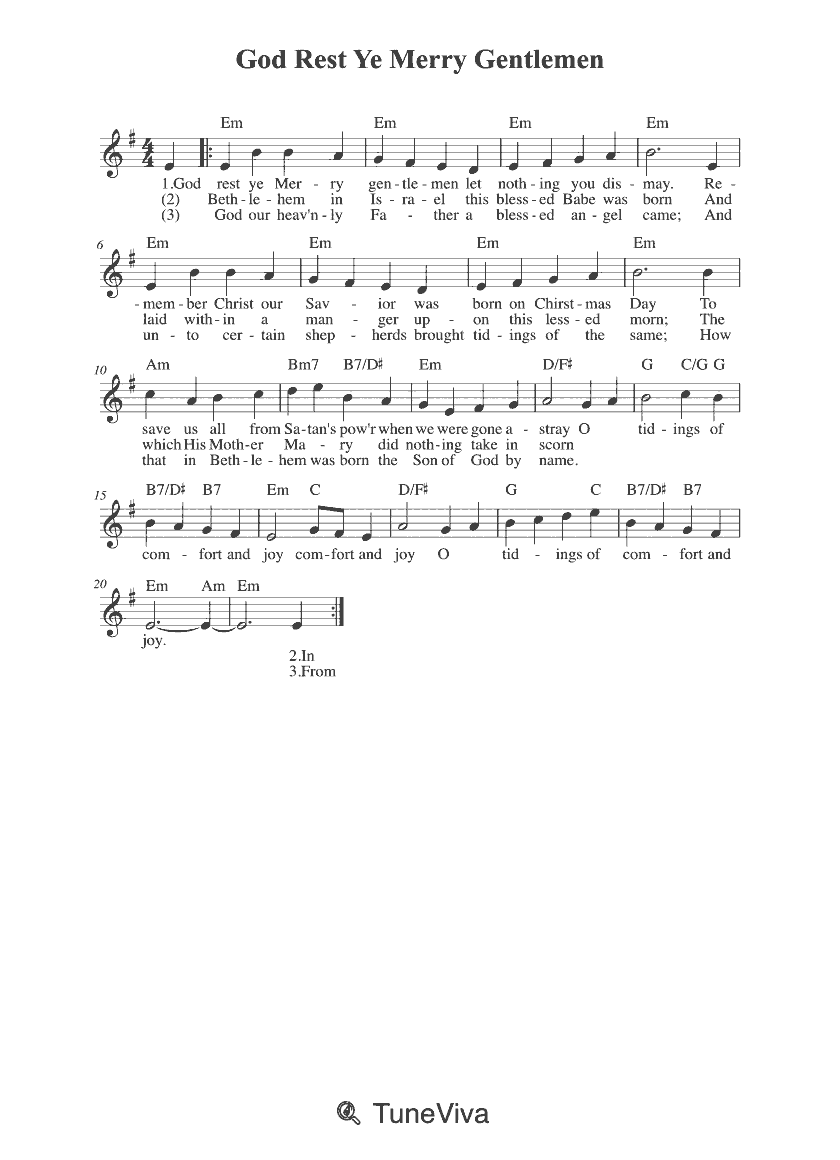
Traditional
1 min 20 sec
Open score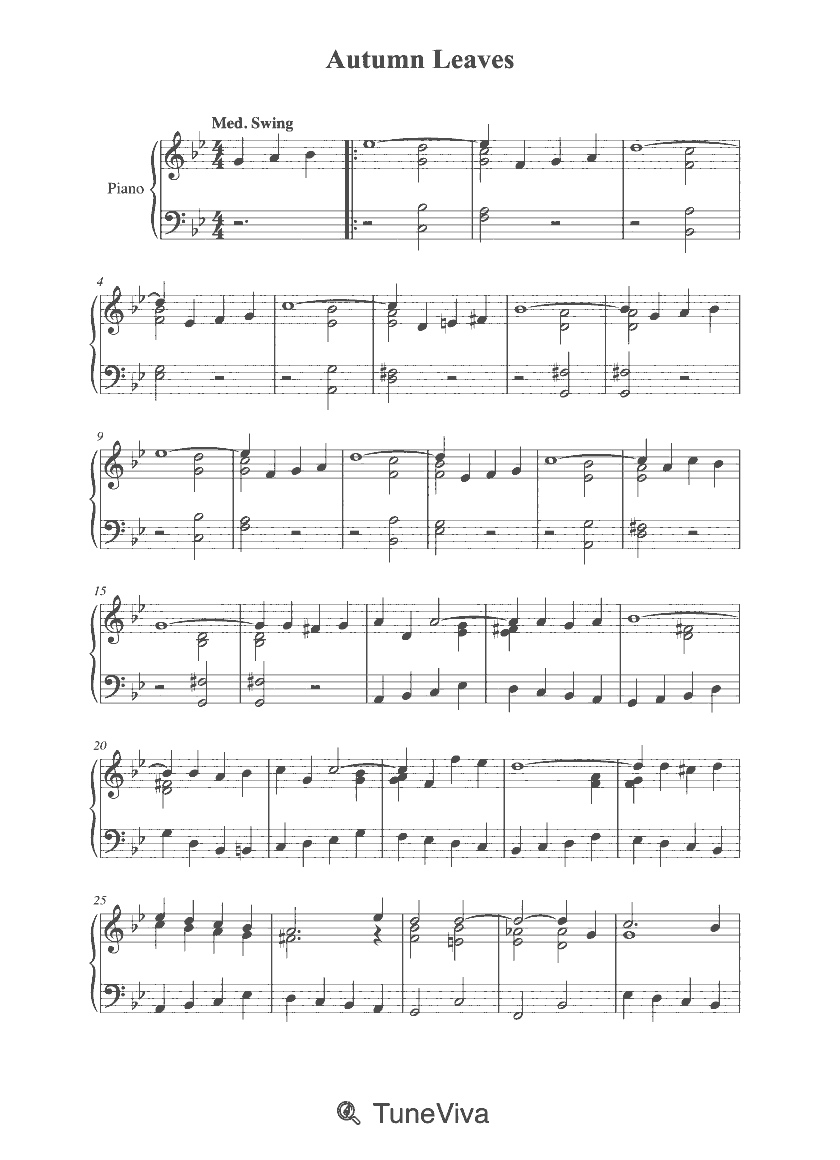
Joseph Kosma
Piano · 6 min 55 sec
Open score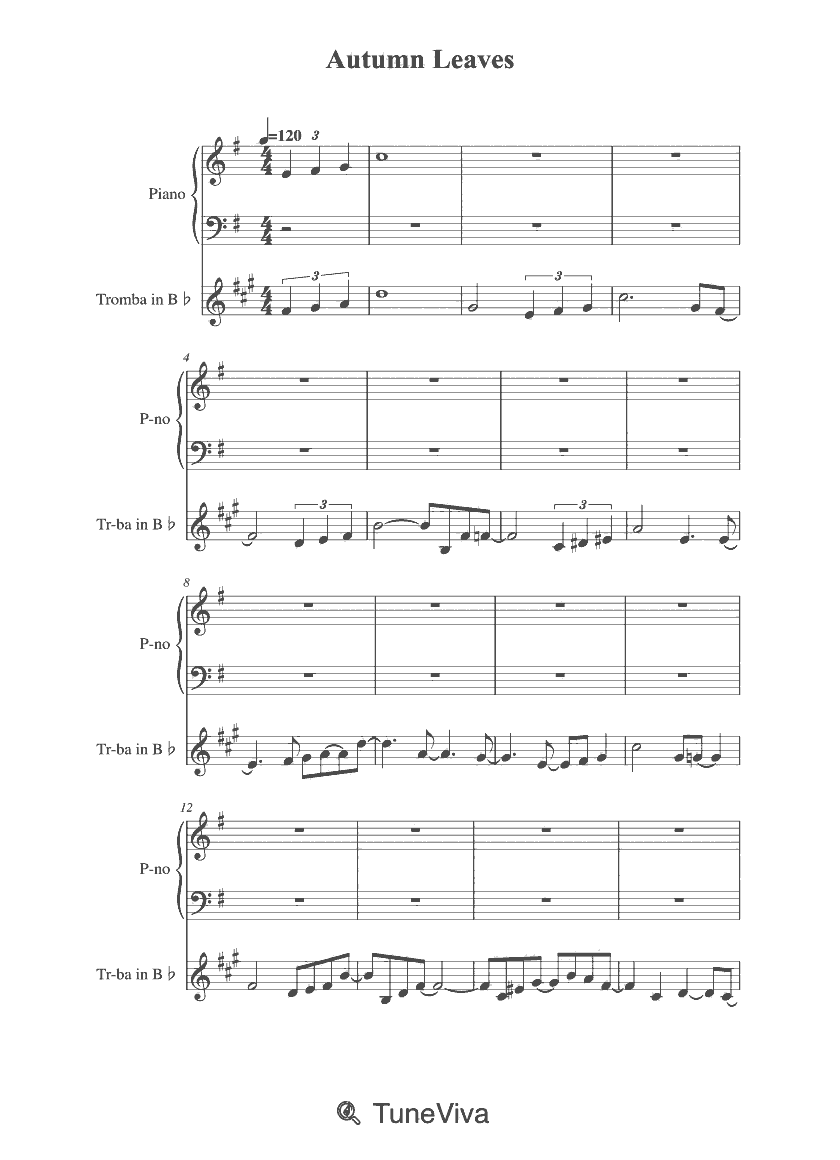
Joseph Kosma
Piano; Tromba in B♭ · 1 min 36 sec
Open score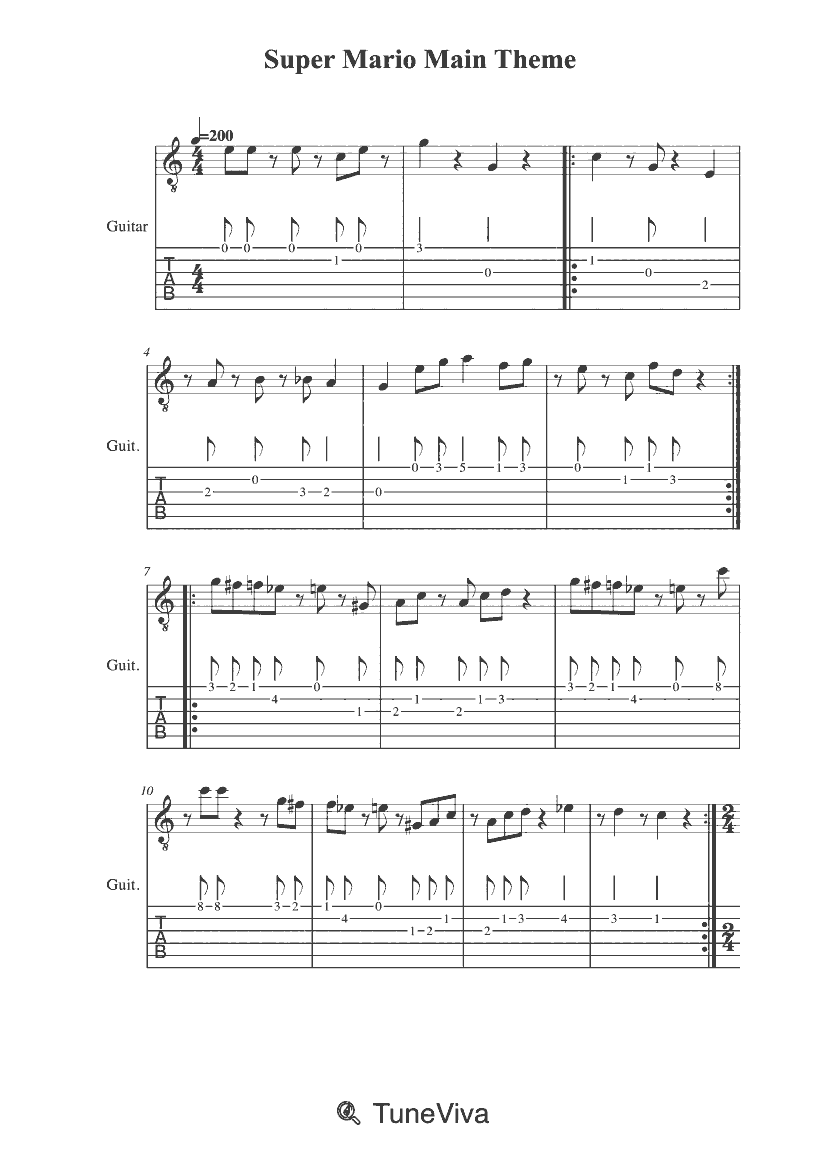
Koji Kondo
Guitar · 2 min 6 sec
Open score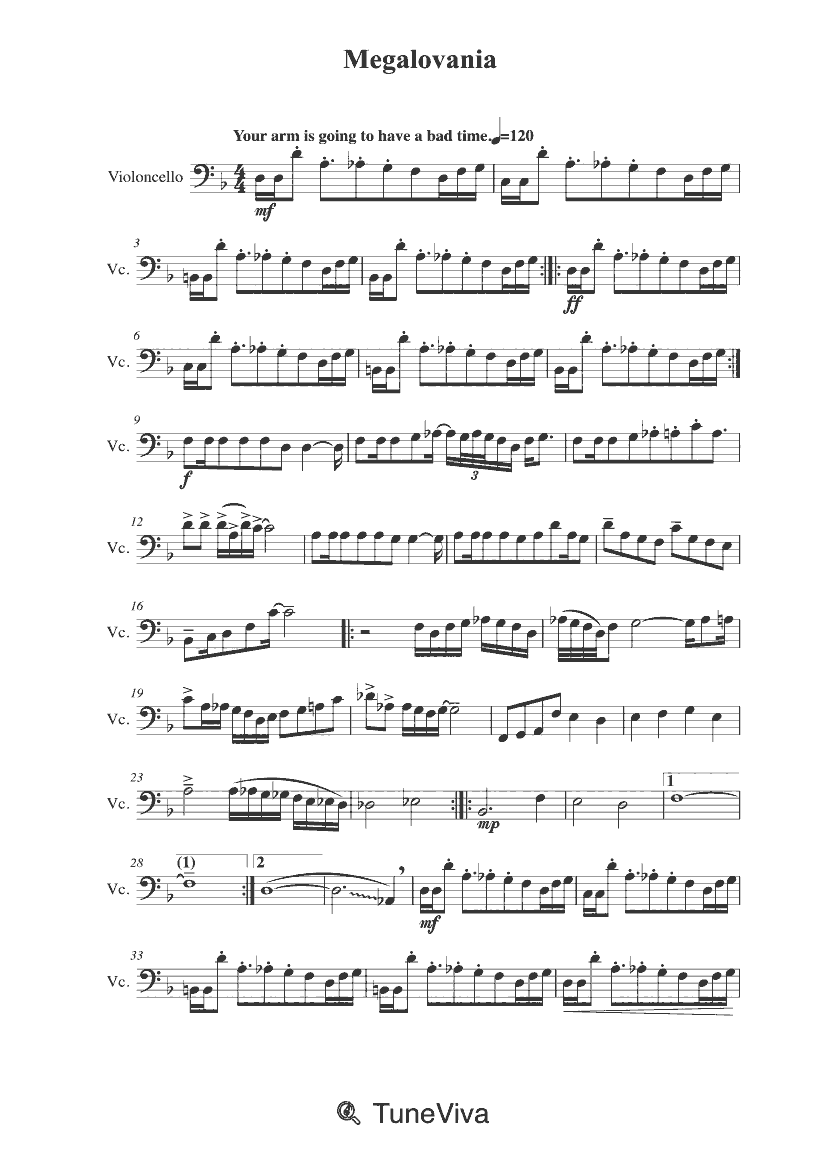
Toby Fox
Cello Solo
Violoncello · 2 min 36 sec
Open score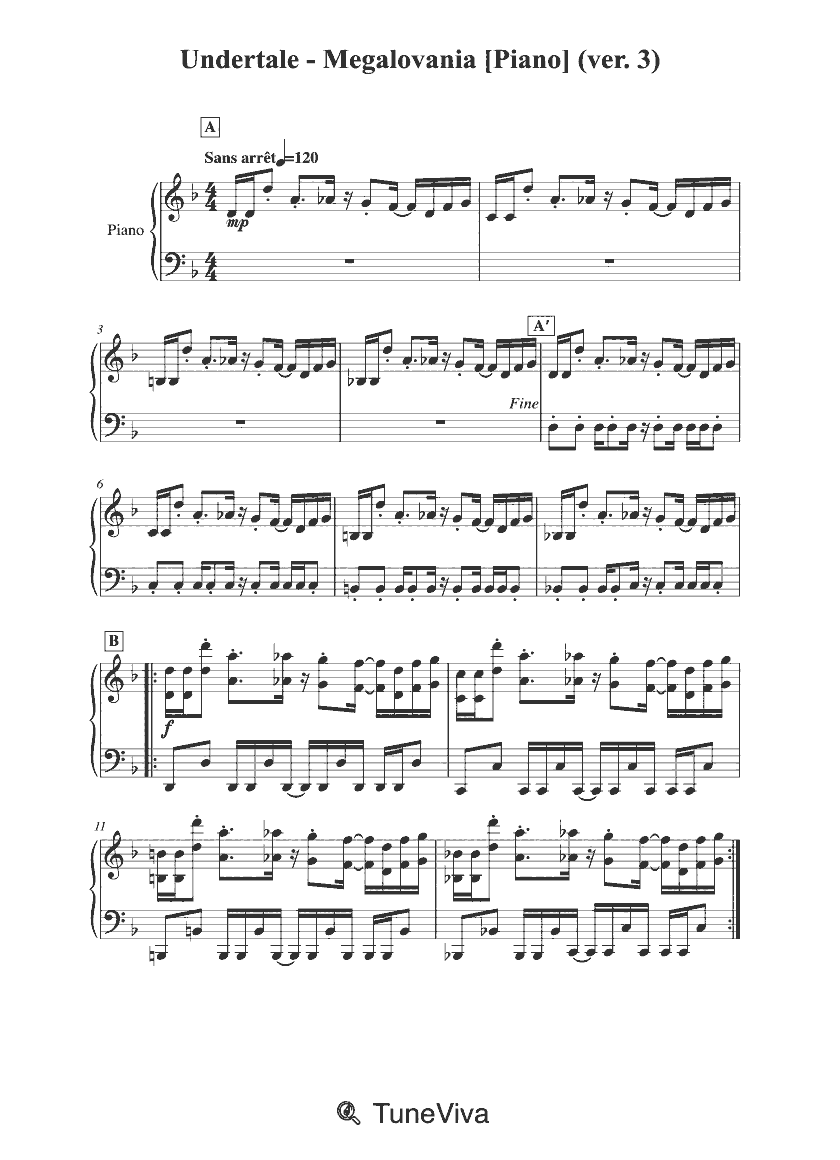
Composed by Toby Fox Arranged by Manel Nvola
Wanna have a bad time?
Piano · Arr. Jester Musician · 2 min 36 sec
Open score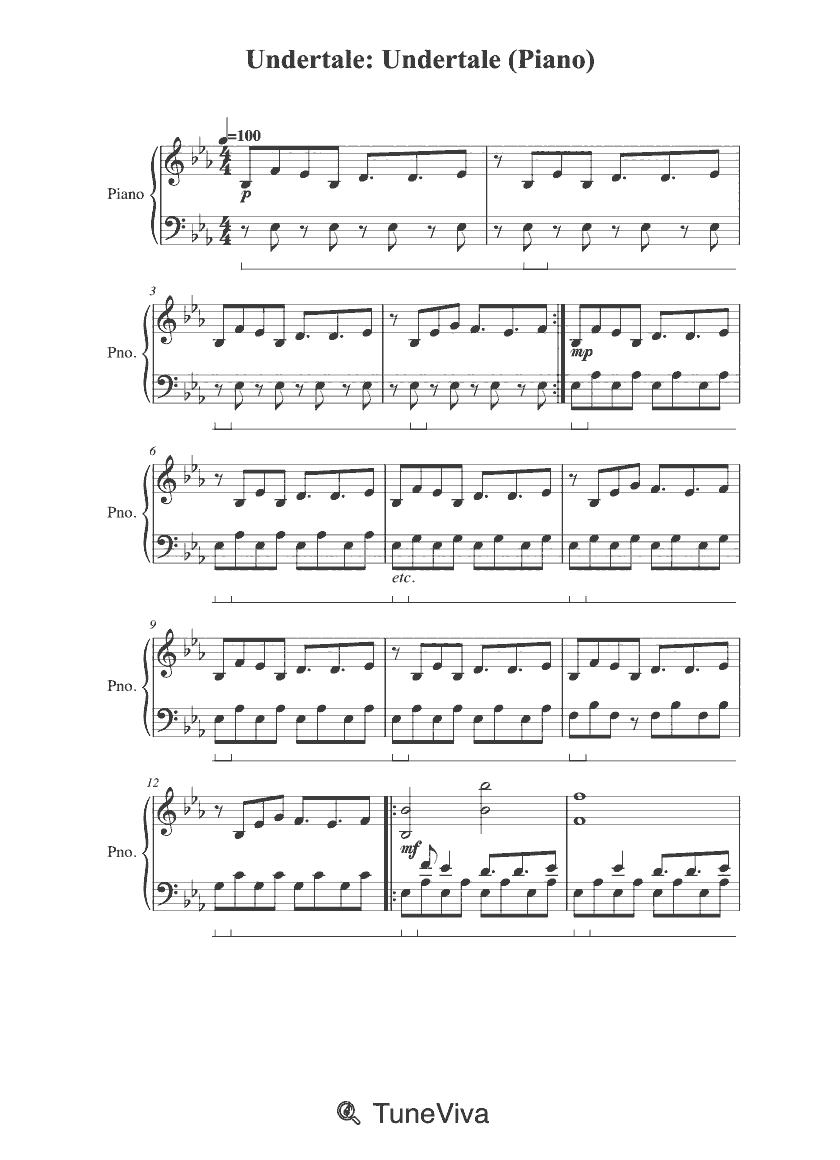
Toby Fox Arranged by Stoh
Undertale
Piano · Arr. Stoh · 9 min 36 sec
Open score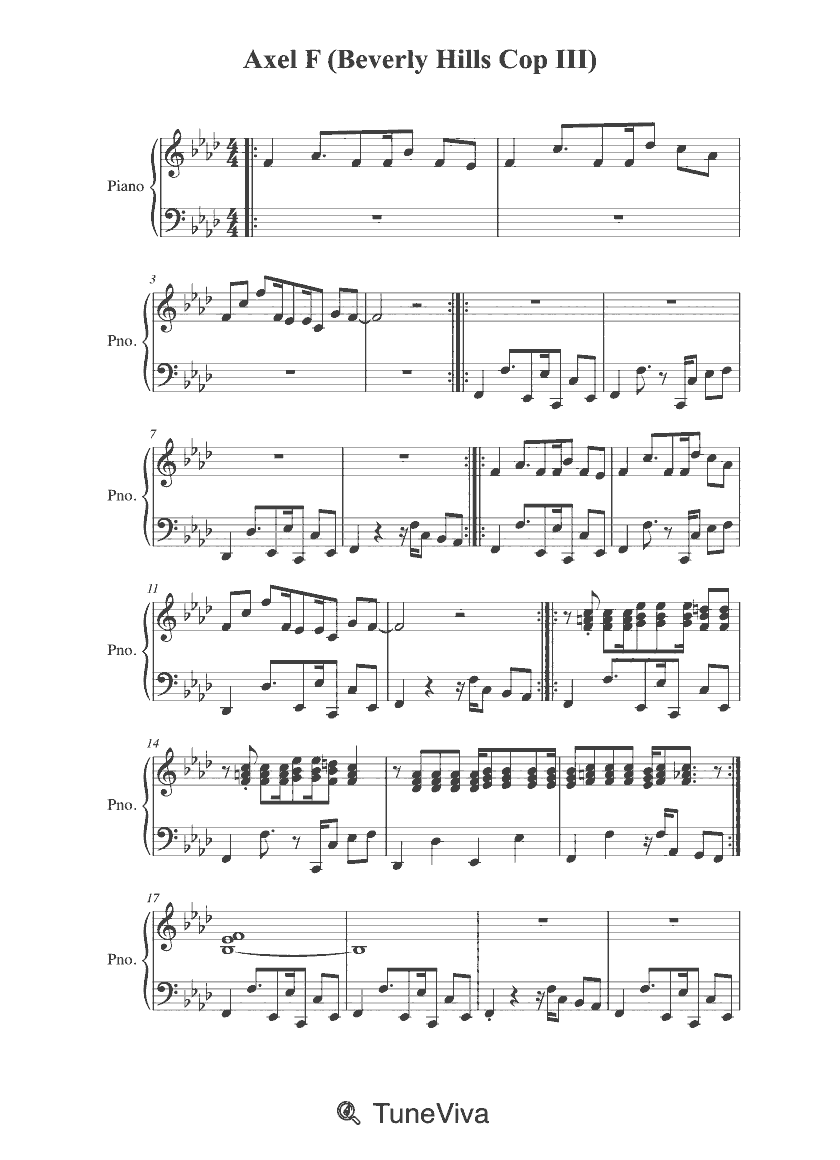
Misc Soundtrack
Beverly Hills Cop III
Piano · 2 min 56 sec
Open score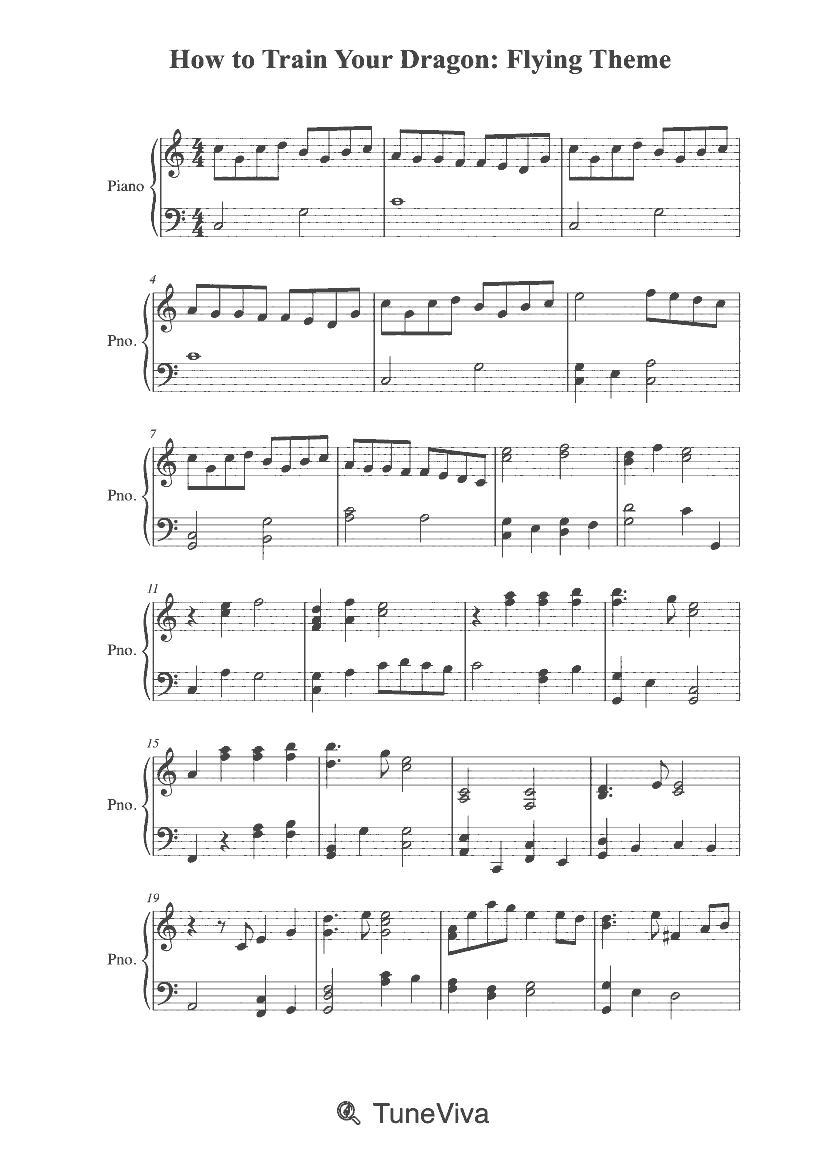
Perfect Harmony
Adapted from How to Train Your Dragon
Piano · 1 min 48 sec
Open score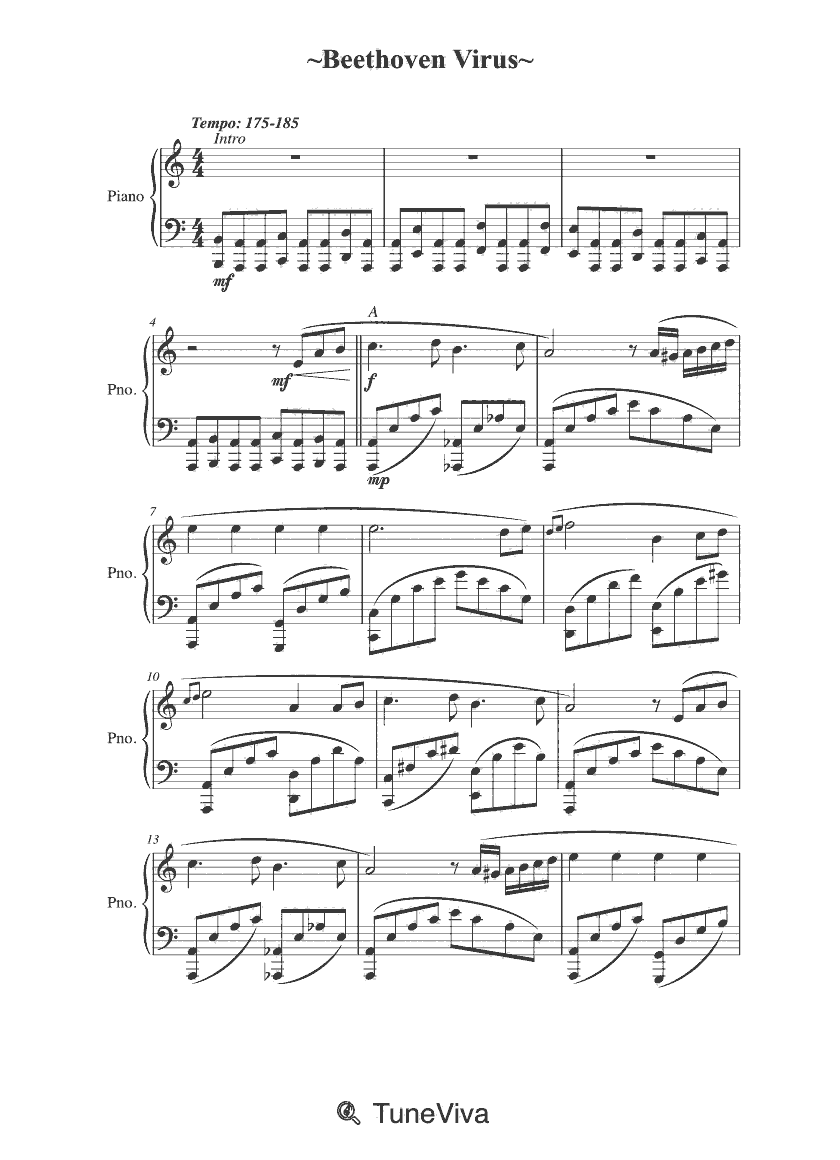
Origianal Composer: Ludwig Van Beethoven Remix by Bayna Piano Transcription by Nyu001
Extract from the Third movement of Beethoven's Pathetique Piano sonata
Piano · 1 min 31 sec
Open score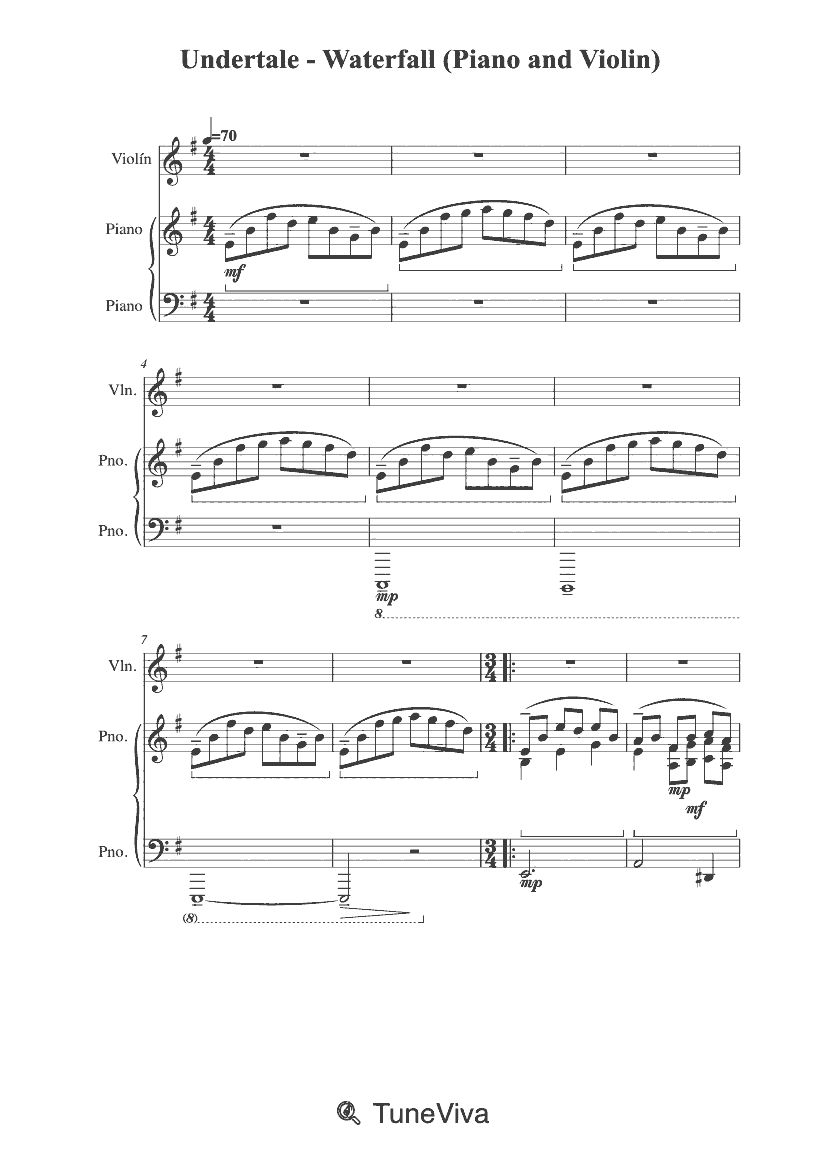
Toby Fox
Medium
Violín; Piano · 2 min 48 sec
Open score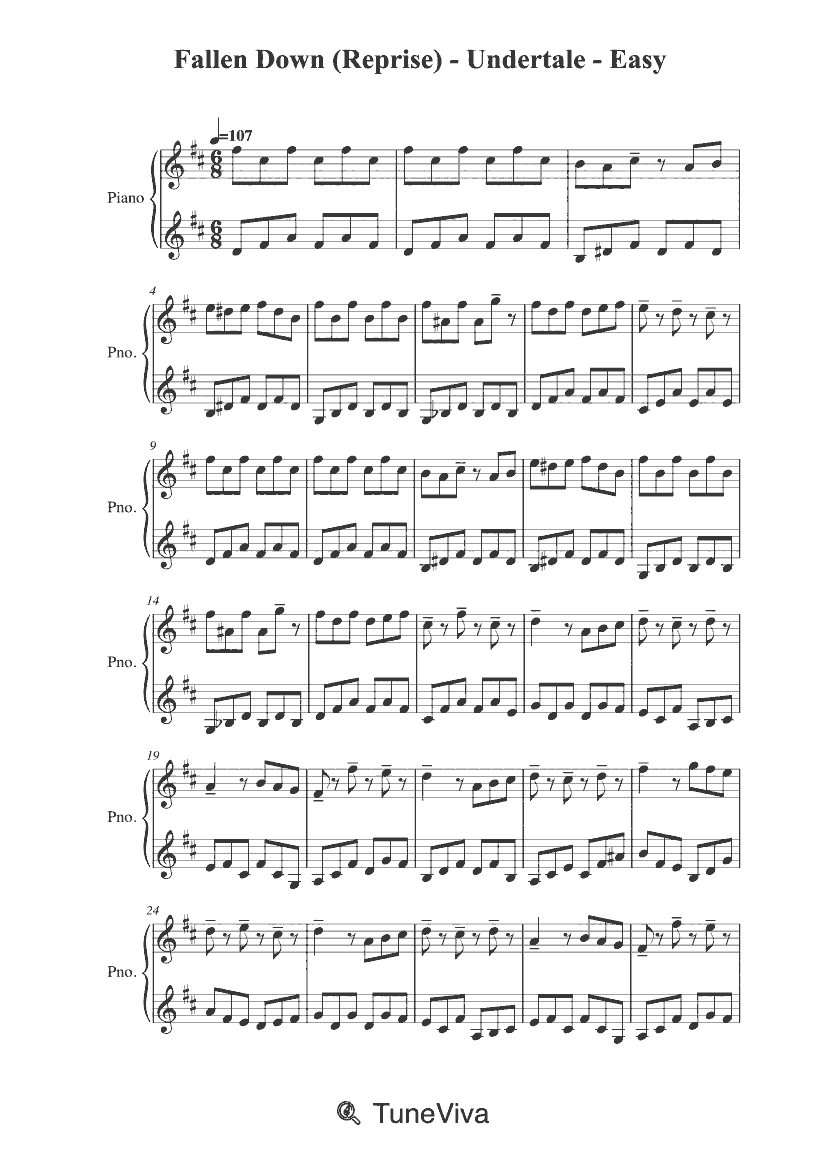
Toby Fox Arranged by : maxmic480
Undertale
Piano · 1 min 4 sec
Open score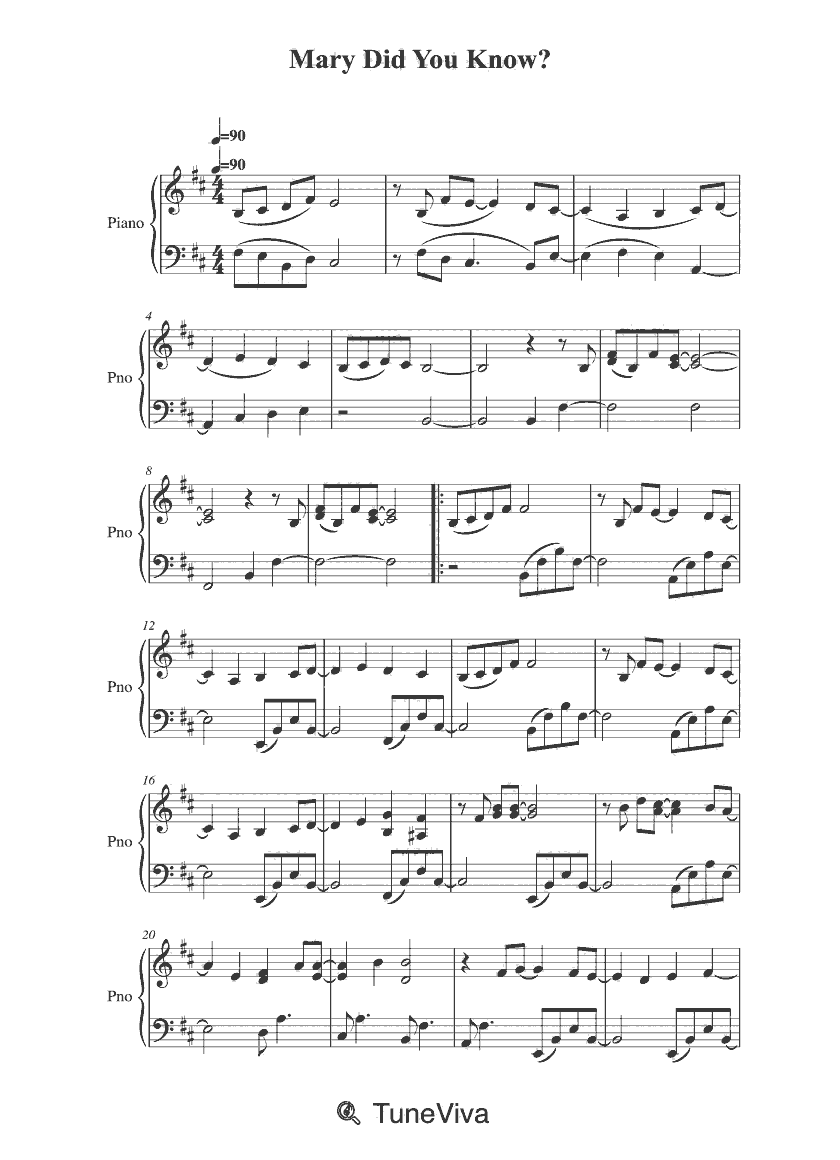
Orig. Buddy Greene Arr. Ethan Snyder
Piano · 3 min 28 sec
Open score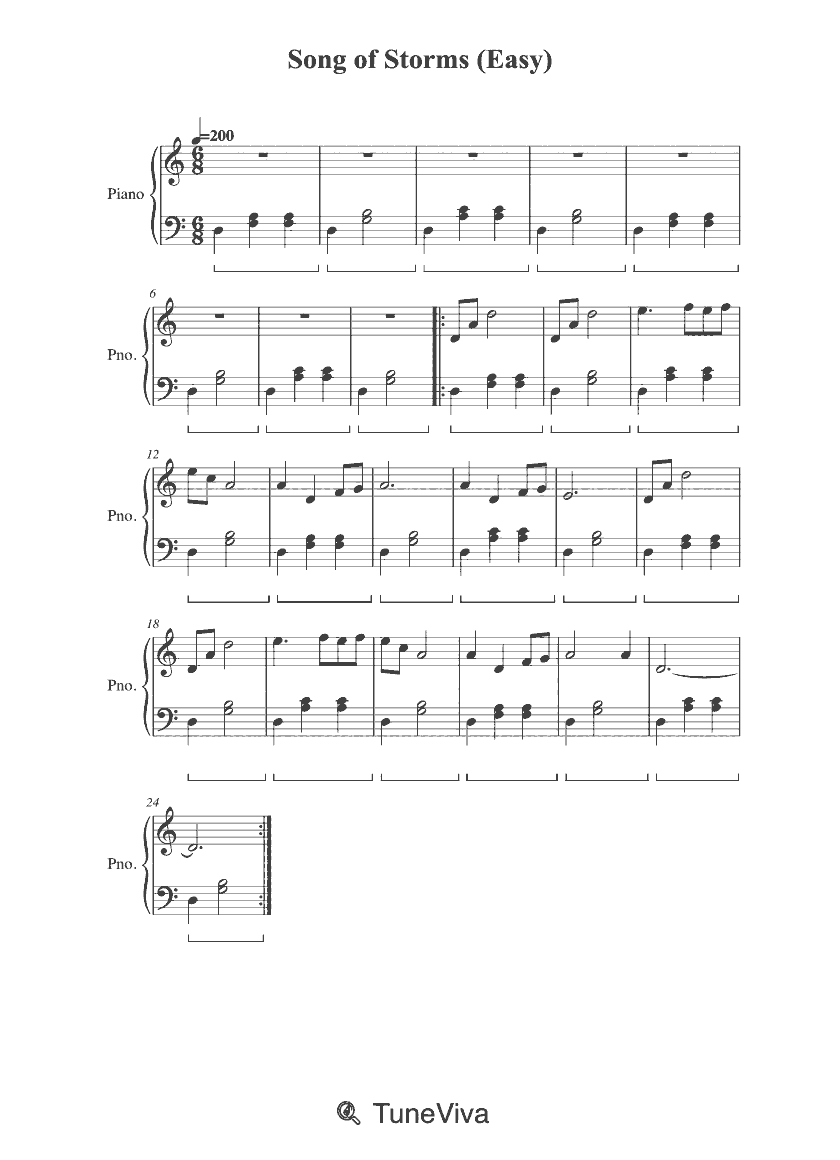
Koji Kondo
Piano · 19 sec
Open score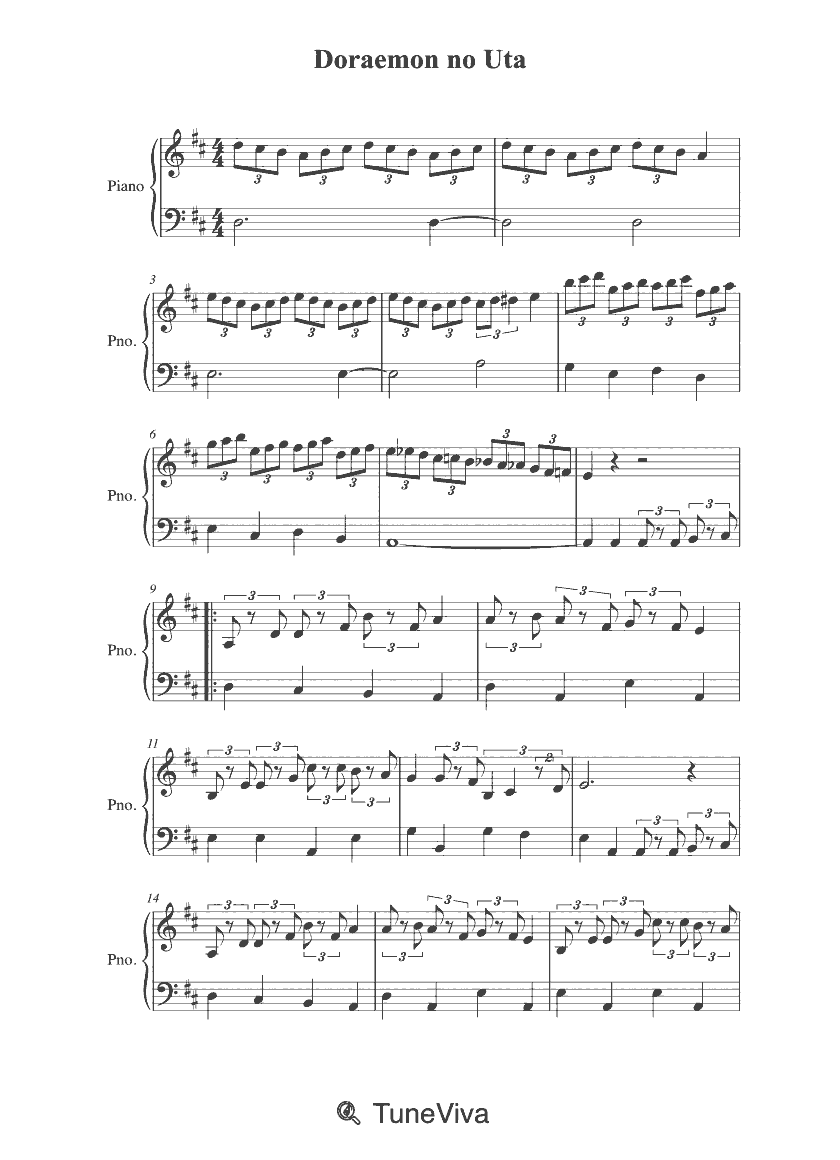
Misc Soundtrack
Piano · 3 min 7 sec
Open score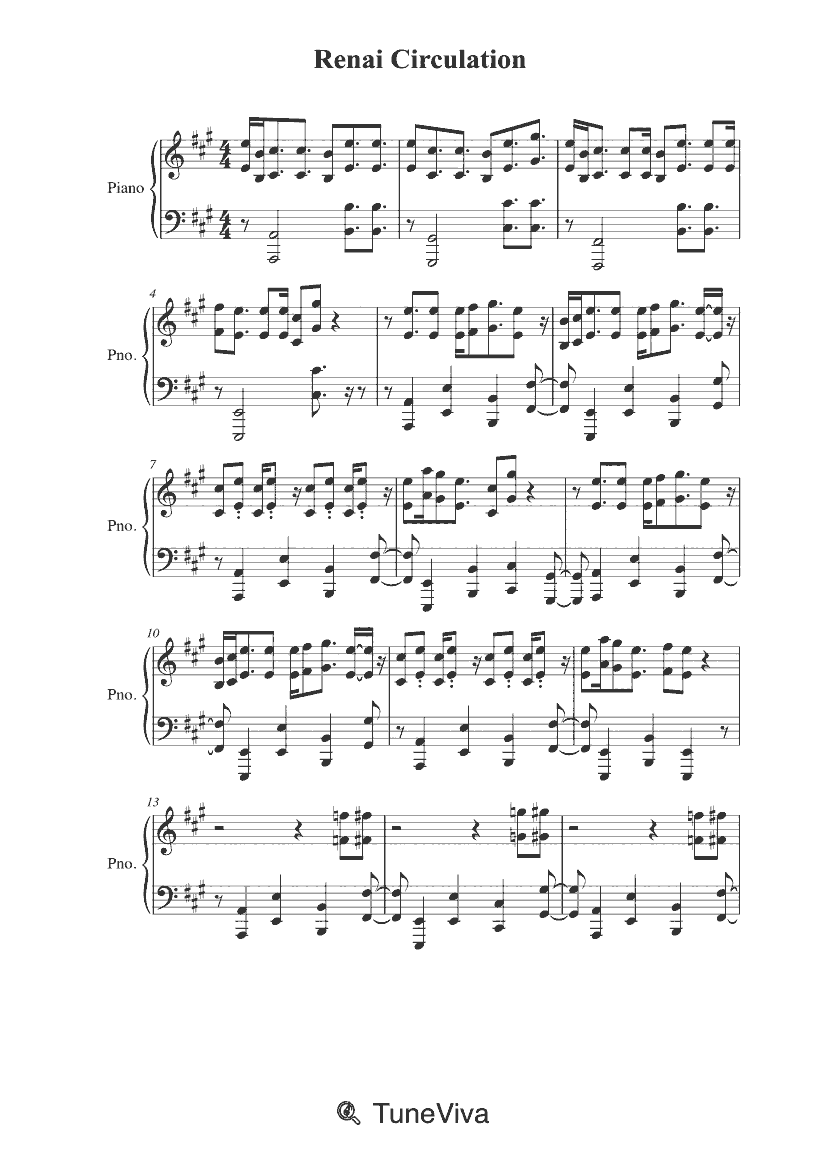
Kana Hanazawa Arr. by Quantum Composer
From Bakemonogatari
Piano · 1 min 27 sec
Open score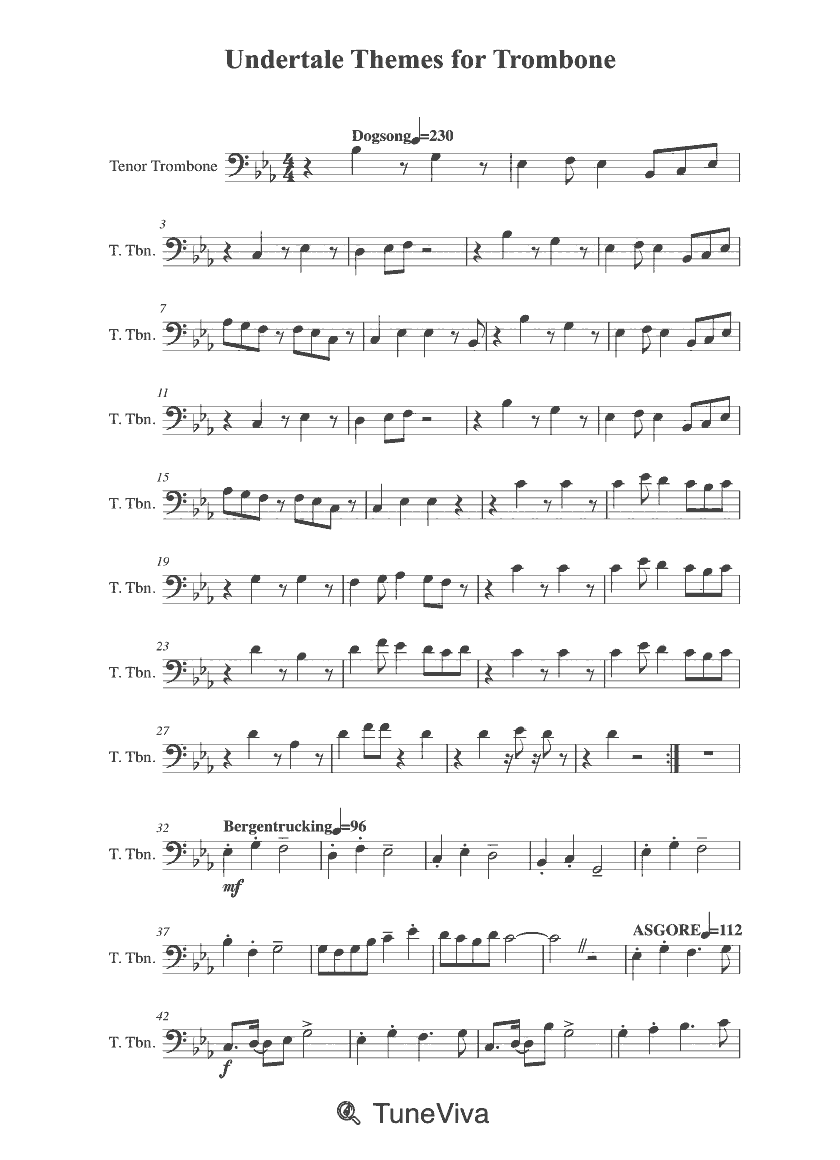
Arranged by Toby Fox Rearranged by ThoseTwoLetters
Undertale OST
Tenor Trombone · 10 min 9 sec
Open score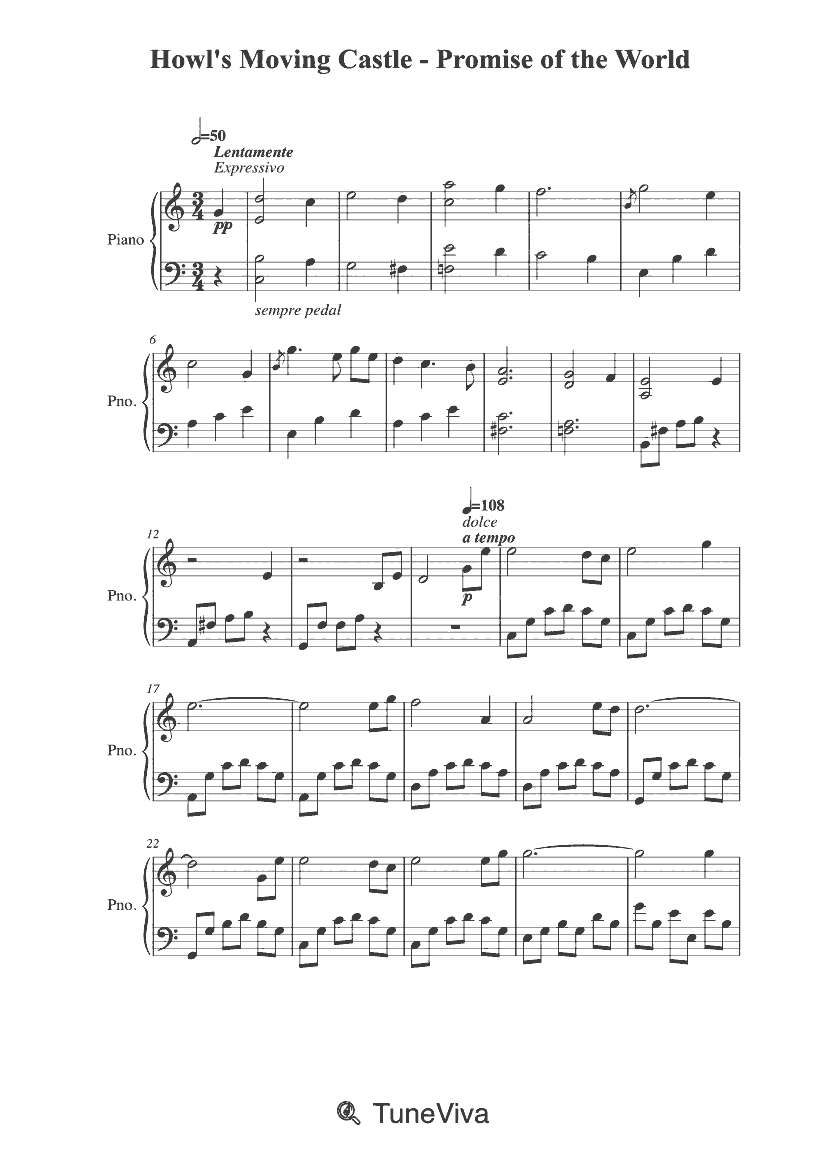
Composed byJoe Hisaishi Transcribed by Andrea Tam
from Howl's Moving Castle Ending Theme for Solo Piano
Piano · 4 min 42 sec
Open scorePage 1 of 128
A soundtrack title may be attached to a short theme, a medley or a full cue. Read the opening and ending before you commit. When choosing a solo transcription, listen for which hand carries the theme and practise that line by itself before adding the texture from the larger ensemble.
The soundtrack label groups scores that carry that designation. The examples supplied here all list Piano as the score part, and their titles range across different productions rather than a single work. The label by itself does not identify the original production, cue or composer, so use the title and credits on each score as leads rather than proof.
Start with the exact title and version. Megalovania appears as version 3, for example. Check that Piano is the intended part, then compare opening key, time signature and tempo to see whether the starting feel suits you. Where an arranger is named, compare that credit too: the Megalovania record conflicts, naming Manel Nvola in the title credit and Jester Musician in the details.
Opening key signature, time signature and tempo describe only how a score begins. In the selected records, Megalovania opens with one flat, 4/4 and 120 BPM; Axel F opens with four flats and 4/4; and Flying Theme opens with no sharps or flats and 4/4. These details do not show the full harmonic range, rhythmic difficulty or length of an arrangement.
Composer and arranger fields can be incomplete or inconsistent. Axel F lists no composer, and Flying Theme names Perfect Harmony in the composer field, which may be an arranger or collection credit rather than the original composer.
Score parts: Piano. Catalogue duration 2 min 36 sec. Opening key signature: 1 flat. Opening time signature: 4/4. Opening tempo: 120 BPM. Arranger: Jester Musician.
Score parts: Piano. Catalogue duration 2 min 56 sec. Opening key signature: 4 flats. Opening time signature: 4/4.
Score parts: Piano. Catalogue duration 1 min 48 sec. Opening key signature: No sharps or flats. Opening time signature: 4/4.
Only the 2,550 scores labelled exactly Soundtrack are on this page. Scores filed as classical and soundtrack are on the Classical and soundtrack page.
Some do. 111 files in this filing include an arranger credit from the imported file. The credit is not a judgement of the original scoring.
The soundtrack sheet music collection groups scores carrying the soundtrack label. The examples supplied here include piano-labelled versions of “Megalovania,” “Axel F (Beverly Hills Cop III)” and “How to Train Your Dragon: Flying Theme,” so the collection is not limited to one title or production.
Each of the selected soundtrack examples lists Piano as its score part, so the versions shown are piano scores rather than full orchestral or band scores. The records do not document the original instrumentation of the soundtrack cues.
The selected records describe piano scores, not complete soundtrack orchestrations. Piano is the only score part listed for each example, and no supplied source documents the original scoring. A score here should be treated as a piano version of the titled music, not a verified reproduction of a soundtrack recording.
The Megalovania record credits Toby Fox as composer. Its arranger credit is inconsistent: the title credit names Manel Nvola, while the musical details name Jester Musician. Check the score itself or another authoritative source before relying on either arranger name.
Opening key, time signature and tempo describe only how a score begins. In the selected records, Megalovania opens with one flat, 4/4 and 120 BPM; Axel F opens with four flats and 4/4; and Flying Theme opens with no sharps or flats and 4/4. They do not establish the full harmonic range, rhythmic difficulty or length of an arrangement.
Compare the exact title and version first, then check the score part, opening key, time signature, tempo and any arranger credit. Megalovania, for example, is listed as version 3, and its arranger credit conflicts between the title and details. These details help narrow the choice but do not by themselves establish difficulty or fidelity to the original.
Axel F (Beverly Hills Cop III) lists no composer, while How to Train Your Dragon: Flying Theme names Perfect Harmony in the composer field. That credit may be an arranger or collection name rather than the original composer, so check the score or another authoritative source before relying on it.