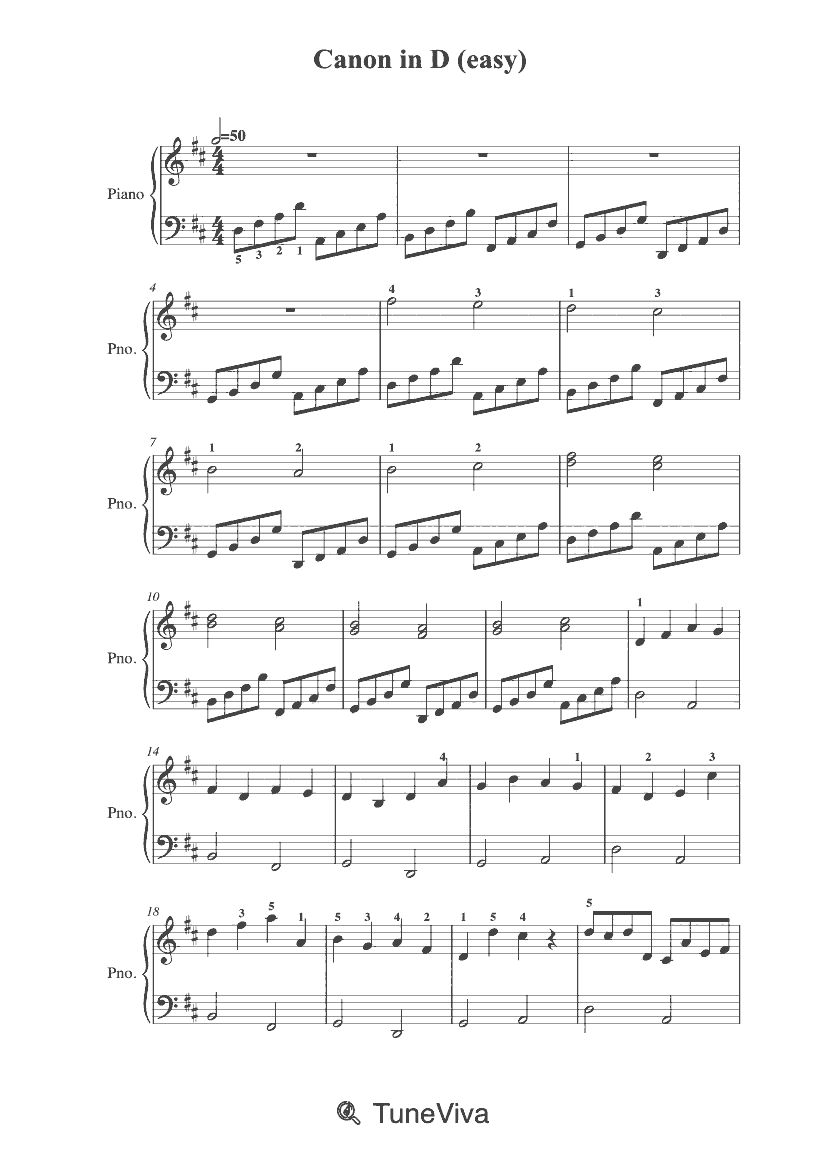
Canon in D (easy)
Johann Pachelbel
Piano · 2 min 7 sec
Open scoreCanon and Gigue in D Major P.37 sheet music is available here with Johann Pachelbel named as artist on the scores. The versions include two piano scores and a cello solo, with titles such as “Canon in D (easy),” “Cannon in D” and “Cello solo: Canon In D, P.37.” Compare the instrument, opening key, time signature and tempo before choosing a version.
Scores 1–20 of 69
Johann Pachelbel
Piano · 2 min 7 sec
Open score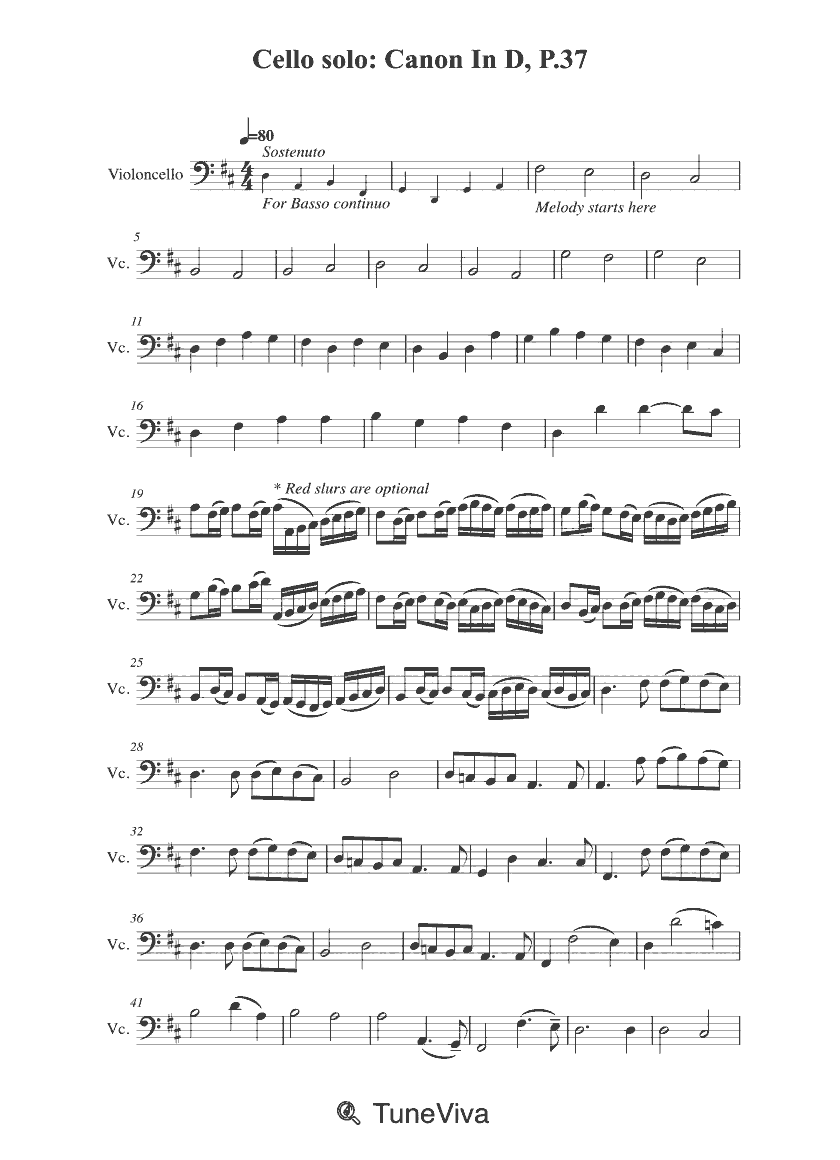
Original available celloonline.com Transcriber: yyaname
Violoncello · 2 min 44 sec
Open score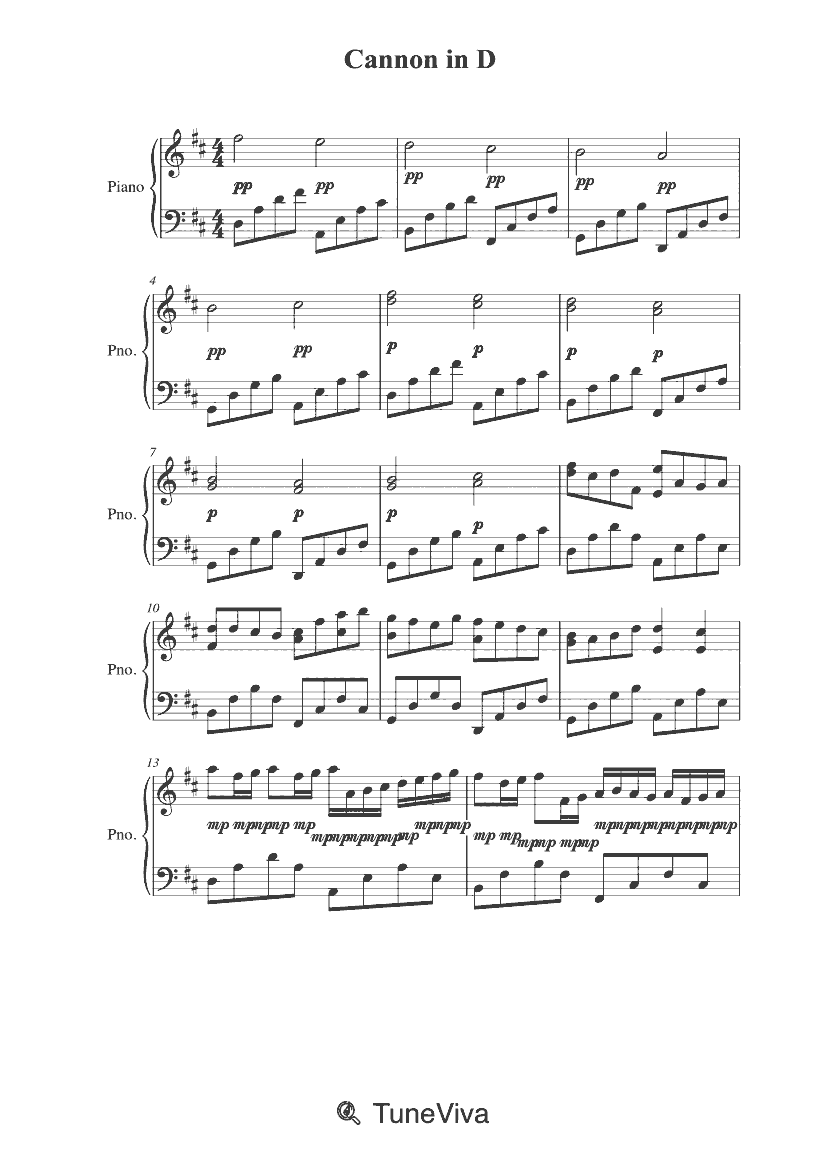
Johann Pachelbel
Cannon
Piano · 1 min 59 sec
Open score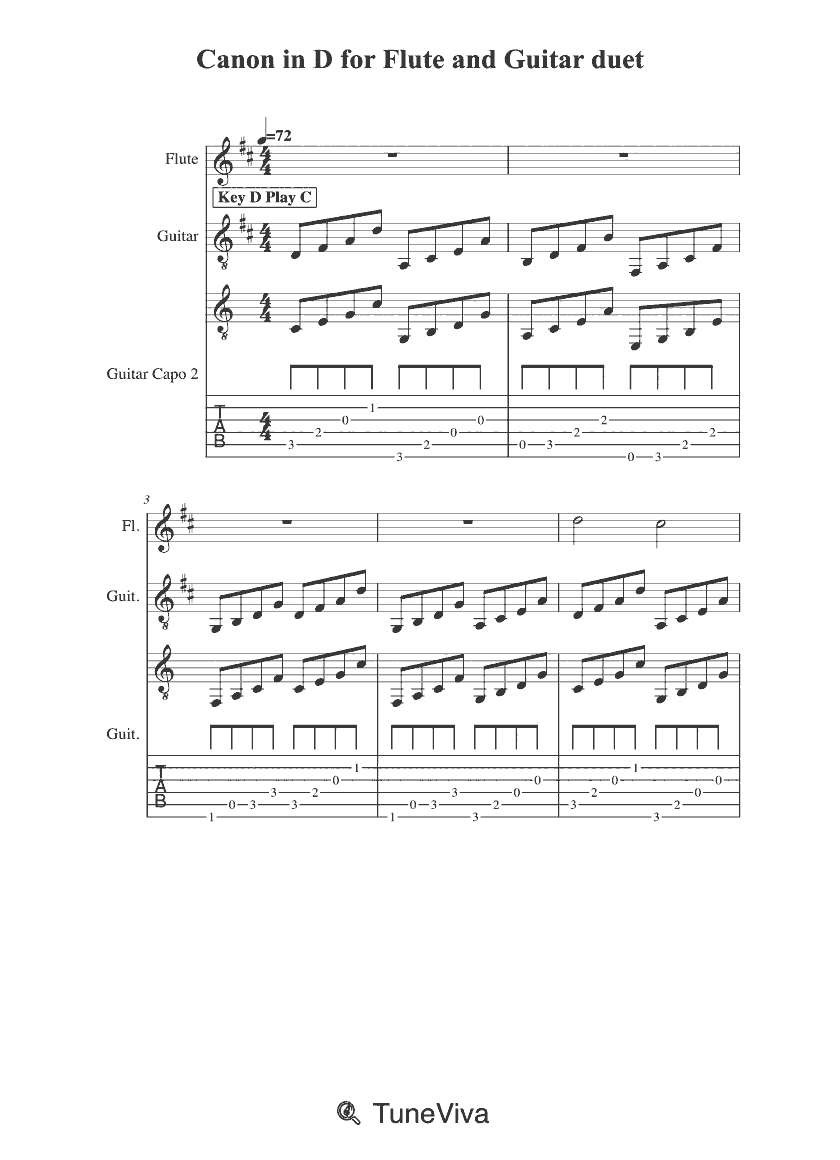
Pachelbel arr. Reichwein
Flute; Guitar; Guitar Capo 2 · 2 min 40 sec
Open score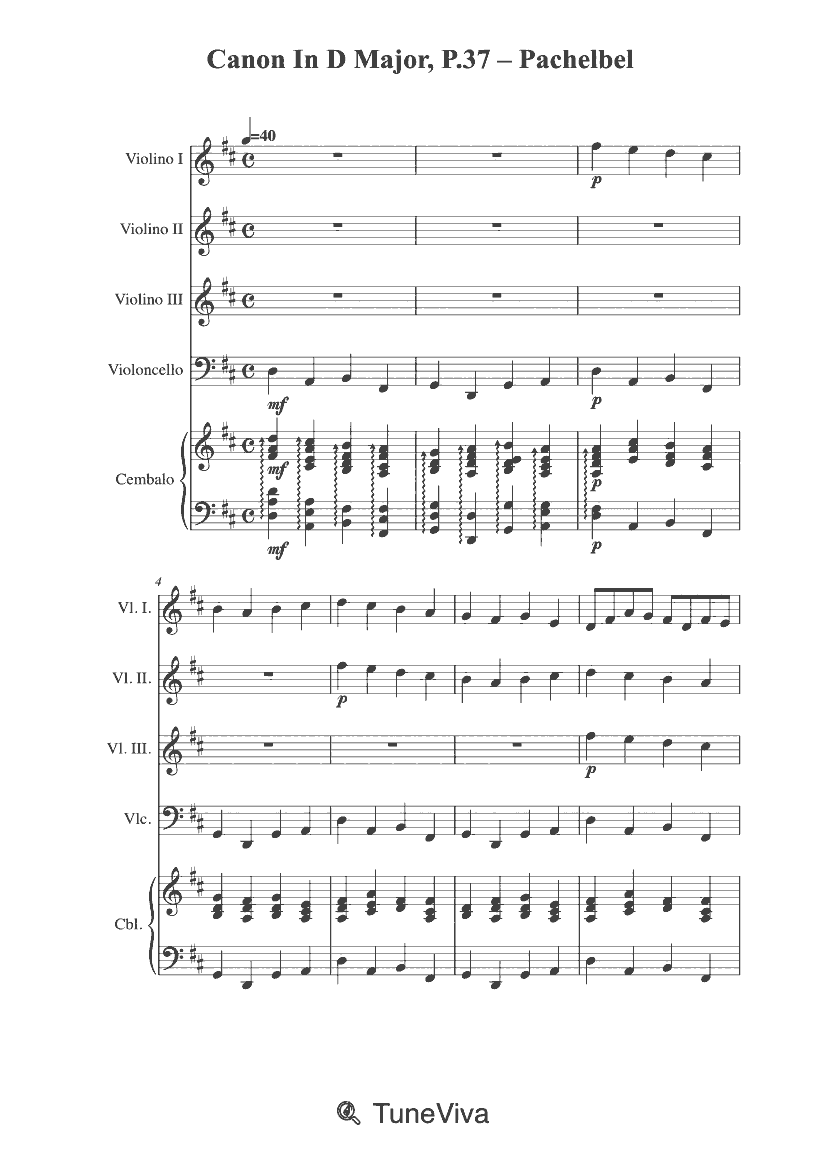
Johann Pachelbel
Violino I; Violino II; Violino III +2 parts · 5 min 51 sec
Open score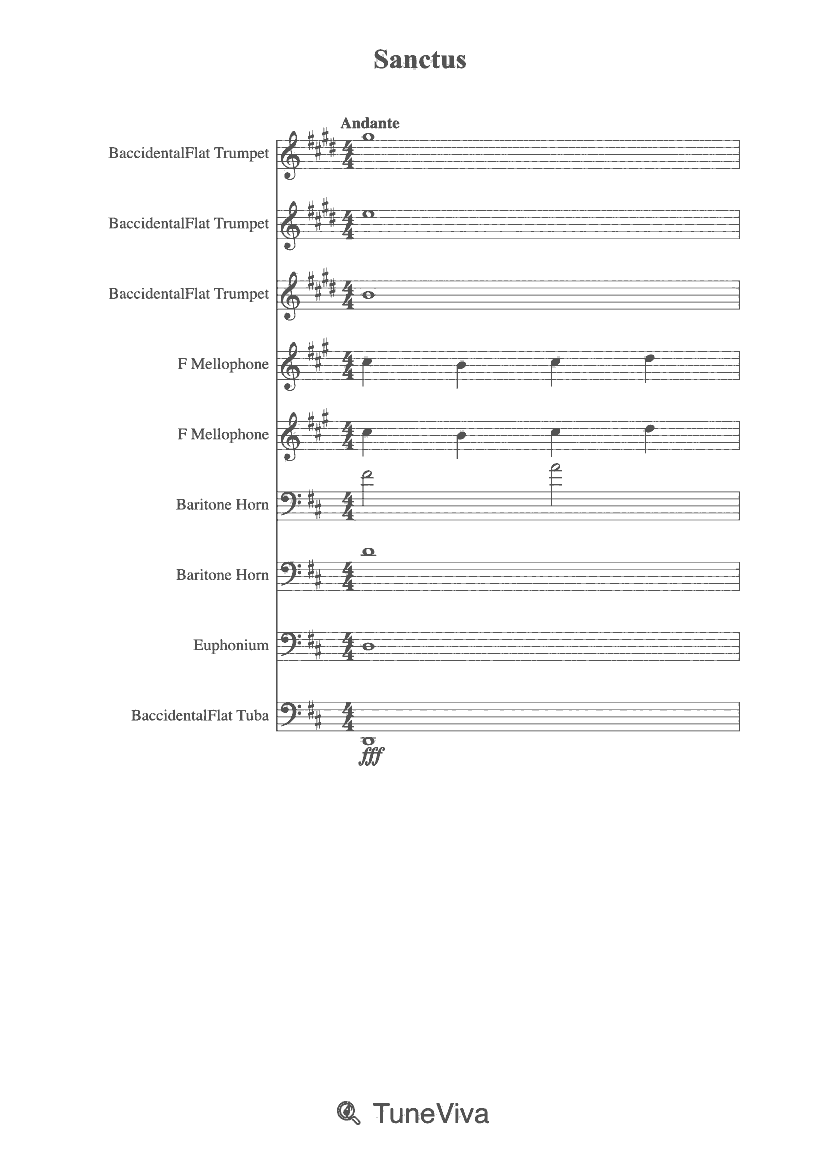
Arr. Lonnie L. Souder II
Based on Pachelbel's Canon in D
B♭ Trumpet; F Mellophone; Baritone Horn +2 parts · 2 min 27 sec
Open score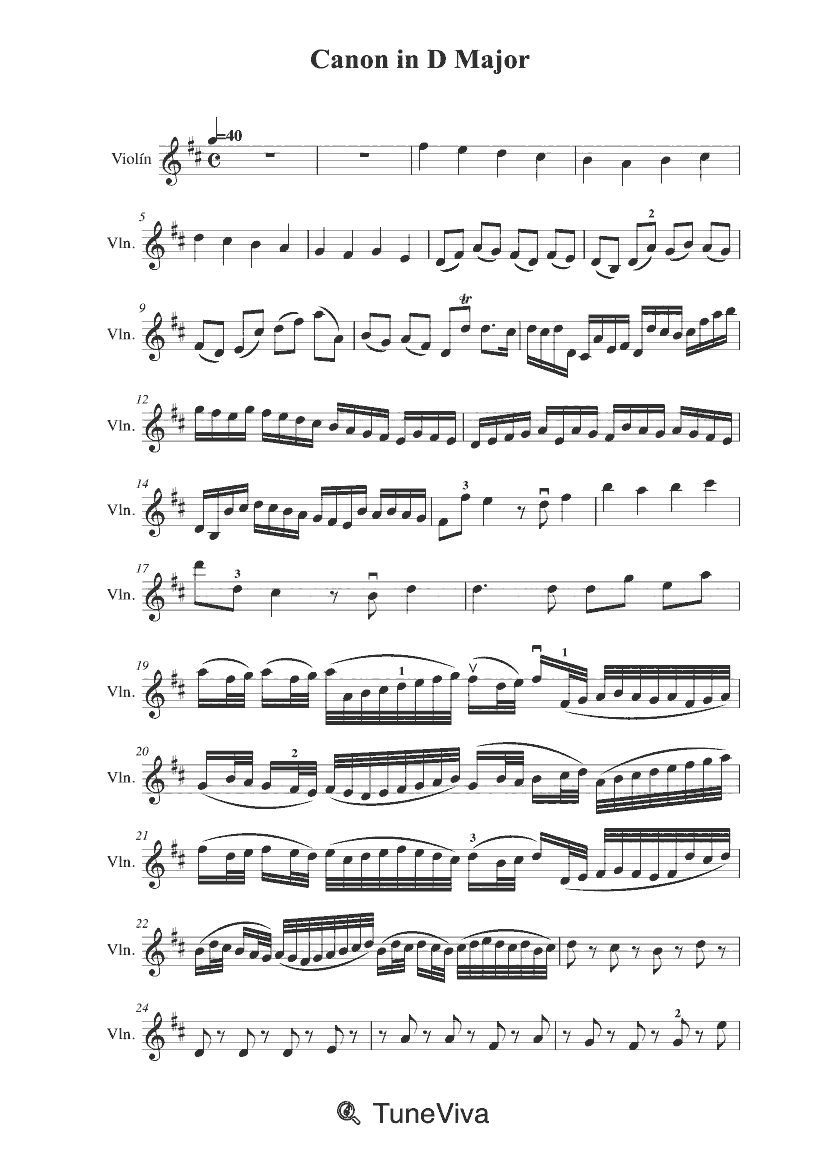
Johann Pachelbel
Violín · 5 min 40 sec
Open score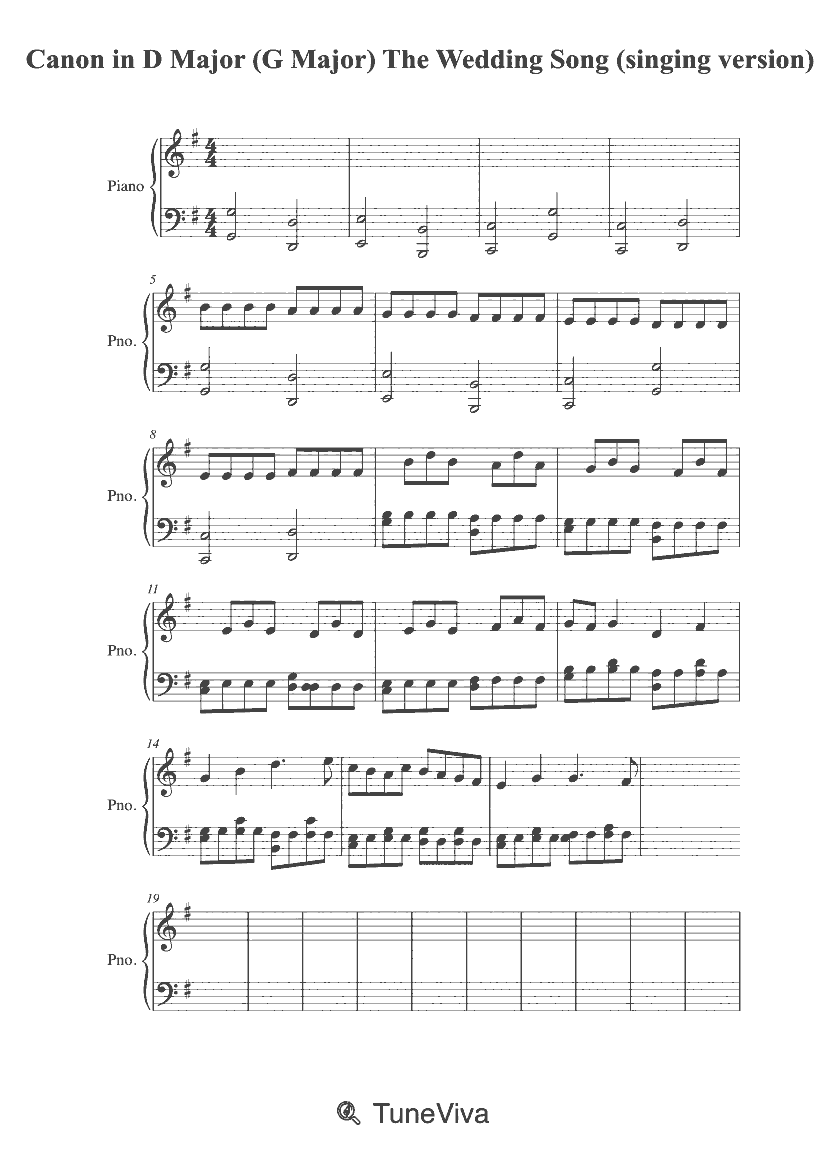
Johann Pachelbel
The Wedding Song
Piano · 1 min 19 sec
Open score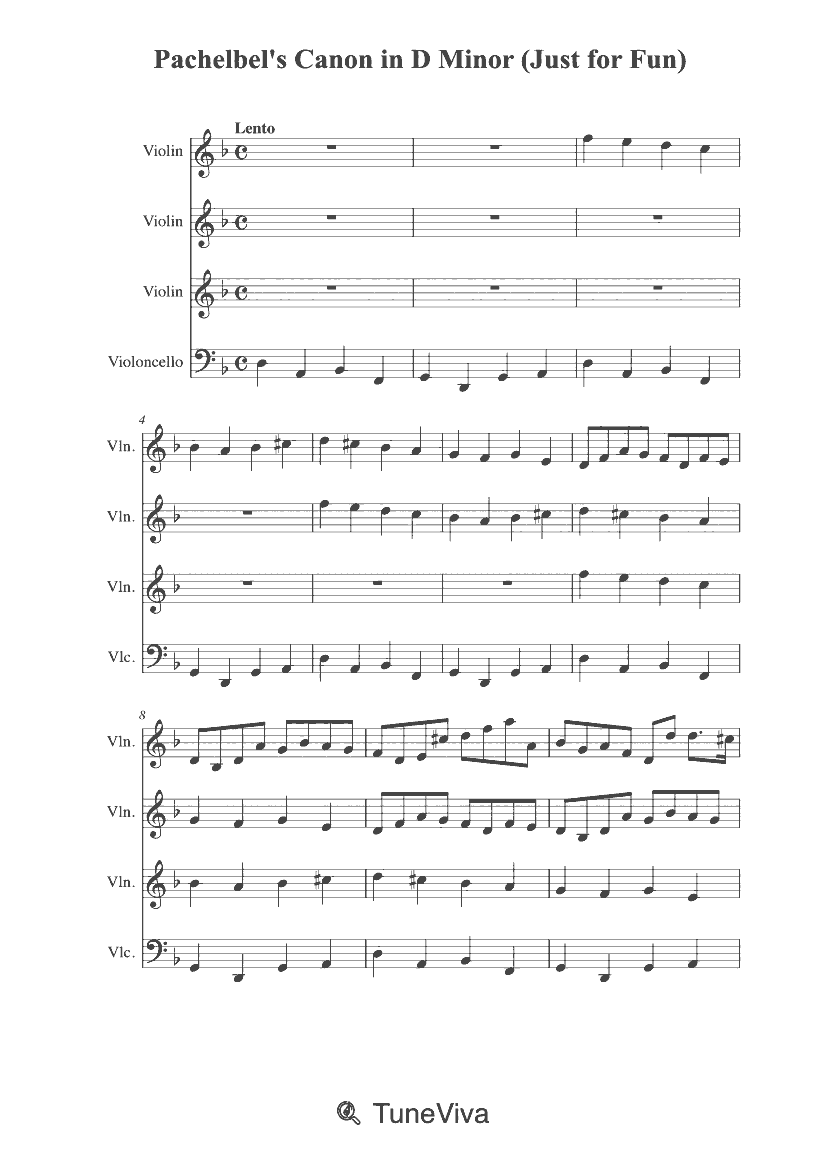
J. Pachelbel Transcribed by Stephen MacLellan
Violin; Violoncello · 4 min 25 sec
Open score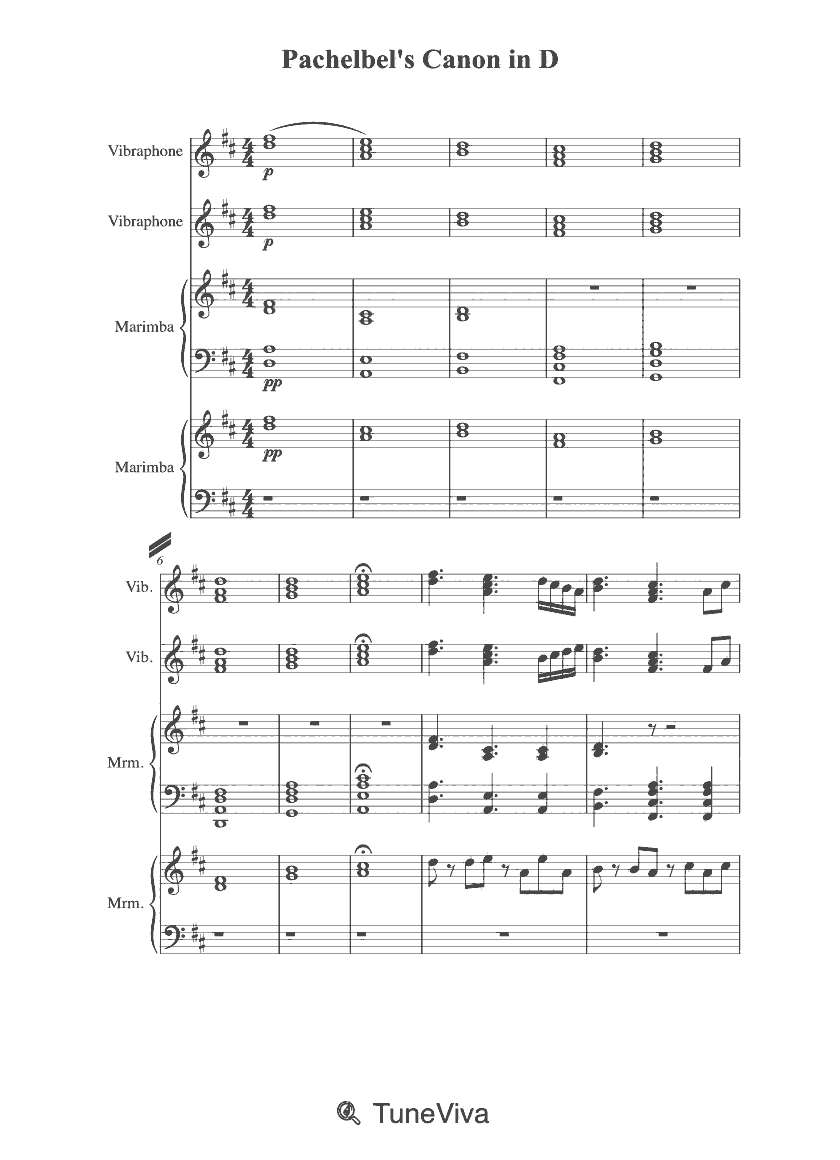
Johann Pachelbel
Vibraphone; Marimba · 5 min 11 sec
Open score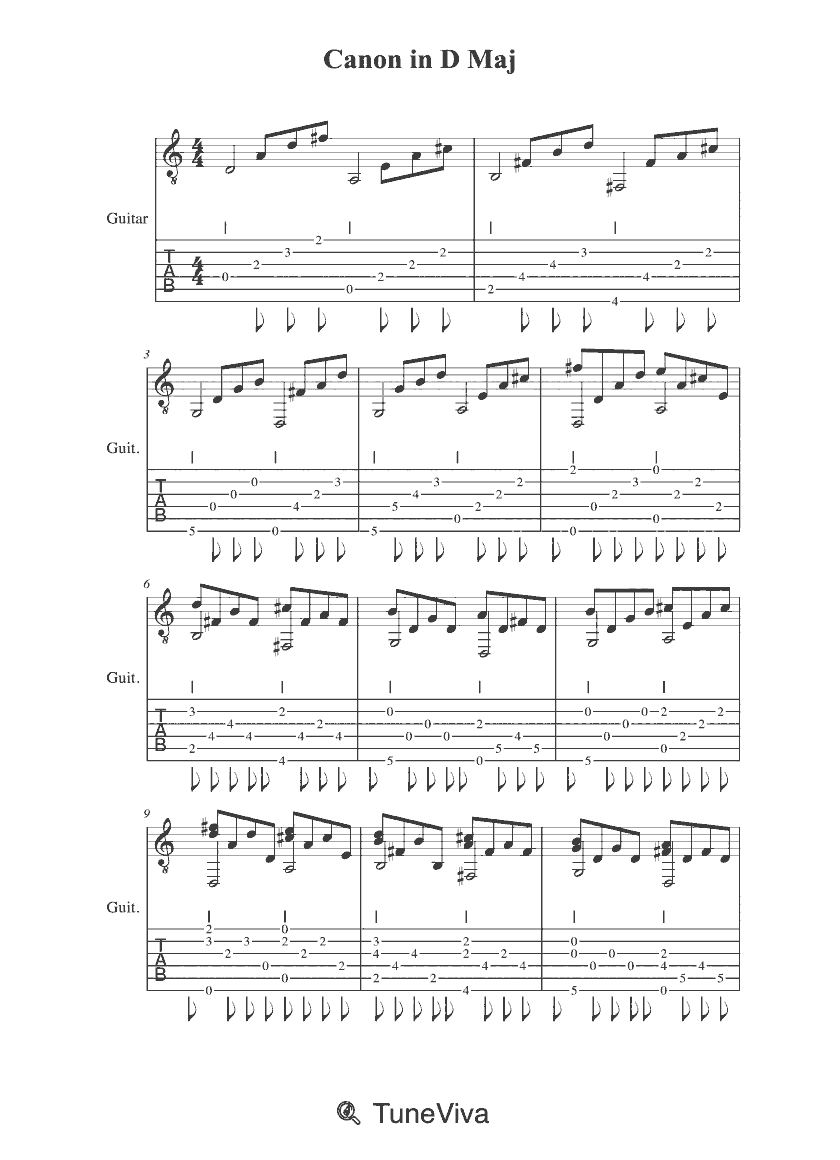
John Pachelbel
Drop D Tuning (EBGDAD)
Guitar · 4 min 2 sec
Open score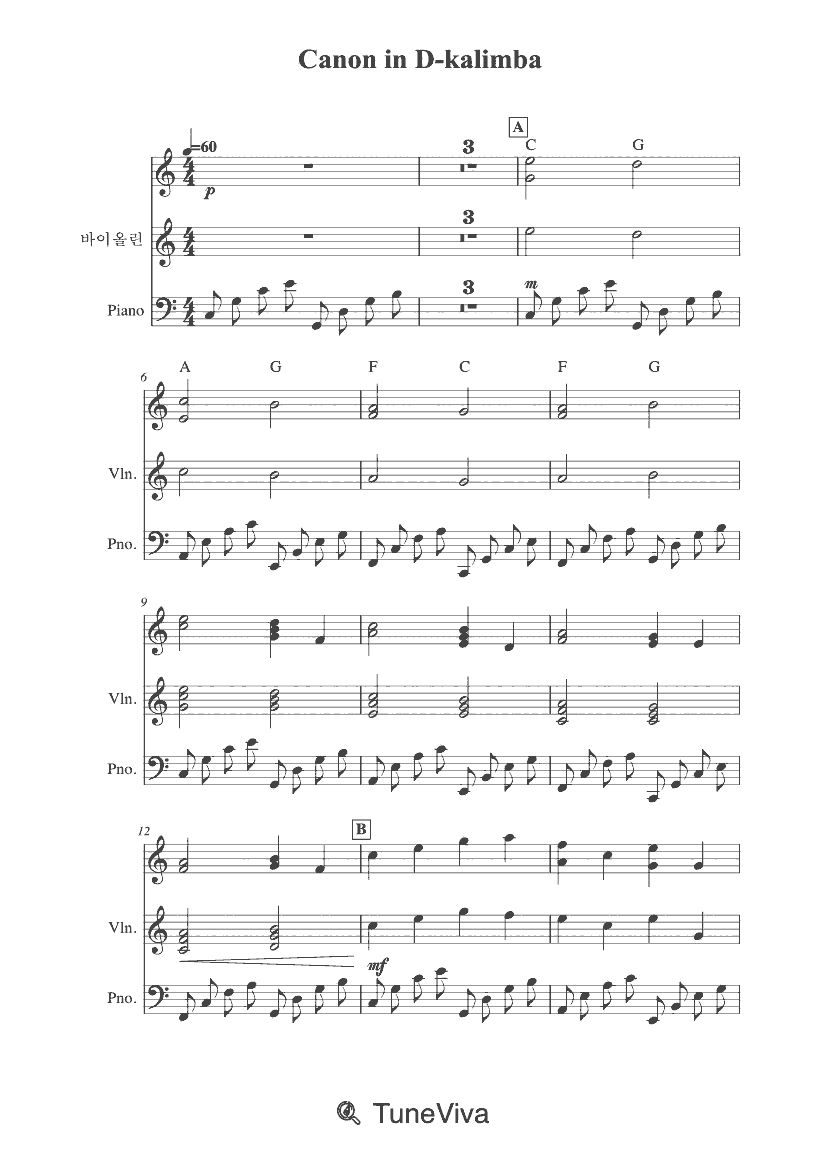
Johann PachelbelArr.by Ph.Lee
마림바 (작은 보표); 바이올린; Piano · 4 min 20 sec
Open score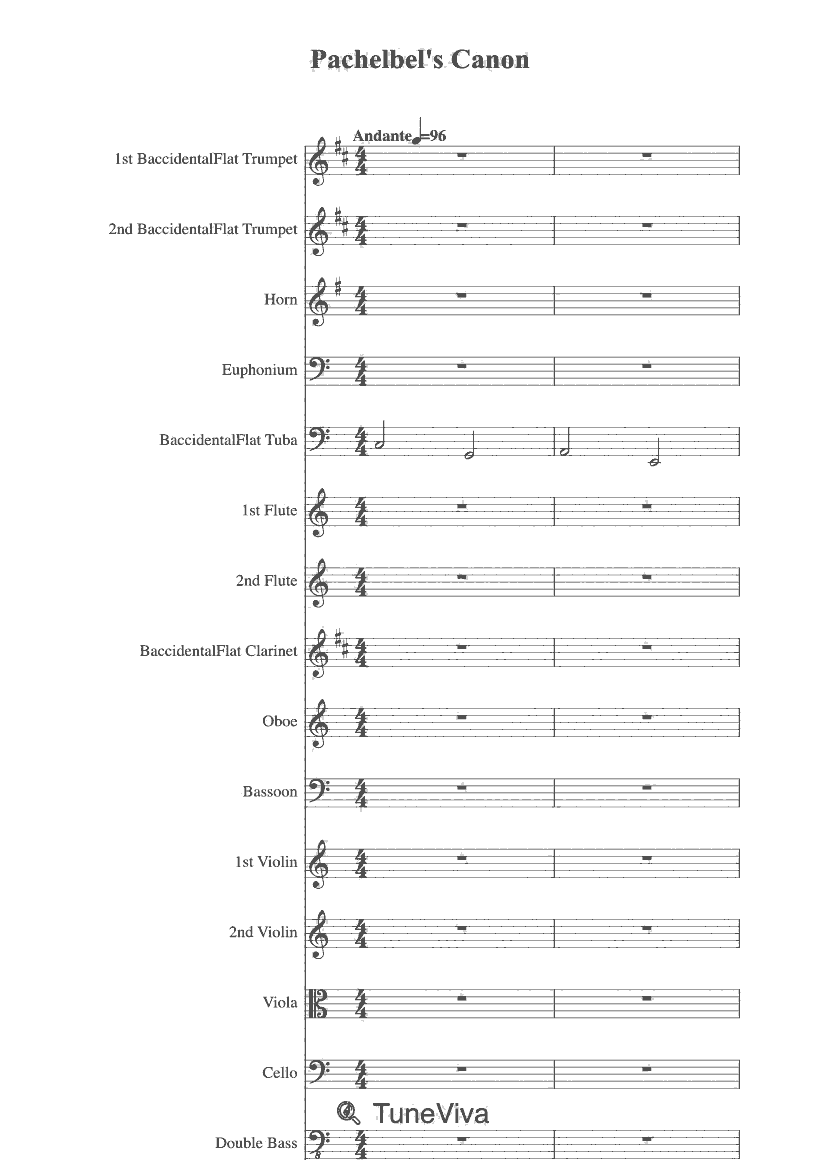
Johann Pachelbel(1653 - 1706)arr. David Adrian GervasioEdited by: Taesung Hwang Taejin Hwang
1st B♭ Trumpet; 2nd B♭ Trumpet; Horn +18 parts · 4 min 52 sec
Open score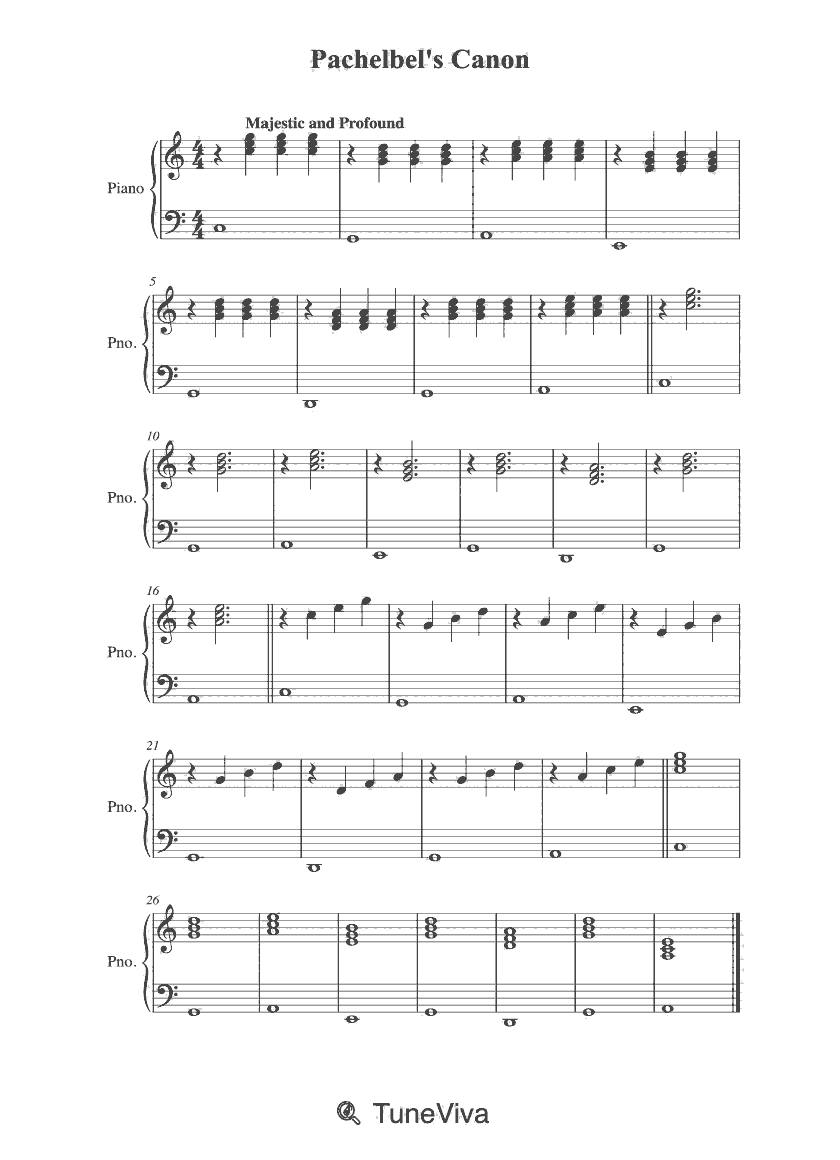
Johann Pachelbel
(for the learning pianist)
Piano · 1 min 12 sec
Open score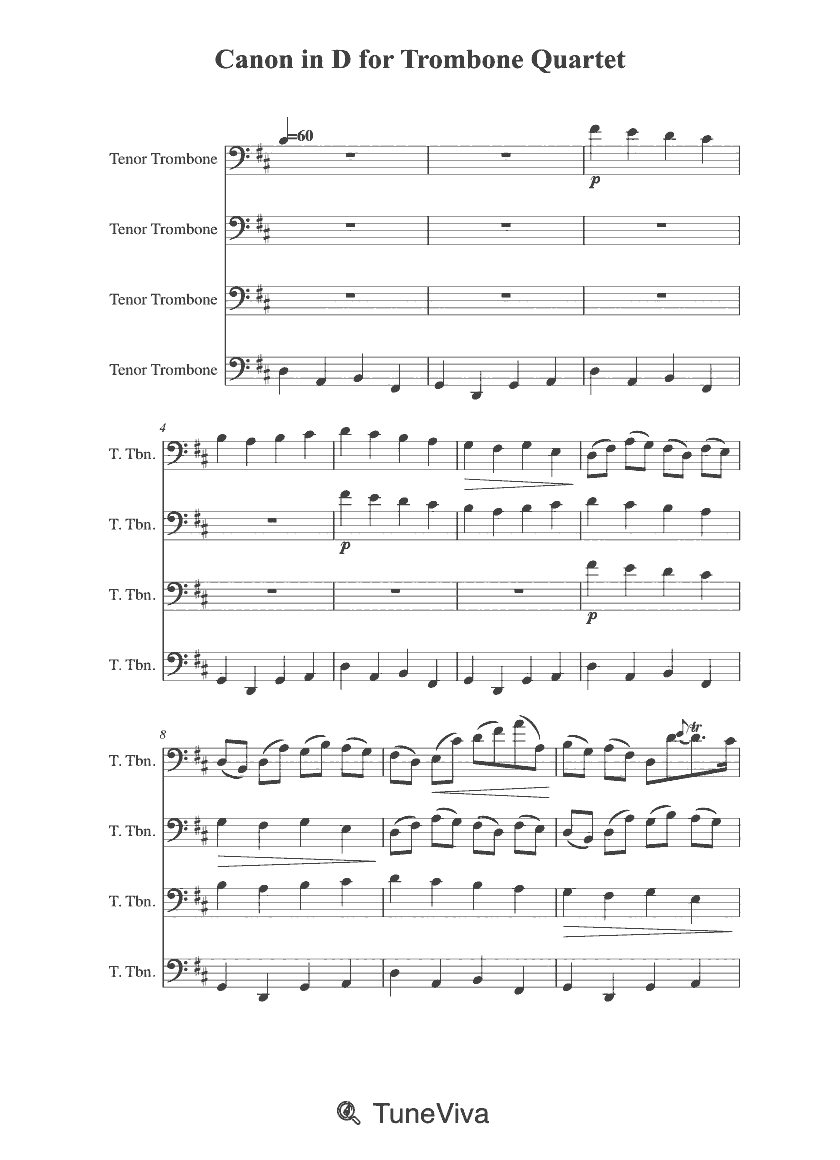
Johann Pachelbel
Tenor Trombone · 3 min 45 sec
Open score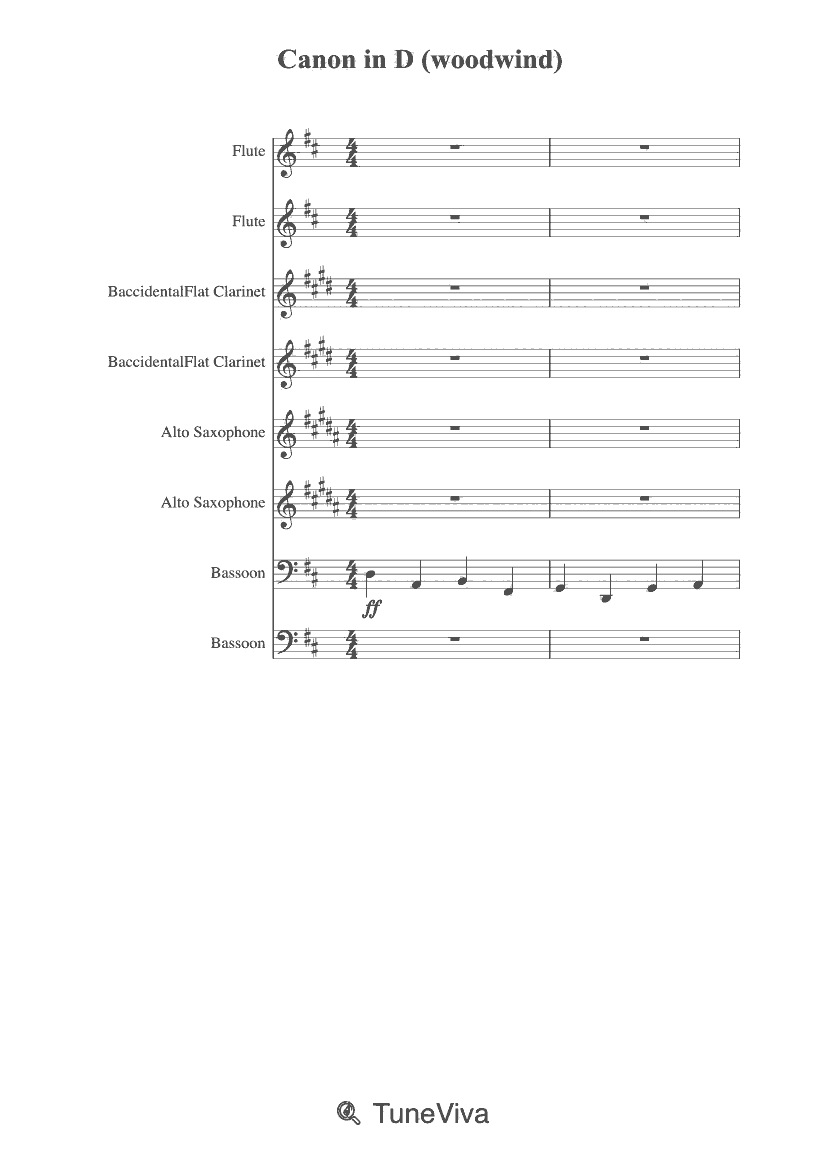
Johann Pachelbel
Flute; B♭ Clarinet; Alto Saxophone +1 parts · 1 min 54 sec
Open score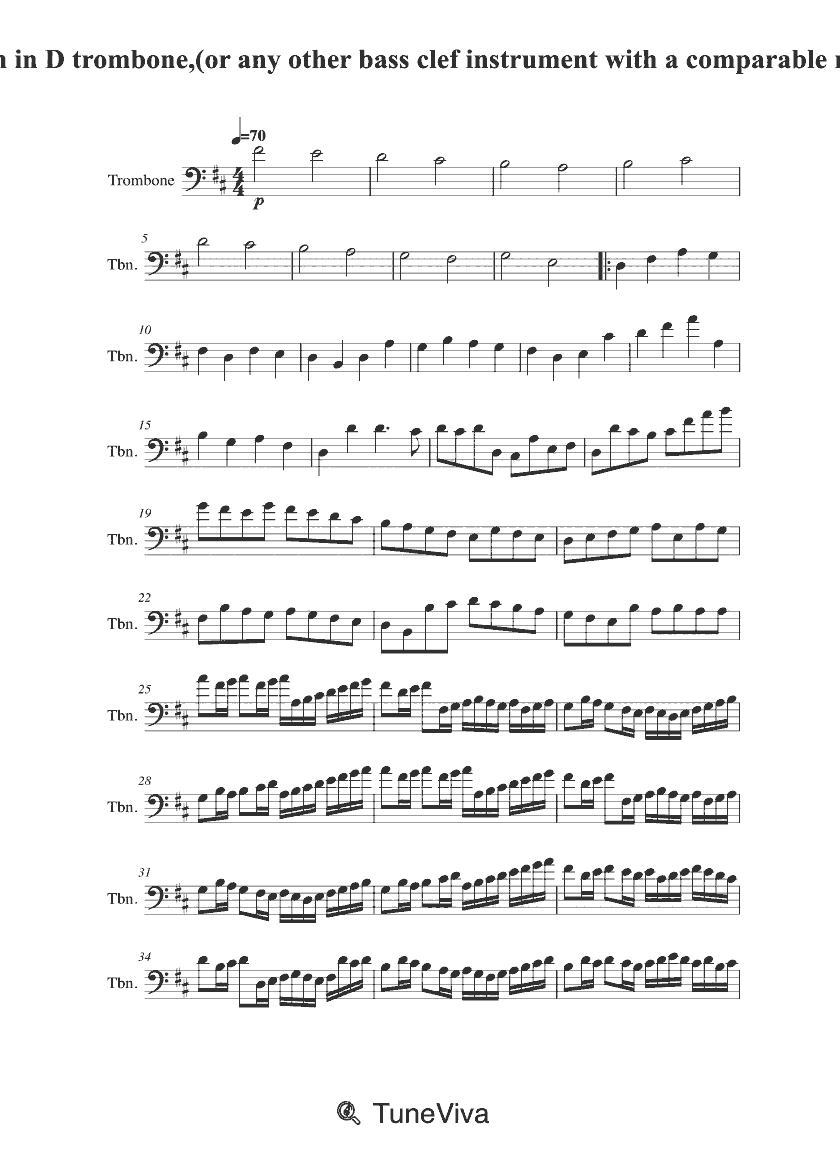
Johann Pachelbel
Trombone · Arr. Mahadevan Seetharaman · 5 min 32 sec
Open score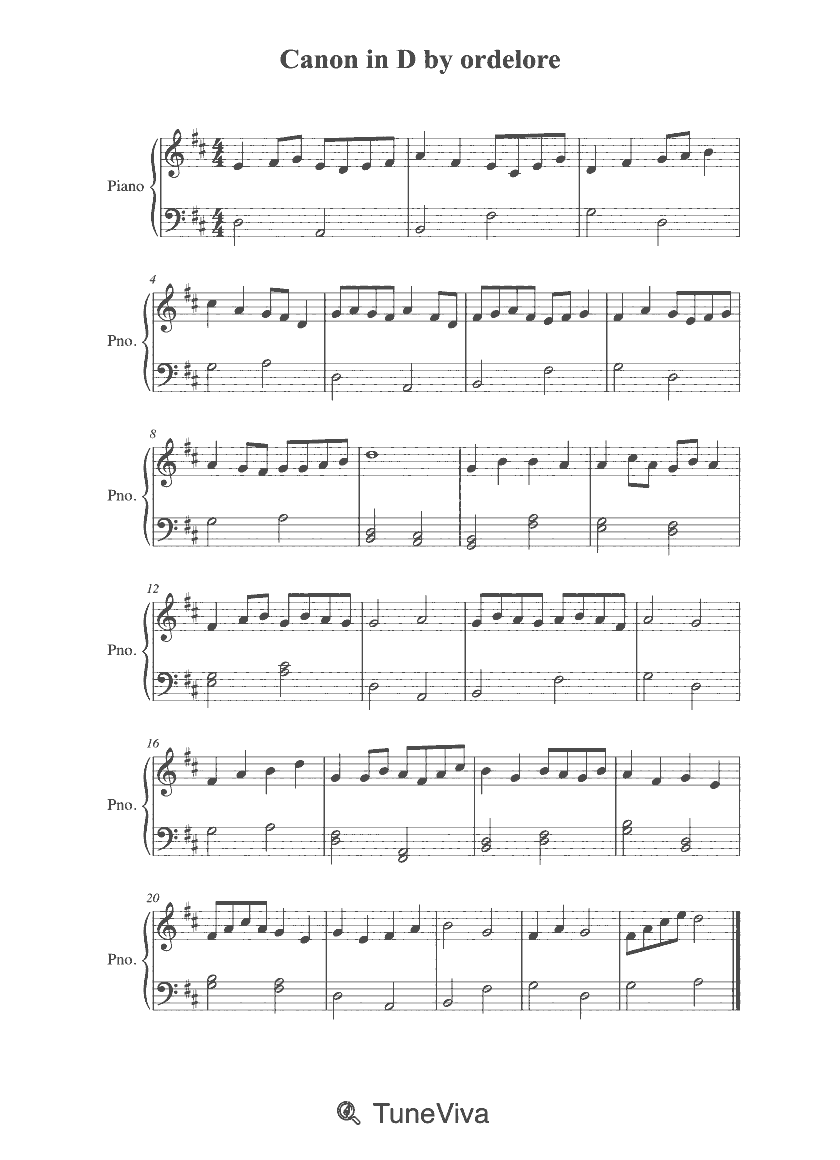
Johann Pachelbel
Piano · 48 sec
Open score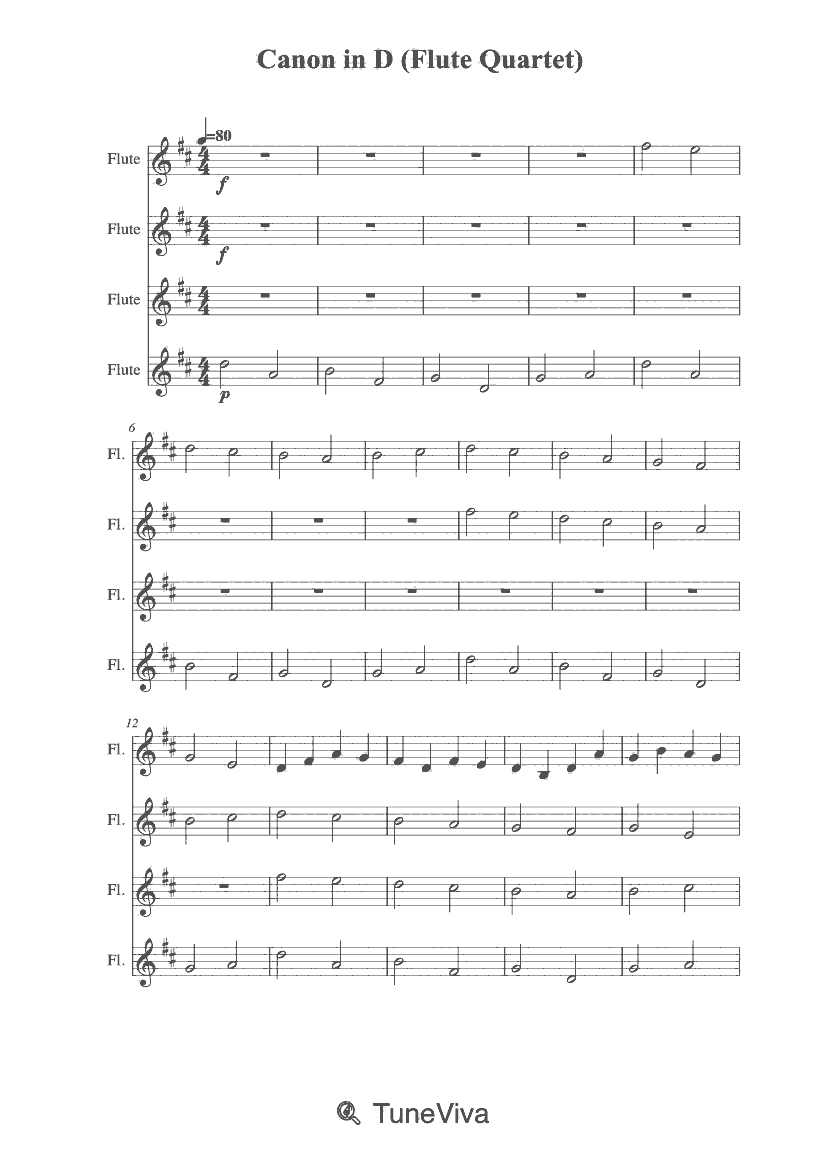
Johann Pachelbel
Flute · 1 min 39 sec
Open score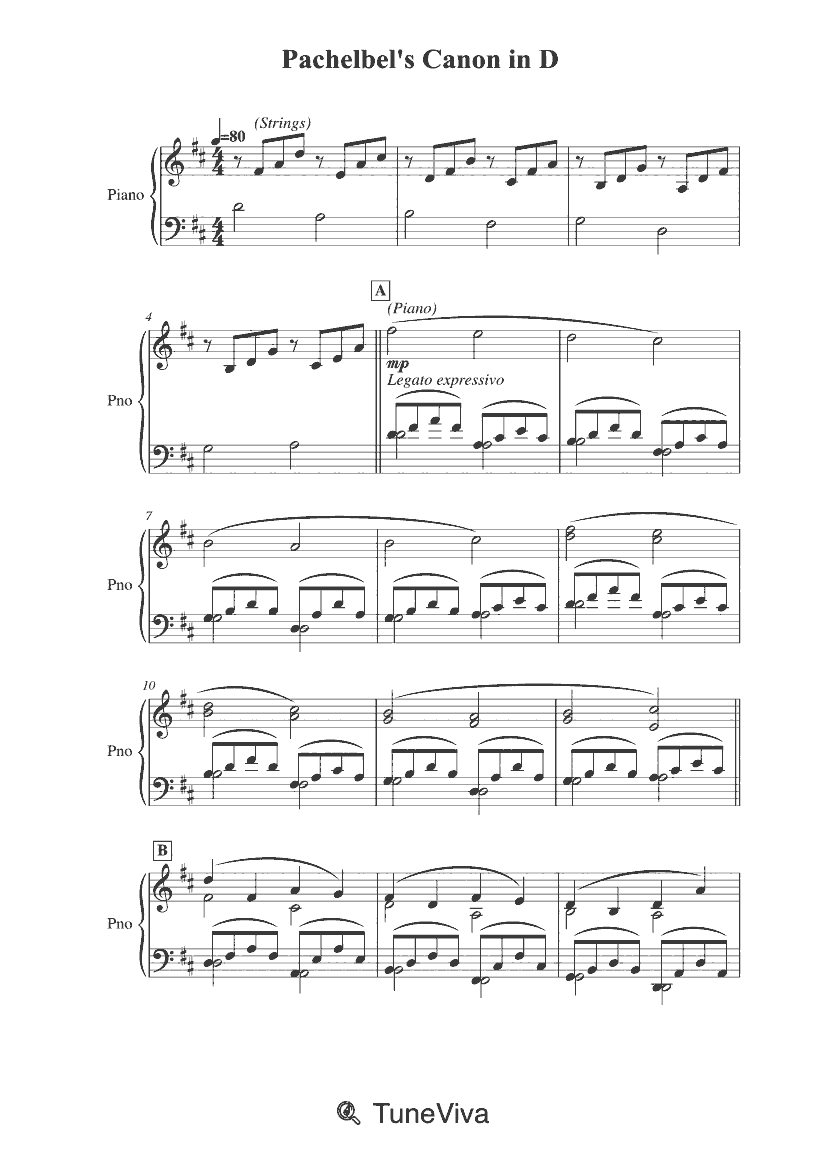
Johann Pachelbel
Piano · 3 min 15 sec
Open scorePage 1 of 4
Two available scores are for piano, and one is a cello solo. Start with the instrument you need, then compare the title, opening tempo and any wording such as “easy”; that word is not independently verified as a difficulty grade.
Each of the three scores shows an opening key signature of two sharps and an opening time signature of 4/4. The piano score titled “Canon in D (easy)” shows an opening tempo of 100 BPM, the cello solo shows 80 BPM, and the piano score titled “Cannon in D” gives no opening tempo. These details describe the openings and individual scores, not a full analysis of the work.
The work title names both a Canon and a Gigue in D major, P.37, but the available score titles refer only to the Canon. The supplied information does not confirm that any score includes the Gigue, nor does it establish the original instrumentation or the meaning of P.37.
“Canon in D,” “Cannon in D” and “Cello solo: Canon In D, P.37” all appear across the available scores. The supplied information does not explain the spelling difference or establish whether “Cannon in D” is a separate piece or a misspelling of Canon.
Score parts: Piano. Catalogue duration 2 min 7 sec. Opening key signature: 2 sharps. Opening time signature: 4/4. Opening tempo: 100 BPM.
Score parts: Violoncello. Catalogue duration 2 min 44 sec. Opening key signature: 2 sharps. Opening time signature: 4/4. Opening tempo: 80 BPM.
Score parts: Piano. Catalogue duration 1 min 59 sec. Opening key signature: 2 sharps. Opening time signature: 4/4.
Johann Pachelbel is named as artist on all three available scores, and as composer on two of them; the piano score titled “Cannon in D” has no composer name filled in.
The work title names both a Canon and a Gigue in D major, P.37, but the score titles refer only to the Canon: “Canon in D (easy),” “Cannon in D” and “Cello solo: Canon In D, P.37.” The supplied information does not show whether any of these scores contains the Gigue.
Two available scores are set for piano, and one is a cello solo listed for violoncello. No supplied source confirms the original instrumentation of the Canon and Gigue in D major, P.37.
Each available score shows an opening key signature of two sharps and an opening time signature of 4/4. Those details describe the opening only; the supplied information does not provide a full key analysis.
The piano score titled “Canon in D (easy)” shows an opening tempo of 100 BPM, and the cello solo shows 80 BPM. The piano score titled “Cannon in D” has no opening tempo listed. These are score-specific indications, not a recommended performance tempo for the work.
The title includes “easy,” but no supplied information verifies a difficulty grade or beginner suitability. A player should compare the instrument, opening details and the score itself rather than relying on the title alone.
One piano score uses the spelling “Cannon in D,” while another uses “Canon in D (easy)” and the cello version uses “Canon In D, P.37.” The supplied information does not establish whether “Cannon in D” is a separate piece or a misspelling of Canon.