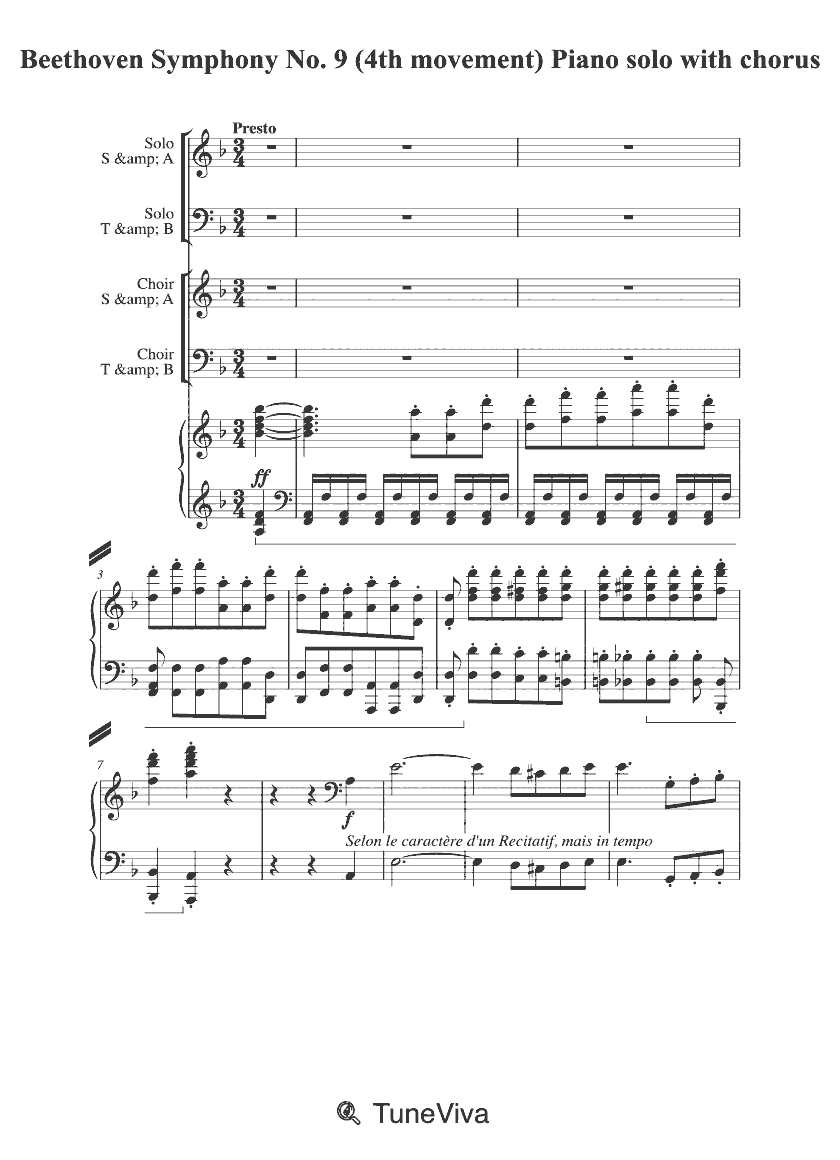
Beethoven Symphony No. 9 (4th movement) Piano solo with chorus
Ludwig van Beethoven
Fourth Movement (Choral)
Solo S & A; Solo T & B; Choir S & A +2 parts · 21 min 53 sec
Open scoreBrowse sheet music listed under Beethoven's Symphony No. 9, Op. 125. The scores gathered here are arrangements and excerpts rather than a single complete orchestral edition: a fourth-movement version for piano and chorus, a piano solo of the second-movement Scherzo, and an orchestral arrangement titled Ode to Joy. Check the scoring and arrangement credit on each score before choosing, because the scores serve different performance and practice needs.
Scores 1–20 of 42
Ludwig van Beethoven
Fourth Movement (Choral)
Solo S & A; Solo T & B; Choir S & A +2 parts · 21 min 53 sec
Open score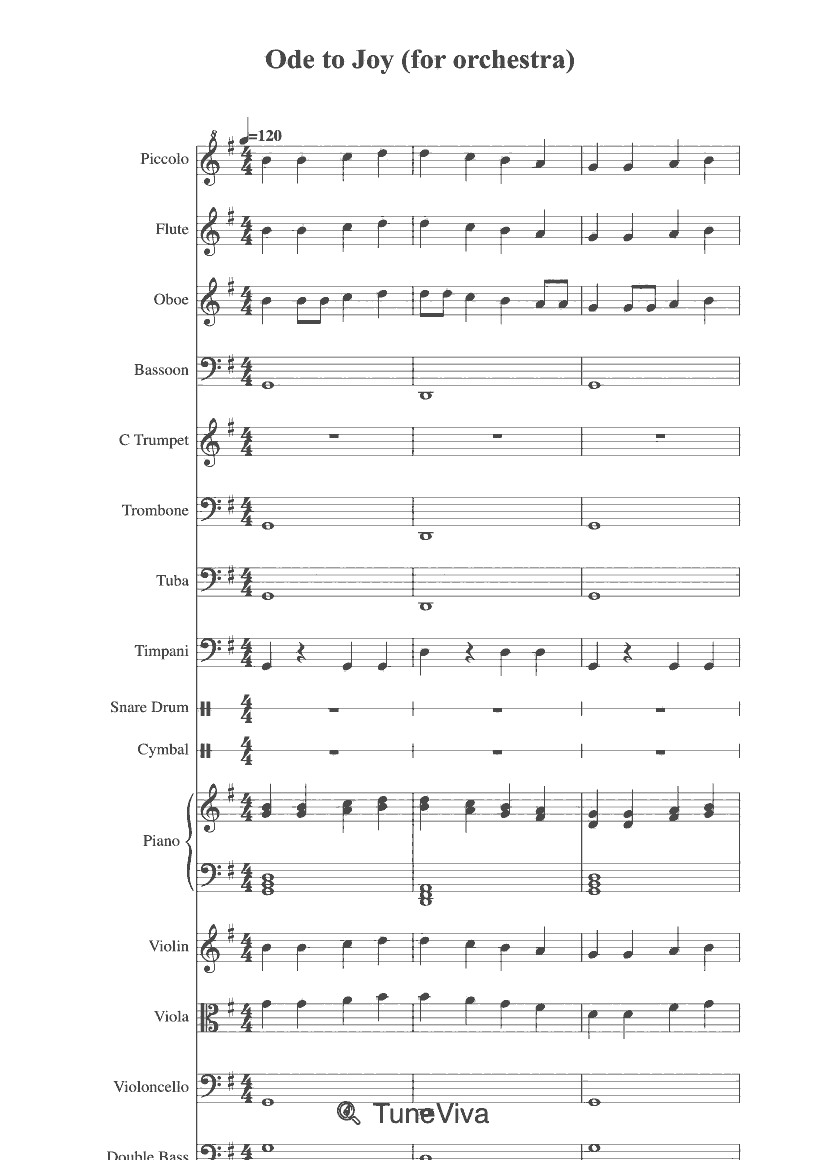
Tommy Thomson
Piccolo; Flute; Oboe +12 parts · 1 min 44 sec
Open score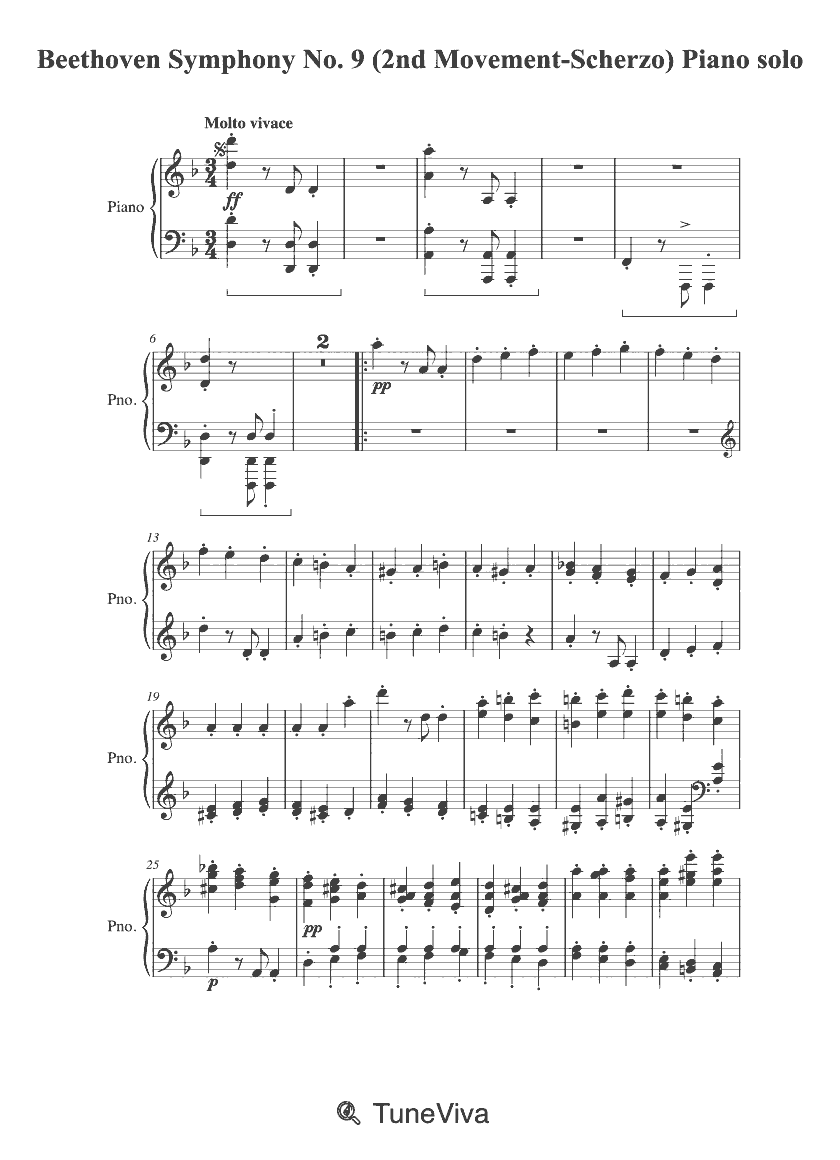
Ludwig van Beethoven
Second Movement - Scherzo
Piano · 1 hr 6 min 45 sec
Open score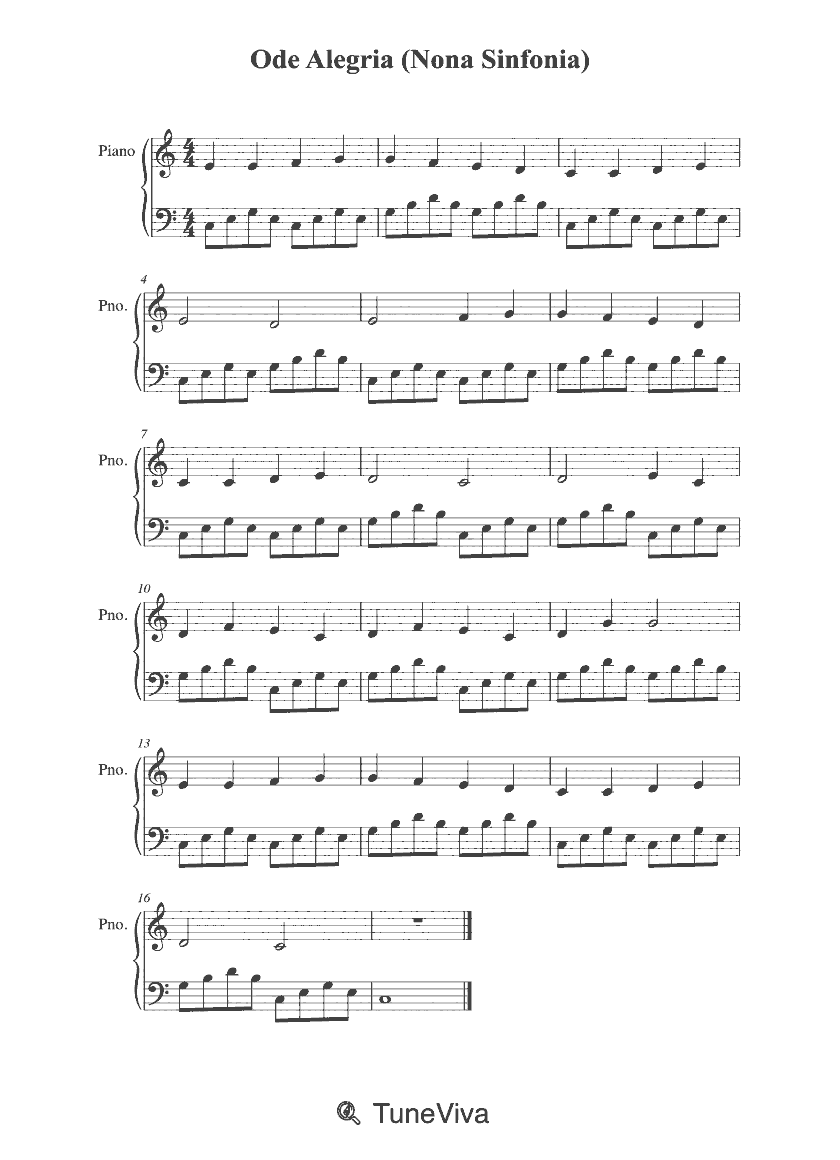
Ludwig van Beethoven
Piano · 34 sec
Open score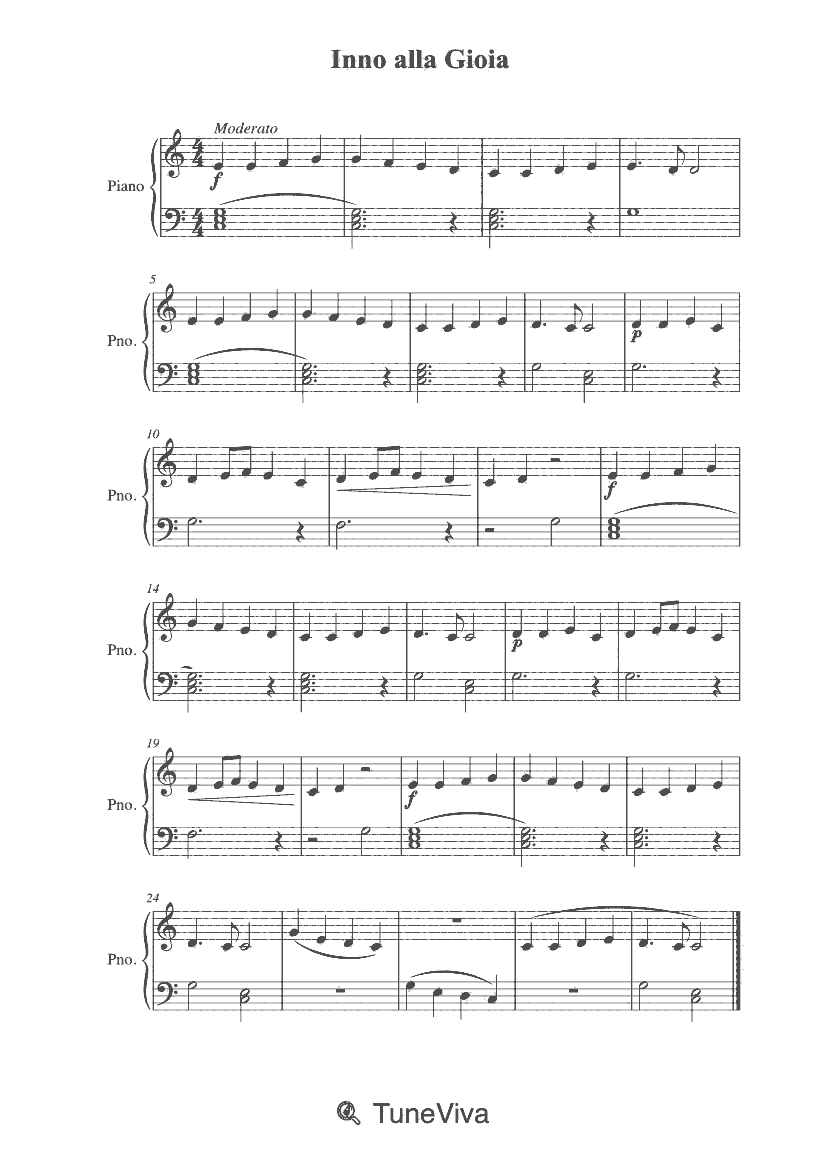
Ludwig van Beethoven
Piano · Arr. Dalla Nona Sinfonia · 56 sec
Open score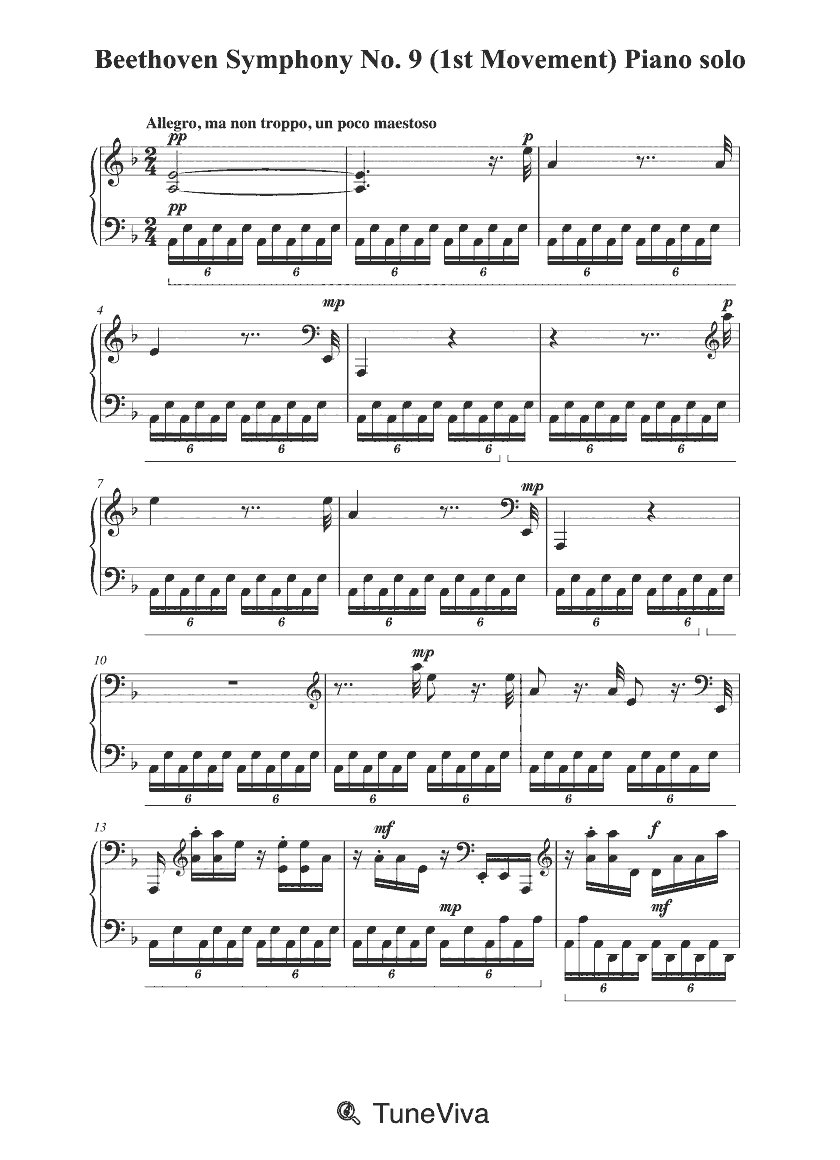
Ludwig van Beethoven
First Movement
Piano · 13 min 29 sec
Open score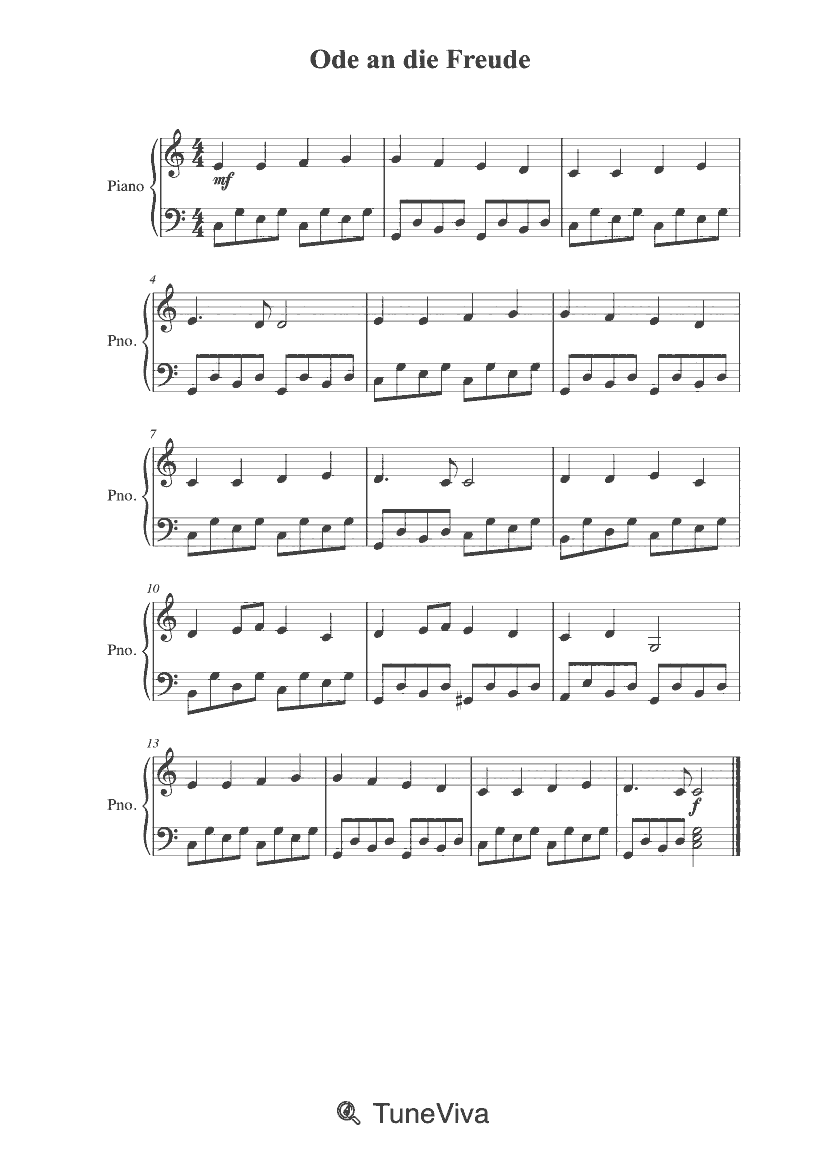
Ludwig van Beethoven
Kaveh's Variation
Piano · 32 sec
Open score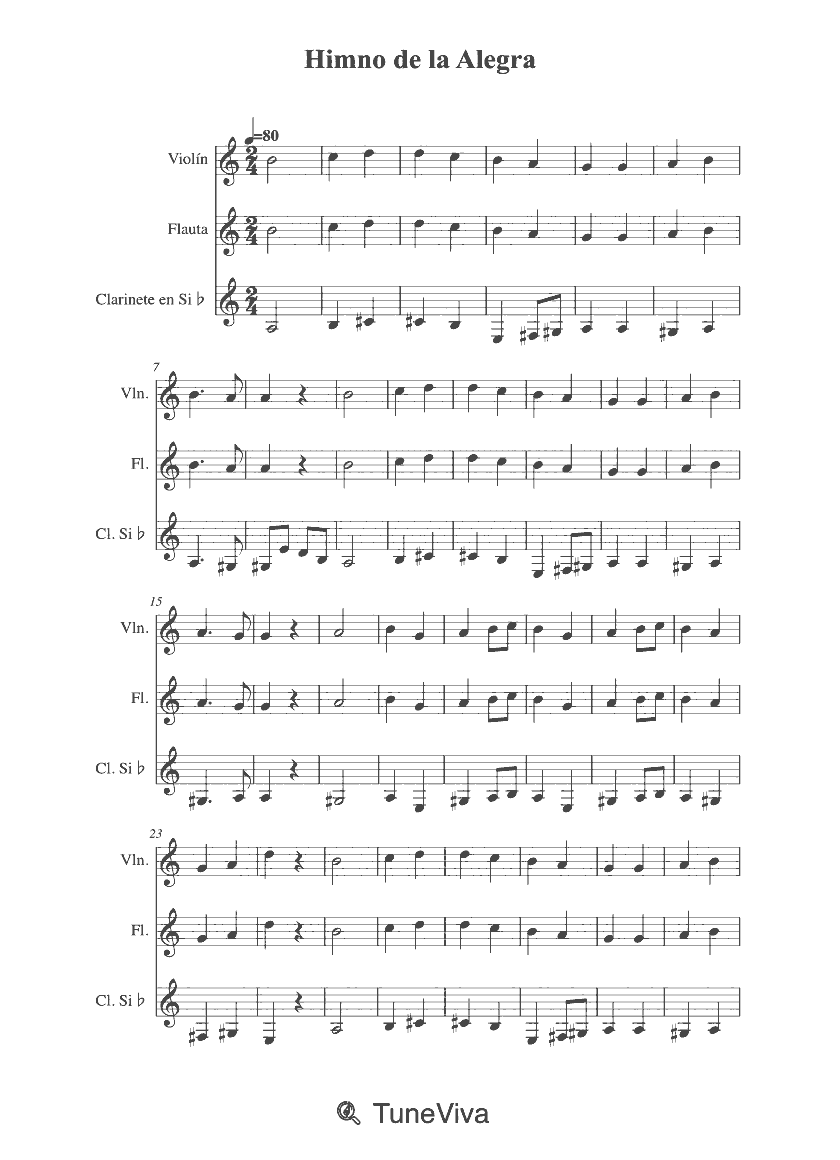
Ludwig van Beethoven
Violín; Flauta; Clarinete en Si♭ · 47 sec
Open score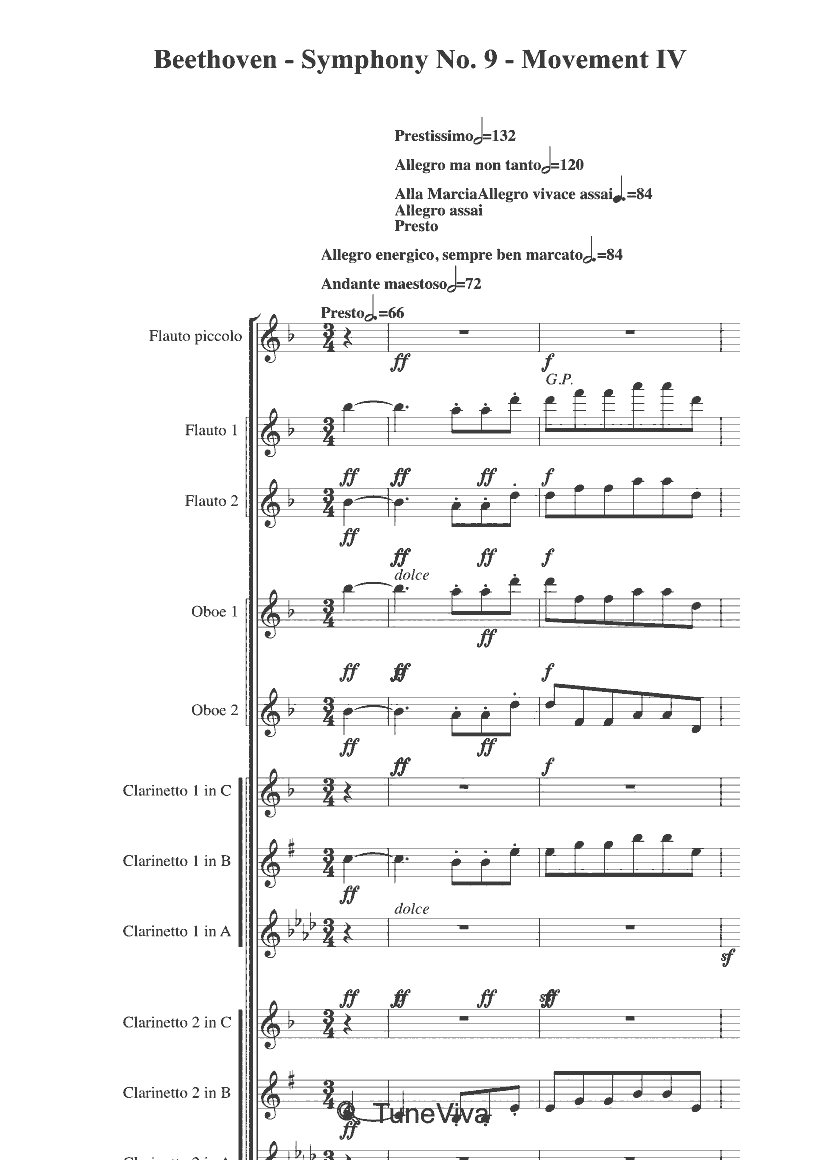
Ludwig van Beethoven
Flauto piccolo; Flauto 1; Flauto 2 +49 parts · 25 min 59 sec
Open score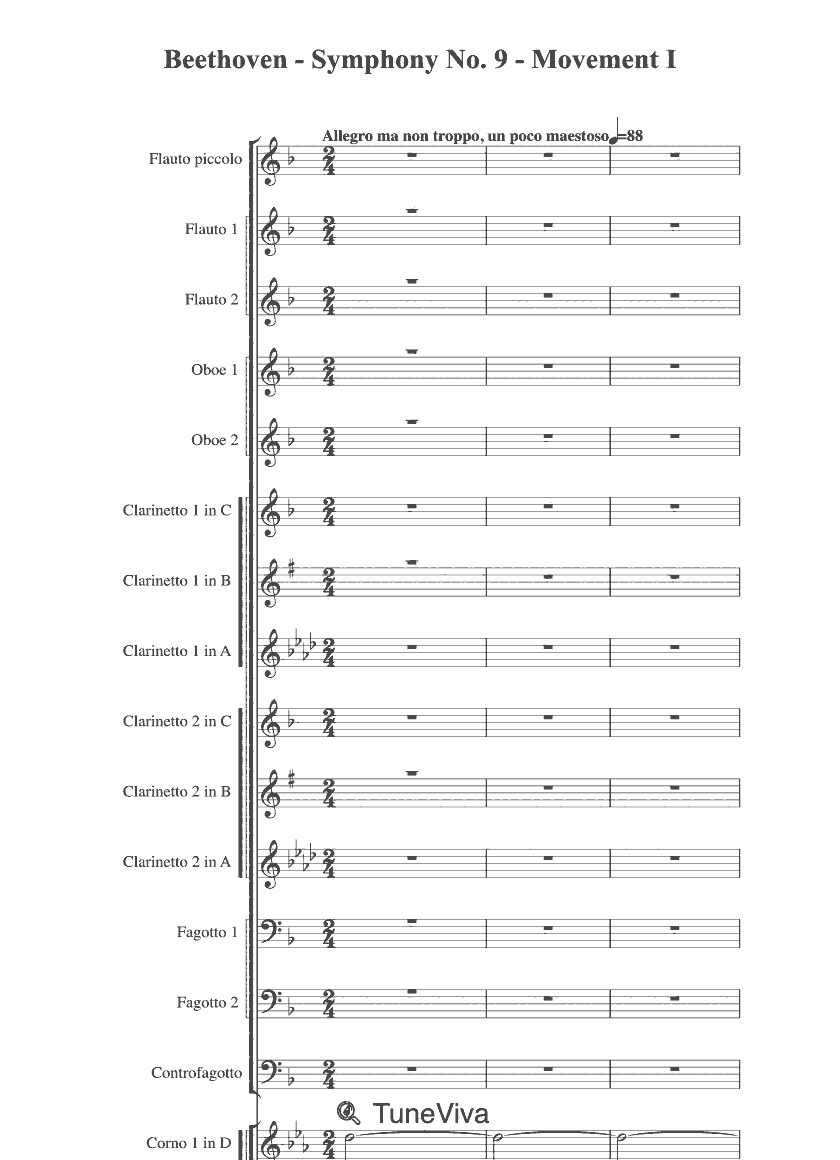
Ludwig van Beethoven
Flauto piccolo; Flauto 1; Flauto 2 +49 parts · 12 min 25 sec
Open score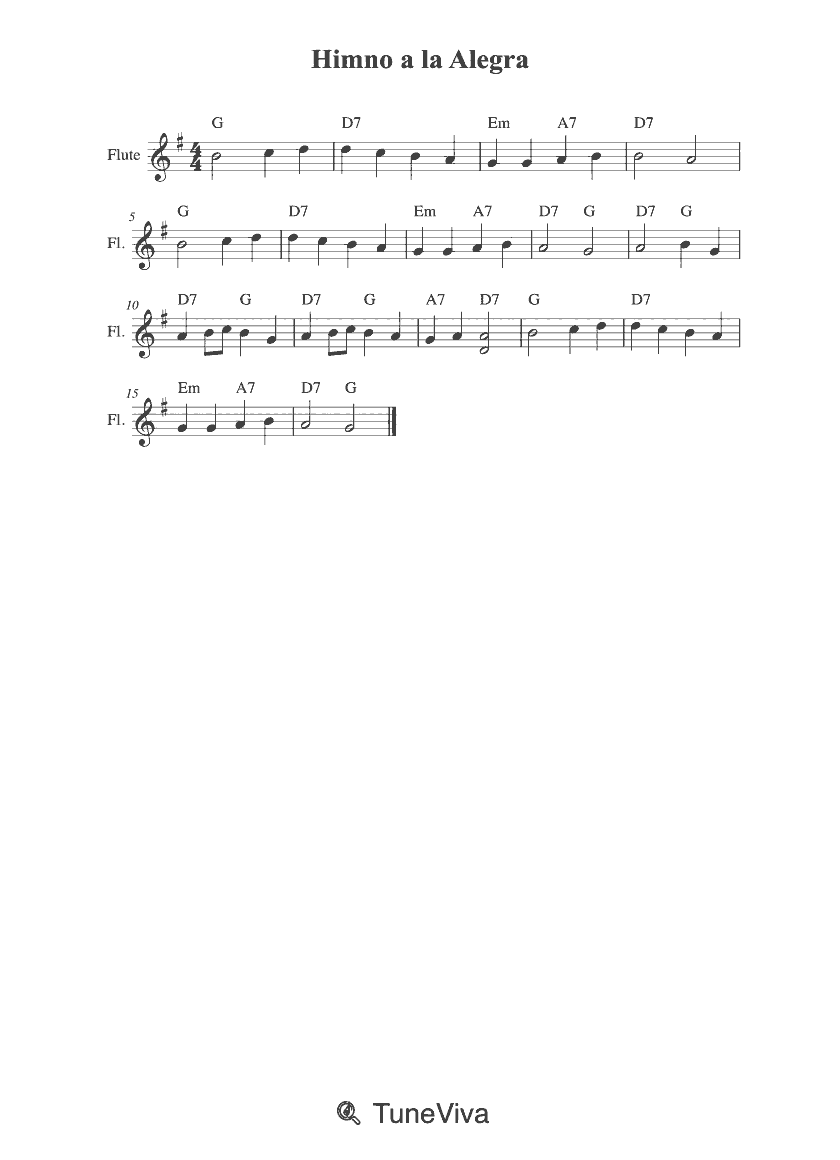
Ludwing van Bethoven
Sinfonía No.9
Flute · 32 sec
Open score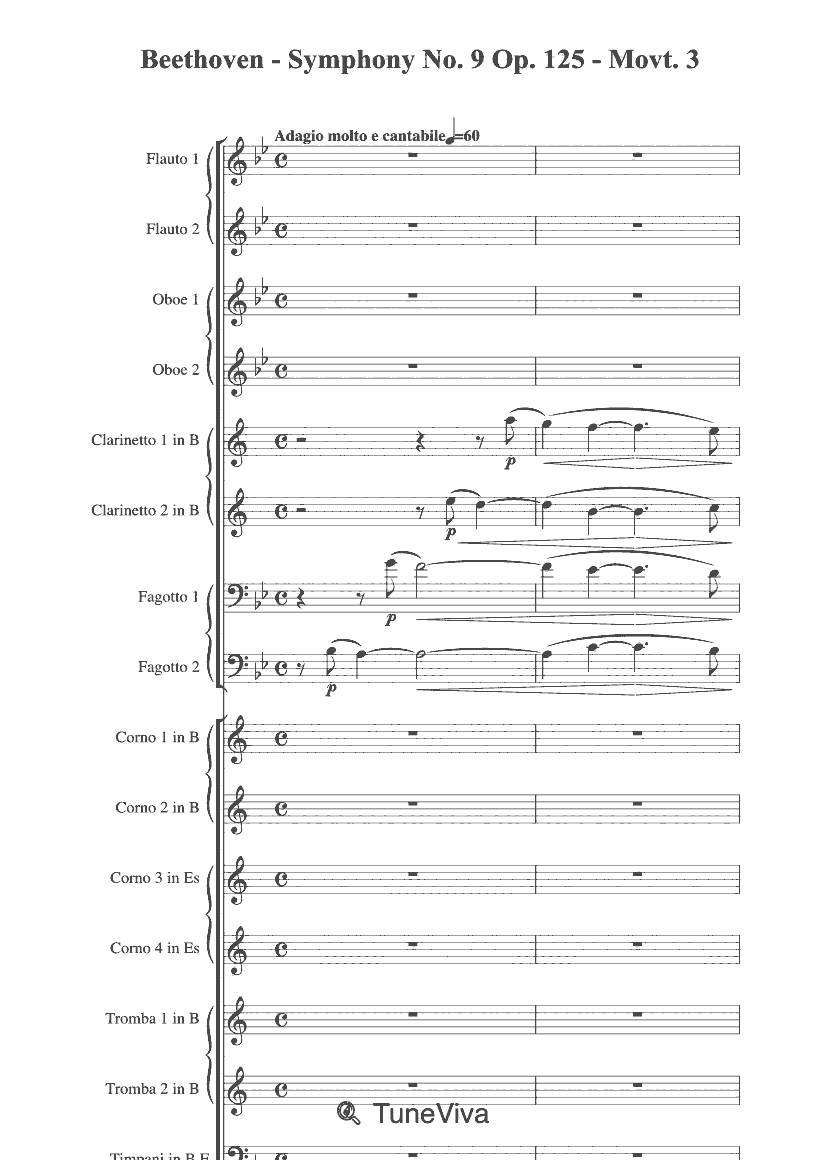
Ludwig van Beethoven
Flauto 1; Flauto 2; Oboe 1 +17 parts · 8 min 0 sec
Open score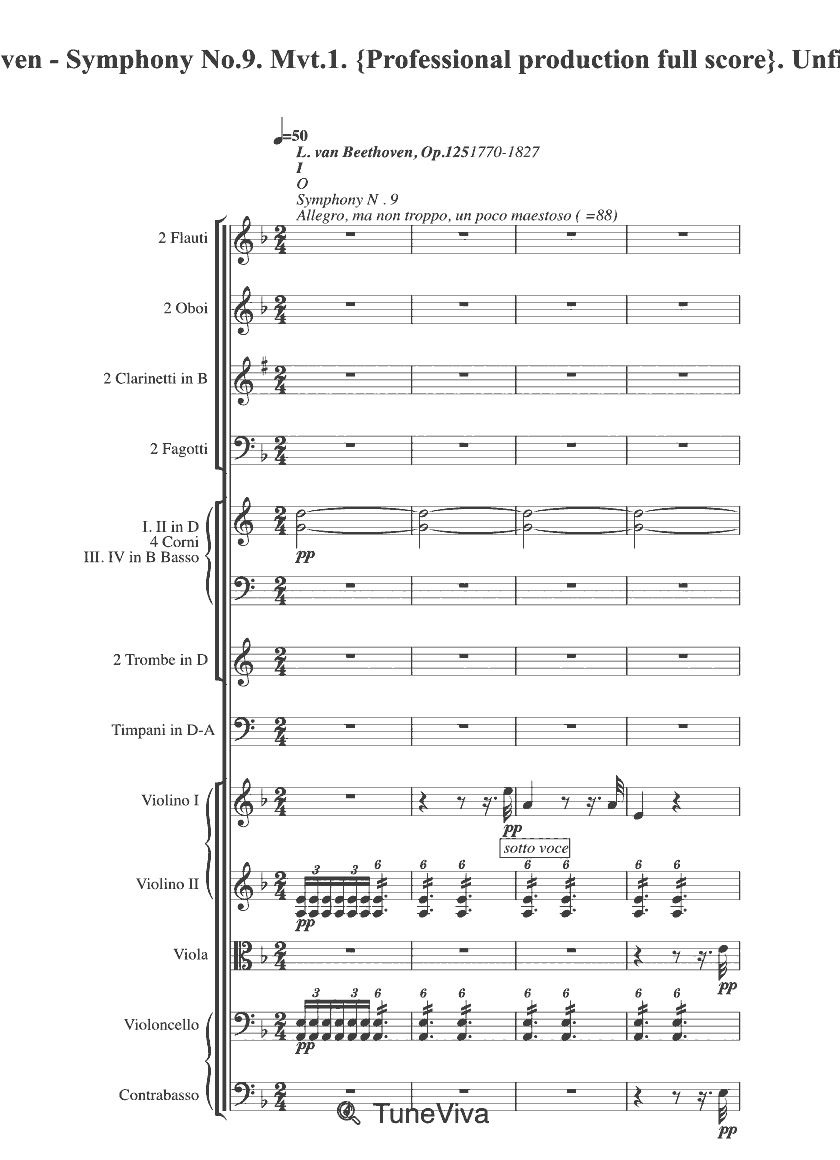
Ludwig van Beethoven
2 Flauti; 2 Oboi; 2 Clarinetti in B +10 parts · 17 min 22 sec
Open score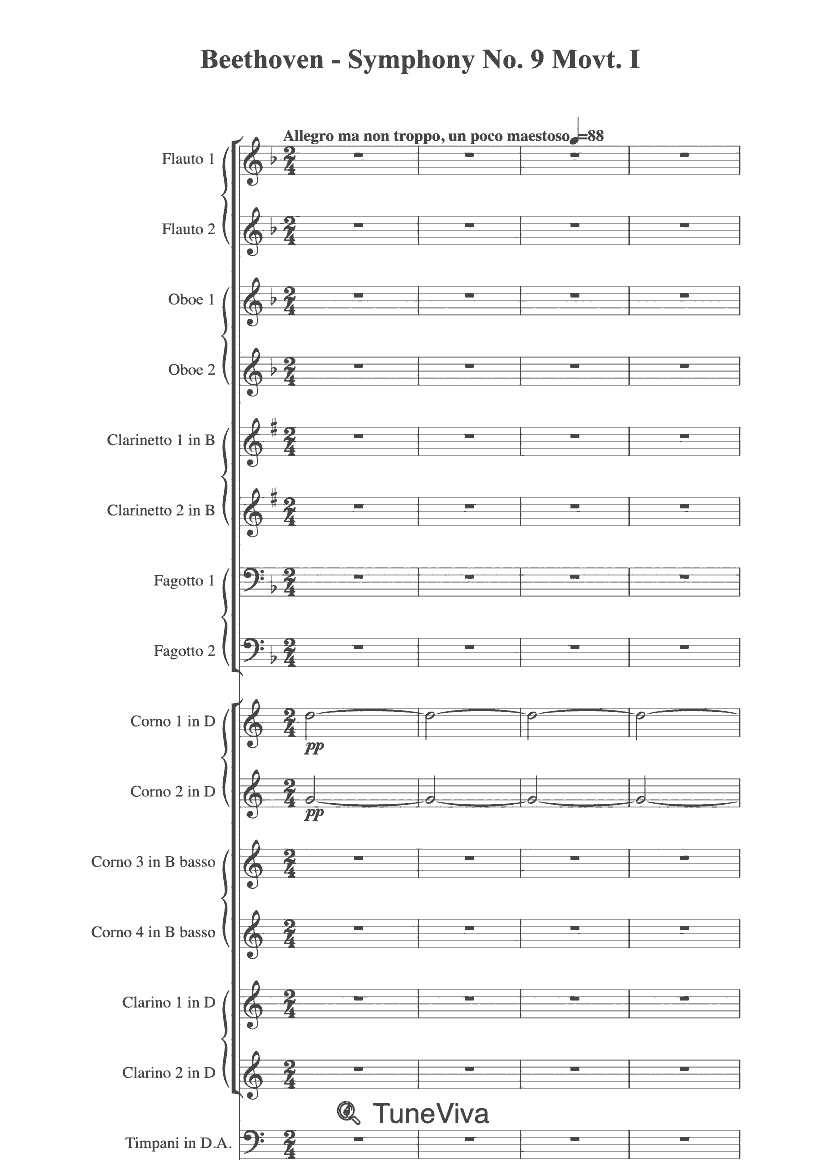
Ludwig van Beethoven
Op. 125
Flauto 1; Flauto 2; Oboe 1 +17 parts · 17 min 41 sec
Open score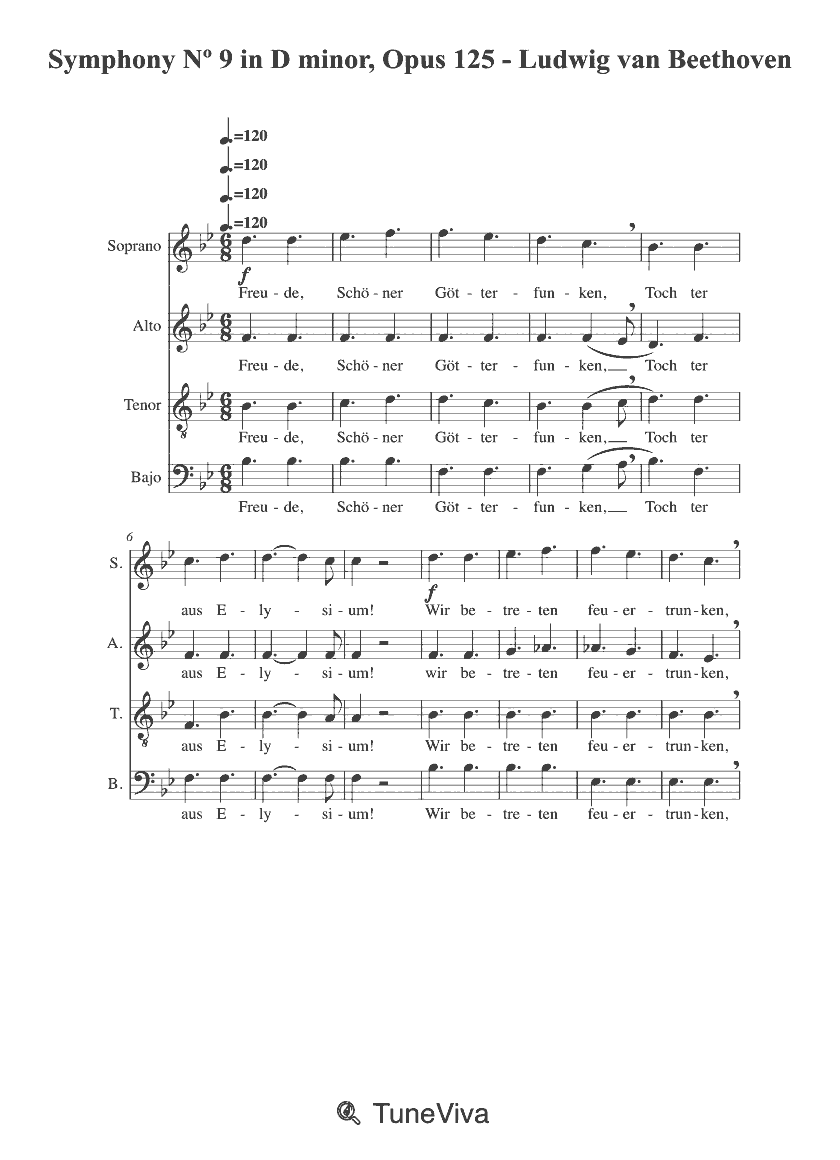
Ludwig van Beethoven
Soprano; Alto; Tenor +1 parts · 36 sec
Open score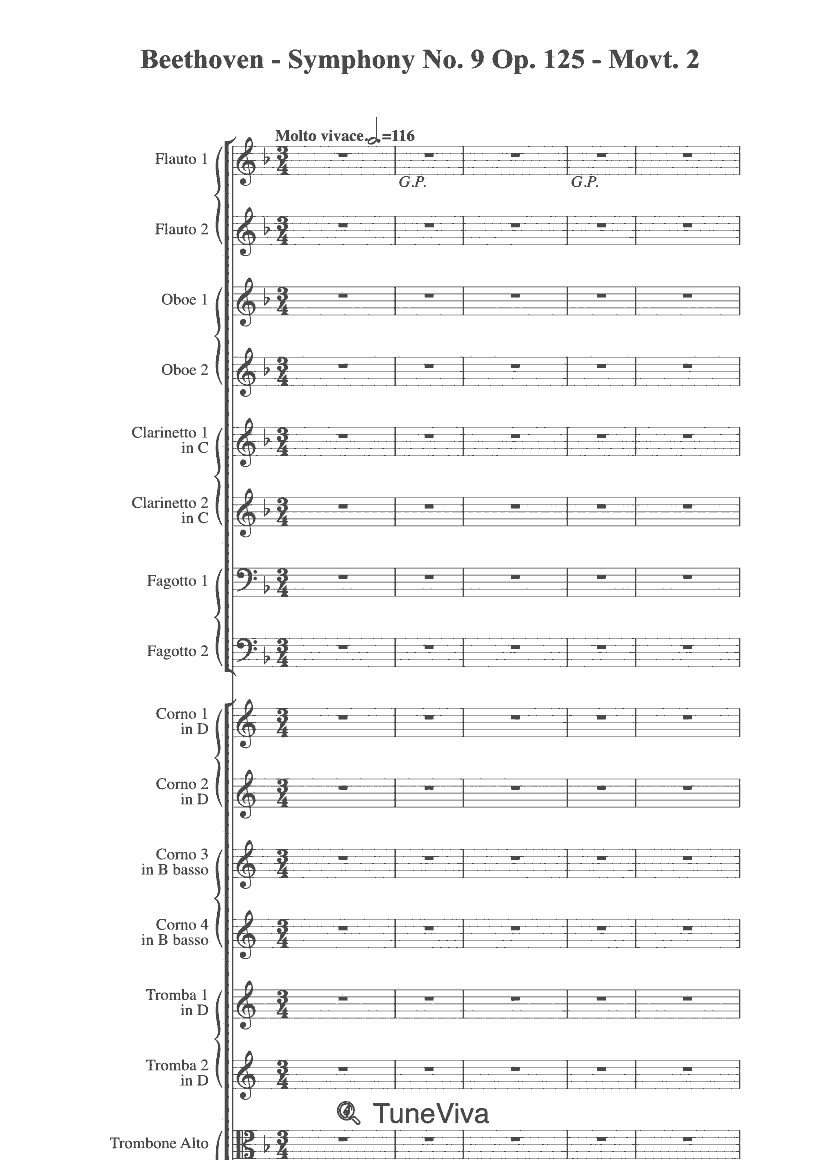
Ludwig van Beethoven
Flauto 1; Flauto 2; Oboe 1 +20 parts · 1 hr 10 min 55 sec
Open score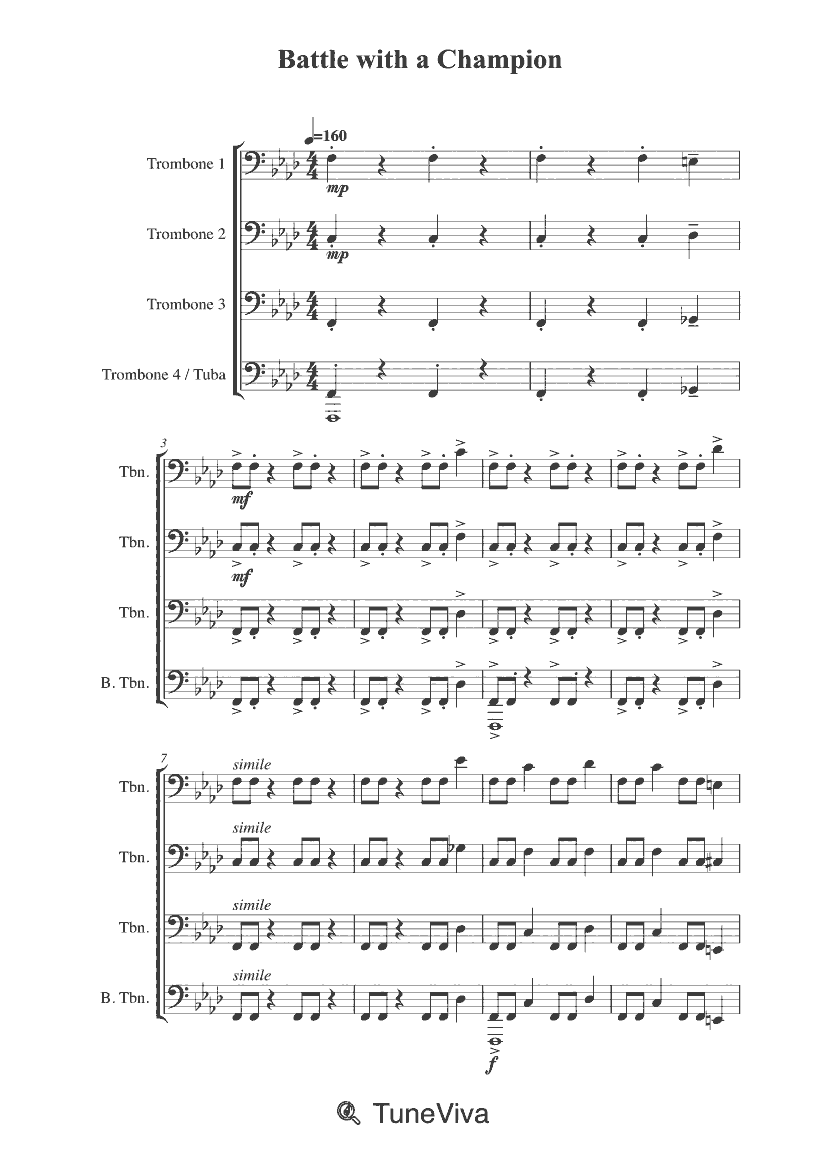
Junichi MasudaArr. for Low BrassEnsemble by Evan Jaffa
from Pokémon: Gold and Silver Versions
Trombone 1; Trombone 2; Trombone 3 +1 parts · 2 min 19 sec
Open score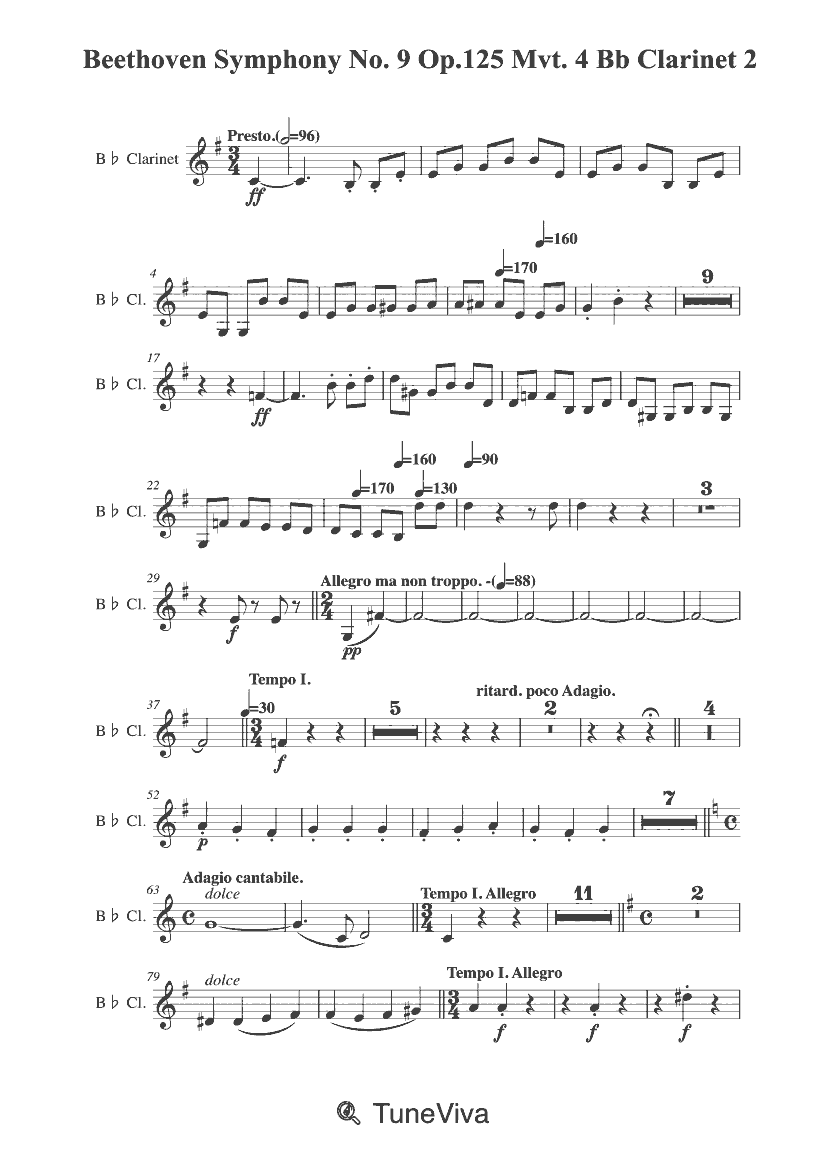
Ludwig van Beethoven
Mvt. 4
B♭ Clarinet · 34 min 54 sec
Open score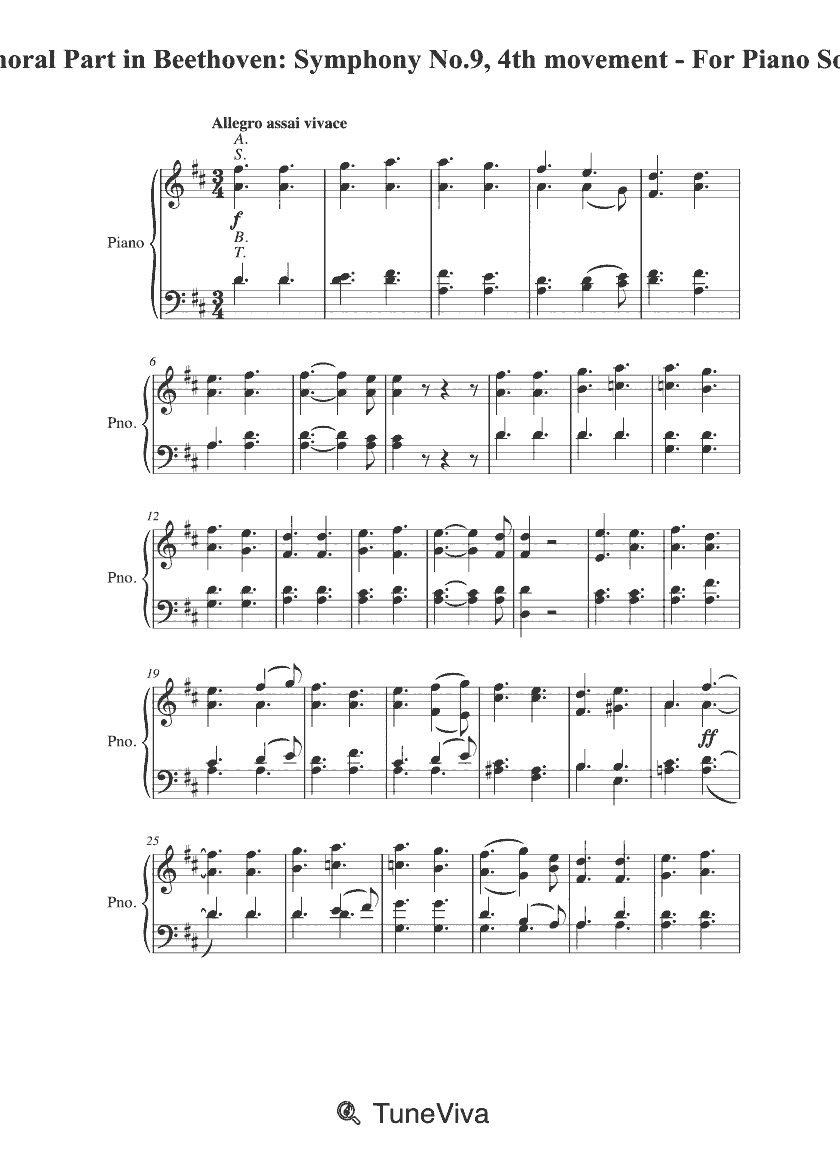
Ludwig van Beethoven
Transcribed for piano
Piano · 45 sec
Open score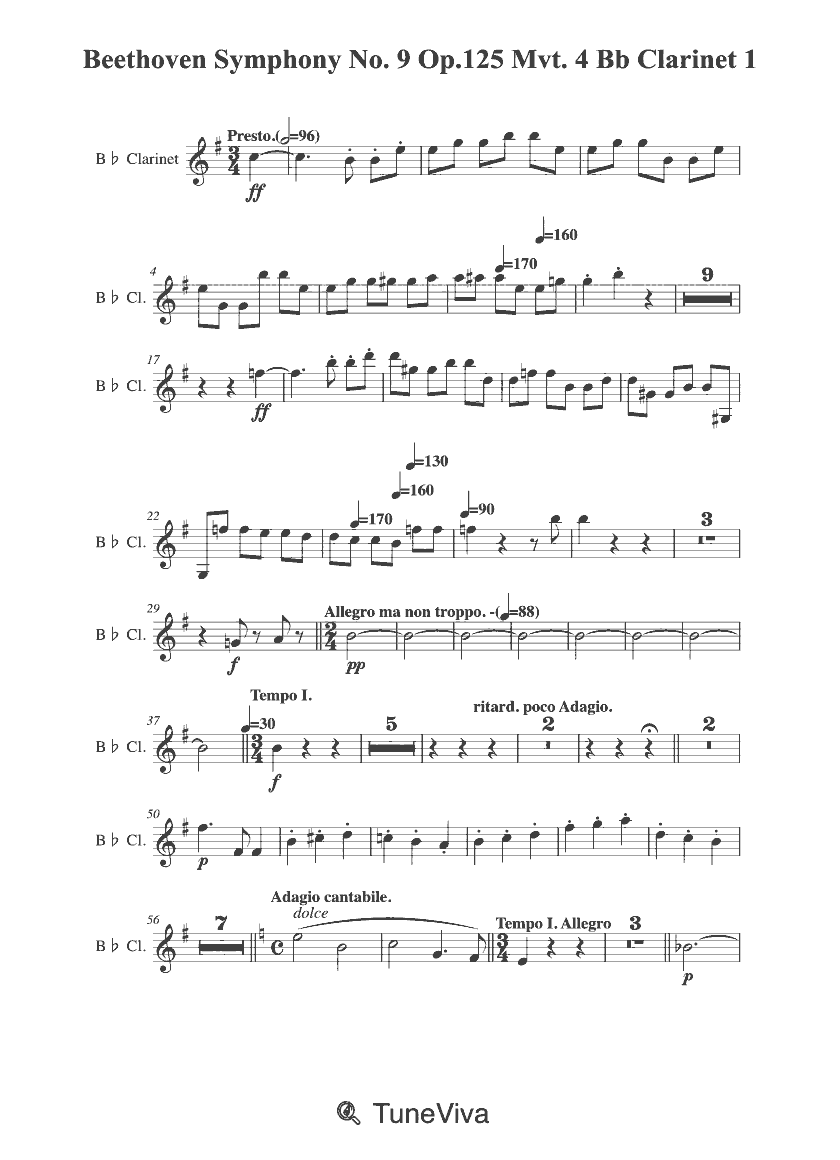
Ludwig van Beethoven
Mvt. 4
B♭ Clarinet · 33 min 48 sec
Open scorePage 1 of 3
The gathered scores are not interchangeable versions of the symphony. One is headed as the fourth movement with piano and chorus, one is a piano solo of the second-movement Scherzo, and one is an orchestral arrangement titled Ode to Joy. Decide whether you need a movement excerpt, a piano reduction, or an orchestral arrangement before selecting.
The fourth-movement score names solo soprano and alto, solo tenor and bass, choir soprano and alto, choir tenor and bass, and piano. The Scherzo score lists piano as its score part. The Ode to Joy orchestral score names a large ensemble including piccolo, flute, oboe, bassoon, C trumpet, trombone, tuba, timpani, snare drum, cymbal, piano, violin, viola, violoncello and double bass. Verify these forces on the score itself.
The orchestral Ode to Joy score gives Tommy Thomson as composer name and Ludwig van Beethoven as artist name, so the score details alone do not establish it as an original Beethoven orchestral movement. The Scherzo piano score includes the note 'Arranged for piano by Franz Lizst', spelled that way in the details. Treat such credits as leads and confirm them on the score or an authoritative source.
The gathered scores do not confirm a complete four-movement orchestral edition, original instrumentation, edition, difficulty level or exact duration. If you need a verified complete performance set, look for a score whose title and instrumentation explicitly cover all four movements and the required vocal and orchestral forces.
Score parts: Solo S &, A, Solo T &, B, Choir S &, A, …. Catalogue duration 21 min 53 sec. Opening key signature: 1 flat. Opening time signature: 3/4. Opening tempo: 188 BPM.
Score parts: Piccolo, Flute, Oboe, Bassoon, C Trumpet, Trombone, …. Catalogue duration 1 min 44 sec. Opening key signature: 1 sharp; No sharps or flats. Opening time signature: 4/4. Opening tempo: 120 BPM.
Score parts: Piano. Catalogue duration 1 hr 6 min 45 sec. Opening key signature: 1 flat. Opening time signature: 3/4. Opening tempo: 348 BPM.
The gathered scores name the fourth movement, the second-movement Scherzo, and a separate orchestral arrangement titled Ode to Joy. They do not verify a complete four-movement score, so check the title and contents if you need the whole symphony.
The fourth-movement score gathered here names solo soprano and alto, solo tenor and bass, choir soprano and alto, choir tenor and bass, and piano. Confirm the vocal and piano scoring on the score itself, because score details can be incomplete or inaccurate.
A piano solo score titled Beethoven Symphony No. 9 (2nd Movement-Scherzo) Piano solo is included among the gathered scores, and its score part is listed as piano. Its details also include the note 'Arranged for piano by Franz Lizst', spelled that way; verify that credit on the score before treating it as definitive.
The score titled Ode to Joy (for orchestra) lists Tommy Thomson as composer name and Ludwig van Beethoven as artist name, with forces including piccolo, flute, oboe, bassoon, C trumpet, trombone, tuba, timpani, snare drum, cymbal, piano and strings. That mixed attribution means the score details alone do not establish it as Beethoven's original orchestral movement; check the arranger credit and instrumentation before choosing it for performance.
The gathered scores are a fourth-movement piano-and-chorus version, a piano solo Scherzo and an orchestral Ode to Joy arrangement. They do not verify a complete four-movement orchestral set with all vocal and orchestral parts; for a full performance, choose a score whose title and instrumentation explicitly cover the whole work.