
classical
1 tracks
Mendelssohn's catalogue is unusually mixed for a Romantic composer: 163 scores, about 524 minutes of music and 220,507 notated notes, with 104 entries carrying lyrics. The choral side is not a footnote here but a large share of the page.
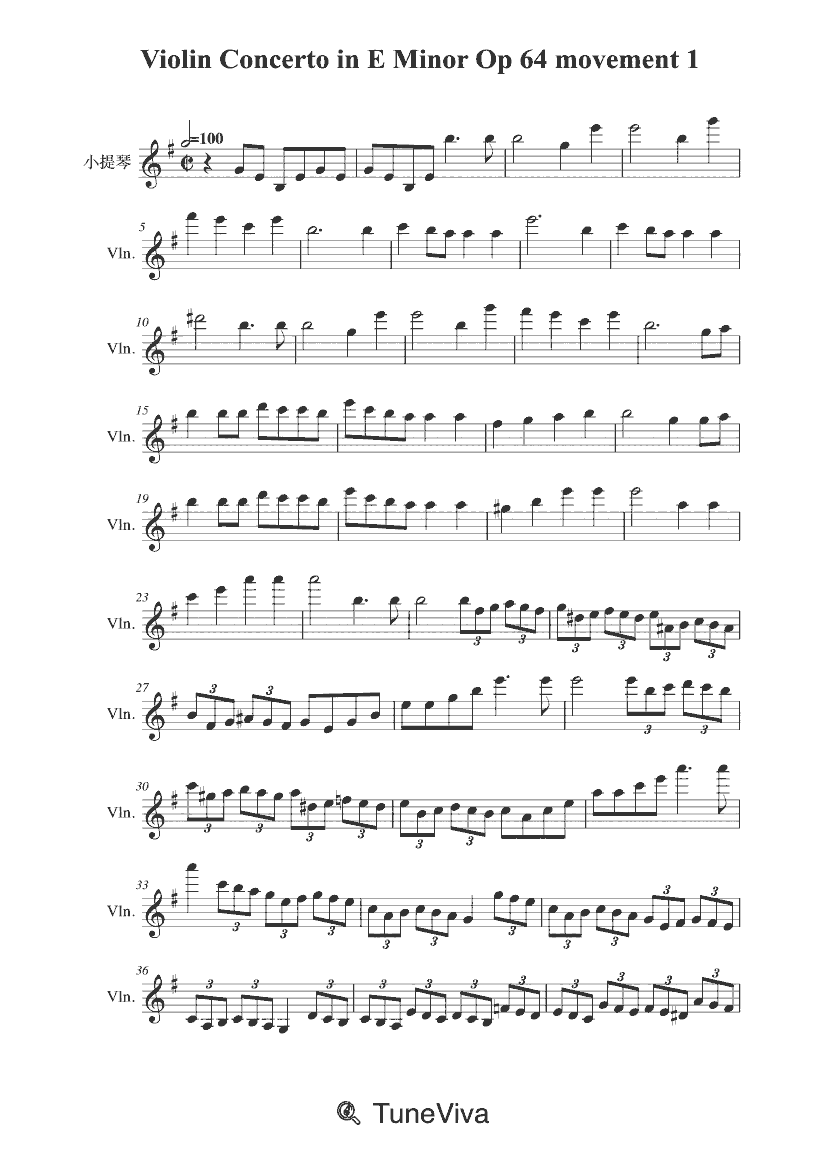
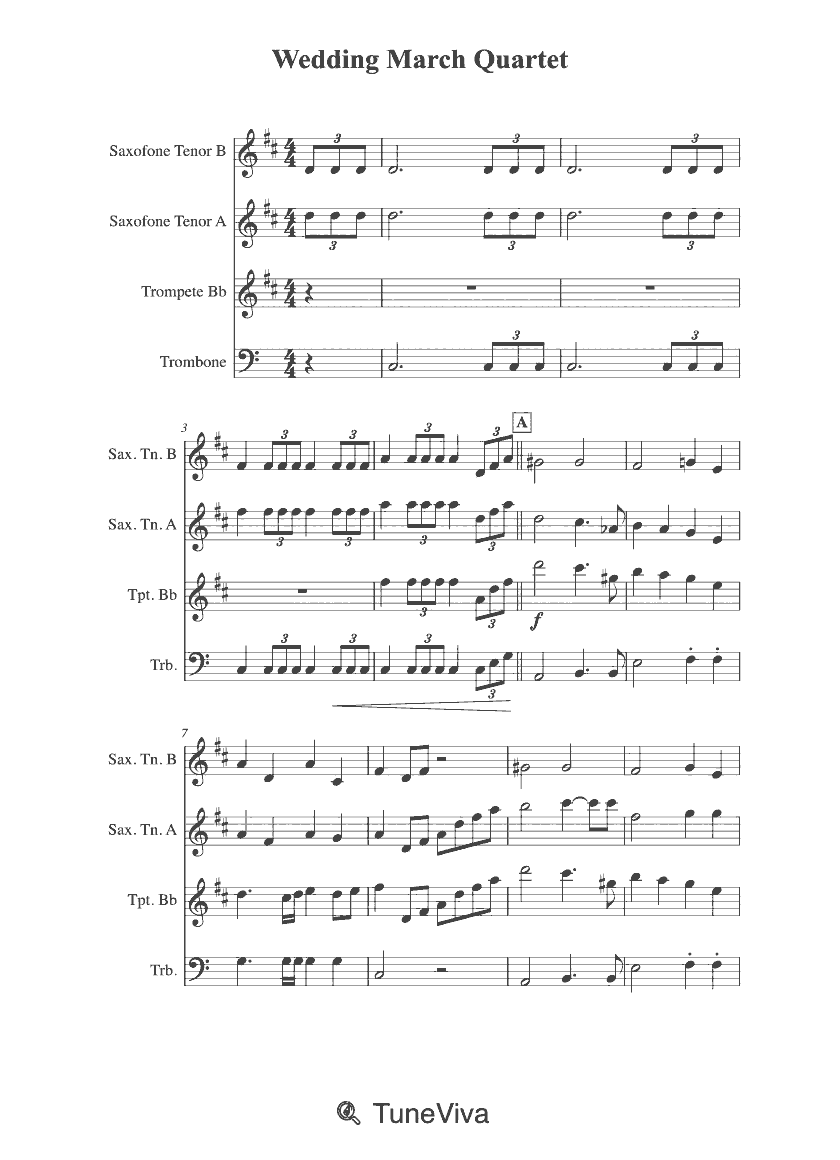
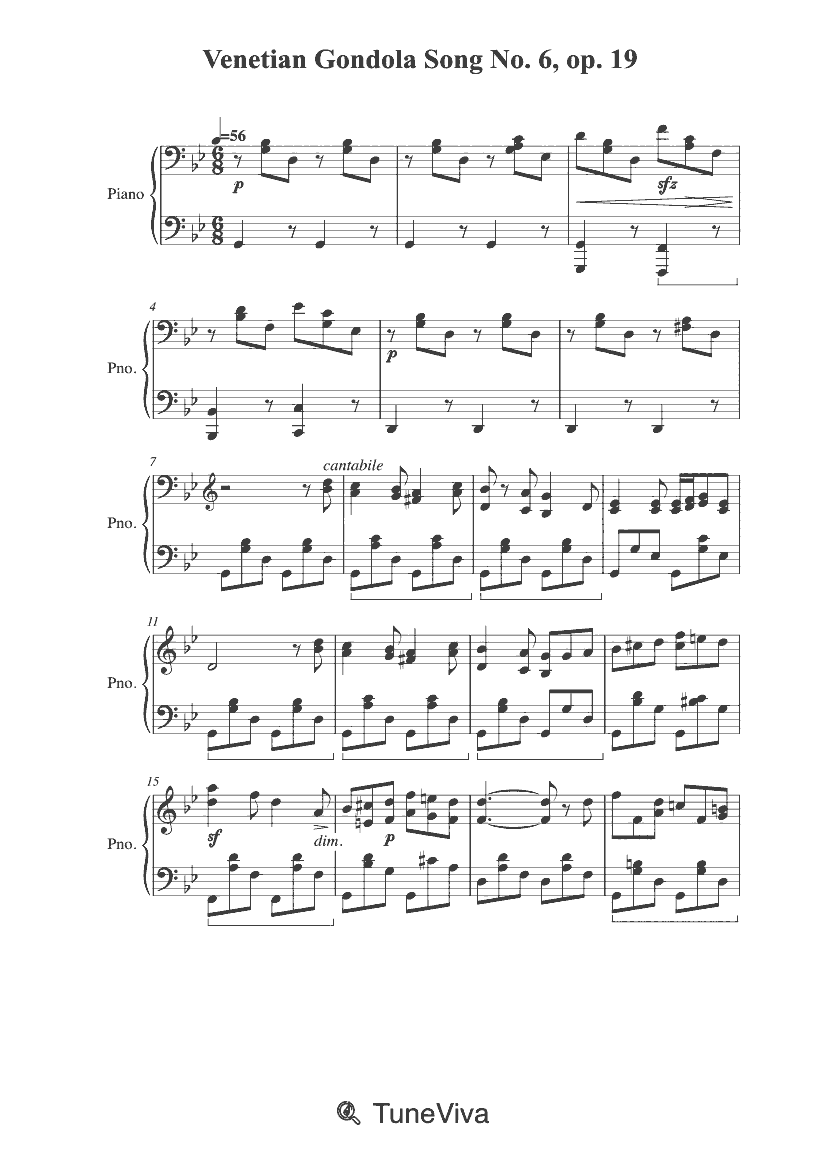
The most-viewed entry is the first movement of the E minor Violin Concerto, followed by the Wedding March in several scorings, the cello Song Without Words, Op. 109, and the Venetian Gondola Song from Op. 19. A total of 147 entries sit at complexity index 0, which suits the many short piano pieces and hymn settings.
Mendelssohn was born in Hamburg on 3 February 1809, the grandson of the philosopher Moses Mendelssohn, and grew up in Berlin after the family moved there in 1811. His 1829 performance of Bach's St Matthew Passion, the first outside Leipzig since Bach's death, did much to restart the Bach revival. He conducted the Gewandhaus Orchestra in Leipzig from 1835 and founded the city's conservatory in 1843. He died in Leipzig on 4 November 1847, a few months after the death of his sister Fanny.
The works behind the catalogue entries are the familiar ones. The Violin Concerto, Op. 64, was written for Ferdinand David and first played in Leipzig on 13 March 1845. The Midsummer Night's Dream overture dates from 1826 and the incidental music, including the Wedding March, from 1842. The eight books of Songs Without Words were written between 1829 and 1845, though the last two appeared posthumously, in 1850 and 1868. The Lobgesang, later numbered Symphony No. 2, was written for the 1840 printing anniversary in Leipzig.
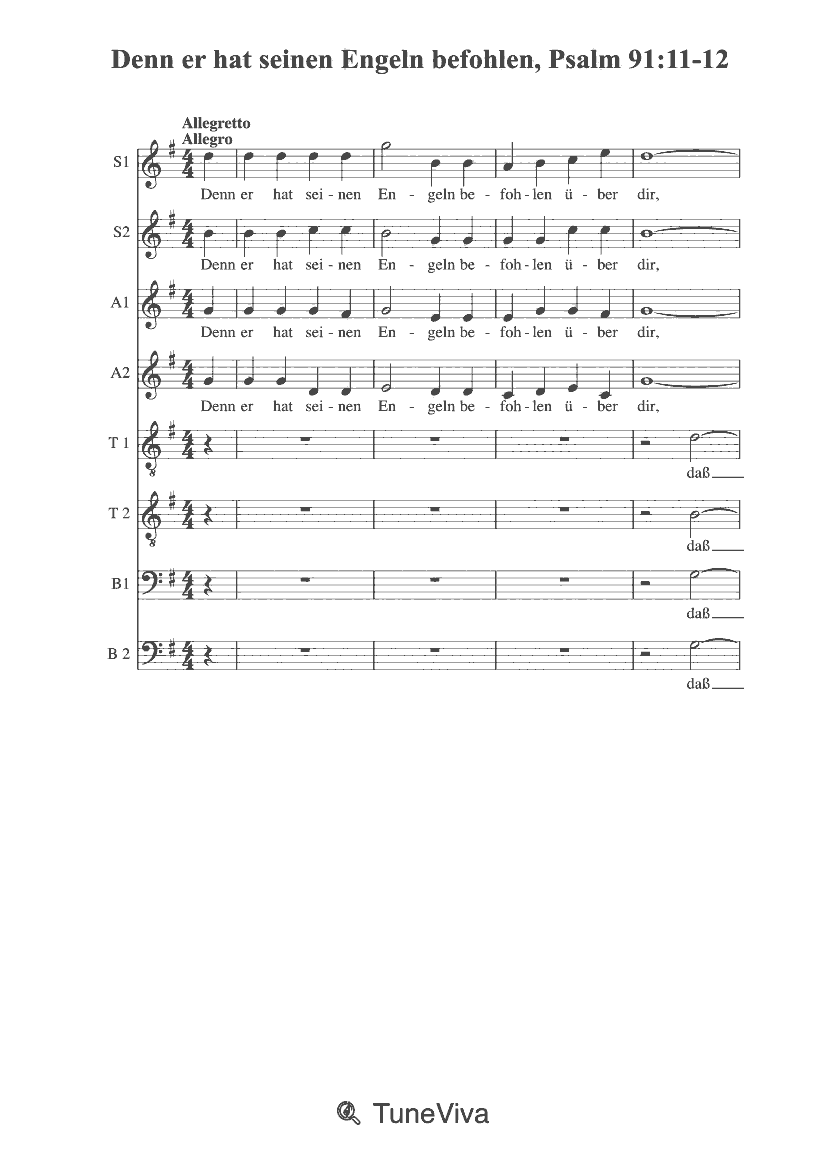
Of the 163 entries, 147 sit at complexity index 0, which reflects how much of the catalogue is short: hymn tunes, part-songs, the easier Songs Without Words. The choral material is substantial, with 104 scores carrying lyrics, among them the eight-part motet Denn er hat seinen Engeln befohlen, written in 1844 for the Berlin Cathedral choir and later folded into Elijah. Three separate Wedding March entries appear in different scorings, so check what you are downloading.
Mendelssohn's writing is polite on the surface and demanding underneath. In the Songs Without Words the melody has to stay afloat over a steady accompaniment figure, and the pedal should not blur the harmony beneath it. The Venetian Gondola Song depends on a rocking 6/8 that must feel unhurried rather than sluggish. Choral entries are mostly homophonic and need clean tuning more than dramatic contrast, and the Wedding March only works if the repeated chords stay crisp.
The opening allegro, with the soloist entering almost at once instead of waiting for an orchestral exposition.
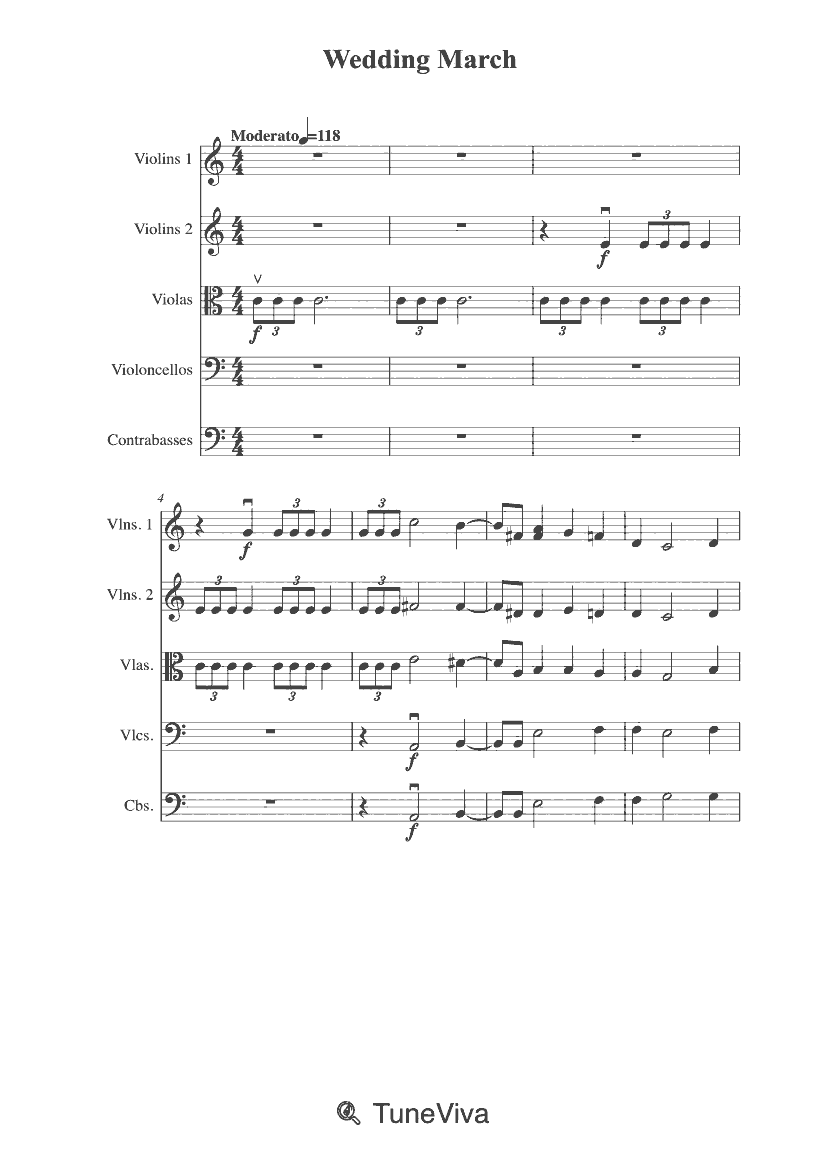
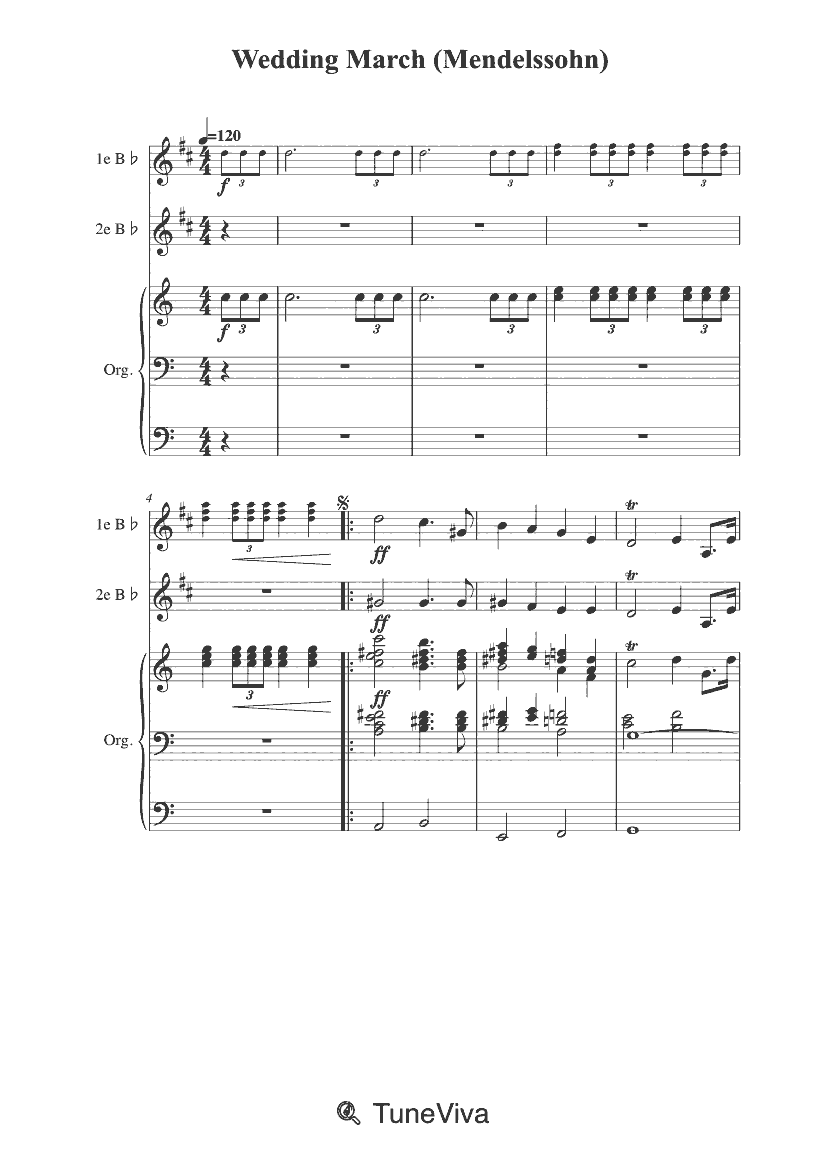
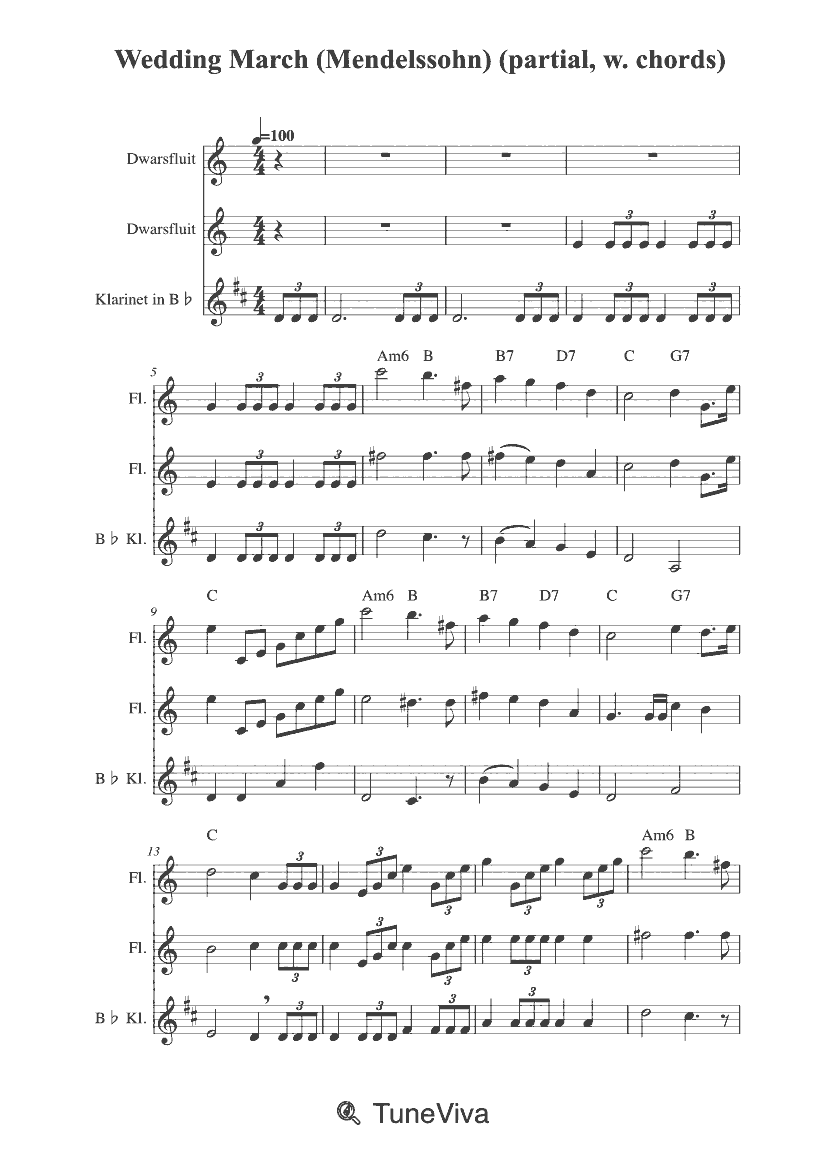
The march from the Op. 61 incidental music arranged for four players and much used at weddings.
A song without words for cello and piano, written around 1845 for the cellist Lisa Cristiani and published after his death.
The first of the three Venetianisches Gondellied pieces, in G minor, with a rocking 6/8 accompaniment.
The opening movement of the 1833 Italian symphony in a four-hand arrangement, useful for reading the score away from the orchestra.
Choral movements from the 1840 Lobgesang, a symphony-cantata written for the 400th anniversary of printing.
The march in C major, the most familiar of the three Wedding March entries on the page.
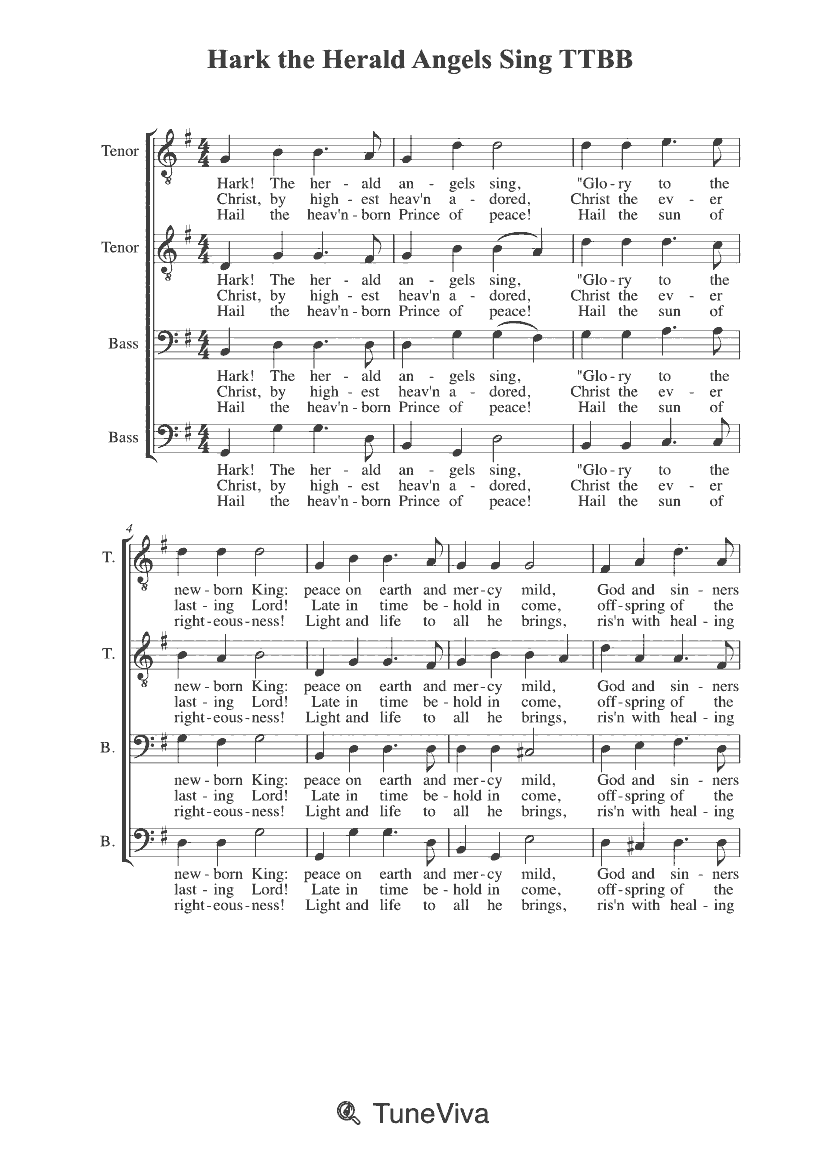
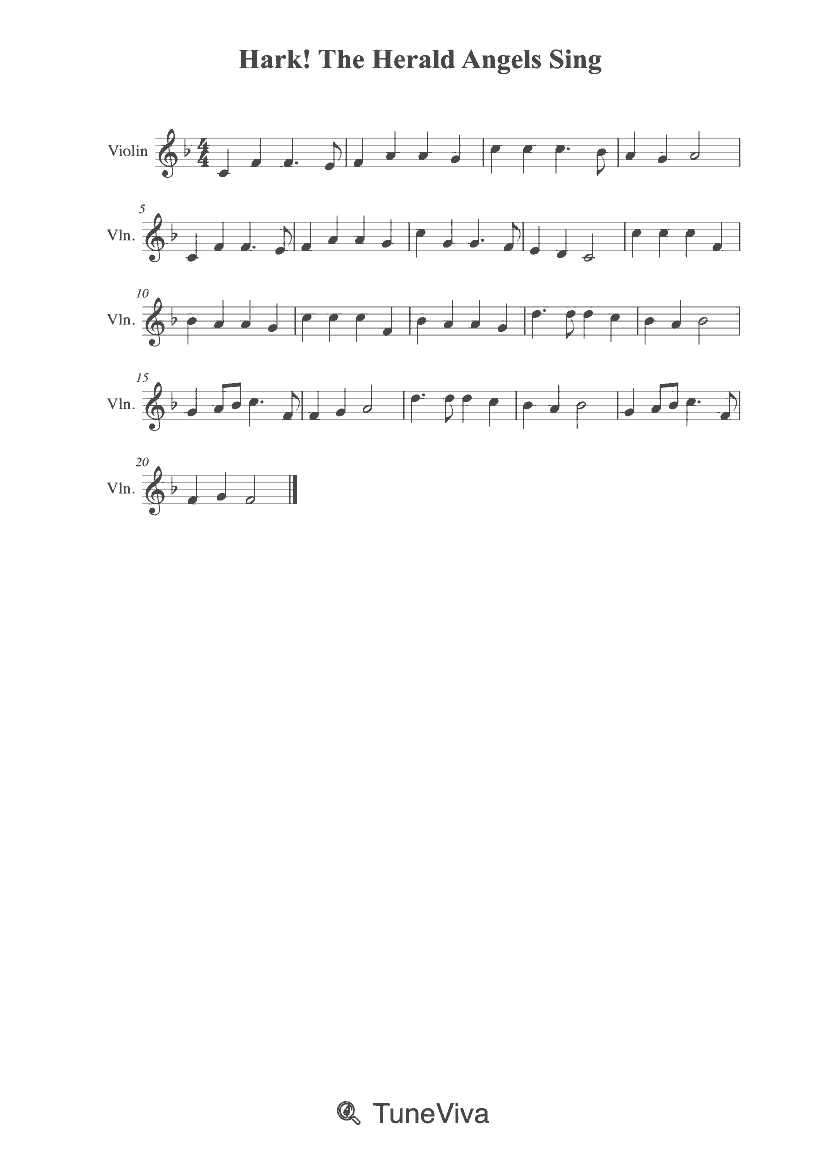
The carol on Mendelssohn's melody from the 1840 Festgesang, as adapted for congregational singing.
An eight-part a cappella motet of 1844 setting Luther's German text of Psalm 91.
There are 163 public-domain entries, about 524 minutes of music and 220,507 notated notes, of which 104 carry lyrics.
Yes. It is the march in the incidental music, Op. 61, written in 1842 for a Potsdam production of Shakespeare's play. The first wedding at which it is documented was in 1847, at St Peter's in Tiverton, Devon.
He wrote the melody, a chorus from the 1840 Festgesang for the Gutenberg anniversary. William Hayman Cummings fitted Charles Wesley's 1739 words to it in 1855.
Mendelssohn worked as a conductor and choral director for most of his adult life. The catalogue includes motets, psalm settings, part-songs and the Lobgesang alongside the piano and orchestral pieces.
Catalog editions and arrangements attributed to Felix Mendelssohn.
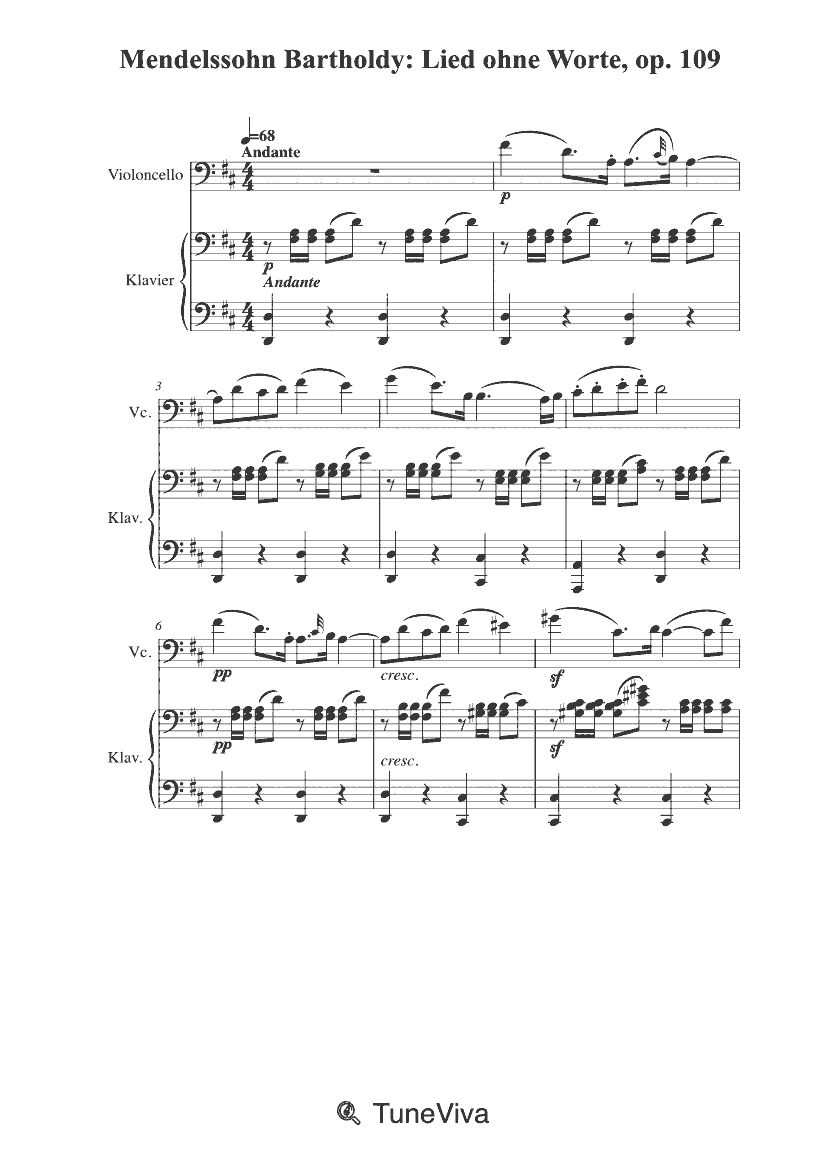
f?r Violoncello und Klavier D-Dur op. 109
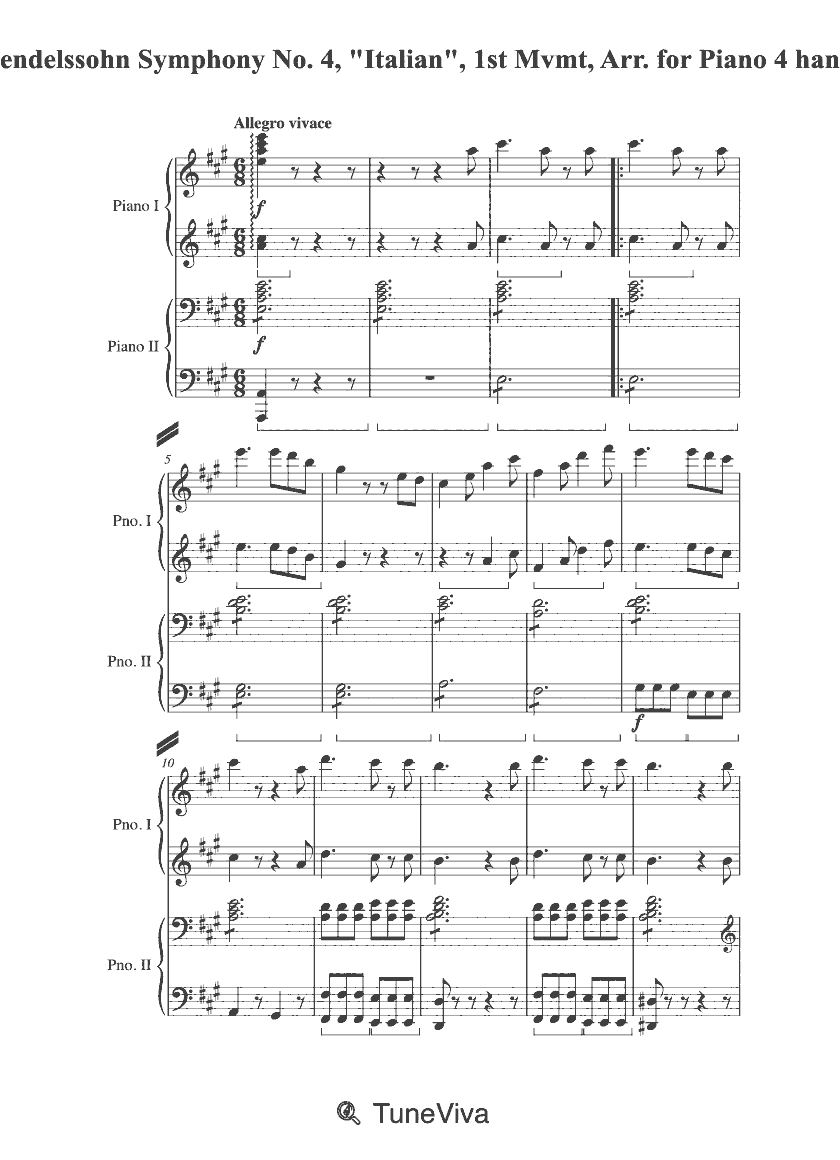
The Italian - 1st Movement
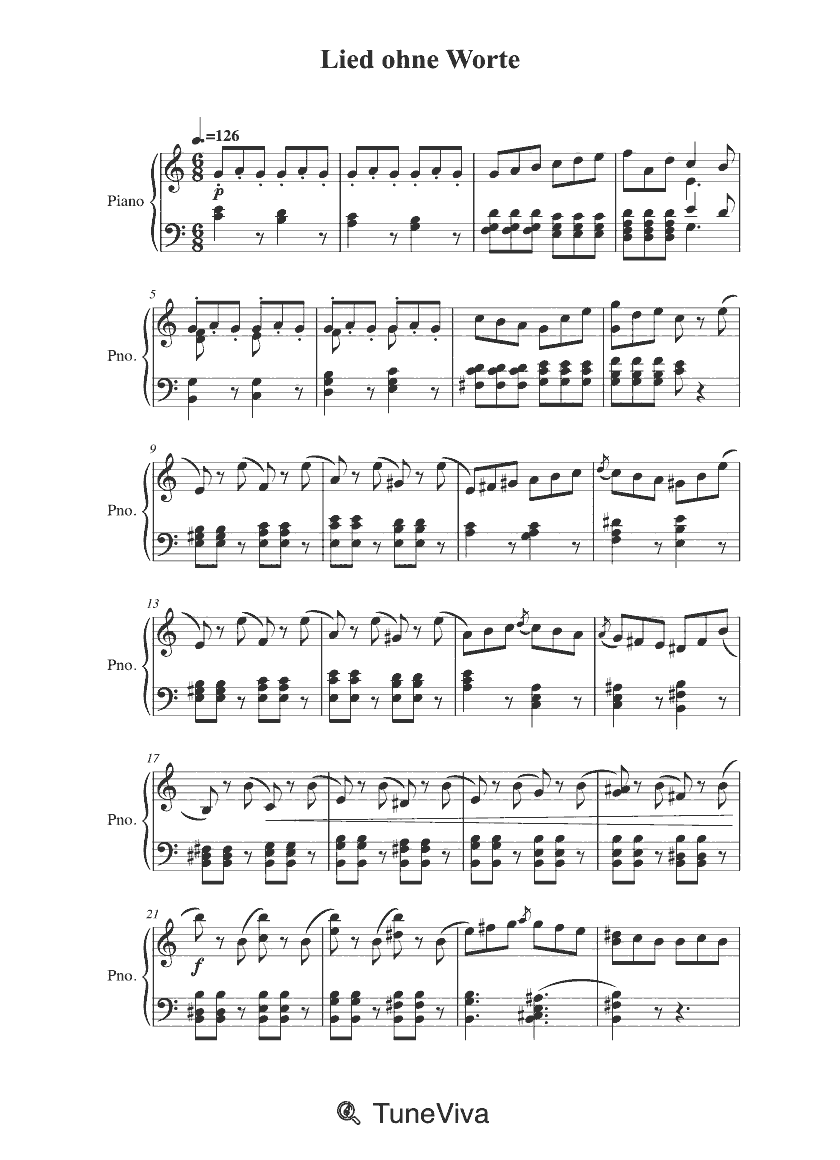
No. 3 from Lieder ohne Worte Op. 102
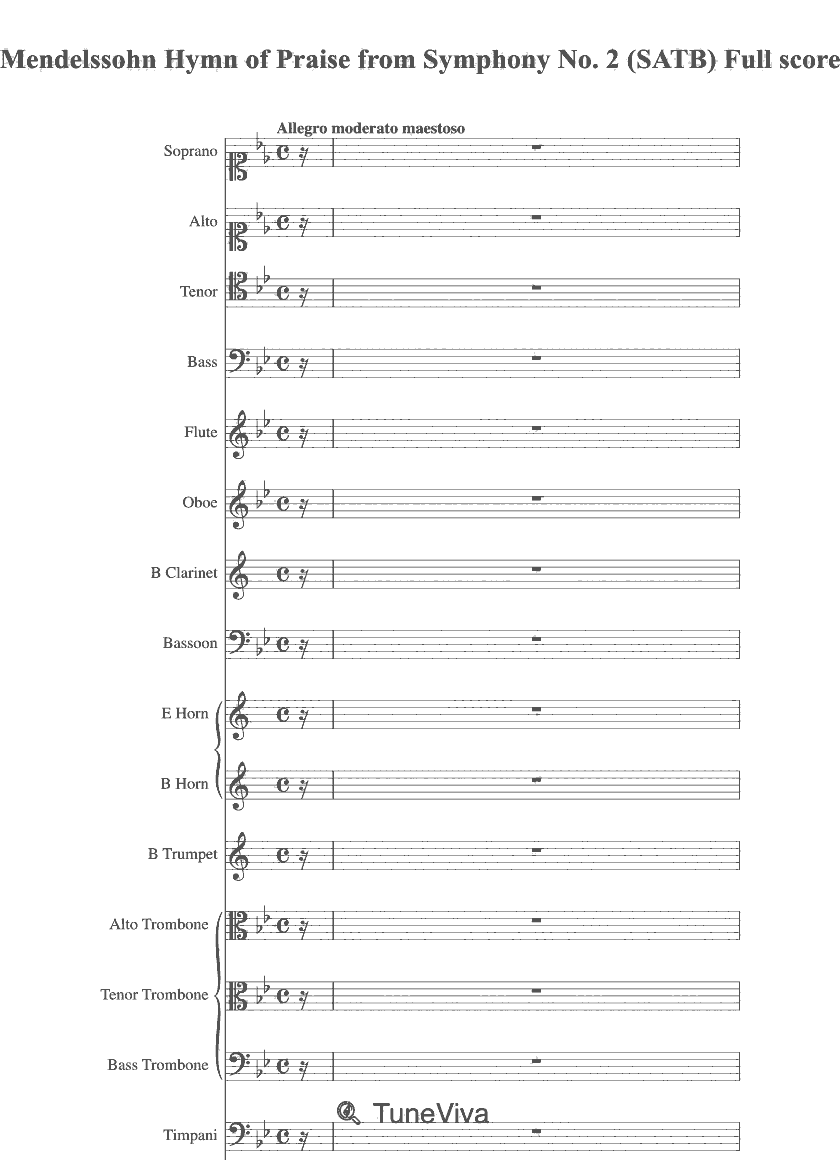
Lobgesang (Song of Praise) Op. 52Fourth Movement (Choral Finale) Excerpt from 1st ChorusAlles was Odem hat lobe den Herrn!(All that hath breath praise the Lord!)ByFelix Mendelssohn(1809 - 1847)
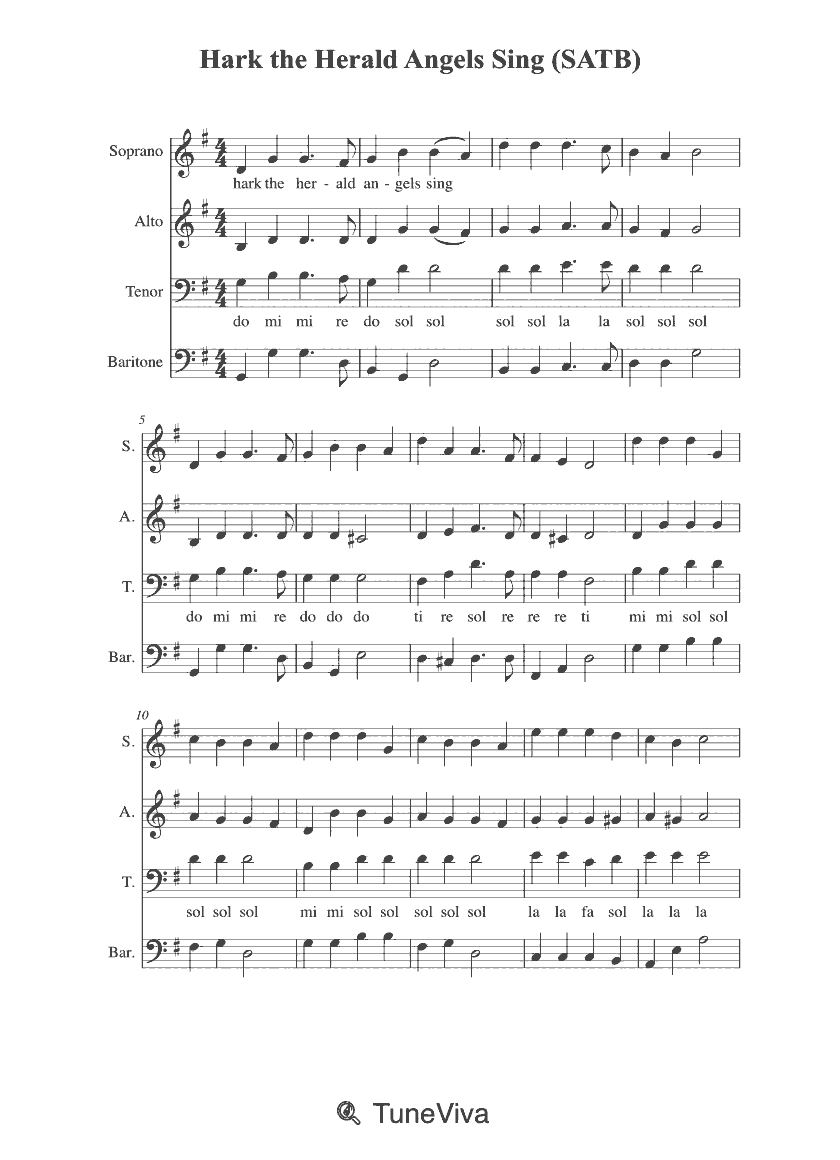
SATB - Traditional Caroling Arrangement
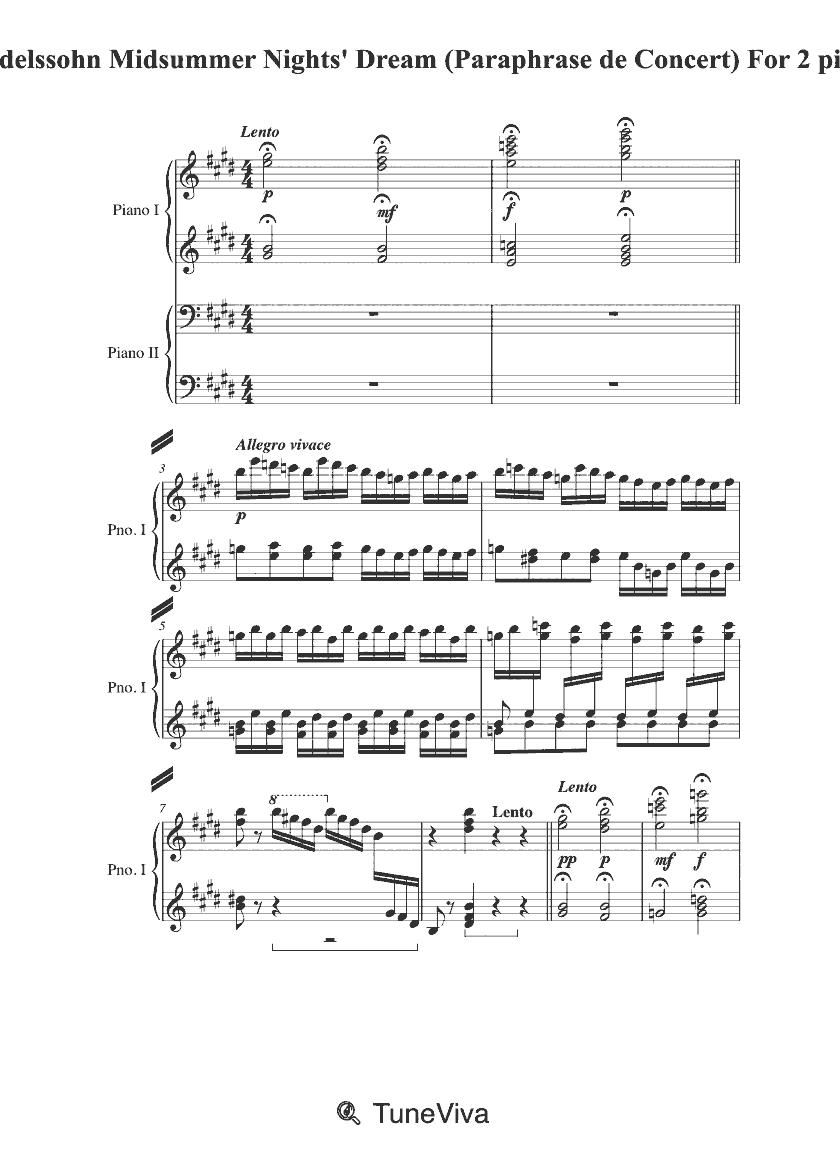
Paraphrase de Concert
TTBB translation Bacco Baccanels
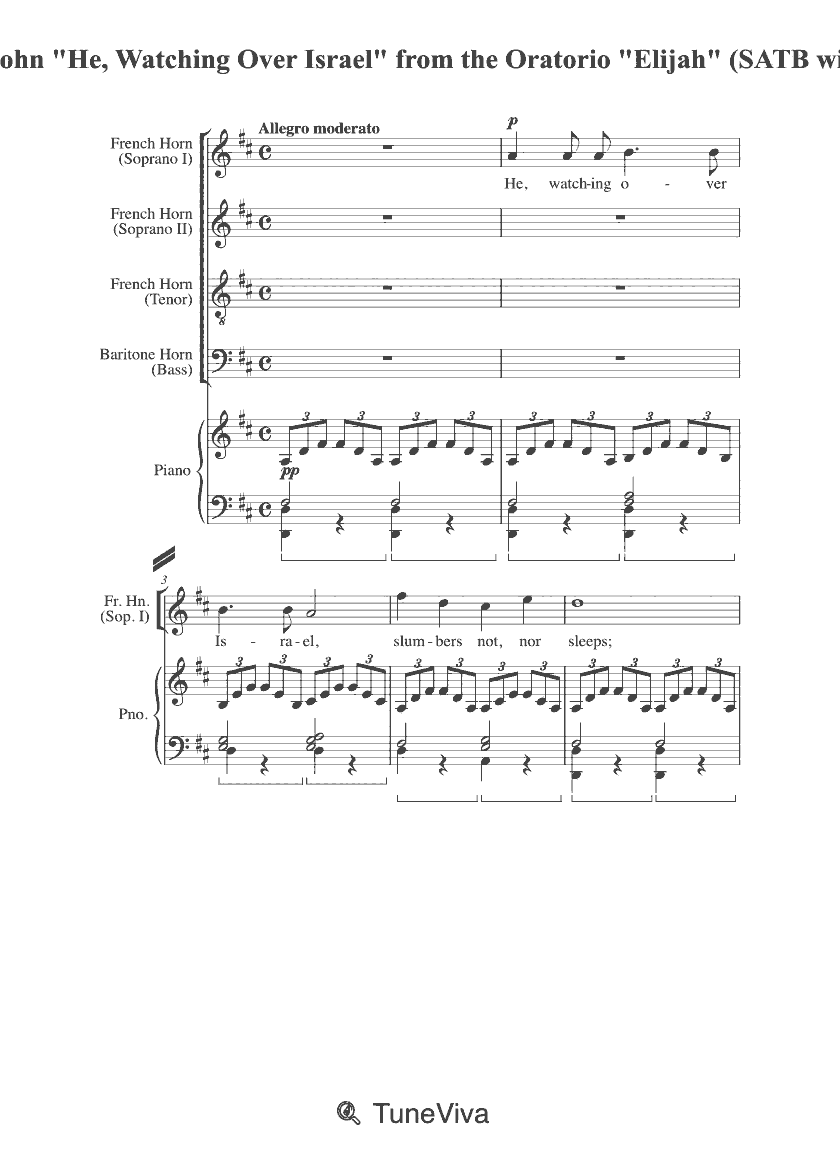
From the Oratorio Elijah Op. 70
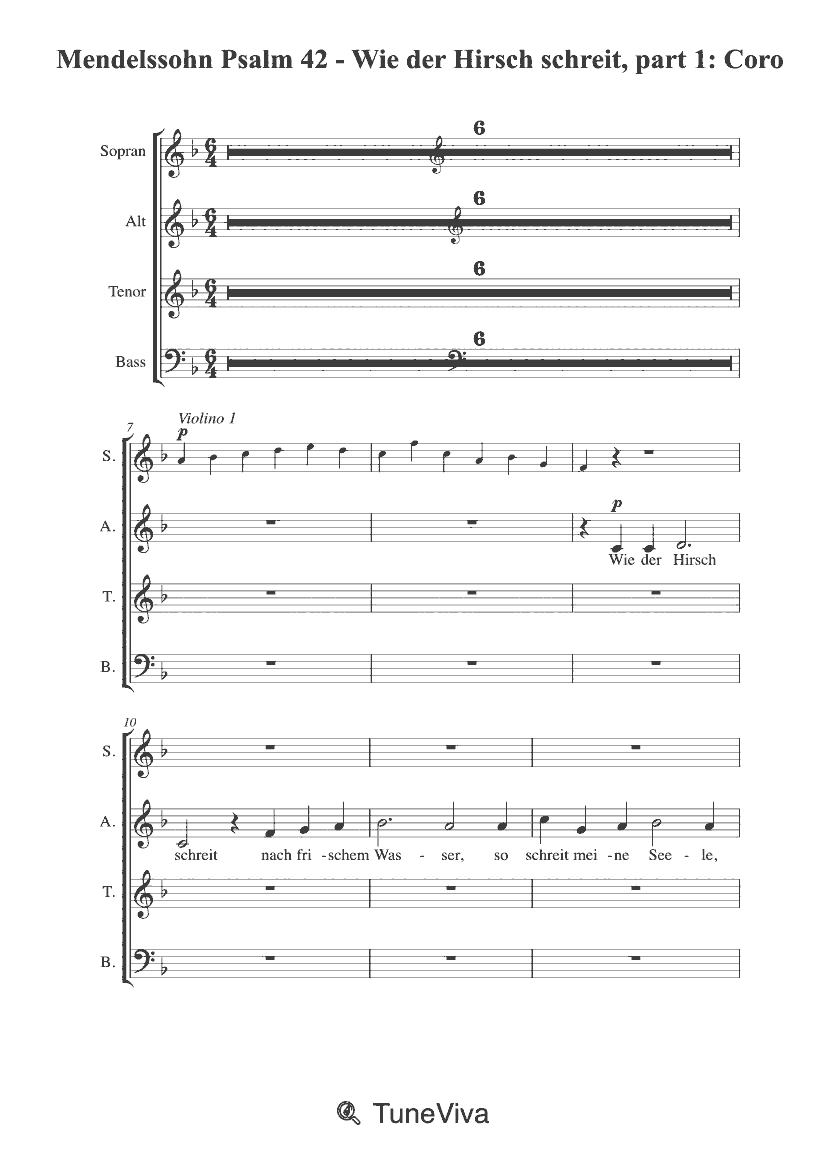
op. 42 MWV A 15 - Chorpartitur
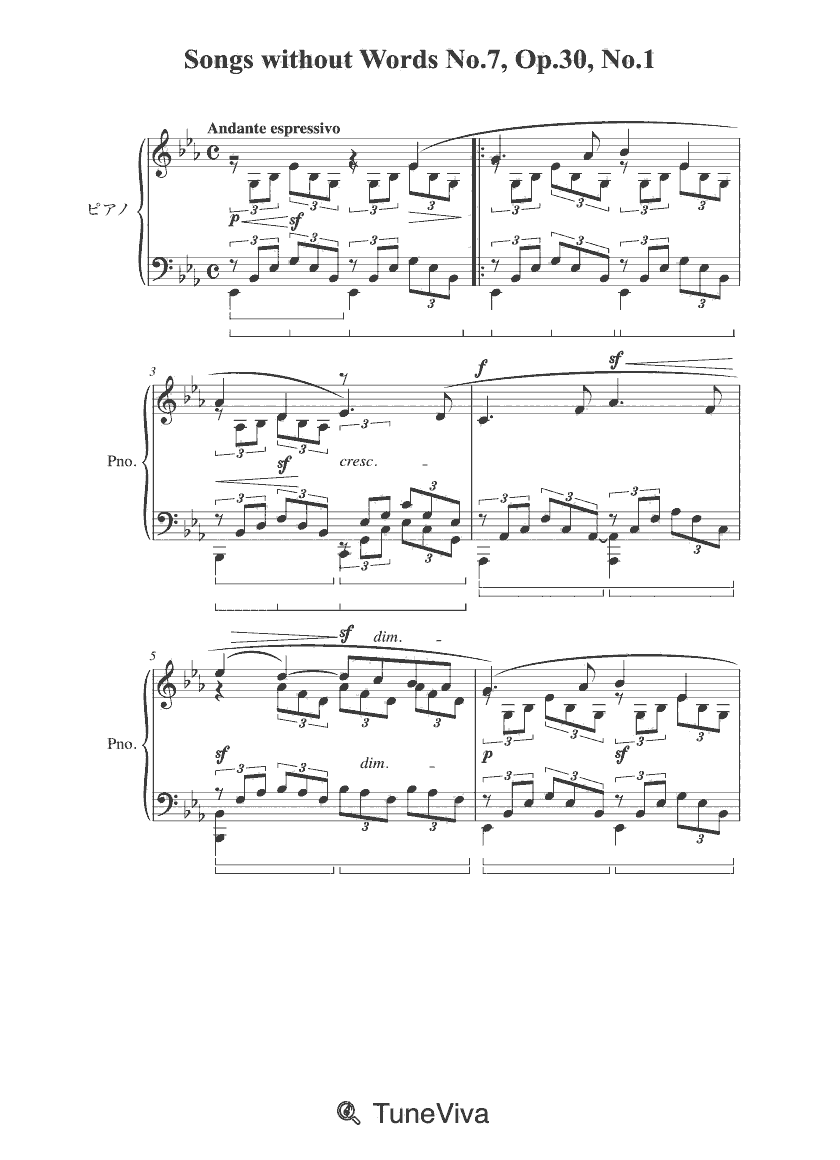
Op.30 No.1
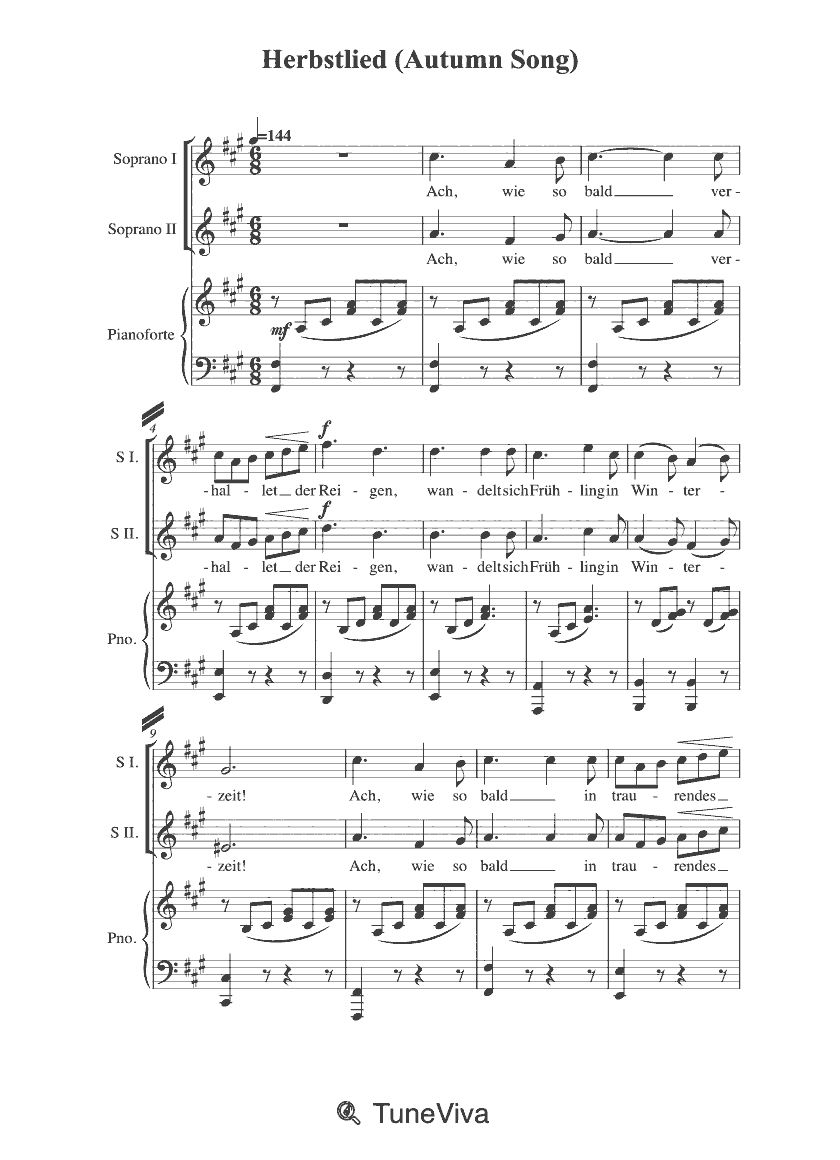
From Sechs zweistimmige Lieder mit begleitung des Pianoforte (Op. 63)
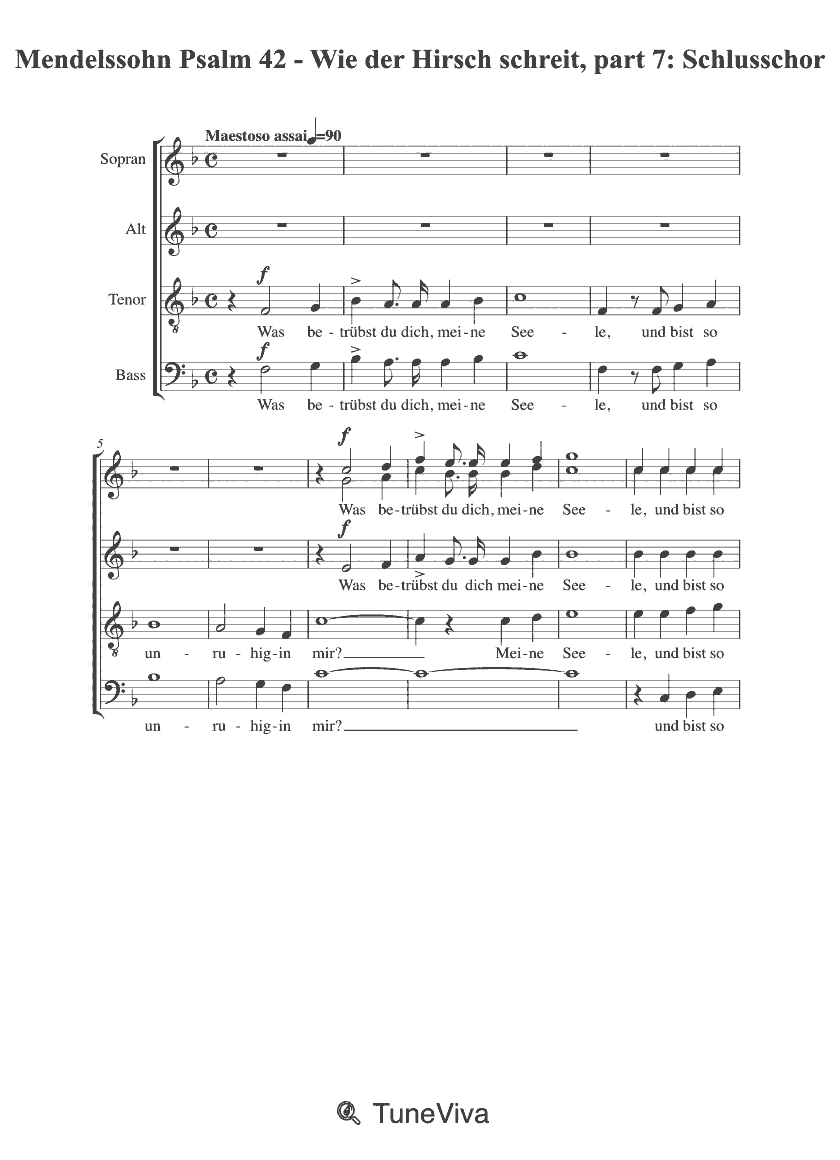
op. 42 MWV A 15 - Chorpartitur