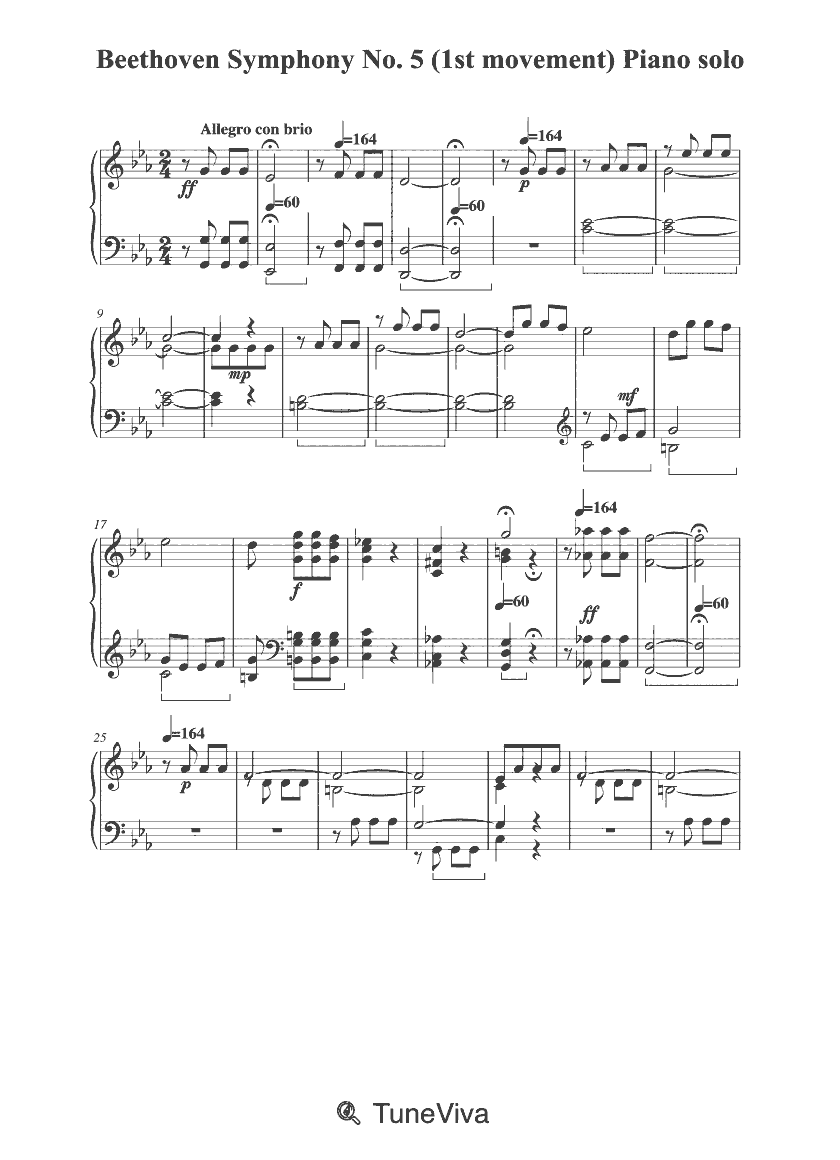
Beethoven Symphony No. 5 (1st movement) Piano solo
First Movement
classical
1 tracks
The most-viewed score on this page is a piano solo of the first movement of Beethoven's Fifth Symphony, with more than 392,000 views. The second is a jazz lead sheet of the Moonlight Sonata. That pairing says something about this catalogue: it holds 302 Beethoven scores, and many of them are arrangements and reductions rather than urtexts. Fifty-one carry lyrics, and the total runs to about 1,859 minutes.
Für Elise, the Moonlight and the Pastoral are all here, along with four symphony movements set for piano and a small group of choral arrangements.
Beethoven was baptised in Bonn on 17 December 1770; the family home in the Bonngasse is now the Beethoven-Haus museum. His father Johann, a tenor, taught him harshly, and he later studied with the court organist Christian Gottlob Neefe. In 1792 he moved to Vienna, where he took counterpoint lessons with Haydn and also studied with Johann Albrechtsberger and Antonio Salieri. His patrons included Prince Karl Lichnowsky, Prince Lobkowitz, Archduke Rudolf and Prince Kinsky; Rudolf, Kinsky and Lobkowitz eventually guaranteed him an annual pension.
Hearing loss began around 1798. In 1802, at Heiligenstadt, he wrote the letter to his brothers now known as the Heiligenstadt Testament, recording thoughts of suicide and his resolve to keep composing. He was never completely deaf, but he used conversation books from 1818. The heroic middle period produced the Eroica, the Fifth and Sixth Symphonies, the Violin Concerto and the Emperor Concerto. Fidelio, his only opera, was first staged in 1805 and revised repeatedly. The Missa solemnis was completed in 1823, and the Ninth Symphony had its premiere in 1824; the late string quartets followed. He died in Vienna on 26 March 1827.
The catalogue holds 302 Beethoven scores, all public domain, with 51 lyrics-bearing entries and 1,250,304 notated notes across roughly 1,859 minutes. The difficulty spread is the widest of any composer here: 180 entries at complexity index 0, 48 at index 1, 38 at index 2 and 36 at index 3. The most-viewed titles are predominantly piano reductions of orchestral movements and well-known short pieces, which makes the collection useful to a pianist who wants to play familiar music without a full orchestra.
These scores fall into two groups. The piano reductions of symphonies need orchestral thinking at the keyboard: clear voicing, a firm bass line and a sense of timbre behind each theme. The original piano works need the opposite — intimacy, rubato and careful pedal. Für Elise and the Moonlight first movement are easy to play badly by rushing; keep the left-hand arpeggios even and let the melody float. The choral finale of the Ninth is a reduction, so balance voices against the piano rather than trying to imitate an orchestra.
The most-viewed score in the collection, a piano reduction of the movement built on the four-note motif.
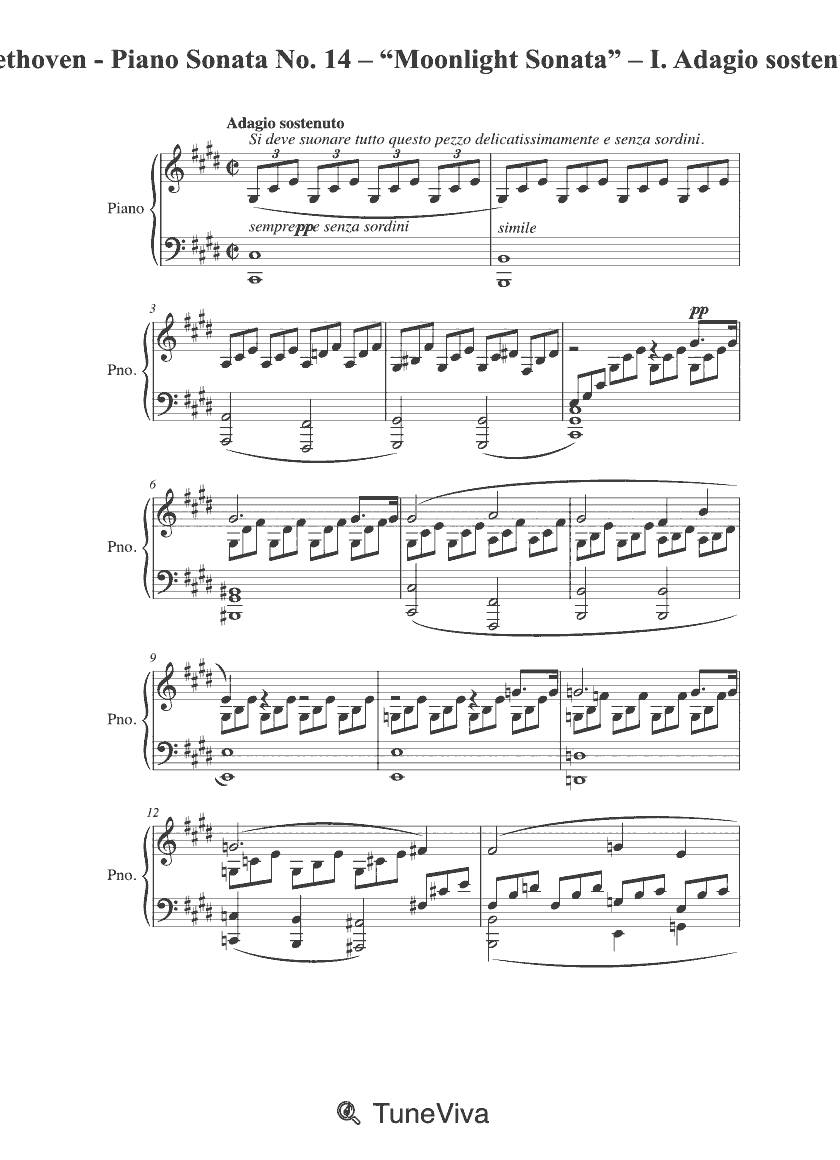
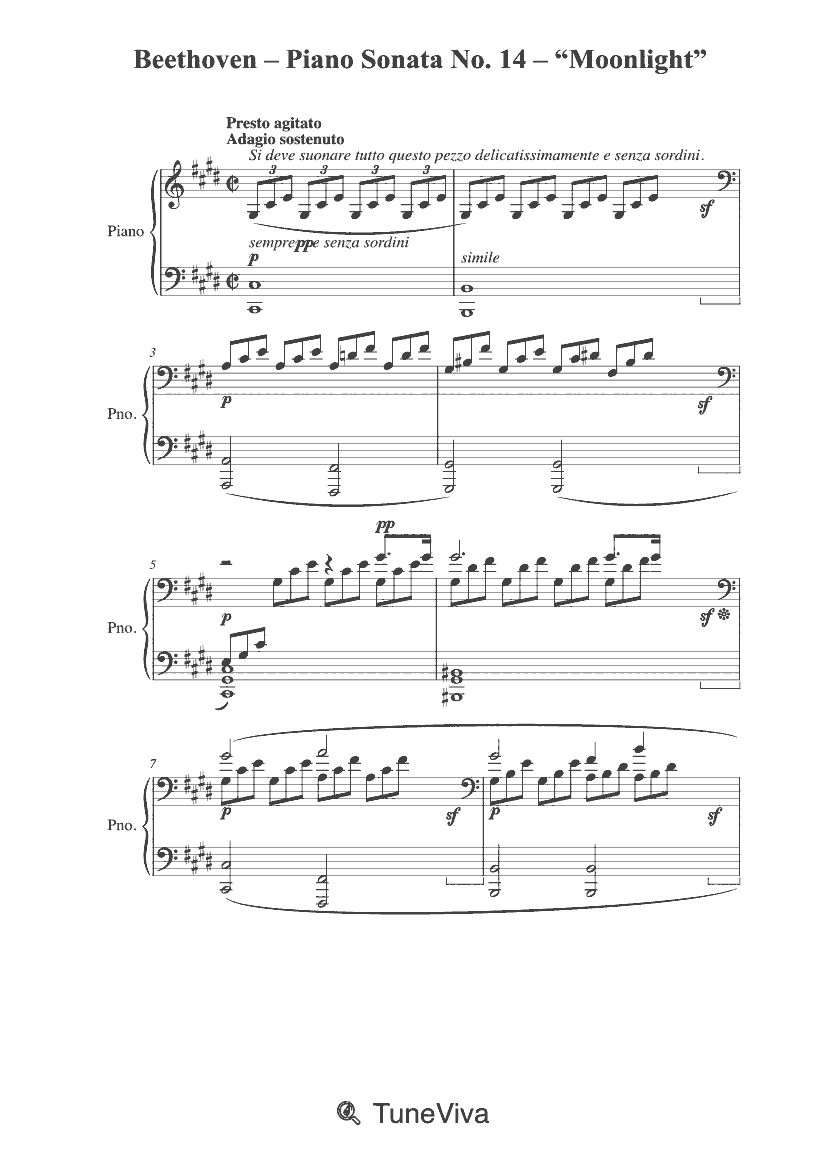
A jazz lead-sheet treatment of the first movement of the Piano Sonata No. 14, the second most-viewed item.
The bagatelle in A minor, among the most familiar piano pieces ever written.
The Allegretto of the Seventh, a movement famous for its steady, ostinato pulse.
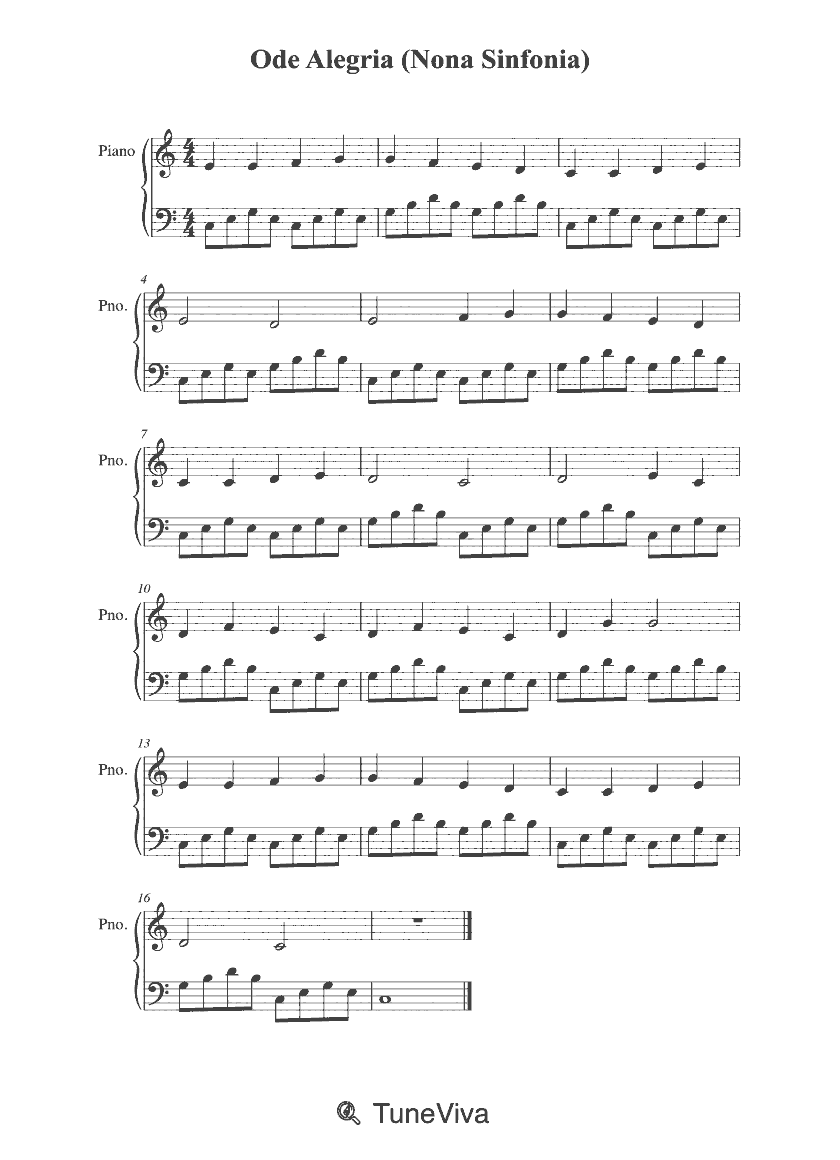
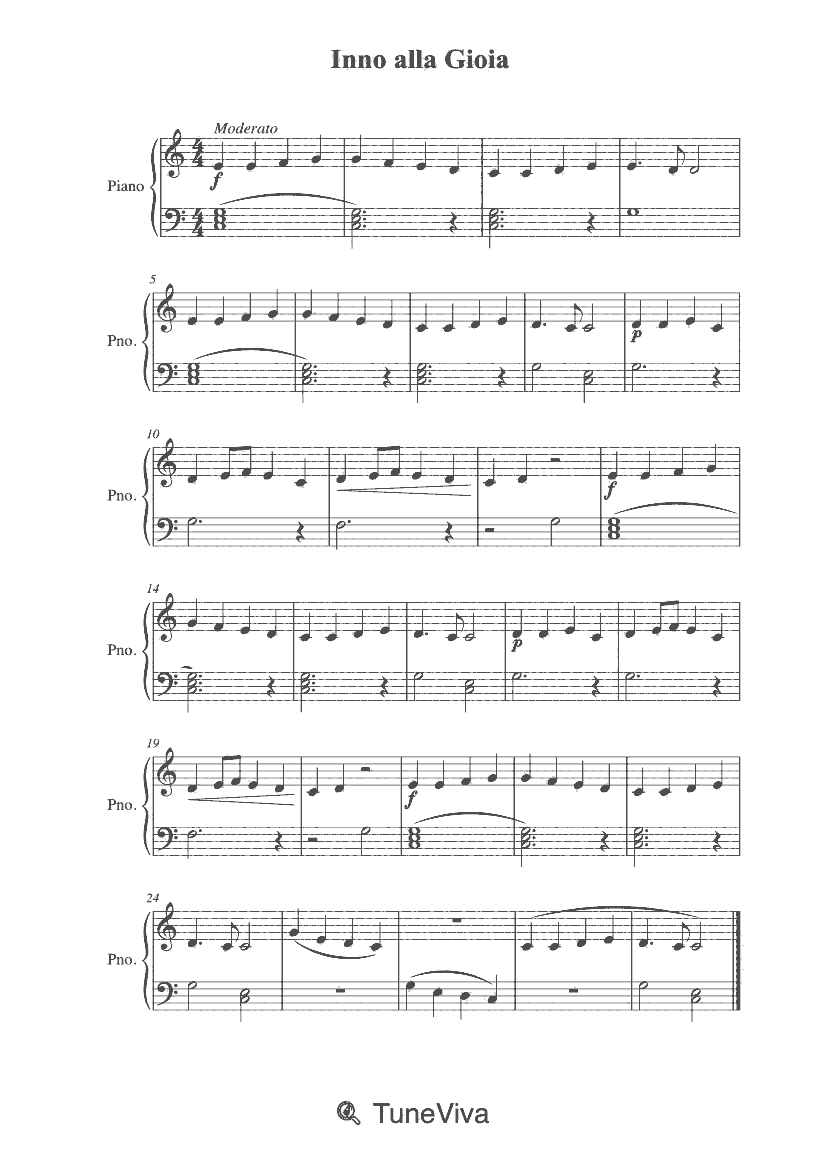
The choral finale with the Ode to Joy, reduced for piano and voices.
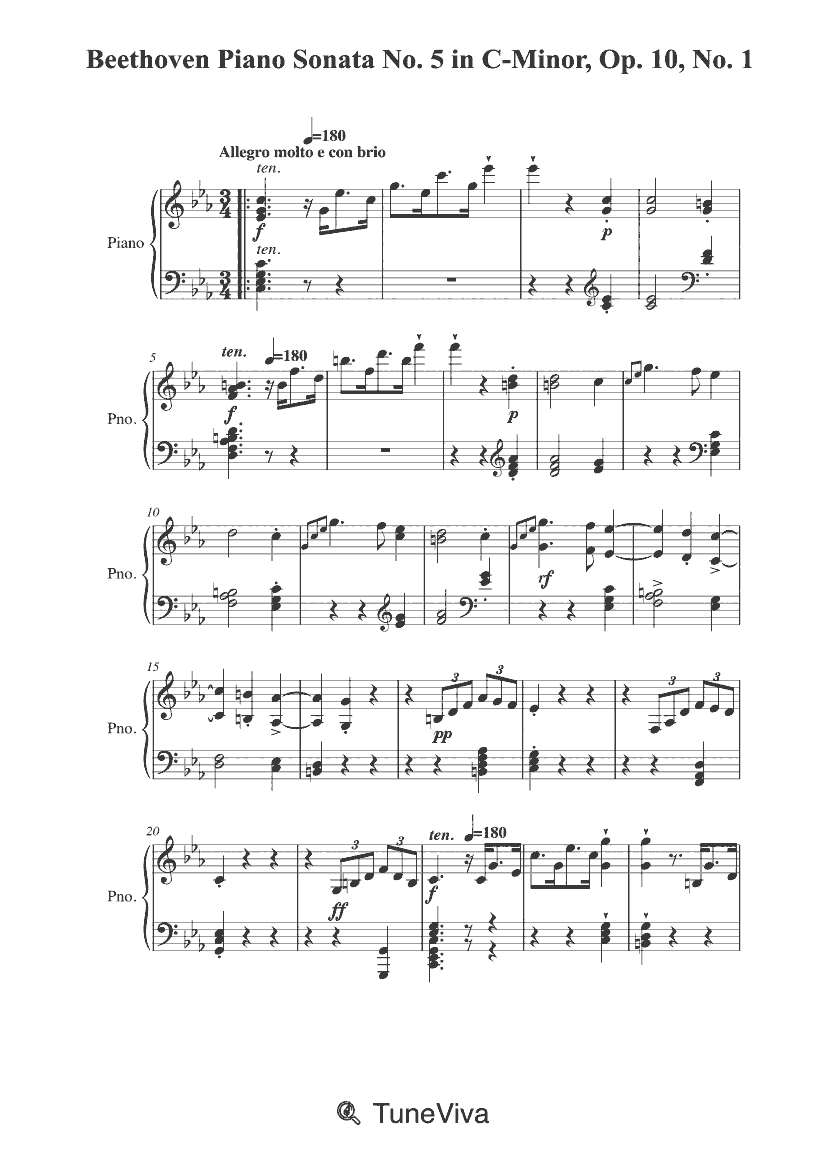
The full sonata in a conventional piano edition, alongside the jazz lead sheet.
The opening movement of the Pastoral Symphony in piano reduction.
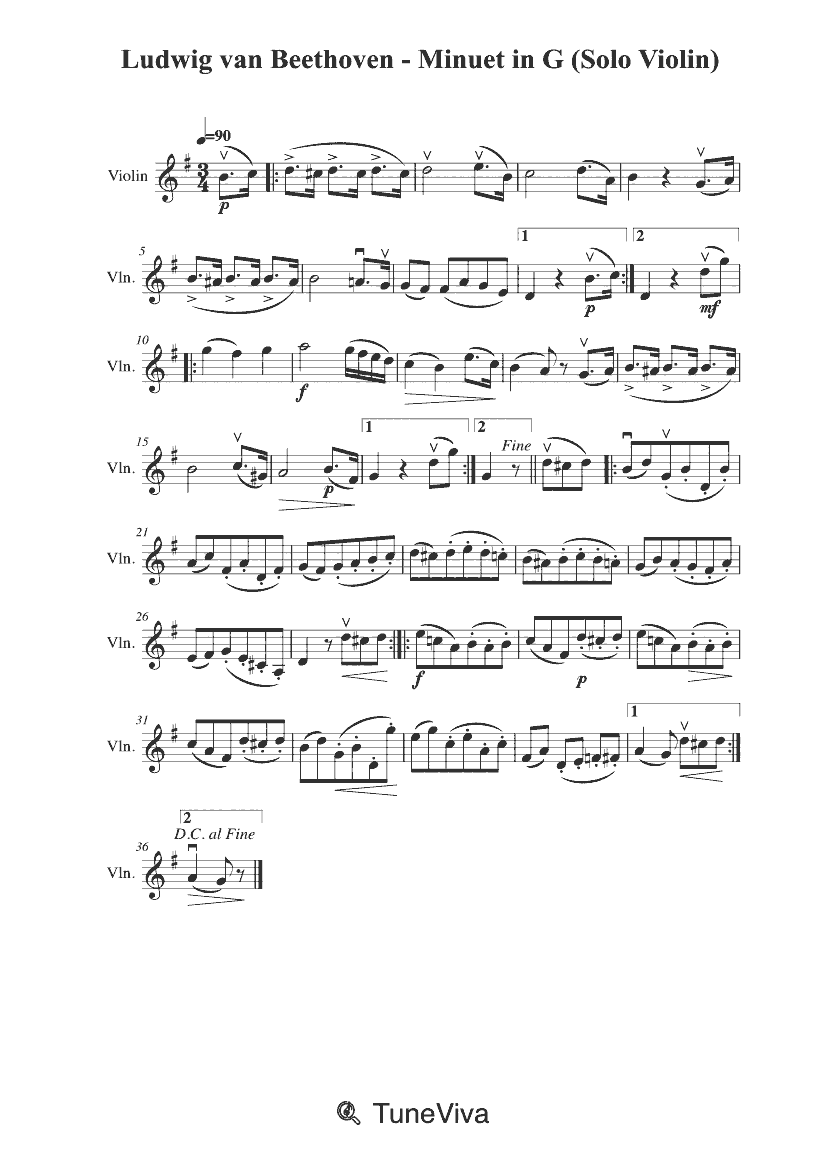
A short, widely taught piece, here in a solo violin arrangement.
There are 302 public domain Beethoven scores, running to about 1,859 minutes of music.
The catalogue holds more than one version of the sonata, including a jazz lead-sheet treatment and a conventional piano edition.
No. The Hallelujah Chorus is from Handel's Messiah. The catalogue has an entry titled Beethoven Hallelujah Chorus, but the attribution is doubtful.
Yes. The catalogue includes piano reductions of movements from the Third, Fifth, Sixth, Seventh and Ninth.
Catalog editions and arrangements attributed to Ludwig van Beethoven.
First Movement
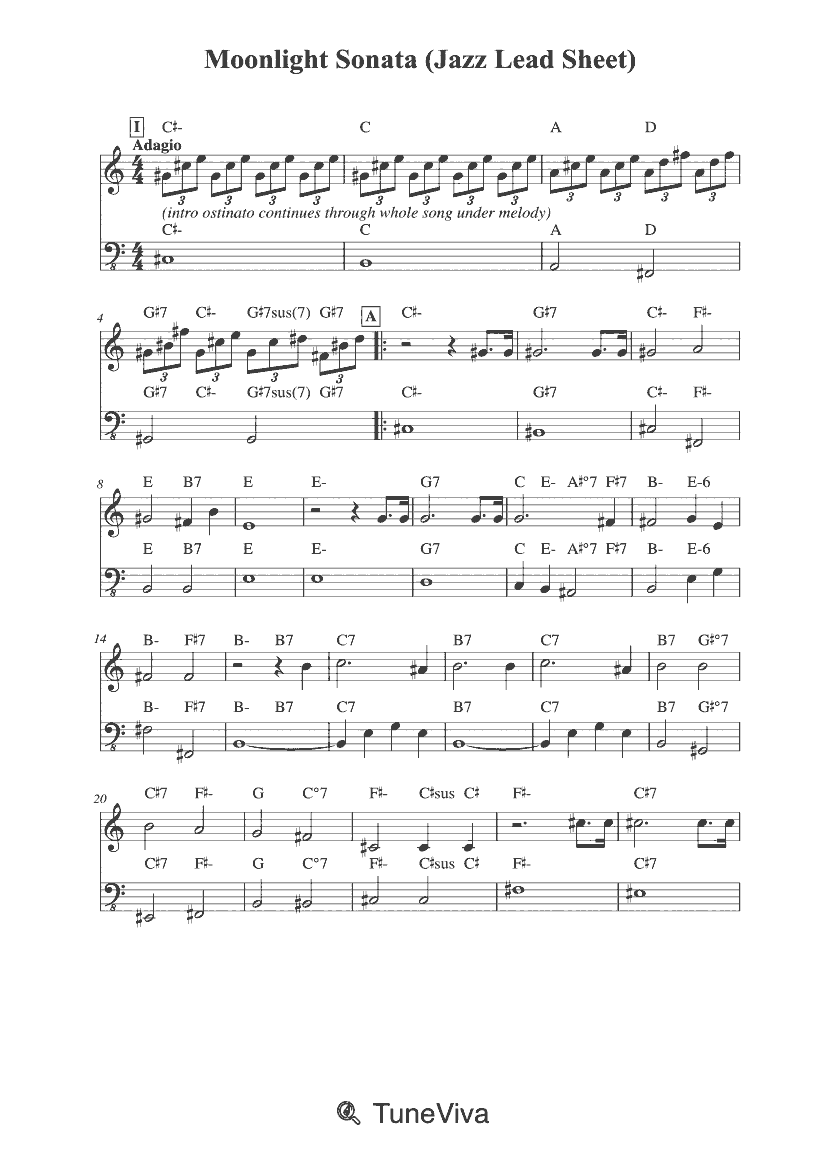
Piano Sonata no. 14 in C min op. 27 no. 2 movt 1
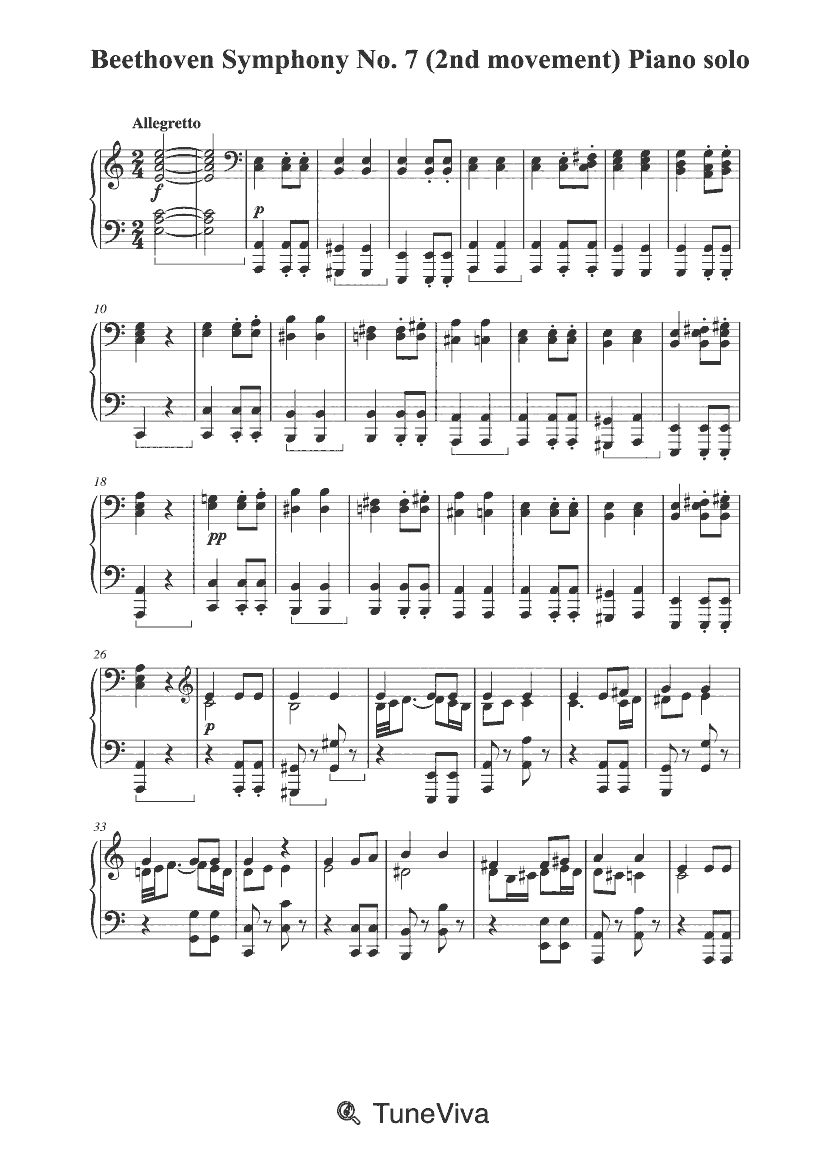
Second Movement
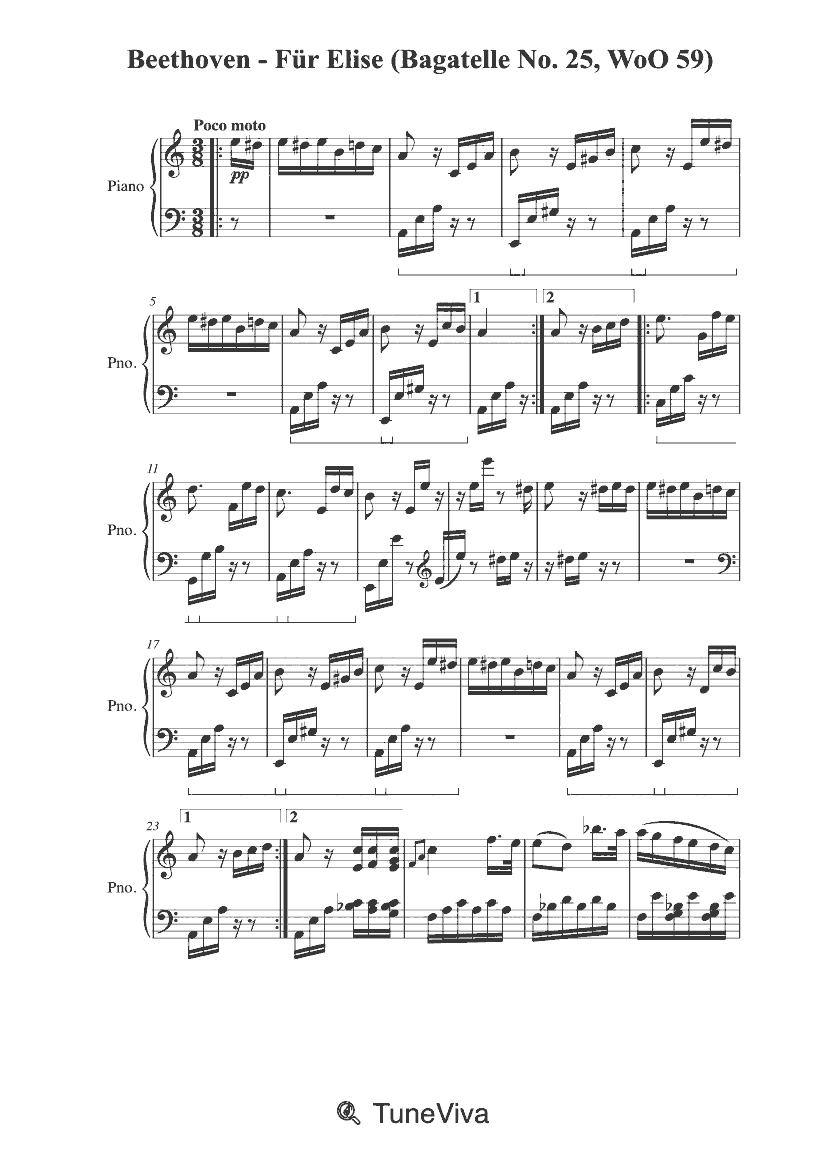
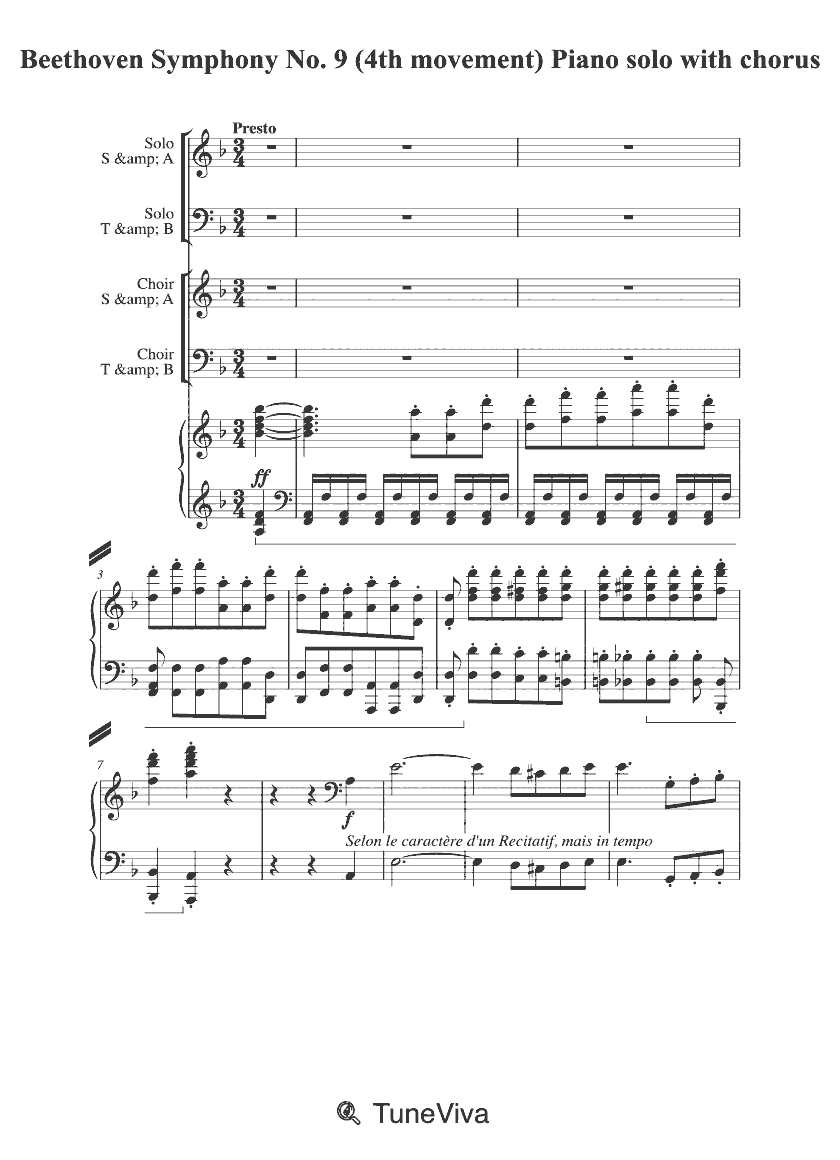
Fourth Movement (Choral)
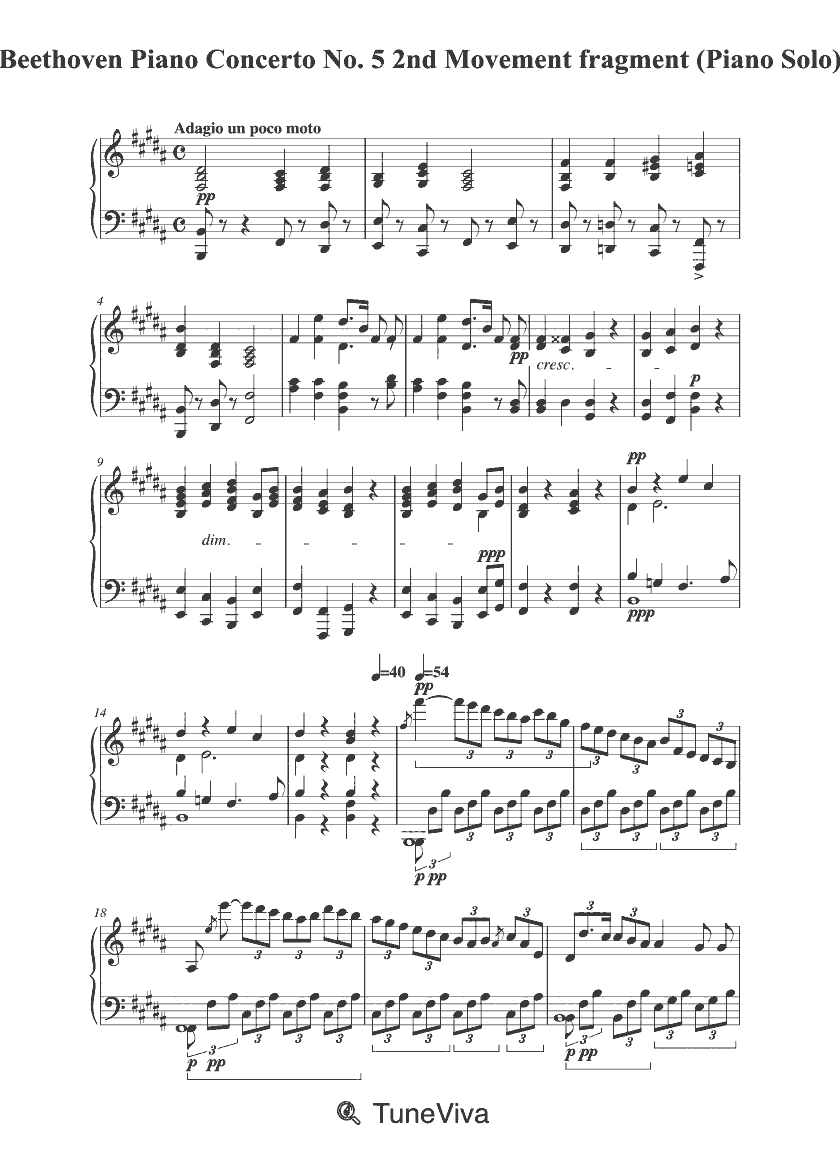
EmperorFragment from 2nd Movement
Scored by Sean Mail
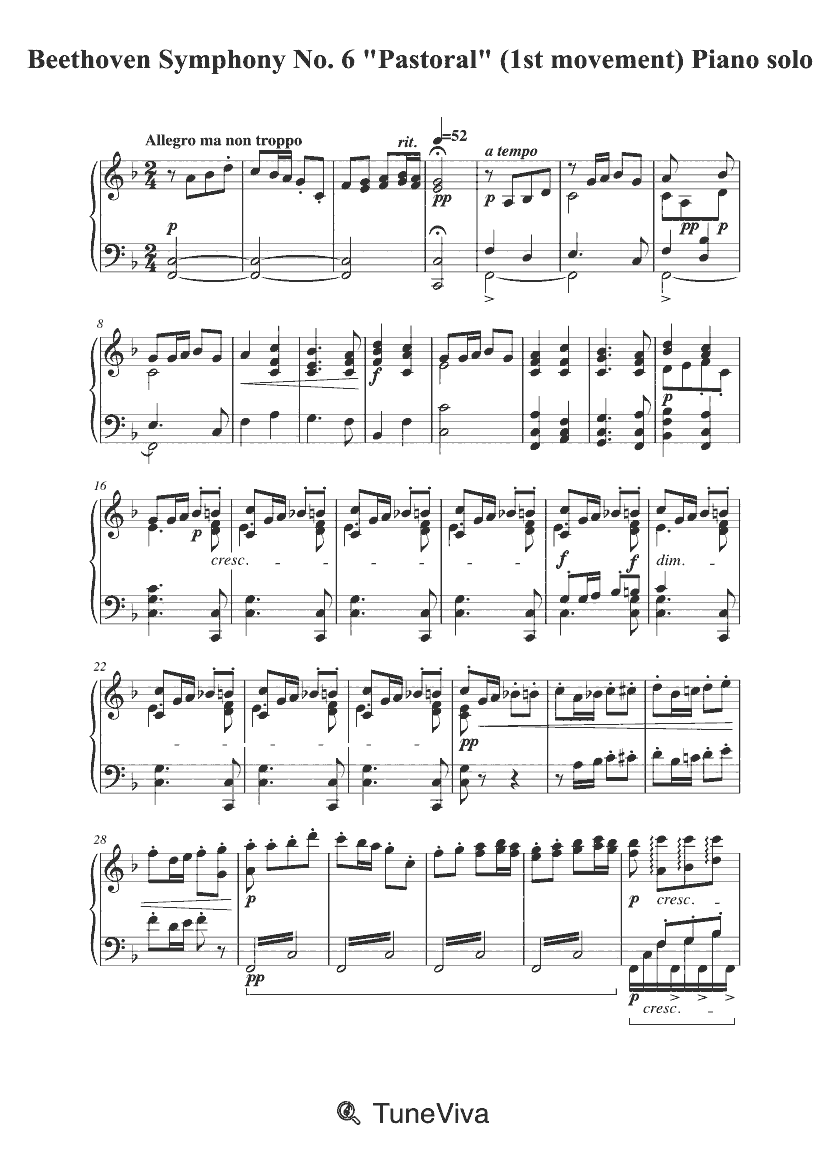
PastoralFirst Movement
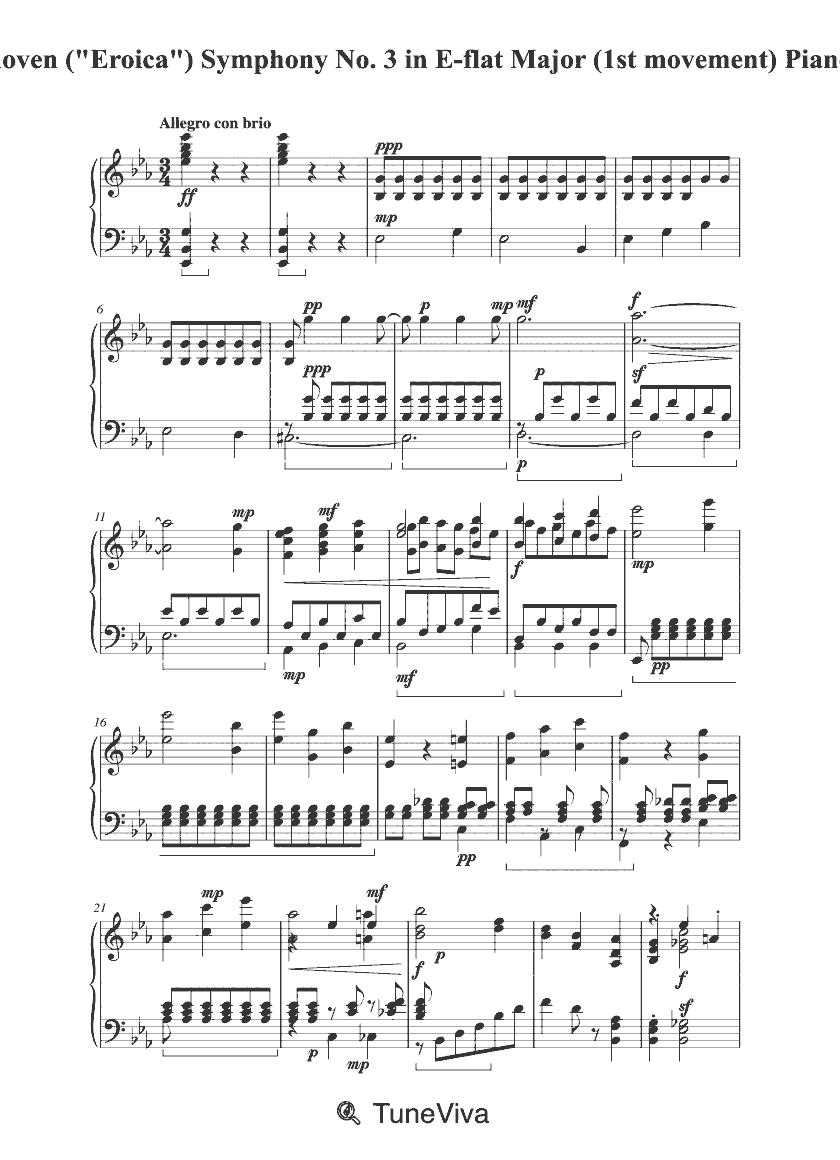
EroicaFirst Movement
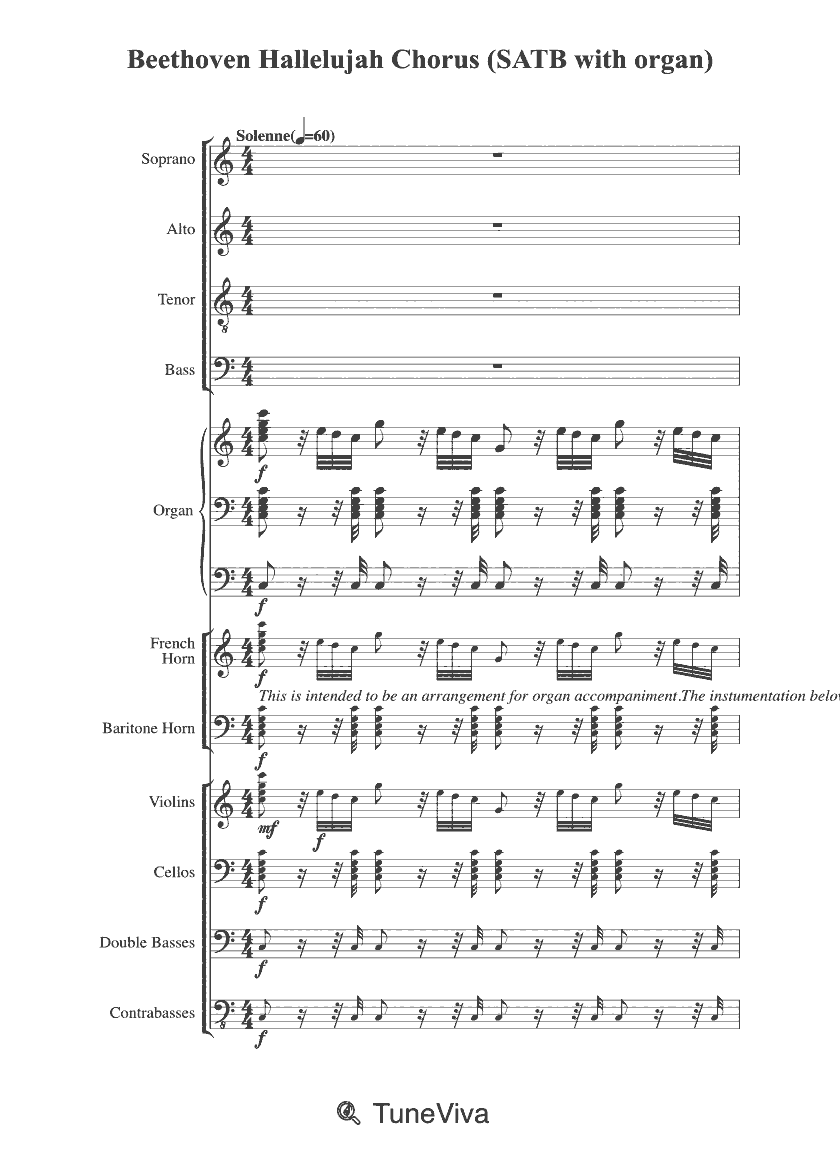
From Christ on the Mount of Olives
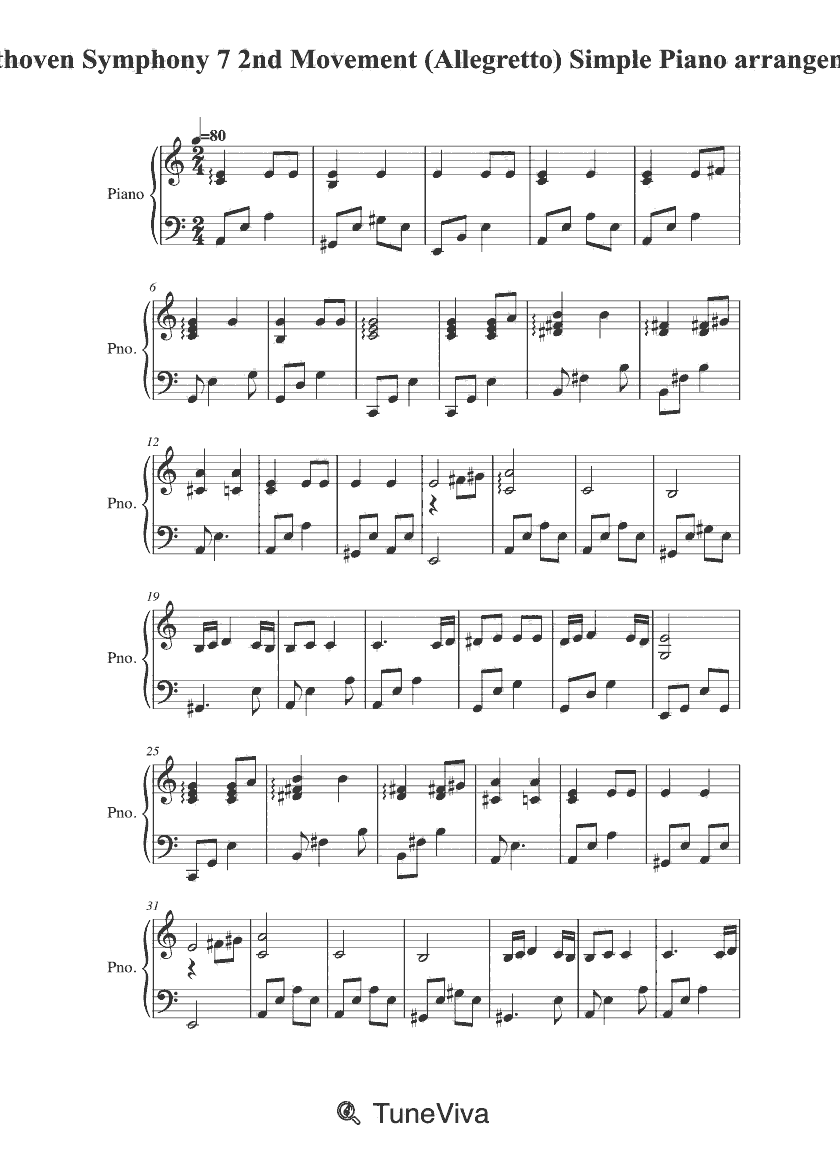
Simple arrangement for piano
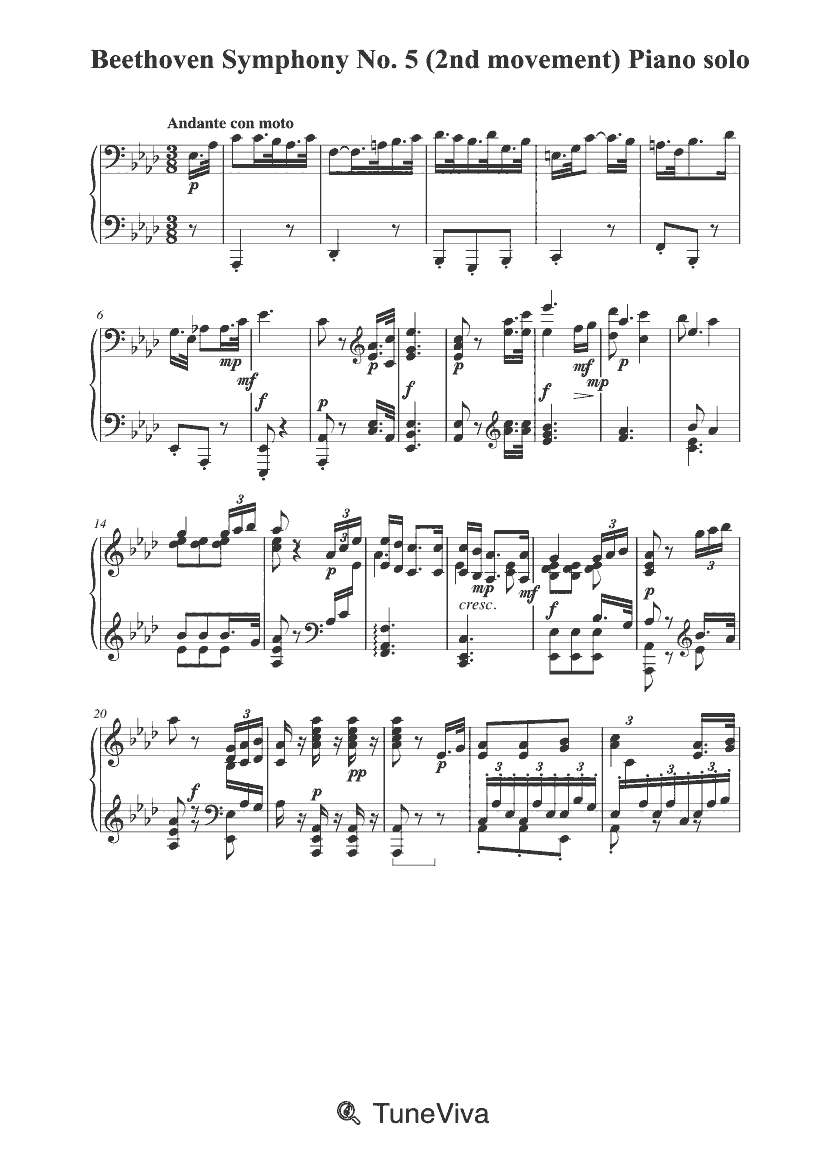
Second Movement
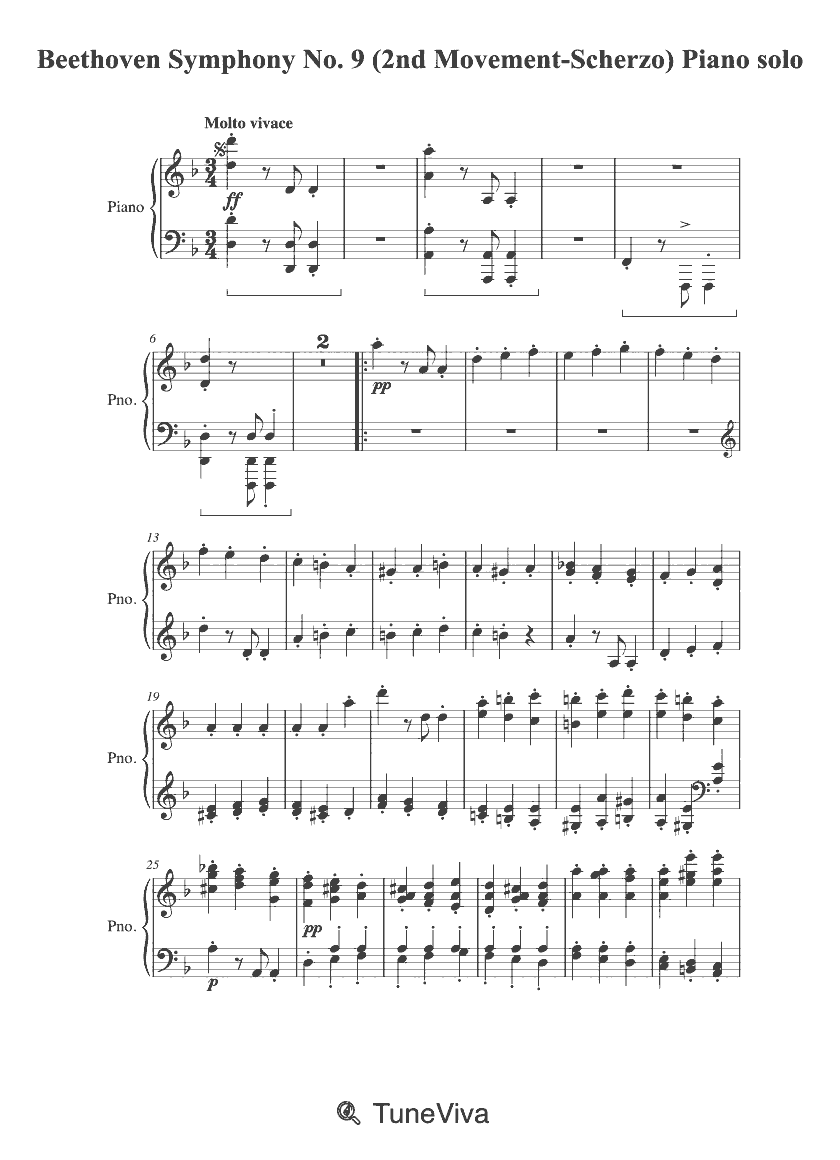
Second Movement - Scherzo